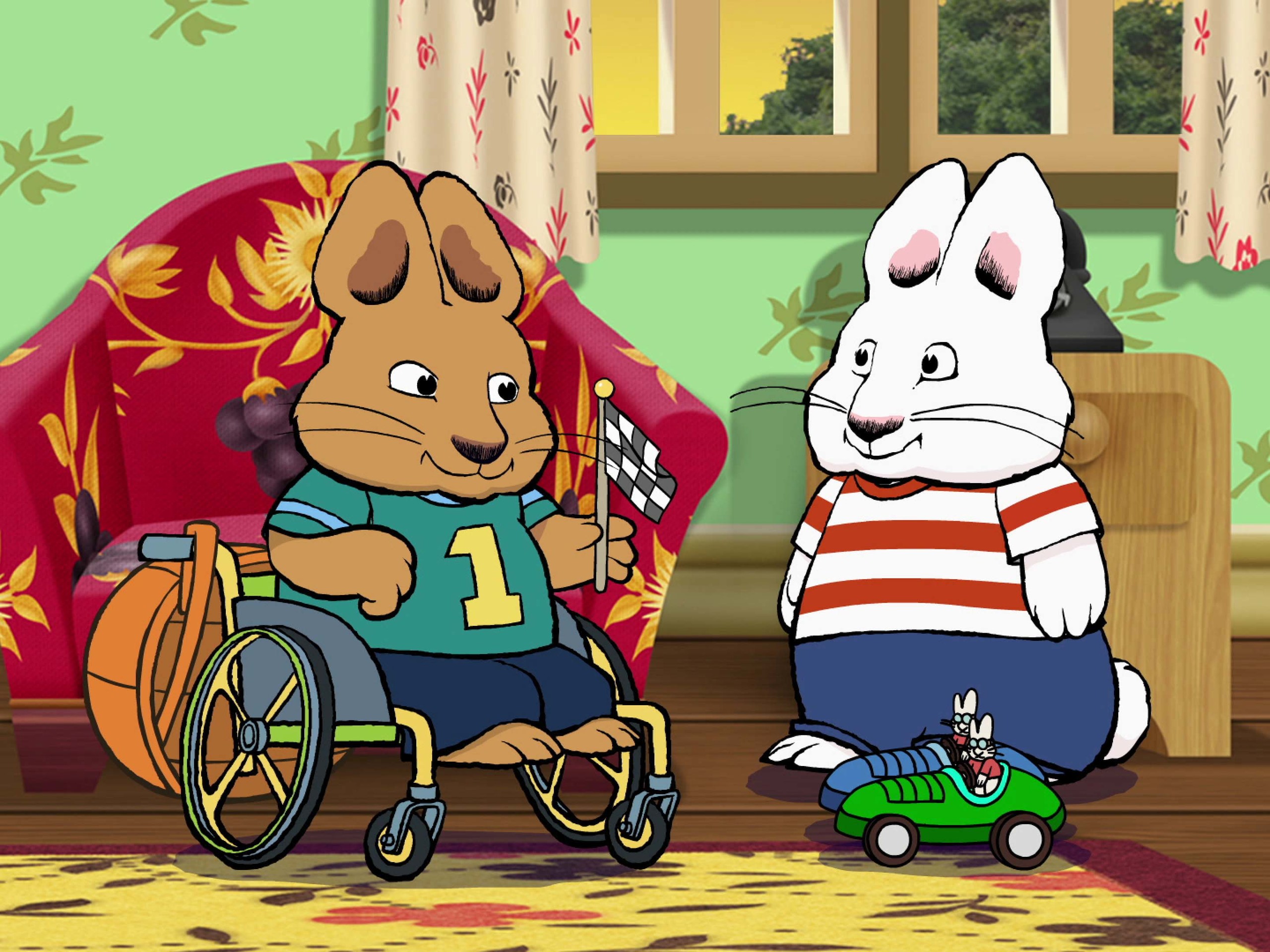
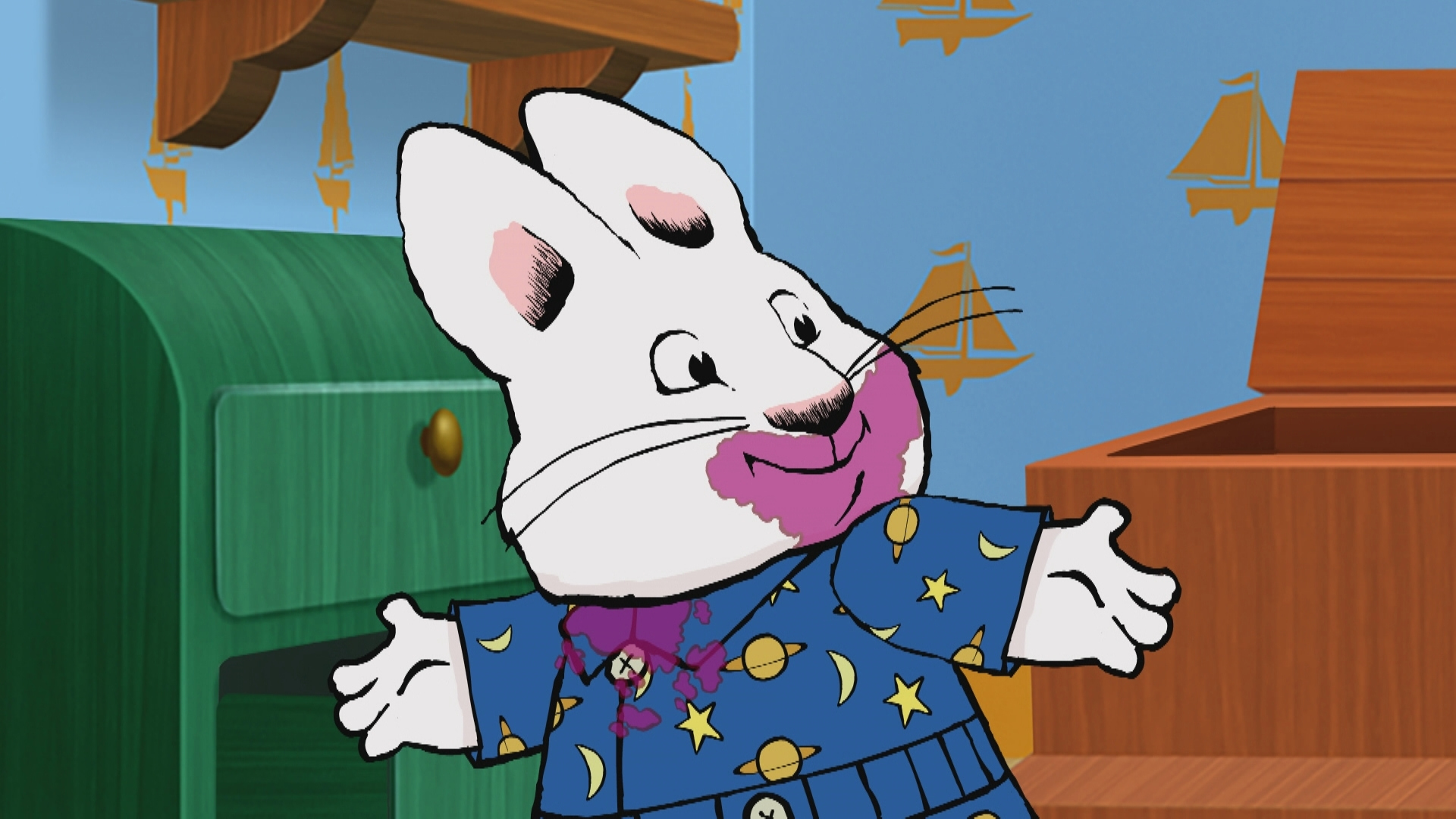
Why Max Didn’t Talk in Max and Ruby: The Creative and Developmental Reasons
In the early seasons of the animated series Max & Ruby, Max does not speak in full sentences because he is a three-year-old toddler navigating the world through limited verbal communication. This was a deliberate creative choice by cre...
In the early seasons of the animated series Max & Ruby, Max does not speak in full sentences because he is a three-year-old toddler navigating the world through limited verbal communication. This was a deliberate creative choice by creator Rosemary Wells to reflect real-world early childhood development and to emphasize the unique, often non-verbal dynamic between younger and older siblings.
Contents
The mystery of Max’s relative silence has sparked decades of viewer curiosity, fan theories, and eventually, significant changes in the show’s production. To understand why Max was originally a rabbit of few words, we must look at the intersection of children’s literature, developmental psychology, and the evolution of the television series itself.
The Creative Vision of Rosemary Wells
The foundation of Max & Ruby lies in the book series by Rosemary Wells, which debuted in the late 1970s. Wells, an acclaimed author and illustrator, designed Max to be the quintessential toddler. In the world of children's literature, characters often serve as mirrors for the target audience. For Wells, it was vital that Max behaved and communicated exactly like a real three-year-old would.
Reflecting the Toddler Experience
In the original books and the first five seasons of the television show, Max typically speaks only one word at a time. This word is usually the core of his desire or observation—such as "Rocket," "Juice," or "Hungry." This narrative technique is known as "telegraphic speech," a real stage in human language acquisition where children omit grammatical markers and focus entirely on content words.
By limiting Max's vocabulary, Wells forced the audience to pay attention to Max’s actions and his cleverness. While Ruby, his older sister, would often dominate the conversation with rules, instructions, and elaborate plans, Max’s single-word interjections served as the "punchline" or the ultimate solution to the episode's conflict. This created a comedic and relatable power dynamic where the silent, younger sibling often understood the situation better than the talkative older one.
Avoiding the "Preachy" Tone
Wells has often stated in interviews that she wanted to avoid the overly didactic or "preachy" tone found in many children’s programs. By having a protagonist who doesn't talk much, the show avoids lecturing the audience. Instead, the story is told through visual cues and situational irony. Max’s silence wasn't a deficit; it was his superpower. It allowed him to be a "doer" rather than a "talker," which deeply resonated with preschool-aged children who often feel unheard or overwhelmed by adult-like instructions.
Developmental Psychology: The Science of Max’s Silence
From an educational perspective, the decision to keep Max mostly non-verbal in the early years aligned with Piagetian stages of development. As of 2026, child development experts still cite Max & Ruby as a rare example of a show that accurately portrays the "pre-operational" stage of development without rushing the character into artificial maturity.
Language Acquisition Stages
Children typically go through several stages of speech:
- Holophrastic Stage: One-word sentences where a single word represents a complex thought.
- Two-Word Stage: Beginning to combine nouns and verbs.
- Telegraphic Stage: Max’s primary mode in seasons 1–5, where he uses just enough words to get his point across.
By keeping Max in the telegraphic stage, the show’s original producers at Nelvana ensured that the youngest viewers could identify with him. If Max spoke in full, complex sentences, he would essentially be another "Ruby," and the central conflict of the show—the misunderstanding between a toddler’s logic and an older child’s logic—would vanish.
The Power of Observation
Because Max didn't talk, he was an observer. The show encouraged "active viewing" because children had to watch Max’s facial expressions and body language to understand his motives. This promoted emotional intelligence (EQ) in viewers, teaching them to read social cues that aren't explicitly stated in dialogue.
The Great Shift: Why Max Started Talking in Later Seasons
If Max’s silence was so intentional, why did he eventually start talking? Starting in Season 6 (which premiered around 2016), the show underwent a significant transformation. Not only did the animation style shift slightly, but Max began speaking in full, grammatically correct sentences.
Aging Up the Character
The primary reason for this change was the natural progression of the series. To keep the show fresh for new generations of viewers and to allow for more complex storylines, the producers decided to "age up" the characters slightly. In the later seasons, Max is portrayed more as a preschooler who is ready for school rather than a toddler who is just learning to navigate his backyard.
Changes in Voice Acting and Production
The change in Max’s verbal ability coincided with shifts in the production team. When the series moved from its original run to the later seasons produced by Nelvana in association with Atomic Cartoons, the creative direction shifted toward a more traditional dialogue-driven format. This era also saw the introduction of Max and Ruby’s parents as regular on-screen characters, whereas previously they had only appeared in photographs or were referenced off-screen.
The voice actors also changed over the decades. In the early seasons, Max was voiced by Billy Rosemberg, whose performance was defined by the emotive delivery of single words. In later seasons, actors like Gavin MacIver-Wright took over, providing a more standard, talkative preschooler persona.
| Feature | Early Seasons (1–5) | Later Seasons (6–7+) |
|---|---|---|
| Max's Speech | One-word utterances (Telegraphic) | Full, fluent sentences |
| Primary Focus | Visual humor and sibling dynamics | Narrative-driven adventures |
| Parents' Presence | Implied (Portraits, off-screen) | Active on-screen characters |
| Max's Age | 3 years old (Toddler) | 4–5 years old (Preschooler) |
| Creative Goal | Mirroring toddler development | Expanding storytelling scope |
Debunking Common Fan Theories and Myths
The lack of speech from Max, combined with the absence of parents in the early seasons, led to a variety of "creepypasta" and "dark" fan theories on the internet. In 2026, these theories still circulate in nostalgia forums, but they are consistently debunked by official sources.
The "Trauma" Theory
One popular theory suggested that Max was selectively mute due to trauma or that he had a developmental disability that the show didn't name. However, Rosemary Wells and the show’s producers have always maintained that Max is a neurotypical child who is simply at a younger developmental stage than his sister. His "silence" was a sign of his age, not a symptom of a condition.
The "Invisible Parents" Mystery
For years, fans joked that Max and Ruby were orphans living alone, which contributed to Max’s supposed "social withdrawal." Wells eventually addressed this, explaining that she left the parents out of the early books because she wanted to showcase a world where children solve their own problems without adult intervention. "We don't see the parents because children find them boring," Wells famously noted. The eventual appearance of the parents in Season 6 was a production decision to ground the show in a more traditional family setting, not a "reveal" that they had finally come home.
Technical Production: Writing for a Near-Silent Character
Writing a script for a character who doesn't talk is significantly more difficult than writing standard dialogue. The writers of the early seasons of Max & Ruby had to rely on a technique called "visual storytelling."
Scripting the "One Word"
Each episode was structured around Max’s single word. If Max’s word was "Ice cream," every action he took had to lead the audience to understand why he wanted ice cream, even while Ruby was trying to get him to do something completely different, like clean his room. The "One Word" rule acted as a narrative anchor. It provided the "set-up" and the "payoff" for the episode’s internal logic.
Sound Design and Animation
Because Max didn't speak, the sound design and animation had to be incredibly precise. Max’s sighs, giggles, and the specific ways he moved his ears were used to convey a wide range of emotions. This required a high level of coordination between the storyboard artists and the voice directors. The success of the show’s first five seasons is a testament to the idea that communication is 90% non-verbal.
The Legacy of Max’s Silence in 2026
Looking back at the series from the perspective of 2026, Max & Ruby remains a landmark in children’s media. While the later seasons where Max talks are successful in their own right, the original "silent Max" era is often remembered more fondly by critics and developmental educators.
The show proved that you don't need a lot of dialogue to tell a compelling story for children. It respected the intelligence of its audience by allowing them to "fill in the blanks" of Max’s thoughts. In an era where many children's shows are fast-paced and loud, the quiet, deliberate pace of early Max & Ruby stands out as a masterclass in narrative economy.
FAQ
Does Max ever talk in the later seasons?
Yes. Starting in Season 6, Max begins speaking in full sentences. This change reflects the character "growing up" and a shift in the show’s creative direction to allow for more dialogue-heavy plots.
Why were the parents missing in the early seasons?
Creator Rosemary Wells deliberately excluded the parents to emphasize the sibling relationship and to show children navigating the world independently. They were always part of the family (seen in photos), but they didn't appear on screen until the later seasons.
Is Max autistic or non-verbal?
No, according to the creator and producers, Max is not intended to be portrayed as having a disability. His limited speech in the early seasons is purely a reflection of his developmental age (three years old) and a stylistic choice for the show.
Who voiced Max when he didn't talk much?
In the most famous early seasons, Max was voiced by Billy Rosemberg. His performance was crucial in conveying Max's personality through singular words and vocalizations like grunts or laughs.
Why did the show change so much in Season 6?
The changes in Season 6, including Max’s speech and the appearance of the parents, were part of a "soft reboot" intended to modernize the series and appeal to a slightly older preschool demographic that prefers character-driven dialogue.
Practical Recommendation for Parents and Educators
If you are using Max & Ruby as an educational tool for young children, consider starting with the first five seasons. The limited dialogue provides an excellent opportunity to ask your child, "What do you think Max is thinking?" or "What does Max want?" This encourages children to practice inference and empathy. As the child grows older and their own language skills develop, transitioning to the later seasons can help them understand more complex sentence structures and social interactions.
Image Gallery