How to Build a Balanced Meal Plan with Rice
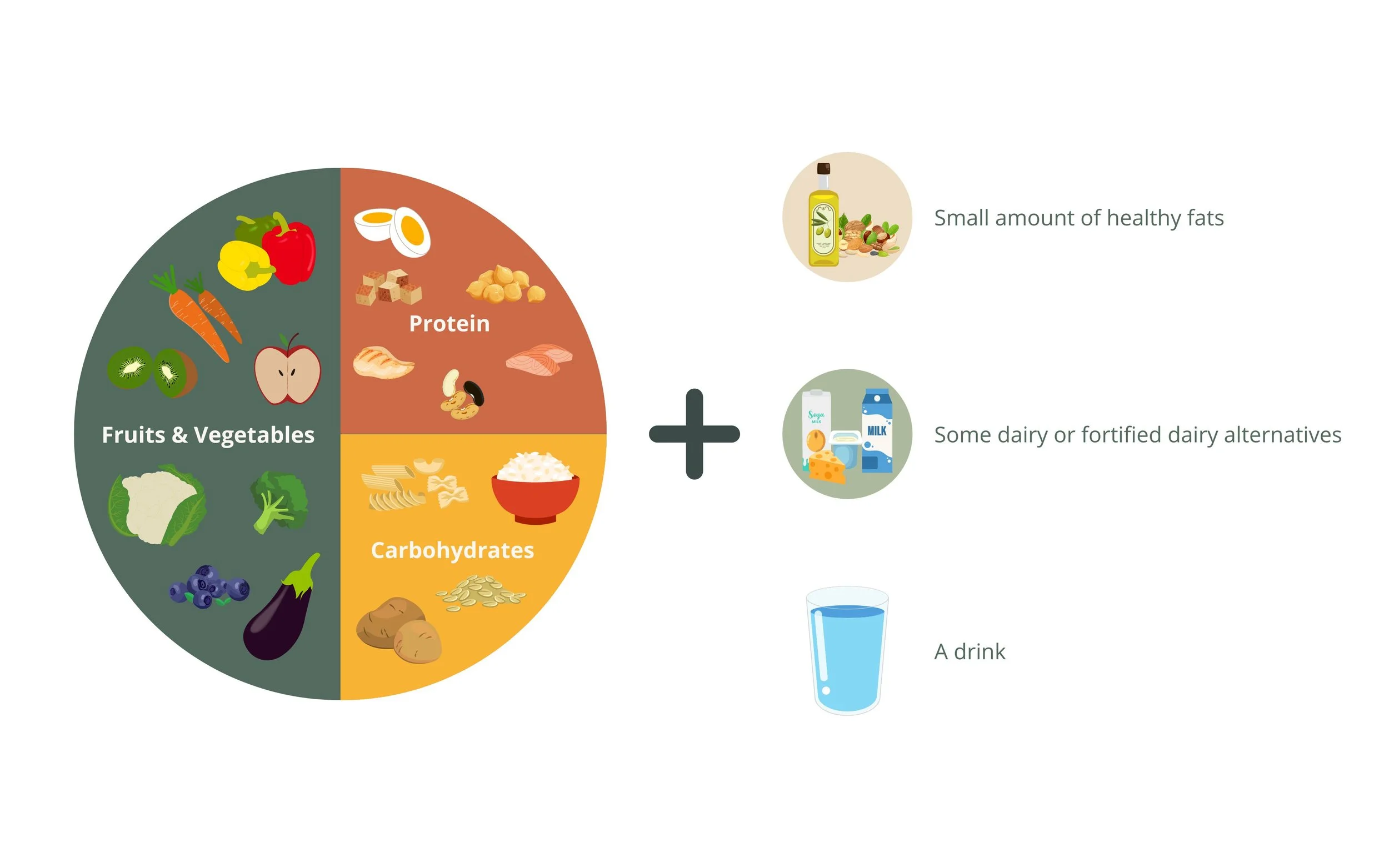
To build a balanced meal plan with rice, utilize the "Plate Method": fill one-quarter of your plate with rice, one-quarter with a lean protein source, and the remaining half with non-starchy vegetables. Prioritize whole-grain varieties...
To build a balanced meal plan with rice, utilize the "Plate Method": fill one-quarter of your plate with rice, one-quarter with a lean protein source, and the remaining half with non-starchy vegetables. Prioritize whole-grain varieties like brown or black rice for fiber and pair them with healthy fats to ensure sustained energy and nutrient absorption.
Contents
Rice is a dietary cornerstone for more than half of the world's population. As we navigate the nutritional landscape of 2026, the focus has shifted from "carb-avoidance" to "carb-optimization." Rice, when treated as a foundational element rather than a filler, provides essential glucose for brain function and muscle recovery. However, the key to a successful meal plan lies in the synergy between rice and other food groups to prevent blood sugar spikes and maximize satiety.
Understanding the Nutritional Profile of Different Rice Varieties
Not all rice is created equal. The variety you choose dictates the fiber content, glycemic index (GI), and micronutrient density of your meal plan. In 2026, nutritional science emphasizes the importance of the "whole food" matrix, where the bran and germ of the grain provide more than just calories.
- Brown Rice: This is a whole grain where only the outermost layer (the husk) is removed. It retains the bran and germ, which are rich in magnesium, phosphorus, and B vitamins. Its high fiber content slows digestion, making it a staple for long-term energy.
- White Rice: The bran and germ are removed during milling. While it has a higher GI, it is easier to digest and serves as an excellent immediate energy source for athletes. When building a plan, white rice must be paired with high-fiber vegetables to mitigate its impact on blood glucose.
- Black (Forbidden) Rice: This variety contains high levels of anthocyanins—the same antioxidants found in blueberries. It offers a nutty flavor and a superior nutritional profile, including more protein than white or brown varieties.
- Wild Rice: Technically a grass seed, wild rice is exceptionally high in protein and fiber. It is an excellent choice for those looking to increase their amino acid intake while keeping caloric density lower.
- Parboiled Rice: This rice is processed by steaming it under pressure before milling. This forces the nutrients from the bran into the endosperm, making it nutritionally superior to standard white rice while maintaining a similar texture.
The Mathematical Framework: The Plate Method for Rice
The most effective way to ensure a balanced meal is to follow a visual and structural framework. This prevents the common mistake of "rice-heavy" meals that lead to lethargy.
The 25-25-50 Rule
For a standard 2026 health-optimized meal, the proportions should be strictly managed:
- 25% Complex Carbohydrates (Rice): A standard serving is usually 1/2 to 1 cup of cooked rice. This provides roughly 22–45 grams of carbohydrates.
- 25% Lean Protein: This includes poultry, fish, tofu, tempeh, or lean beef. Aim for 20–30 grams of protein per meal to trigger muscle protein synthesis and promote fullness.
- 50% Non-Starchy Vegetables: This is the most critical component. Broccoli, spinach, peppers, zucchini, and bok choy provide the bulk and fiber necessary to slow the absorption of the rice's glucose.
Incorporating Healthy Fats
While not a "quarter" of the plate, healthy fats are the "glue" of a balanced meal plan. They assist in the absorption of fat-soluble vitamins (A, D, E, and K) found in your vegetables. A thumb-sized portion of avocado, a tablespoon of olive oil, or a sprinkling of sesame seeds is sufficient.
Strategic Macronutrient Pairings
To build a meal plan that works for various goals—be it weight management, muscle gain, or general health—you must understand how rice interacts with other macronutrients.
Rice and Legumes: The Complete Protein
One of the most famous pairings in human history is rice and beans. Individually, most plant-based proteins are "incomplete," meaning they lack one or more essential amino acids. Rice is low in lysine but high in methionine. Beans are high in lysine but low in methionine. Together, they form a complete protein profile, comparable to animal protein. In a 2026 vegetarian or vegan meal plan, this pairing is foundational.
Managing the Glycemic Load
The Glycemic Load (GL) is a more accurate measure of how a food affects blood sugar than the Glycemic Index alone because it accounts for serving size. You can lower the GL of a rice-based meal by:
- Adding Acidity: A squeeze of lime or a splash of rice vinegar slows gastric emptying.
- The Cooling Effect (Resistant Starch): When rice is cooked and then cooled in the refrigerator for 24 hours, a portion of its starch converts into resistant starch. This type of starch resists digestion in the small intestine and acts as a prebiotic for gut bacteria. Even after reheating, the resistant starch content remains higher than in freshly cooked rice, significantly lowering the caloric impact and insulin response.
Nutritional Comparison of Rice Bases (per 1 cup cooked)
| Rice Type | Calories | Fiber (g) | Protein (g) | Glycemic Index | Key Benefit |
|---|---|---|---|---|---|
| White Rice | 205 | 0.6 | 4.2 | High (70+) | Easy digestion, quick energy |
| Brown Rice | 218 | 3.5 | 5.0 | Medium (50-55) | High magnesium and B6 |
| Black Rice | 200 | 4.0 | 6.0 | Low (42-45) | Anthocyanin antioxidants |
| Wild Rice | 166 | 3.0 | 6.5 | Low (45) | Highest protein-to-carb ratio |
| Basmati (White) | 210 | 0.7 | 4.4 | Medium (58) | Lower GI than short-grain white |
Step-by-Step Guide to Weekly Meal Planning
Building a meal plan requires a systematic approach to ensure variety and prevent "palate fatigue."
1. Assessment of Caloric Needs
Before cooking, determine your daily energy expenditure. A sedentary individual may only require two servings of rice per day, while an active individual or an athlete may require four or more.
2. Batch Cooking and Diversity
Cooking rice daily is inefficient. Batch-cook two different varieties on a Sunday—perhaps a pot of brown rice for lunches and a pot of jasmine rice for dinners.
3. Flavor Profiling by Region
To keep the plan interesting, rotate your flavor profiles:
- Mediterranean: Brown rice with grilled chicken, chickpeas, cucumber, feta, and lemon-tahini dressing.
- East Asian: Jasmine rice with steamed fish, ginger, garlic, bok choy, and a splash of low-sodium soy sauce.
- Latin American: Rice and black beans with lime-cilantro zest, grilled peppers, and avocado.
4. Portioning for Portability
Use airtight glass containers. Glass is preferable in 2026 for its lack of chemical leaching during reheating. Layer your vegetables on the bottom (to keep them crisp), followed by the rice and protein.
Critical Food Safety: The Bacillus Cereus Risk
A meal plan involving rice must address the specific safety concerns of storing cooked grains. Bacillus cereus is a bacterium that produces toxins which are not always destroyed by heat.
- The Two-Hour Rule: Cooked rice should never sit at room temperature for more than two hours. Once steam has stopped rising, it should be moved to the refrigerator.
- Reheating: Rice should only be reheated once. Repeatedly heating and cooling rice increases the risk of bacterial growth. When reheating, ensure the internal temperature reaches at least 165°F (74°C).
- Storage Duration: For optimal safety and texture, cooked rice should be consumed within 3 to 4 days of refrigeration. If you need it to last longer, rice freezes exceptionally well in portioned bags.
Frequently Asked Questions
Does rinsing rice remove all the nutrients?
Rinsing rice primarily removes excess surface starch, which prevents the rice from becoming overly sticky. While it may remove a small amount of water-soluble B vitamins in enriched white rice, the benefit of removing potential contaminants like arsenic and improving texture usually outweighs the minor nutrient loss. In 2026, it is standard practice to rinse rice until the water runs clear.
Can I eat rice every day and still lose weight?
Yes, weight loss is governed by a caloric deficit. Rice provides a high volume of food for relatively few calories when compared to processed snacks. The key is portion control and ensuring the rice is paired with high-fiber vegetables that promote satiety.
Is arsenic in rice a major concern in 2026?
Arsenic is naturally occurring in the soil and is absorbed more easily by rice than other grains. To minimize exposure, vary your grain intake (don't rely solely on rice), rinse your rice thoroughly, and consider cooking rice like pasta—in a large pot of excess water that is drained off after the rice is tender.
Which rice is best for gut health?
Black and brown rice are superior for gut health due to their fiber content. Additionally, using the "cool and reheat" method to increase resistant starch provides a powerful prebiotic effect that feeds beneficial Bifidobacteria in the gut.
Is cauliflower rice a valid substitute in a meal plan?
Cauliflower rice is an excellent vegetable-based alternative that mimics the texture of rice with roughly 1/10th of the carbohydrates. While it doesn't provide the same energy density, it is a perfect tool for "volume eating" or for those on specific low-carbohydrate protocols.
Final Recommendation for a Balanced Plan
To achieve the best results, treat rice as a delivery vehicle for nutrients rather than just a side dish. Start your week by selecting three different proteins and five different vegetables. By rotating these around your choice of rice, you create a diverse nutritional profile that prevents deficiencies. Always prioritize the "vegetable-first" approach—by filling half your container with greens before adding the rice, you naturally regulate your portions and ensure your meal plan remains balanced, sustainable, and health-forward throughout 2026.
Image Gallery