How to Fill Out One Form for Multiple Life Insurance Quotes: A Strategic Guide
Filling out a single application form to obtain multiple life insurance quotes is an efficient way to streamline the shopping process, allowing you to compare coverage options, premium costs, and policy terms from various providers sim...
Filling out a single application form to obtain multiple life insurance quotes is an efficient way to streamline the shopping process, allowing you to compare coverage options, premium costs, and policy terms from various providers simultaneously. By providing your personal, financial, and health-related data once through a centralized digital aggregator or independent brokerage portal, you can bypass the redundancy of repetitive data entry while gaining a broader perspective on the current marketplace.
Contents
The Mechanism of Centralized Insurance Aggregation
When you use a "single-form" platform, you are typically interacting with one of two types of entities: an insurance lead aggregator or an independent insurance agency that utilizes proprietary comparative rating software.
Aggregators operate by collecting your data—such as age, height, weight, tobacco use, and medical history—and distributing it to a network of participating insurance carriers. The core advantage here is the reduction of administrative friction. Instead of navigating five different websites and entering your Social Security number or medical history repeatedly, you perform the task once. The platform then translates your input into the standardized formats required by the underwriting engines of different insurers, providing you with a side-by-side snapshot of potential premiums.
Step-by-Step Guide to the Application Process
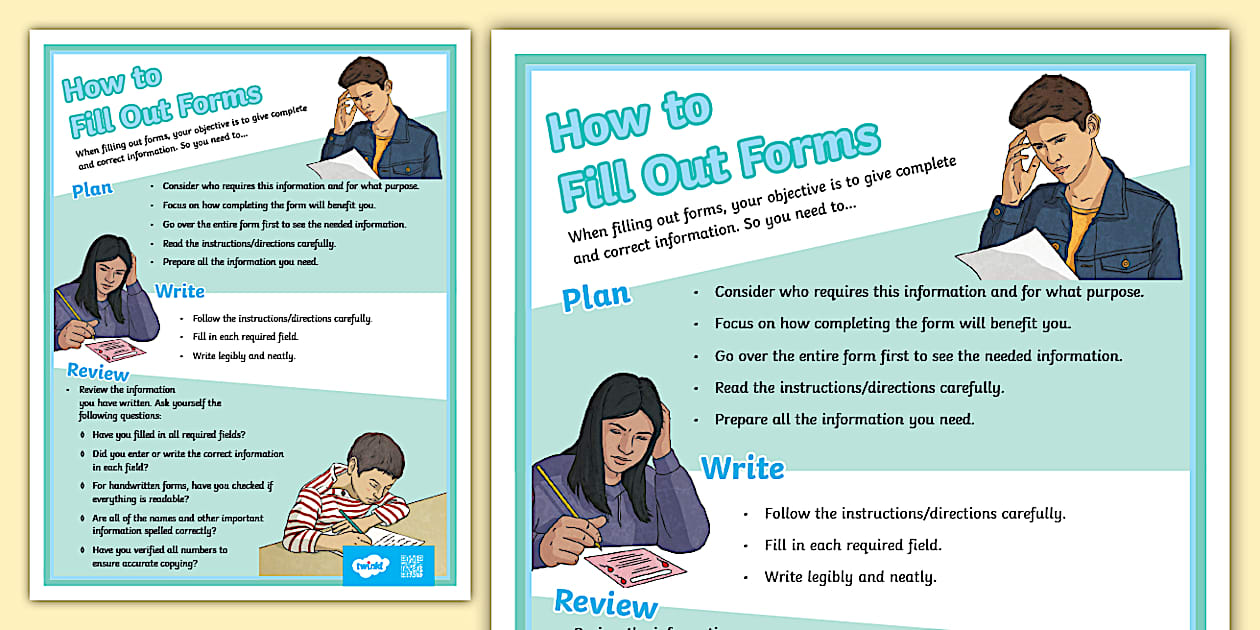
To maximize the accuracy of the quotes generated, you must treat the single form with the same level of seriousness as a formal insurance application. Follow this workflow to ensure your results reflect reality rather than optimistic estimates.
- Gather Necessary Documentation: Before initiating the form, assemble your basic personal information, including your full legal name, date of birth, and driver’s license number. You will also need a clear summary of your health history, including any chronic conditions or major surgeries within the last ten years, and a list of current prescription medications.
- Determine Coverage Needs: Have a target death benefit amount in mind (e.g., $500,000 or $1,000,000). Knowing your desired policy length—typically 10, 20, or 30 years for term life insurance—is essential, as these variables drastically change the quoted premium.
- Complete the Digital Questionnaire: Fill out the portal’s form. Be precise regarding "height and weight" and "tobacco usage." These are high-impact variables in underwriting. If you provide inaccurate data here, the final premiums offered by the carriers after formal underwriting will likely be higher than the initial "quoted" estimates.
- Review the Preliminary Results: The system will display a list of carriers and estimated monthly or annual premiums. Pay attention to the "estimated underwriting class," which indicates whether you are being quoted at a "Preferred," "Standard," or "Substandard" rate.
- Verify and Consult: Once you identify a promising quote, select the provider to move forward. At this stage, a licensed agent or the carrier’s internal team will verify your data.
Comparison Table: Understanding Quote Factors
| Variable | Impact on Premium | Accuracy Requirement |
|---|---|---|
| Age | High | Precise (Legal DOB) |
| Tobacco Use | High | Absolute (Requires honesty) |
| Health History | Moderate to High | High (Disclose chronic issues) |
| Hazardous Hobbies | High | Moderate (Disclose if applicable) |
| Coverage Amount | Moderate | Estimated |
| Policy Term | Moderate | Estimated |
Accuracy and Underwriting Realities
It is critical to distinguish between a "quote" and an "offer." A quote provided through an online form is generally an estimate based on the information you have provided. It is not a legally binding contract. Life insurance is a financial product that relies on medical underwriting. If you indicate on your form that you have "excellent health," but your medical records show a diagnosis of hypertension or high cholesterol, the insurance company will adjust your premium upward during the formal application phase.
To avoid disappointment, be conservative in your self-assessment. If you are uncertain about a medical diagnosis, indicate it as a possibility or clarify it with the agent during the follow-up call. Providing inaccurate information at the start can lead to a "decline" later in the process, which stays in your file within the Medical Information Bureau (MIB), potentially making it harder to get coverage elsewhere.
Privacy and Data Security Considerations
When you enter sensitive data into a web form, you are sharing your PII (Personally Identifiable Information) with a third party. Before submitting the form, confirm the website’s privacy policy. Look for:
- Encryption Standards: Ensure the browser URL displays a padlock icon indicating an active SSL/TLS certificate.
- Data Sharing Disclosures: Verify whether the aggregator sells your data to third-party telemarketers or limits distribution to the specific insurance carriers you are comparing.
- Opt-out Provisions: Check for options to limit future marketing communications. Reputable brokerage sites will offer a clear way to opt out of non-essential contact.
Frequently Asked Questions
Does using a multi-quote form affect my credit score? Generally, no. Initial quotes are based on underwriting data (age, health, lifestyle). Unless you are applying for a specific product that requires a formal financial credit check, the quote process itself is a "soft" inquiry or no inquiry at all.
Will I receive many phone calls after submitting the form? This depends on the platform. Many aggregators function as "lead generation" sites. If you use a free aggregator, your data may be shared with several agents. If you use an independent brokerage firm’s portal, you will typically only be contacted by that firm’s licensed representatives.
Is it better to use an agent or a DIY website? For simple term life insurance, a DIY form can save time. For complex cases involving estate planning, business insurance, or pre-existing health conditions, a human agent is superior because they can "shop" your specific medical profile to multiple underwriters before you formally apply.
How often should I update my quotes? If your health status changes, you move, or you start a new job, your risk profile may shift. Review your life insurance needs every three to five years or after any significant life event.
Can I get quotes for permanent insurance through these forms? While most online forms are optimized for "term" life insurance, many platforms can provide quotes for Universal or Whole Life policies if you check the appropriate box. However, these products are more complex and often require a discussion with a financial advisor.
What happens if I receive a "decline" from one carrier? If a carrier declines your application, it does not mean you are uninsurable. Different companies have different "risk appetites." An independent agent who works with multiple carriers can help you pivot to an insurer that is more favorable toward your specific medical history.
Strategic Next Steps
If you are prepared to move forward, identify one or two independent brokerage sites that represent a wide array of A-rated carriers. Avoid platforms that focus on only one insurance company, as they cannot offer a true comparison. Once you complete your form and receive your initial list of quotes, do not simply click the cheapest option. Look at the financial rating of the insurance company (often provided via AM Best or similar ratings agencies) and examine the sample policy contract to ensure it includes the "riders" or provisions you might need, such as an Accelerated Death Benefit or a conversion option.
Finally, engage with a licensed professional to review your top two choices. Their ability to advocate for your profile during the underwriting process is often the deciding factor in securing the most favorable premium rate.
Image Gallery