A Reflection on Luke 23:35–43 for Today: Finding Meaning in the Cross
Luke 23:35–43 offers a profound meditation on the nature of authority, suffering, and redemption at the precise moment of Jesus’ crucifixion. These verses contrast the mockery of the crowds and leaders with the humble, transformative e...
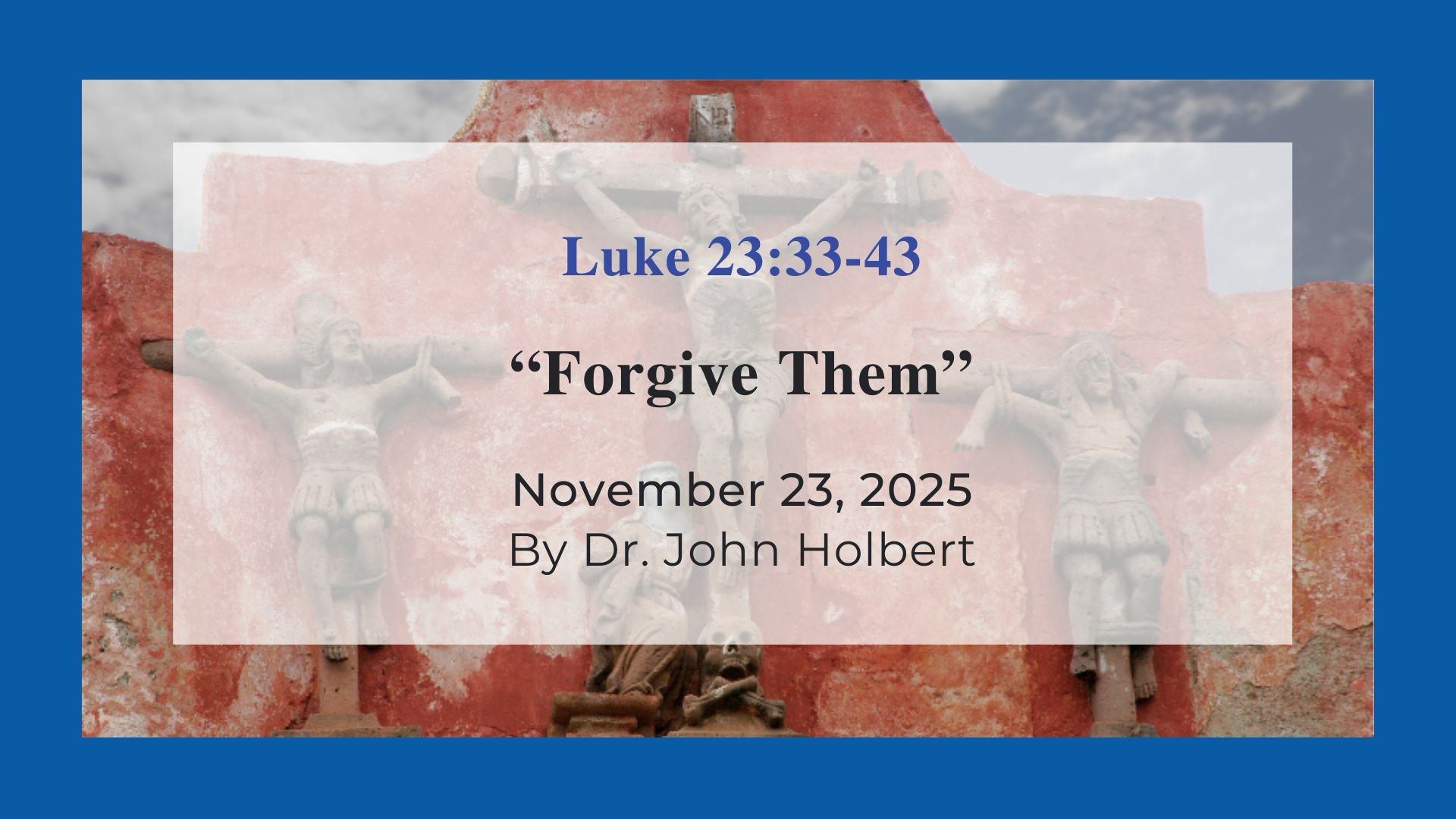
Luke 23:35–43 offers a profound meditation on the nature of authority, suffering, and redemption at the precise moment of Jesus’ crucifixion. These verses contrast the mockery of the crowds and leaders with the humble, transformative encounter between Jesus and the criminal crucified beside him. For the reader today, this passage serves as an invitation to look past superficial power and recognize the enduring reality of grace in the face of human brokenness.
Contents
Historical Context of the Crucifixion Narrative
To understand the gravity of Luke 23:35–43, it is necessary to recognize the political and religious climate of first-century Judea. Crucifixion was a Roman instrument of state terror, designed not only to execute but to humiliate and discourage rebellion. When the rulers sneer at Jesus, saying, "He saved others; let him save himself if he is the Messiah of God, his chosen one," they are invoking a theology of power that demands physical triumph as proof of divine favor.
The soldiers, too, participate in this mockery, offering sour wine and challenging Jesus to "save himself" if he is the King of the Jews. In this context, the entire environment is designed to strip the victim of dignity and status. The primary search intent of those reflecting on this passage often stems from the tension between this outward display of defeat and the internal, spiritual victory that the narrative posits. By holding these two realities together, the author of Luke suggests that the "Kingship" of Jesus operates on an entirely different plane than the empires of men.
The Contrast of the Two Criminals
The dialogue between the two criminals provides the narrative pivot of the passage. While one joins the chorus of derision—echoing the rulers' demand for a self-serving miracle—the other undergoes a sudden, radical shift in perception. This second criminal, often referred to in tradition as the "penitent thief," demonstrates three distinct stages of spiritual awareness:
- Reverence: He rebukes his companion, noting that they are subject to the same condemnation, yet he recognizes Jesus is "doing nothing wrong."
- Acknowledgment: He identifies his own guilt and the justice of his punishment, contrasting it with the innocence of the man beside him.
- Surrender: He makes a request that defies the logic of the cross: "Jesus, remember me when you come into your kingdom."
For the modern reader, this interaction underscores the idea that true transformation does not require religious credentials or a life of moral perfection. It requires only the humility to recognize one’s own state and the willingness to look toward a source of authority that transcends earthly systems.
Analyzing the "Kingdom" in Luke 23:42
A core component of this reflection is the nature of the "kingdom" the criminal mentions. In 2026, as in previous centuries, the concept of a "kingdom" can feel abstract or distant. In Luke’s gospel, however, the kingdom is not a future state only; it is an active, present reality that breaks into history through the life and death of Jesus.
When Jesus responds, "Truly I tell you, today you will be with me in Paradise," he validates the criminal’s faith in an immediate and personal way. The term "Paradise" (paradeisos) carries connotations of a garden or a place of restoration. By using this language, Jesus reframes the impending death of both men. Instead of being the end of their story, the cross becomes the gate to an intimate restoration with the divine. This is the central promise of the passage: that no one, regardless of the severity of their past, is outside the reach of this reconciliation.
Practical Application for Contemporary Life
Reflecting on this passage in a modern context allows for a re-examination of how we view power and failure. In a world increasingly driven by metrics of success, branding, and self-preservation, the image of Jesus on the cross—stripped of resources, support, and protection—serves as a counter-cultural challenge.
| Aspect | The World's Perspective | The Perspective of Luke 23 |
|---|---|---|
| Power | Measured by control and influence | Found in sacrificial love and truth |
| Failure | A total end to status and value | A space for honesty and transformation |
| Legacy | What we build for ourselves | Being "remembered" in the Kingdom |
| Crisis | A time to save oneself | A time to connect with others/Divine |
Applying these lessons involves several steps for those seeking to incorporate these themes into their daily practice:
- Practicing Radical Humility: Just as the penitent thief acknowledged his status, current reflection encourages an honest assessment of one's own limitations and mistakes rather than defaulting to self-justification.
- Recognizing Hidden Dignity: The passage invites the reader to see value in those whom society might marginalize or condemn.
- Shifting Focus: Moving the goal of daily effort from the pursuit of transient status to the pursuit of enduring, grace-filled relationships.
Common Questions Regarding the Passage
Why did Jesus not save himself? The theological premise of the passage is that Jesus’ refusal to save himself is the ultimate proof of his mission. Saving himself would have aligned him with the coercive power of the Roman Empire; dying for others validates his role as a suffering servant who offers a different kind of kingdom.
What does it mean for us to be "remembered" by Jesus? To be "remembered" in the biblical sense is not merely a mental act of recollection. It is a covenantal term implying action, care, and the establishment of an ongoing, life-giving relationship.
Is this passage about death or about life? While it takes place at the point of death, the reflection is fundamentally about life. It highlights the possibility of experiencing "Paradise"—a state of restoration and peace—even in the midst of difficult, painful, or terminal circumstances.
How can I apply this to my life when I am not facing a literal cross? The "cross" in this metaphor represents any situation where one feels powerless, exposed, or judged. Applying the passage involves responding to these moments not with defensive aggression, but with the same vulnerability and hope for grace that the second criminal expressed.
Navigating Suffering with Perspective
The reflection on Luke 23:35–43 is ultimately about the capacity to choose one’s attitude in the face of inevitable trials. Everyone experiences periods of "crucifixion"—times when circumstances feel beyond their control and the voices around them offer only mockery or cynicism. The text provides a template for resilience. It does not promise that the pain of the cross will vanish, but it guarantees that the individual is not alone in that pain.
By recognizing the humanity and the divine potential in both the suffering and the witness, the reader finds that the narrative of Luke is not merely a historical account of a distant event. It is a living instruction on how to navigate the complexities of human existence. When we encounter our own limits, or when we observe the suffering of others, the dialogue between Jesus and the criminal invites us to set aside the desire to win or to justify ourselves. Instead, it urges us to turn toward the reality of grace, acknowledging our own needs and trusting in a higher purpose that remains active, even in our darkest moments.
Next Steps for Personal Reflection
To carry the significance of this passage forward, consider keeping a personal journal or engaging in a period of silence to address the following:
- Identify a current area of life where you feel the need to "save yourself" or defend your ego.
- Consider how the narrative of the criminal might change your approach to that situation.
- Commit to one act this week that prioritizes grace over status or control, mirroring the radical, unexpected compassion shown on the cross.
Image Gallery