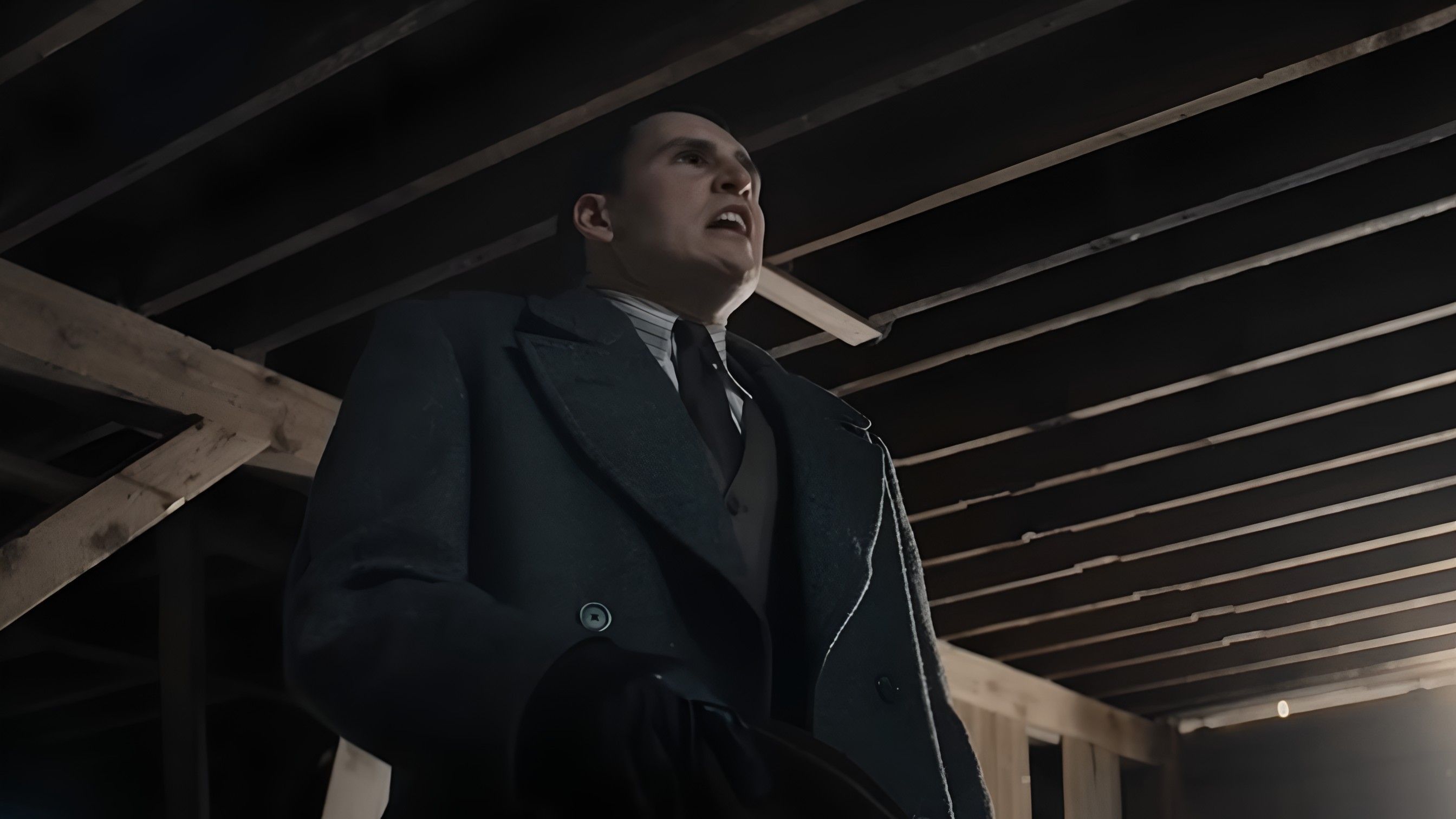
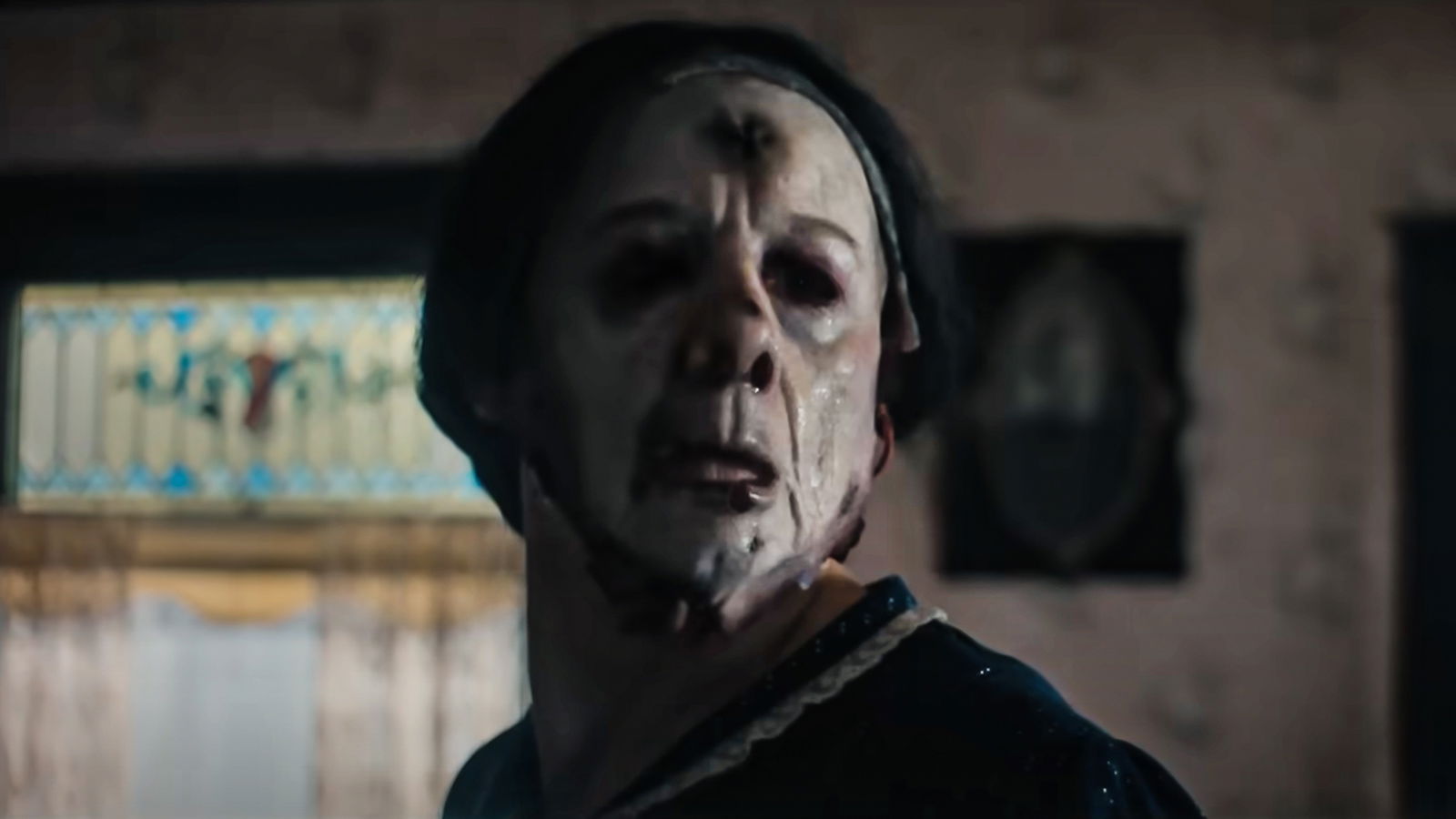
The Ed Gein Babysitter Scene Explained: Truth Behind the Horror Legend
The "Ed Gein babysitter scene" is a frequent point of confusion for true crime enthusiasts and horror fans alike, as Ed Gein never actually killed a babysitter in real life. This specific association is a product of the slasher film ge...
The "Ed Gein babysitter scene" is a frequent point of confusion for true crime enthusiasts and horror fans alike, as Ed Gein never actually killed a babysitter in real life. This specific association is a product of the slasher film genre, which used Gein’s 1957 arrest as the primary inspiration for movies that established the "babysitter in peril" trope, such as Halloween and The Texas Chain Saw Massacre.
Contents
To understand why so many people search for an explanation of a scene that technically doesn't exist in historical records, one must look at the intersection of 1950s American gothic reality and the birth of modern horror cinema. Ed Gein, the "Butcher of Plainfield," became a cultural bogeyman whose real-life atrocities—which involved grave robbing and the creation of "trophies" from human skin—were so unimaginable that they fueled decades of fictionalized scripts.
The Reality of Ed Gein’s Crimes
Before analyzing the "babysitter" connection, it is essential to establish the facts of the Ed Gein case. Edward Theodore Gein was arrested in November 1957 in Plainfield, Wisconsin. Unlike the high-body-count slashers he inspired, Gein was only ever linked to two murders:
- Mary Hogan (1954): A 51-year-old tavern owner.
- Bernice Worden (1957): A 58-year-old hardware store owner.
Gein’s true notoriety came not from the number of his victims, but from what police found inside his farmhouse. He had exhumed the bodies of recently buried middle-aged women who reminded him of his late mother, Augusta. He used their remains to create household items, including chairs upholstered in skin, bowls made from skulls, and a "woman suit" he intended to wear to literally "become" his mother.
Nowhere in the investigative files of the Wisconsin State Crime Lab or the Waushara County Sheriff’s Department is there a mention of a babysitter. Gein’s psychological profile was focused almost exclusively on maternal figures. The "babysitter" is a character archetype of youth and innocence, which fundamentally contradicts the profile of the women Gein targeted.
Why the "Babysitter Scene" is Frequently Searched
The confusion regarding a "babysitter scene" typically stems from three distinct sources in popular culture. As we look back from 2026, these influences have merged in the collective memory of the public.
1. The "Based on a True Story" Marketing of Texas Chain Saw
The 1974 film The Texas Chain Saw Massacre is the most significant culprit. The film’s opening crawl famously suggests that the events are based on a true story. While the character of Leatherface was inspired by Ed Gein’s use of skin masks, the plot involving a group of young adults (who resemble the typical "babysitter" demographic of horror) being hunted in a rural house was entirely fictional. Viewers often conflate the "true story" disclaimer with the specific scenes of young women being tortured, leading to the mistaken belief that Gein hunted young women in similar scenarios.
2. The 2000 Film "Ed Gein" (In the Light of the Moon)
In the year 2000, a biographical horror film titled Ed Gein (starring Steve Railsback) attempted to provide a more "accurate" look at the killer. However, as a film intended for entertainment, it included dramatized sequences of Gein interacting with younger women in the community to build tension. One specific scene involves a young woman who comes to his door, which utilizes the visual language of a "babysitter horror" setup. This cinematic choice was a "meta" nod to the genre Gein helped create, further blurring the lines for audiences.
3. The Proximity to the "Babysitter and the Man Upstairs" Legend
The late 1950s and early 1960s—immediately following Gein’s arrest—saw the explosion of the "The Babysitter and the Man Upstairs" urban legend (the basis for the movie When a Stranger Calls). This urban legend involves a babysitter receiving threatening calls from inside the house. Because this legend gained popularity at the same time the public was reeling from the Gein revelations, the two often became linked in the "scary story" tradition of American folklore.
Comparison: Ed Gein Facts vs. Cinematic Fiction
The following table clarifies the differences between the real-life actions of Ed Gein and the fictional tropes often attributed to him through "babysitter" horror scenes.
| Feature | Real-Life Ed Gein (1957) | Fictionalized "Gein" Tropes |
|---|---|---|
| Primary Victims | Middle-aged/Older women (Mother figures) | Teenagers and young babysitters |
| Victim Selection | Known acquaintances or local shopkeepers | Random travelers or students |
| Primary Activity | Graverobbing and necrophilia | Active stalking and high-speed chases |
| Weapon of Choice | .22 caliber rifle | Chainsaws, butcher knives, or hooks |
| Home Environment | Filthy, cluttered farmhouse in Wisconsin | Elaborate "kill rooms" or industrial basements |
| Psychological Driver | Maternal obsession and psychosis | Pure evil or sadistic pleasure |
The Influence on "Psycho" and the Death of the Babysitter Trope
While Halloween (1978) is the definitive babysitter movie, its DNA is tied directly to Alfred Hitchcock’s Psycho (1960). Robert Bloch, who wrote the novel Psycho, lived only 35 miles away from Plainfield when Gein was arrested. He realized that the "real" monster wasn't a vampire or a werewolf living in a castle, but a quiet man living in a house down the street.
The "babysitter scene" that fans often look for is frequently a misremembered version of the shower scene in Psycho. In this scene, a young woman (Marion Crane) is murdered in a vulnerable state by a man obsessed with his mother. While Marion Crane was not a babysitter, her youth and the "safety of the home/hotel" setting provided the blueprint for the babysitter slashers that followed.
By the time the 1970s arrived, filmmakers realized that the most effective way to terrify a modern audience was to place the "Gein-esque" killer in a suburban setting where a babysitter—the ultimate symbol of domestic responsibility—was left alone.
Forensic and Psychological Context
If we examine the psychological explanation for why Gein didn't target babysitters, we find the answer in his relationship with his mother, Augusta Gein. Augusta was a fanatical, domineering woman who taught Ed that all women (except her) were "vessels of sin."
When she died in 1945, Ed Gein was devastated. His subsequent crimes were an attempt to arrest the grieving process by preserving her presence. He targeted Mary Hogan and Bernice Worden because they shared physical or social characteristics with his mother. A babysitter, typically being an adolescent or a young adult, would not have served Gein’s specific psychological compulsion. In his mind, a young girl was "sinful" or "impure" in a way that didn't align with his maternal fixation.
Common Misconceptions in 2026 True Crime Media
As of 2026, the resurgence of "long-form" true crime documentaries on streaming platforms has attempted to de-mythologize Gein. However, the "babysitter" myth persists because:
- Algorithmic Grouping: Streaming services often group "Ed Gein" documentaries with "Slasher Classics" like Halloween.
- Thumbnail Marketing: Documentaries often use sensationalized imagery of young women looking terrified to garner clicks, even if the content is about Gein’s elderly victims.
- The "Final Girl" Narrative: In horror theory, the "Final Girl" (often a babysitter) is the one who survives the killer. Because Gein is the "father" of these killers, audiences subconsciously project the "Final Girl" vs. "Killer" dynamic onto his real life.
Frequently Asked Questions
Did Ed Gein ever babysit children?
No. There are no verified historical records of Ed Gein being hired as a babysitter. He was a handyman and did odd jobs around Plainfield, but his social isolation and eccentric behavior generally kept him away from childcare roles.
Which movie has the "babysitter scene" most people confuse with Ed Gein?
The scene most commonly confused is the "meat hook" scene in The Texas Chain Saw Massacre (1974). A young woman named Pam enters the house and is caught by Leatherface. Because the film is "inspired" by Gein, many viewers mistakenly believe this specific abduction happened in Plainfield.
Why is Ed Gein called the "Plainfield Ghoul" if he was a murderer?
The term "Ghoul" specifically refers to his habit of robbing graves. In the 1950s, the discovery that a neighbor was digging up bodies was considered even more shocking than the murders themselves. The "Ghoul" moniker stuck because of the "trophies" found in his home.
Is the movie "Psycho" a true story about Ed Gein?
Psycho is a fictional story, but the character of Norman Bates was directly inspired by the news reports of Ed Gein's arrest and his relationship with his mother. The specific events of the movie (the motel, the shower murder) are inventions of author Robert Bloch and director Alfred Hitchcock.
Are there any real "babysitter murders" from the 1950s?
There were several high-profile crimes involving young women during that era, but none were linked to Gein. The association is almost entirely a result of the horror movie industry evolving from Gein's real-life "house of horrors" into the "suburban nightmare" subgenre.
Recommendation for Further Research
To truly understand the "Ed Gein babysitter scene" phenomenon, one should move away from slasher films and look toward primary source material. The book Deviant by Harold Schechter remains the definitive account of the Gein case, providing a factual breakdown that separates the Wisconsin handyman from the Hollywood monsters he inspired. For those interested in how the "babysitter" trope evolved, studying the filmography of John Carpenter and Tobe Hooper provides the missing link between the crimes in Plainfield and the fictional screams of the 1970s.
Image Gallery