How Overweight Life Insurance Works: Navigating Underwriting Guidelines
Securing life insurance when you have a higher Body Mass Index (BMI) involves a process known as risk classification. Insurers use height and weight charts to determine your "build rating," which impacts your eligibility and premium co...
Securing life insurance when you have a higher Body Mass Index (BMI) involves a process known as risk classification. Insurers use height and weight charts to determine your "build rating," which impacts your eligibility and premium costs. By understanding how carriers assess weight-related health risks, you can better prepare for the medical underwriting process and improve your chances of securing affordable coverage.
Contents
The Role of Underwriting in Life Insurance
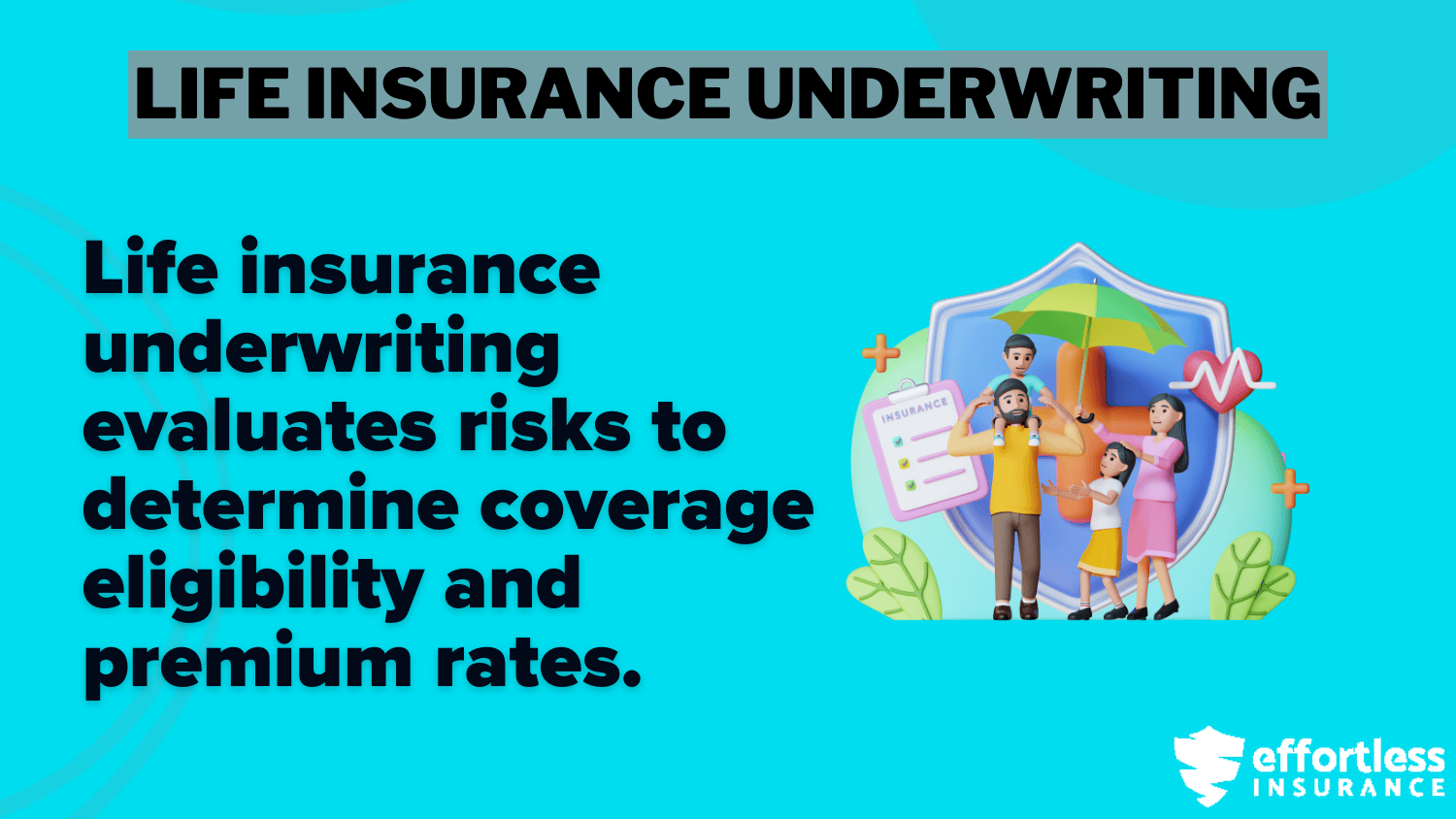
Life insurance underwriting is the process through which an insurance company evaluates your health, lifestyle, and financial background to determine the level of risk you present. When an applicant is overweight, underwriters do not look at weight in a vacuum. Instead, they seek to determine whether that weight is an independent risk factor or if it correlates with underlying chronic conditions such as hypertension, sleep apnea, type 2 diabetes, or elevated cholesterol levels.
Insurance companies generally use standardized mortality tables to predict the life expectancy of applicants. Because statistics suggest that individuals with higher BMI ranges may be more susceptible to cardiovascular disease and other metabolic issues, carriers implement "build tables." These tables act as a baseline for determining if an applicant falls within "preferred," "standard," or "substandard" (table-rated) risk categories.
Understanding Build Tables and BMI
In the insurance industry, a build table is a internal document used by underwriters to match an applicant’s height against their weight. Each company sets its own specific build tables, which means an applicant might be classified as a "Standard" risk at one company but a "Table B" (slightly higher premium) risk at another.
The Mechanism of Risk Classification
- Preferred Plus/Elite: Requires a BMI within a very strict, healthy range, often accompanied by perfect blood pressure and cholesterol metrics.
- Standard: The most common category. It assumes the applicant has an average life expectancy and no significant health complications, even if they are slightly above an "ideal" weight.
- Table Ratings: If your weight exceeds the "Standard" threshold for your height, the insurer may apply a "table rating." This usually increases the premium by a fixed percentage (often 25% per table) to compensate for the additional mortality risk.
- Decline: If the weight is high enough to suggest a severe risk of immediate health complications, or if other health markers are poor, the company may decline the application.
It is important to note that many modern insurers in 2026 are increasingly looking beyond just BMI. A person who carries significant muscle mass may have a high BMI but excellent cardiovascular health. If you are an athlete or heavily built, providing detailed medical records or requesting a "reconsideration" can sometimes help underwriters adjust their assessment.
Factors That Influence Your Insurability
When applying for coverage, the insurer will look at more than just the scale. Your overall health profile determines whether your weight is considered a "stable" risk or an "active" risk.
1. Medical History and Lab Results
During a traditional fully underwritten policy, you will likely undergo a paramedical exam. The blood and urine samples taken are critical. If your weight is high but your blood glucose, A1C levels, liver enzymes, and lipid profiles are within normal ranges, the underwriter is much more likely to offer a better rate. Conversely, if high weight is paired with elevated blood pressure or signs of insulin resistance, the rating will almost certainly be higher.
2. Stability of Weight
Underwriters value consistency. If you have been at your current weight for several years, it is viewed more favorably than a weight that has fluctuated wildly. Significant, recent, unexplained weight loss can also be a red flag, as it may signal an underlying illness. Be prepared to explain the circumstances of any major changes in your health metrics.
3. Presence of Comorbidities
Weight becomes a primary concern when it leads to secondary medical issues. If you have been diagnosed with sleep apnea, for instance, you will need to provide documentation showing that you are using a CPAP machine and that the condition is managed. Active management of health conditions shows the underwriter that you are a responsible policyholder who is mitigating risk.
Comparison of Potential Underwriting Outcomes
The following table illustrates how different build profiles might be categorized by a hypothetical insurance carrier. Note that these are illustrative and vary by specific carrier guidelines.
| Profile Description | Potential Risk Category | Premium Impact |
|---|---|---|
| Ideal weight for height | Preferred Plus | Lowest base premium |
| Mildly overweight, excellent labs | Standard | Base rate |
| Moderately overweight, normal labs | Standard / Table A | 0–25% increase |
| High weight, controlled hypertension | Table B / Table C | 50–75% increase |
| Very high weight, history of diabetes | Table D+ / Decline | 100%+ or declinable |
How to Improve Your Chances of Approval
If you are worried about the impact of your weight on your life insurance application, there are proactive steps you can take to present your best profile to the underwriter.
Gather Comprehensive Records
Before applying, ensure you have a clear picture of your recent medical exams. If your doctor has noted that your weight-related labs are healthy or that your physical activity is high, these notes can be attached to your application. Evidence of consistent exercise and a documented healthy diet can sometimes be used to advocate for a better rating.
Seek "Table Shave" Programs
Some insurance carriers offer "Table Shave" programs. If an underwriter places you in a "Table B" rating due to your build, a table shave program might allow them to "shave" that rating back down to a "Standard" rating if you meet certain other health criteria (such as being a non-smoker or having excellent blood pressure).
Consult an Independent Broker
An independent insurance broker who works with multiple carriers is invaluable in this situation. Because every insurance company has different build tables, an independent agent can "shop" your profile. They know which companies are more lenient toward higher BMI ranges and which companies are stricter. They can also perform a "pre-screen" or "informal inquiry" with a carrier to see how they would view your specific health profile before you submit a formal, permanent application.
Common Mistakes to Avoid
When navigating the application process, transparency is your most powerful tool.
- Under-reporting Weight: Never lie about your weight or height on an application. Insurers use the paramedical exam to verify this data. If you are caught misrepresenting your build, the company may reject your application outright, which will remain in your MIB (Medical Information Bureau) file and make it harder to get coverage elsewhere.
- Ignoring Medical Follow-ups: If you have been advised by a doctor to lose weight or manage a condition, failing to follow that advice can make you look like a higher risk. Conversely, being compliant with medical advice is seen as a sign of lower risk.
- Applying During a Health Crisis: If you have just been diagnosed with a condition related to your weight, it is often better to stabilize your health and lab results for 6–12 months before applying. This allows you to show a period of stability and effective management.
Frequently Asked Questions
Does my life insurance cost more if I lose weight after the policy is issued?
Typically, the rates are locked in at the time of purchase. However, if you lose a significant amount of weight and maintain it for 12–24 months, you can apply for "reconsideration." This allows the insurer to re-evaluate your risk profile, potentially lowering your premiums to reflect your improved health.
Can I get life insurance without a medical exam?
Yes, "no-exam" or "simplified issue" policies exist. However, these policies often have lower coverage limits and higher premiums because the insurer has less data to evaluate. For individuals with higher weight, a fully underwritten policy is often better, as it allows you to present favorable lab results to secure a lower rate than a generic, non-medical plan would offer.
Do insurance companies count muscle mass differently than fat?
They try to, but they rely heavily on BMI. If you are a bodybuilder or an athlete with a high BMI due to muscle, be sure to highlight this to your broker. You may need to provide a professional assessment or additional documentation to help the underwriter move past the automated BMI threshold.
What is the Medical Information Bureau (MIB)?
The MIB is a database used by insurance companies to share information regarding health history. If you are declined for coverage due to build or other health reasons, that information is recorded. It is important to ensure your application is accurate the first time to avoid negative records in this system.
How often do build tables change?
Insurance companies adjust their underwriting guidelines periodically based on new mortality data and competition. By 2026, many major carriers have become more specialized, some opting for "niche" underwriting that is more lenient toward individuals with high BMI but no other significant health issues.
Final Recommendation
If you are concerned about your weight impacting your life insurance application, do not assume you will be denied or charged exorbitant rates. Start by gathering your recent medical lab results and consulting with an independent insurance broker. Ask them to perform a pre-screen with several carriers that are known to be "build-friendly." By documenting your overall health—specifically blood pressure, cholesterol, and blood glucose—you can often overcome a high BMI and secure the protection your family needs at a fair price.
Image Gallery