How Many Cups of Sugar in Sweet Tea: Achieving the Perfect Balance
Standard sweet tea recipes typically require between 1 and 2 cups of sugar per gallon of brewed tea. While the ratio depends heavily on individual preference and regional traditions, this range serves as the culinary baseline for balan...
Standard sweet tea recipes typically require between 1 and 2 cups of sugar per gallon of brewed tea. While the ratio depends heavily on individual preference and regional traditions, this range serves as the culinary baseline for balancing the inherent bitterness of black tea with the sweetness required to qualify as authentic southern-style sweet tea.
Contents
Understanding the Ratios of Sweet Tea
Achieving the correct sweetness in tea is more than a simple matter of taste; it is a question of chemistry and solubility. Black tea, which serves as the primary base for sweet tea, contains tannins. These compounds provide the tea’s characteristic structure and slight astringency, which must be offset by an appropriate amount of sugar.
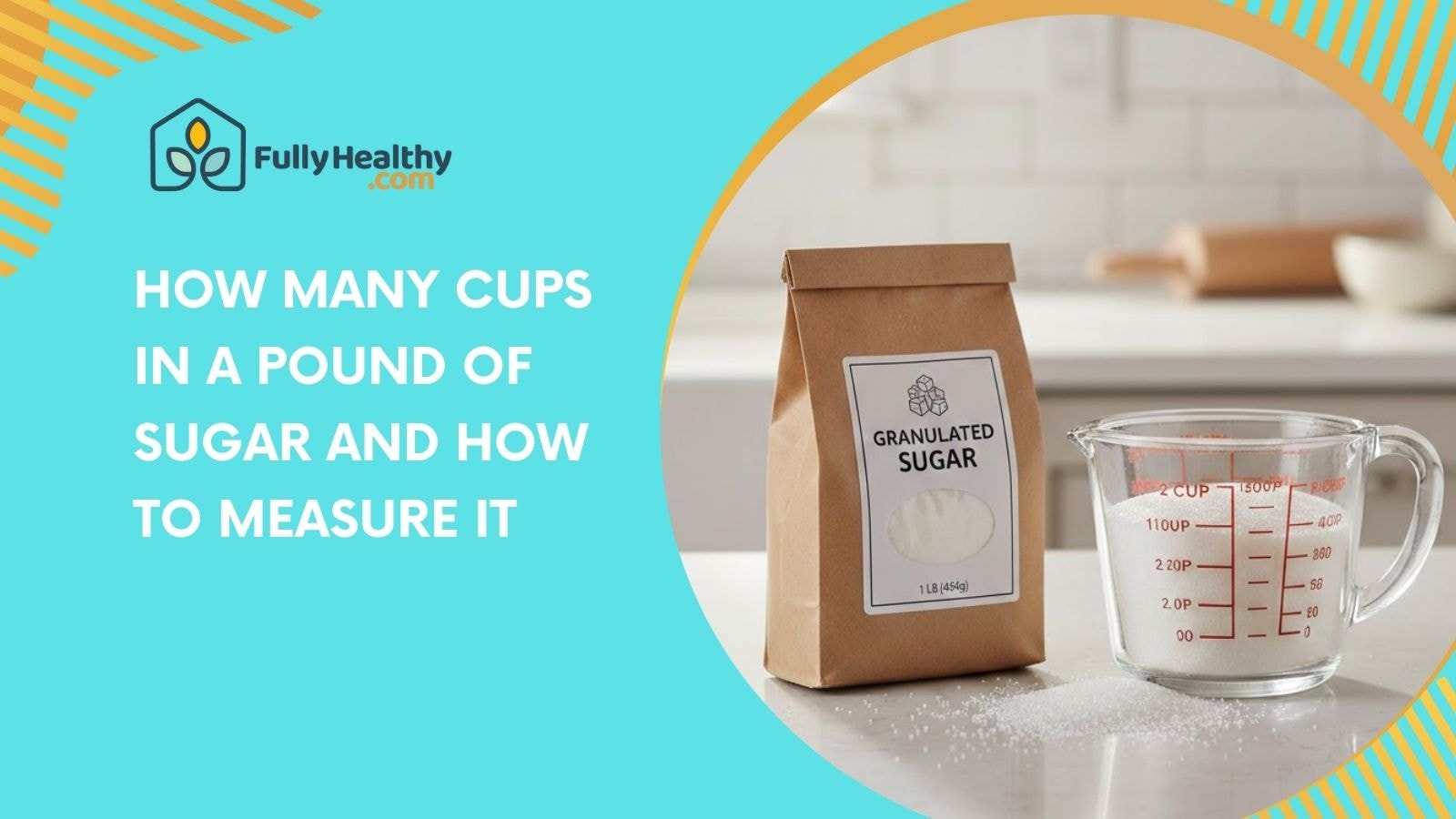
When discussing the measurement of sugar, consistency is key. Using a standard 8-ounce measuring cup for both the water and the sugar ensures that your ratios remain predictable. If you are brewing a standard gallon of tea, starting with 1.5 cups is the most common middle ground. If you prefer a "restaurant-style" sweetness, which is often more intense, you may find that you need to push toward 2 cups. Conversely, those seeking a lighter, more refreshing profile often start at 1 cup.
The Role of Temperature in Dissolving Sugar
One of the most common mistakes when preparing large batches of sweet tea is adding sugar to the tea after it has already cooled. Sugar, specifically granulated sucrose, is much more soluble in hot liquid. If you attempt to add sugar to cold tea, you will likely end up with a layer of undissolved grit at the bottom of your pitcher.
To ensure proper incorporation, add the sugar to the tea concentrate while the water is still hot, immediately after removing the tea bags or steeping loose leaves. Stir the mixture vigorously for at least one minute. The heat increases the kinetic energy of the water molecules, allowing them to break the bonds of the sugar crystals efficiently. Once the sugar is fully dissolved, you can then add the remaining cold water or ice to bring the tea to its final volume and serving temperature.
Comparative Sweetness Levels
The following table outlines how different amounts of sugar affect the final flavor profile and caloric density of a one-gallon batch of sweet tea.
| Sugar Amount | Sweetness Level | Profile Description |
|---|---|---|
| 1 Cup | Mild | Refreshing, slight tea bitterness remains present. |
| 1.5 Cups | Standard | The classic balance; sweet but not syrupy. |
| 2 Cups | Intense | Heavy sweetness, common in deep-south commercial preparations. |
| 2.5+ Cups | Dessert-like | Very syrupy; tea flavor is significantly muted. |
Ingredients and Preparation Variables
While the amount of sugar is the primary variable, the quality of the other ingredients plays a significant role in how that sugar is perceived by the palate.
- Water Quality: If you use hard water or water with a high mineral content, the sugar may interact differently with the tea’s tannins, sometimes creating a "flat" flavor profile. Filtered water is recommended for a cleaner taste.
- Steeping Time: Over-steeping your tea bags results in an excess of tannins, which makes the tea significantly more bitter. If you find yourself needing to add more than 2 cups of sugar to cover the bitterness, you are likely over-steeping the tea. Aim for 3 to 5 minutes for standard black tea bags.
- Type of Sugar: While white granulated sugar is the standard, some variations exist. Cane sugar provides a slightly more rounded, molasses-like undertone, while brown sugar will significantly alter the flavor profile and color, making it less suitable for traditional sweet tea.
Troubleshooting Common Issues
If your tea consistently tastes "off," consider these common points of failure:
- The "Gritty" Texture: As previously noted, this is almost always a result of adding sugar to cold liquid. If you have already cooled the tea, create a "simple syrup" by dissolving sugar in a small amount of boiling water on the stove, then stir that hot syrup into the cold tea.
- The "Watery" Taste: If you add too much ice at once, you will dilute the concentration of both the tea and the sugar. Use ice cubes made from previously brewed tea to maintain flavor integrity as the ice melts.
- Overwhelming Sweetness: If you accidentally exceed your desired sugar content, the only effective remedy is to brew a smaller, concentrated batch of plain, unsweetened tea and add it to the pitcher to dilute the mixture.
Frequently Asked Questions
Does the type of tea bag affect how much sugar I need? Yes. Higher quality loose-leaf teas or specialized black tea blends may contain more natural oils and fewer bitter tannins. If you switch to a premium tea, start with less sugar than you think you need—perhaps 1 cup—and taste-test as you add more to ensure you don't mask the tea's natural flavor.
Can I use liquid sweeteners instead of granulated sugar? You can, but the ratios will change significantly. Liquid sweeteners, such as agave or simple syrup, are already in a state of solution, meaning they integrate instantly. However, they are often sweeter by volume than granulated sugar. Start with half the recommended amount and adjust based on taste.
How long does homemade sweet tea stay fresh? Sweet tea is a breeding ground for bacteria because of the high sugar content and the organic matter in the tea leaves. You should store your sweet tea in a sealed container in the refrigerator and consume it within 3 to 4 days. If the tea becomes cloudy or develops an off-smell, discard it immediately.
Does using a pitcher of ice reduce the sugar needed? If you plan to pour the tea over a full glass of ice, you should brew the tea slightly stronger and potentially leave the sugar concentration on the higher end of the spectrum. As the ice melts, the tea will become diluted. If you brew it to a "perfect" taste at room temperature, it will taste watered down once ice is added.
Practical Recommendation
For the best results, start by brewing one gallon of tea with 1.5 cups of white granulated sugar. Ensure the sugar is added while the tea is hot to guarantee total dissolution. Taste the tea after it has cooled and been diluted with cold water. If it is too bitter, add a small amount of pre-dissolved simple syrup. Always store your batch in the refrigerator and avoid leaving it at room temperature for extended periods to maintain safety and flavor quality.
Image Gallery