Nate Ebner Net Worth: Exploring the Financial Standing of the NFL and Olympic Athlete
Nate Ebner possesses an estimated net worth ranging between $3 million and $5 million, accumulated primarily through his decade-long career as a National Football League (NFL) special teams standout, multiple Super Bowl titles, and his...
Nate Ebner possesses an estimated net worth ranging between $3 million and $5 million, accumulated primarily through his decade-long career as a National Football League (NFL) special teams standout, multiple Super Bowl titles, and his unique venture into international rugby.
Contents
The financial profile of professional athletes often extends far beyond the base salaries reported in sports contracts. For individuals like Nate Ebner, who carved out a specialized and highly respected niche in professional sports, wealth accumulation involves a combination of multi-year player contracts, strategic investments, entrepreneurial pursuits, and post-athletic ventures. Understanding the net worth of a professional athlete requires examining their career earnings, contract structures, endorsement opportunities, and the financial discipline required to sustain wealth long after retiring from competitive sports.
Evaluating the financial trajectory of Nate Ebner provides a compelling case study in professional sports economics, demonstrating how a player can maximize value through elite performance in specialized roles, transition between distinct athletic disciplines, and lay the groundwork for long-term financial security.
Athletic Career Earnings and Contract Structures
Nate Ebner’s journey to accumulating his estimated net worth began through his professional football career, which spanned over a decade. Drafted in the sixth round of the 2012 NFL Draft by the New England Patriots out of Ohio State University, Ebner entered the league not as a heavily touted franchise quarterback or star wide receiver, but as a college walk-on who specialized in rugby before turning his attention fully to football. Despite not being a high-draft-pick rookie commanding exorbitant initial signing bonuses, Ebner quickly established himself as a premier special teams player and a trusted locker room leader under head coach Bill Belichick.
Throughout his career, Ebner played the vast majority of his NFL seasons with the New England Patriots, followed by stints with the New York Giants. Special teams contributors typically sign contracts that reflect their specific utility, often securing mid-tier veteran salaries rather than marquee franchise-player deals. However, longevity in the NFL is a significant wealth multiplier. Ebner played in the league for ten seasons, accumulating millions in cumulative salary earnings.
Furthermore, Ebner’s tenure with the New England Patriots coincided with one of the most dominant dynasties in sports history. He earned three Super Bowl rings (XLIX, LI, and LIII), victories that came with standard championship bonuses as well as the intangible marketability boost that accompanies playing for a high-profile franchise on a global stage.
The Economics of NFL Special Teams Roles
Analyzing a player's net worth necessitates understanding the distinct compensation tiers within professional football. While offensive and defensive starters often command tens of millions of dollars annually, core special teams players occupy a vital but economically distinct tier.
| Career Stage / Milestone | Approximate Financial Impact | Description |
|---|---|---|
| Rookie Contract (6th Round) | Moderate base salary, minimal bonus | Initial entry into the NFL with standard rookie minimums scaled by draft position. |
| Veteran Extensions | $1.5M – $3M annually | Multi-year deals earned through consistent performance, reliability, and leadership. |
| Super Bowl Bonuses | Standardized league payouts | Additional financial compensation for playoff appearances and championship victories. |
| Endorsements & Media | Supplemental income | Local sponsorships, memorabilia, and appearance fees tied to team success. |
Ebner’s ability to remain productive, healthy, and indispensable on special teams allowed him to secure second and third contracts in the NFL. In the hyper-competitive environment of professional football, securing a multi-year veteran contract is a significant achievement that directly contributes to long-term asset accumulation.
Transition to Rugby Sevens and Olympic Competition
A defining element of Nate Ebner’s professional profile—and a notable deviation from standard NFL career paths—is his pursuit of international rugby. Ebner’s background in rugby is extensive; before focusing on football at Ohio State, he was a standout rugby player who represented the United States at the under-19 and under-20 levels.
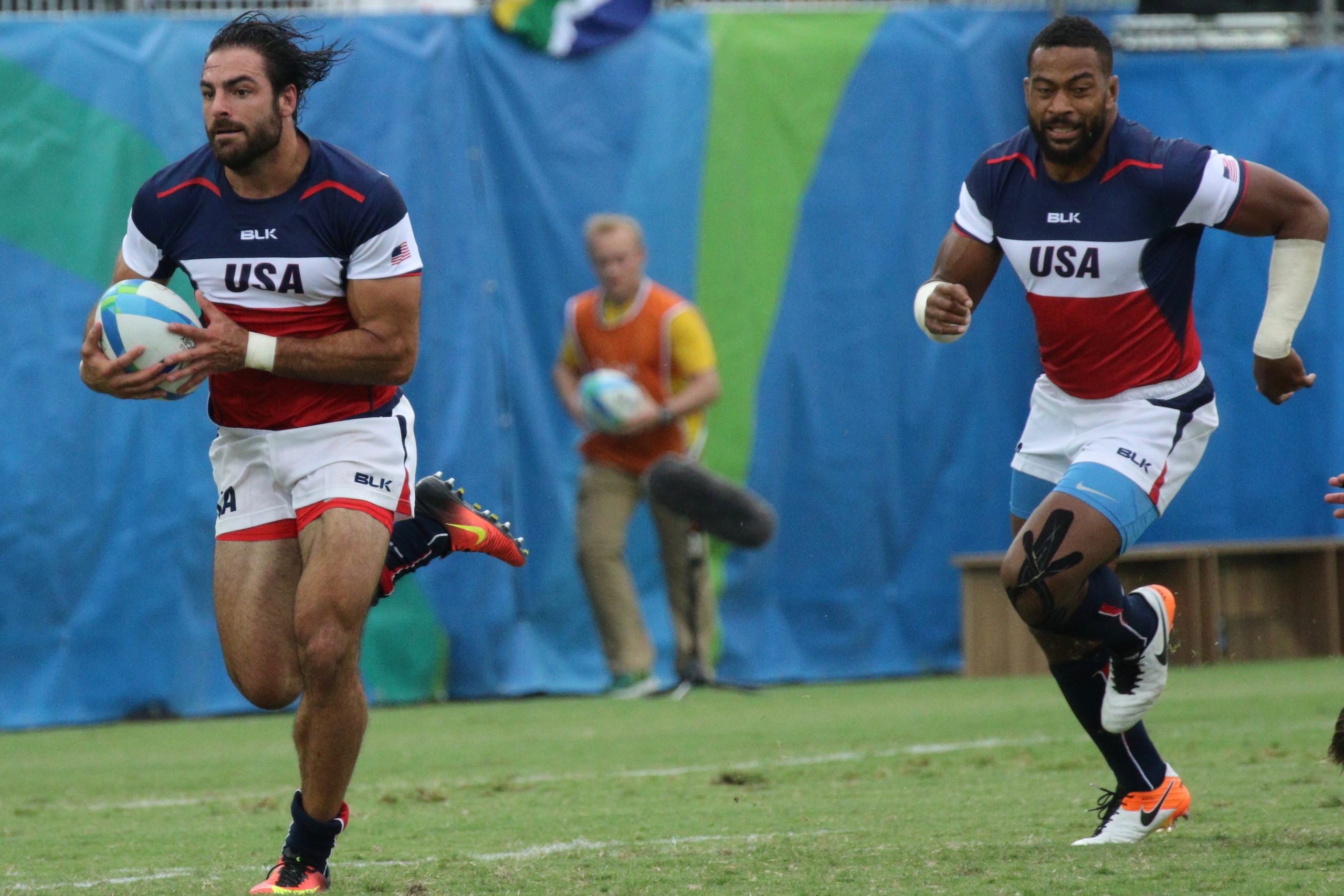
In 2016, while still under contract in the NFL, Ebner received permission from the New England Patriots to train with the United States men's national rugby sevens team. He successfully made the roster and competed at the 2016 Summer Olympics in Rio de Janeiro. While Olympic competition in sports like rugby sevens does not typically yield massive direct financial compensation or commercial contracts comparable to major professional leagues, this achievement elevated his public profile and athletic prestige.
The crossover appeal of an active NFL player competing in the Olympics introduced Ebner to broader media markets, sponsorship discussions, and unique post-career opportunities. Although Olympic sports are largely amateur or stipend-based compared to the NFL, the branding value associated with being an Olympian adds a layer of depth to an athlete's professional resume.
Post-Retirement Ventures and Wealth Preservation
Professional athletes face the complex challenge of transitioning out of high-intensity sports into sustainable, long-term careers. For players who have navigated intense locker rooms, rigorous training schedules, and high-stakes competition, the post-athletic phase often involves coaching, media, entrepreneurship, or private enterprise.
Ebner’s post-playing trajectory has remained closely tied to the sport of football, transitioning into coaching and administrative roles within athletic departments. While the precise financial details of private investments, real estate holdings, and personal business ventures are generally kept private, athletes of Ebner's tenure frequently employ wealth managers to protect and grow their capital. Conservative real estate investments, diversified stock portfolios, and private business ownership form the backbone of wealth preservation for athletes who earn peak income during a relatively narrow window of their lives.
Managing an estimated net worth of $3 million to $5 million requires careful financial planning, tax minimization strategies, and long-term asset allocation. Given that professional athletic careers are statistically short—averaging just over three years in the NFL, though exceptions like Ebner's ten-year career stretch significantly longer—the ability to transition earnings into productive capital is paramount.
Frequently Asked Questions
What is Nate Ebner's primary source of wealth?
Nate Ebner's primary source of wealth is his ten-year career as a professional football player in the NFL, predominantly with the New England Patriots, supplemented by championship bonuses and athletic contracts.
How many Super Bowl rings does Nate Ebner have?
Nate Ebner won three Super Bowl rings during his career with the New England Patriots: Super Bowl XLIX, Super Bowl LI, and Super Bowl LIII.
Did Nate Ebner play college football at Ohio State?
Yes, Nate Ebner walked on to the Ohio State football team after previously focusing on rugby. He eventually earned a scholarship and was drafted into the NFL in 2012.
When did Nate Ebner compete in the Olympics?
Nate Ebner took a brief leave of absence from the New England Patriots in 2016 to compete for the United States rugby sevens team at the Rio de Janeiro Summer Olympics.
Is Nate Ebner still active in professional sports?
Nate Ebner has transitioned away from active professional play, moving into coaching and administrative roles within football after concluding his decade-long NFL career.
Final Recommendations for Understanding Athlete Net Worth
When evaluating public estimates of athlete wealth, such as Nate Ebner's net worth, it is important to recognize that figures published online are estimates based on reported salaries, known contract terms, and general industry standards. They rarely account for individual tax burdens, agent fees, lifestyle expenses, or the performance of private investments. For sports fans and financial analysts alike, observing how athletes like Ebner leverage discipline, specialized skill sets, and unique opportunities provides valuable insight into the mechanics of professional sports economics and wealth management.
Image Gallery