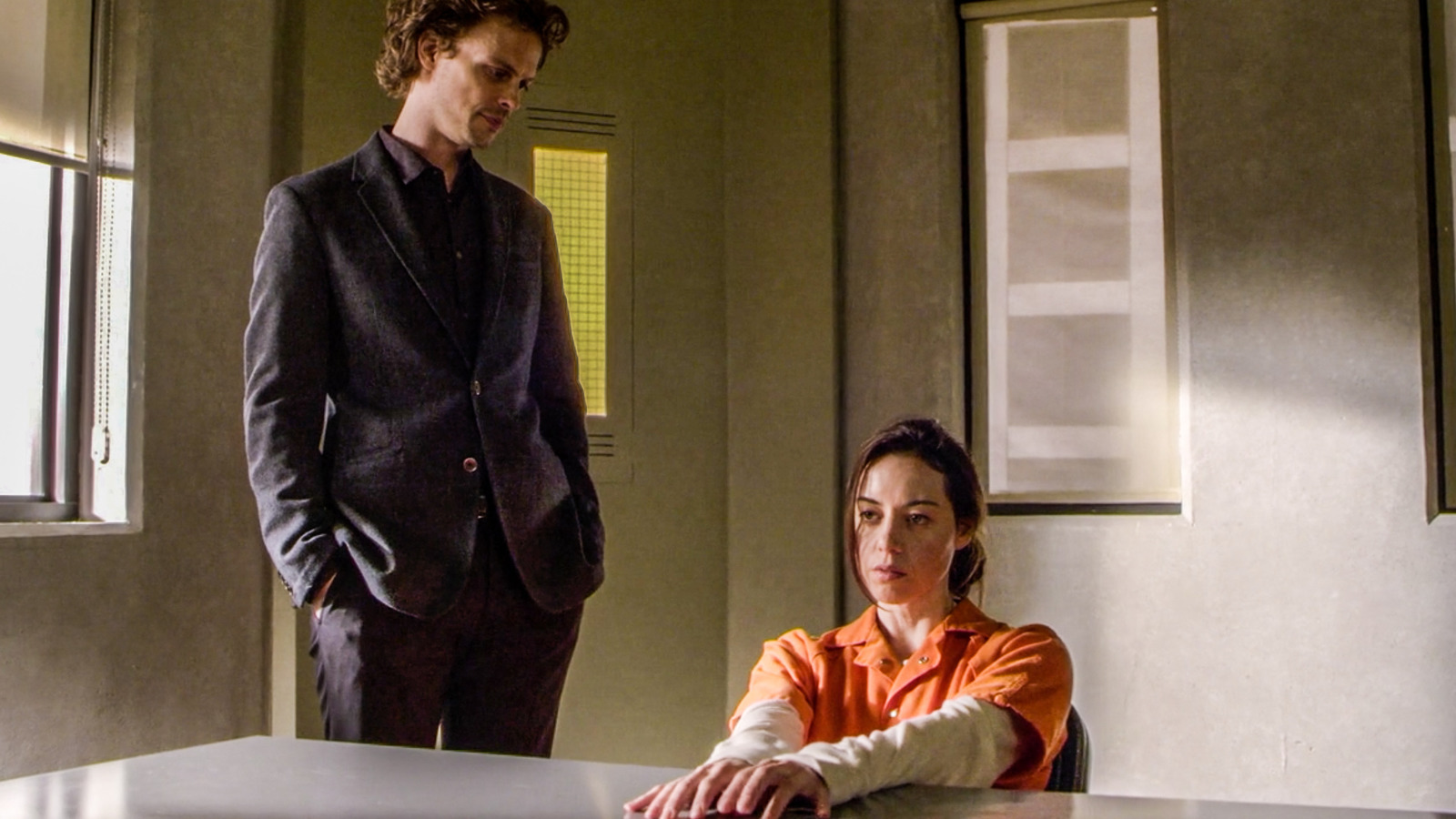
How Real Is Criminal Minds: Fact vs. Fiction in TV Profiling
Criminal Minds has captivated global audiences since 2005 by focusing on the Behavioral Analysis Unit (BAU) of the FBI. While the series effectively captures the high-stakes atmosphere of federal law enforcement, it prioritizes dramati...
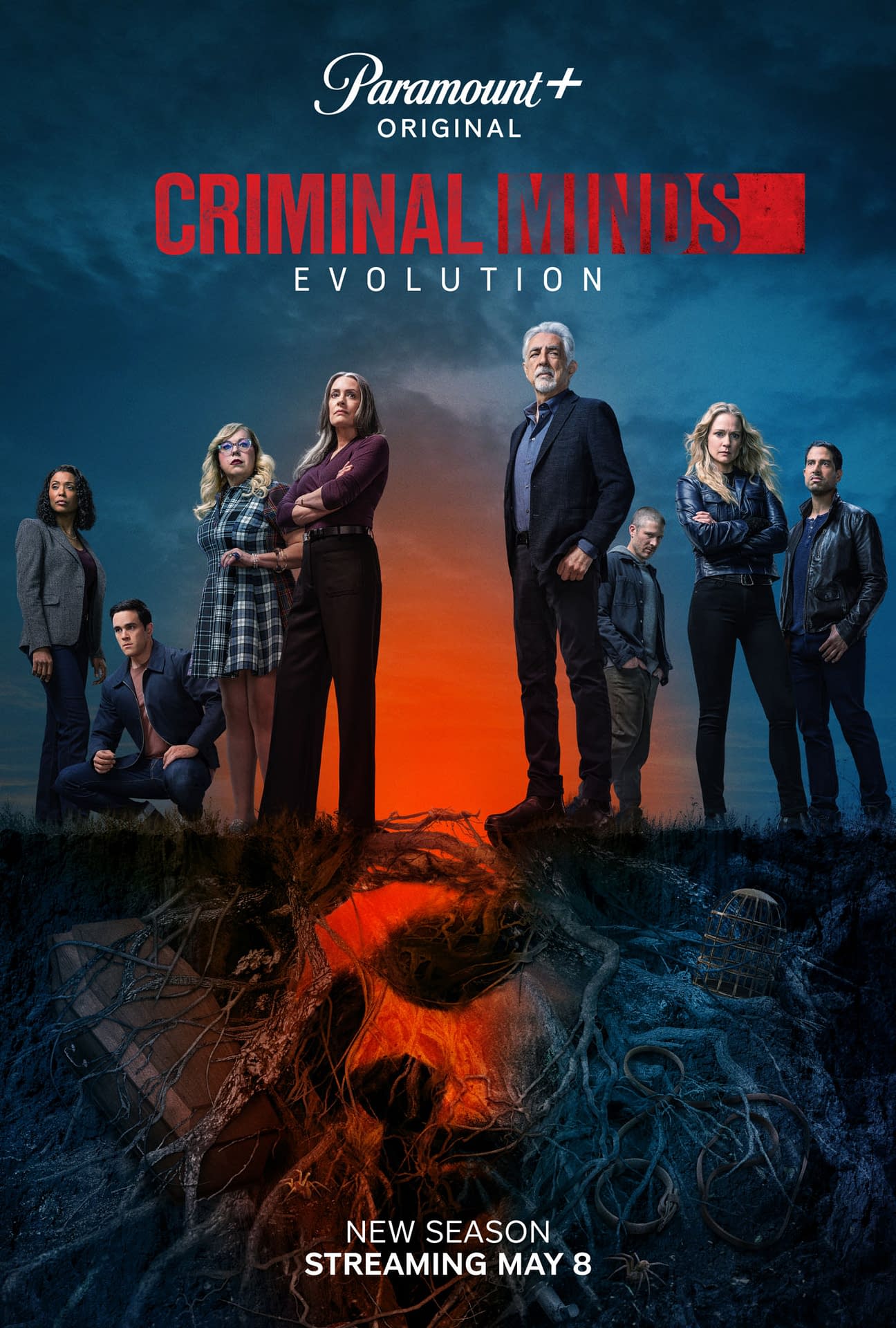
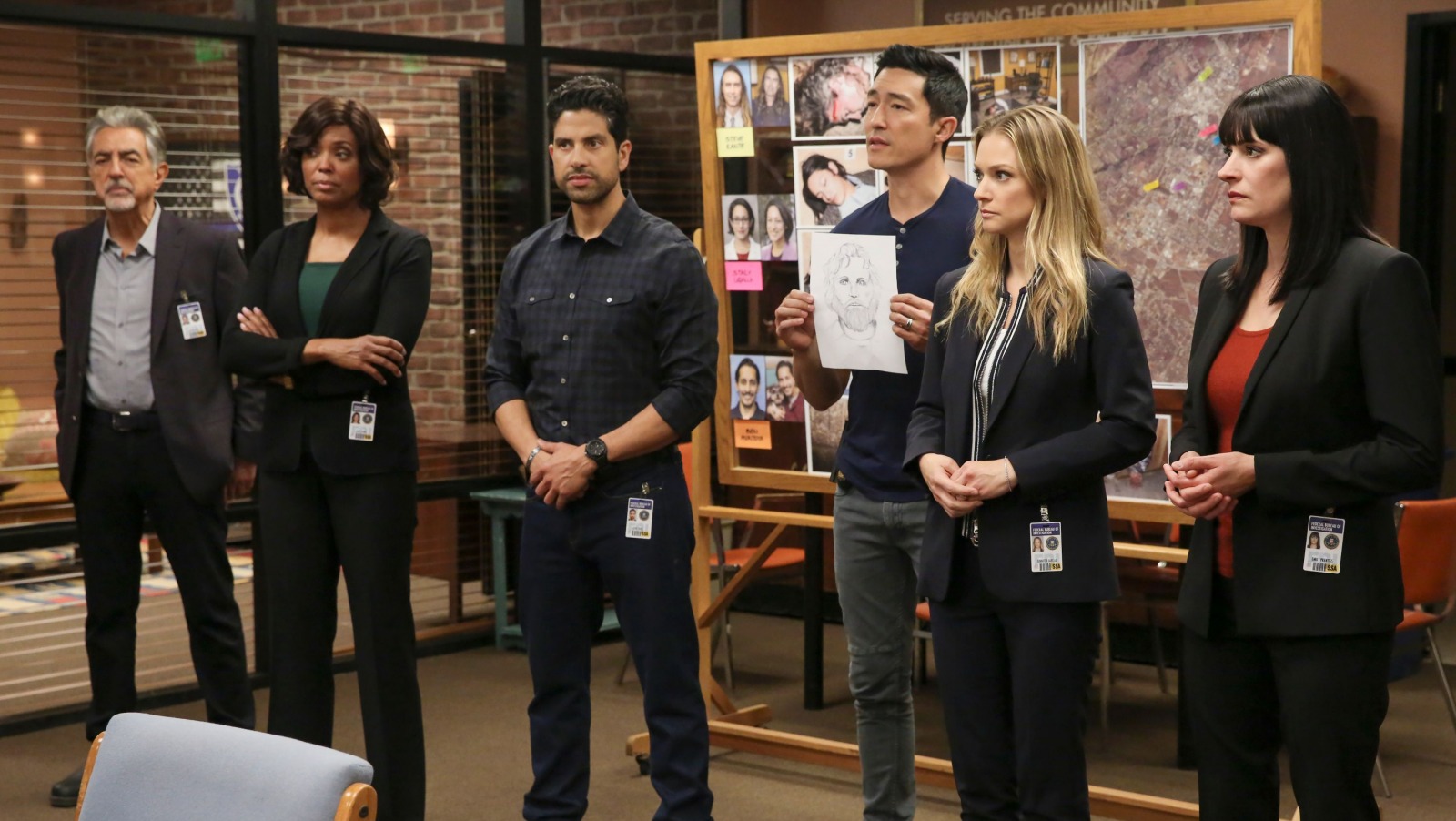
Criminal Minds has captivated global audiences since 2005 by focusing on the Behavioral Analysis Unit (BAU) of the FBI. While the series effectively captures the high-stakes atmosphere of federal law enforcement, it prioritizes dramatic tension and narrative pacing over the slow, methodical, and often bureaucratic realities of actual criminal investigation.
Contents
The allure of Criminal Minds lies in the portrayal of the "profiler" as a master detective capable of peering into the mind of a killer to predict their next move. In reality, the work of the FBI’s real-life Behavioral Analysis Unit—part of the National Center for the Analysis of Violent Crime (NCAVC)—is significantly more collaborative, document-heavy, and less action-oriented than the television version suggests. Understanding the distinction requires looking at how criminal profiling functions as a supportive tool rather than a standalone investigative technique.
The Role of the Real BAU
In the television series, the BAU agents are often depicted as the primary investigators who swoop into a local jurisdiction, commandeer the investigation, and personally apprehend the suspect. In reality, the FBI does not have jurisdiction over most local homicides. The actual BAU acts in a consultative capacity.
When local law enforcement encounters a complex or serial case that stumps them, they contact the FBI. The bureau then sends a behavioral analyst to review the case files, crime scene photos, and forensic reports provided by the local authorities. The profiler is essentially an expert consultant helping local detectives sharpen their focus. They do not carry guns while interviewing witnesses in the field, nor do they typically lead tactical raids. Their primary output is a written report that helps law enforcement prioritize suspects based on behavioral patterns.
The Myth of the "Profiler" as a Psychic
One of the most persistent tropes in Criminal Minds is the "visionary" profiler who can deduce a suspect’s childhood trauma, current psychological state, and exact physical appearance based on a single piece of evidence. While criminal profiling—formally known as criminal investigative analysis—is a recognized practice, it is not an exact science.
Actual profiling involves deductive reasoning based on empirical data from past crimes. It relies on the premise that a criminal’s behavior at a crime scene reflects their personality and needs. However, unlike the show, real-world analysts avoid definitive declarations. Instead of saying, "He is a 30-year-old male living with his mother," a real analyst might provide a range of characteristics to help police narrow their search. The goal is to provide a "behavioral sketch" that assists, rather than replaces, traditional investigative techniques like DNA analysis, digital forensics, and witness testimony.
Technical and Operational Discrepancies
The show frequently employs high-tech, fictionalized versions of tools that exist in the real world, such as instantaneous database cross-referencing or advanced satellite surveillance that operates on command.
| Feature | Criminal Minds Portrayal | Real-World Reality |
|---|---|---|
| Jurisdiction | Leads the case and makes arrests. | Consultative; assists local police. |
| Profilers | Often "psychic" with singular insights. | Data-driven analysts using historical patterns. |
| Technology | Instantaneous, magical hacking tools. | Slow, bureaucratic, and often manual data entry. |
| Field Work | Constant travel and dangerous shootouts. | Office-based research, reviewing files, and writing. |
| Travel | Private jet with a conference room. | Commercial flights or standard travel protocols. |
The "private jet" featured prominently in the series—complete with an internal briefing room—is one of the most recognizable exaggerations. While the FBI does utilize government transport for various needs, it is not a flying mobile headquarters equipped for the team to conduct full briefings in flight. Furthermore, the amount of administrative work, legal documentation, and inter-agency coordination required in real life would leave little time for the rapid, episodic resolution of crimes seen on screen.
The Importance of Traditional Forensics
Criminal Minds often sidelines traditional forensic science in favor of behavioral psychology. In a real-world investigation, evidence collection—such as fingerprints, ballistics, fiber analysis, and DNA profiling—is the bedrock of the case. Behavioral analysis is typically the "last resort" or a secondary support measure.
For instance, if a serial offender is identified through DNA evidence, the case is effectively solved. The BAU’s input in such a case would be limited to understanding the offender's motivation to potentially link them to cold cases. The show reverses this priority, often presenting the profile as the key to finding the suspect, while physical evidence serves as a late-stage confirmation. This inversion creates a compelling narrative but provides a distorted view of how criminal justice functions.
The Psychological Toll and Office Culture
The show depicts a very tight-knit team that operates as a surrogate family. While the real FBI is a professional organization where colleagues often build deep bonds, the office environment is structured, hierarchical, and governed by strict regulations.
The emotional toll of viewing graphic evidence is a genuine aspect of the job. In 2026, the FBI places significant emphasis on wellness and peer support for agents dealing with the trauma of "vicarious trauma," which occurs when individuals are exposed to the details of violent crimes. However, the dramatic, ongoing personal trauma cycles depicted in the series are exaggerated for character development and plot longevity. Real agents are trained to maintain a professional detachment, and they rely on structured support systems rather than the individualistic, emotionally-charged heroics often seen in fictional crime dramas.
Frequently Asked Questions
Are FBI profilers real? Yes, the FBI has an active Behavioral Analysis Unit. However, they are officially known as criminal investigative analysts. They are experienced law enforcement officers who have undergone specialized training to interpret crime scene behaviors and assist in complex, multi-jurisdictional investigations.
Can profilers really guess a criminal's life story? No. Profiling is based on behavioral patterns and evidence, not intuition or psychic ability. It is a probabilistic assessment used to narrow the list of suspects, not a definitive psychological biography that can predict a person's life history or specific future actions.
Do real profilers work in the field? Rarely in the way the show depicts. While they may visit a crime scene to consult with local investigators, they do not carry weapons, engage in tactical pursuits, or arrest suspects. Their work is largely intellectual and administrative, focusing on documentation and theory.
Why does the show exaggerate the BAU's role? The exaggeration is a creative choice designed for television. A realistic portrayal of a profiler’s job—which involves hours of reading case files and writing reports—would not translate well into a fast-paced, weekly episodic format. Drama requires conflict, action, and rapid resolutions.
Is the "unsub" (unknown subject) terminology real? Yes. "Unsub" is a standard law enforcement abbreviation for "unknown subject." It is widely used in real-world police work to refer to a suspect whose identity has not yet been established.
Final Recommendation
If you are interested in the reality of criminal justice, use Criminal Minds as a gateway to explore the actual history and methodologies of the FBI. For a more grounded understanding, consider reading accounts written by former members of the BAU, such as John Douglas or Robert Ressler. These memoirs offer a perspective on the birth of modern criminal profiling that separates the analytical techniques from the television drama. If you ever find yourself involved in a legal or law enforcement situation, remember that the "Hollywood" version of investigation does not reflect the legal procedures, rights, or forensic realities that define the real justice system.
Image Gallery