What Can Be Unburdened by What Has Been: Origins, Meaning, and Wikipedia Coverage
"What can be, unburdened by what has been" is a signature rhetorical phrase frequently delivered by U.S. Vice President Kamala Harris to describe a forward-looking political vision unconstrained by historical limitations. The expressio...
"What can be, unburdened by what has been" is a signature rhetorical phrase frequently delivered by U.S. Vice President Kamala Harris to describe a forward-looking political vision unconstrained by historical limitations. The expression became a major cultural phenomenon, documented on Wikipedia within entries on political rhetoric, internet memes, and election campaigns.
Contents
The Rhetorical Origins and Philosophical Meaning
The phrase "what can be, unburdened by what has been" emerged as a core fixture of Kamala Harris's public speaking style during her tenure as a U.S. Senator and throughout her term as Vice President. Delivered as a rhythmic, aspirational refrain, the sentence structure relies on parallel phrasing—a classic rhetorical device designed to contrast future potential against past obstacles.
- Historical Barriers / Past Constraints
- "Unburdened by what has been"
- Progressive Vision / Future
- "What can be"
In political communication, the quote operates on two primary levels:
- Aspirational Progressivism: On a policy level, the phrase suggests that societal challenges—such as economic inequality, infrastructure deficits, or social injustice—do not have to remain permanent simply because they existed in the past. It encourages listeners to imagine policy outcomes independent of precedent.
- Symbolic Representation: As the first female, African American, and South Asian American Vice President of the United States, Harris frequently employed the phrase in contexts addressing trailblazing achievements. In this setting, the burden of "what has been" represents historical barriers to representation, while "what can be" signifies expanded opportunity for future generations.
Linguists and speechwriters categorize the phrase as an example of antithesis paired with anadiplosis, building a rhythmic bridge between constraint and possibility. While speechwriters frequently use variations of this cadence in American political discourse, few modern phrases have achieved the specific brand association and repetitive consistency seen in Harris's public addresses.
Evolution into a Viral Internet Meme
Although the line was originally drafted as standard political speech prose, its trajectory shifted dramatically due to digital media monitoring and social media curation. Beginning around 2023 and accelerating through the 2024 presidential election season, the phrase transitioned from formal political communication into a ubiquitous internet meme.
The Role of Opposition Compilation
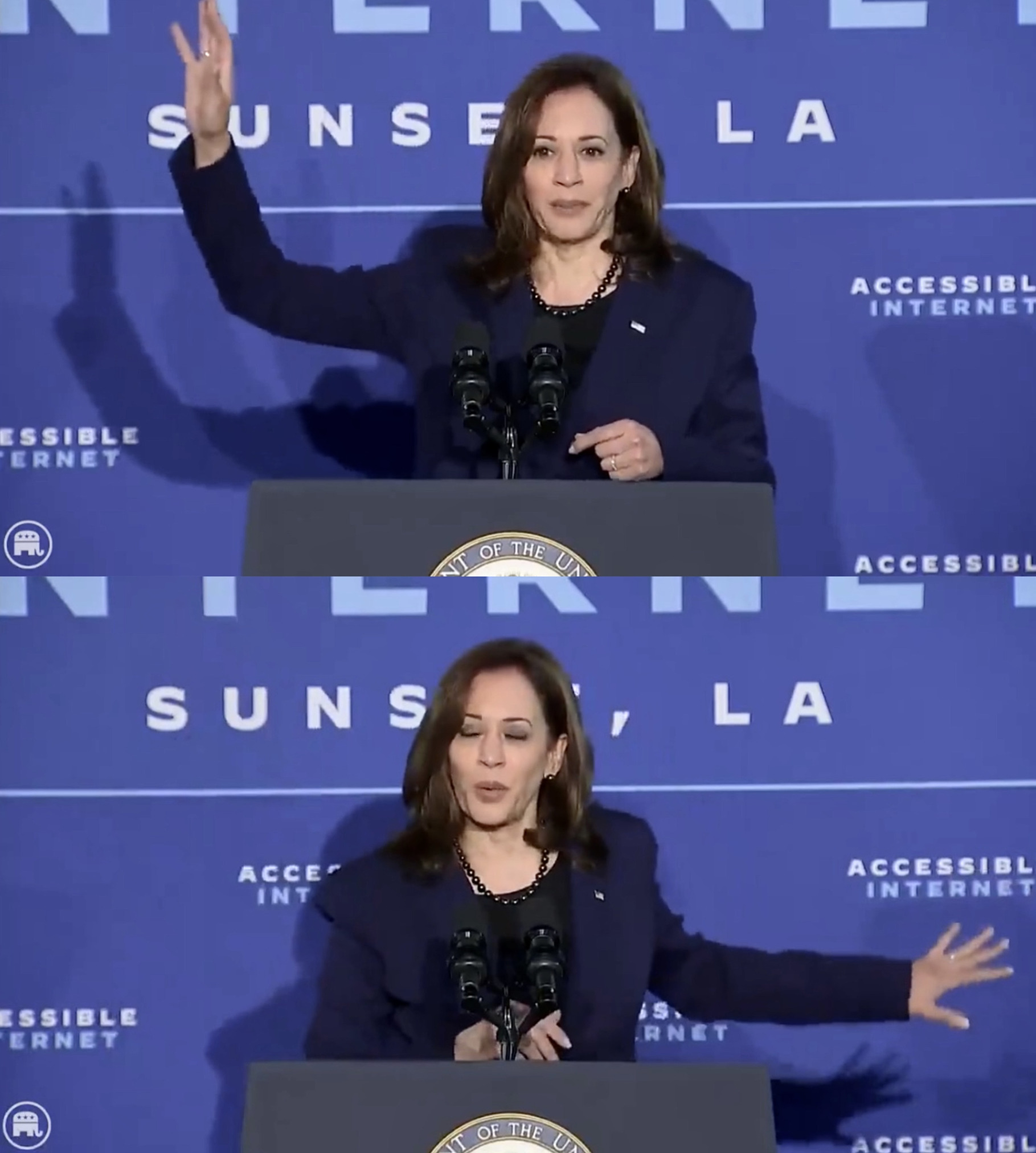
The initial viral distribution of the quote began when political opponents, including digital researchers associated with the Republican National Committee (RNC), began publishing video compilations highlighting Harris repeating the exact phrase across dozens of separate events. The intention was to portray her rhetoric as scripted or overly repetitive. These "supercut" videos gathered millions of views across platforms like X (formerly Twitter) and YouTube, establishing the quote as an easily identifiable catchphrase.
Reappropriation by Online Communities
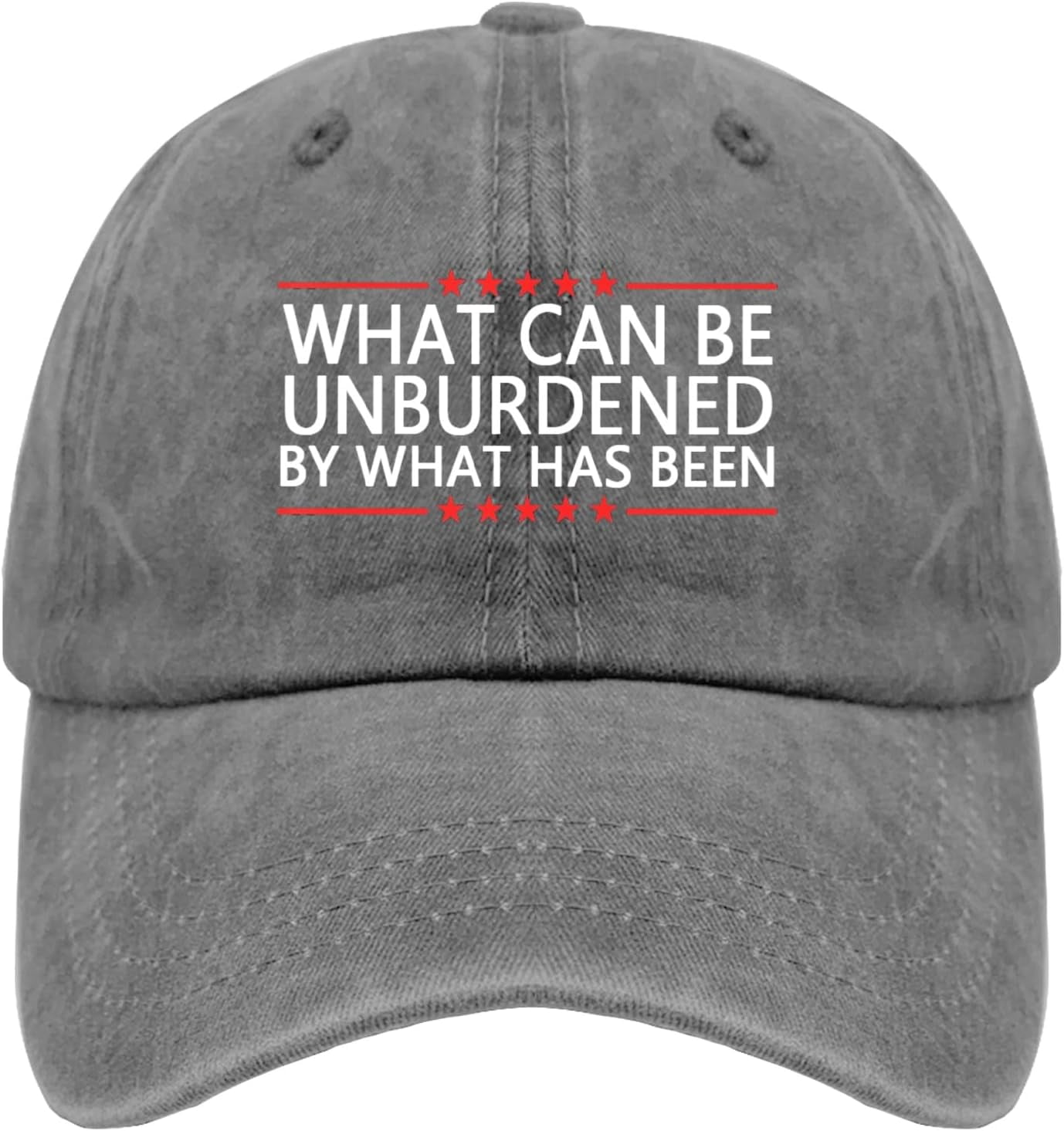
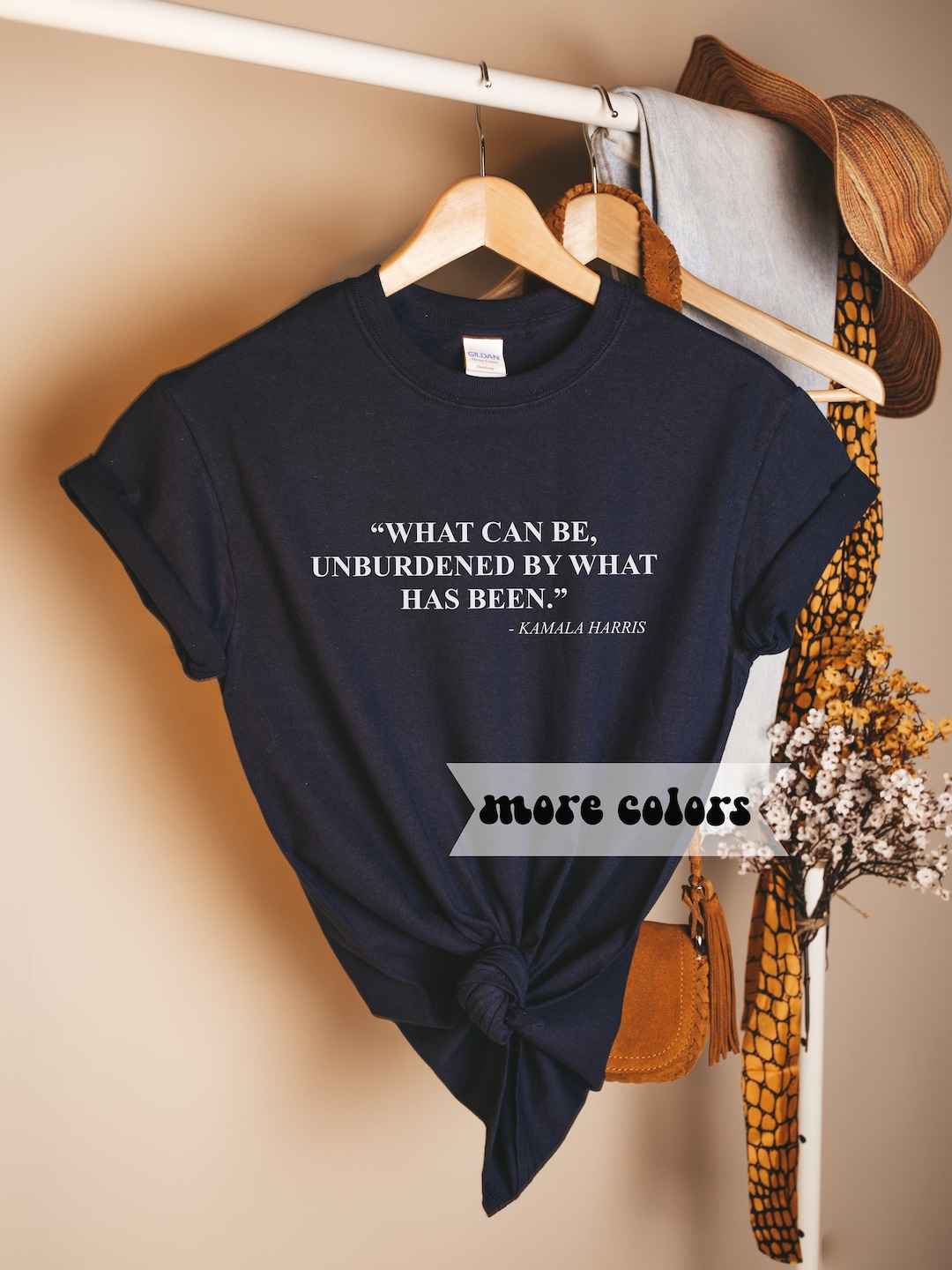
In a dynamic typical of modern digital culture, supporters and Gen Z internet users co-opted the supercuts. Rather than viewing the repetition as a negative trait, digital creators embraced the phrase's hypnotic rhythm. The quote was remixed into electronic dance tracks, integrated into TikTok edits, and paired with visuals across social platforms.
This online phenomenon coincided with the viral spread of another Harris quote from a May 2023 White House ceremony regarding her mother's advice: "You think you just fell out of a coconut tree? You exist in the context of all in which you live and what came before you." Together, these two quotes formed the foundation of what social media commentators labeled "Coconut-pilled" meme culture, combining surreal humor with political engagement during the 2024 presidential campaign.
How Wikipedia Documents and Handles the Catchphrase
The viral proliferation of political catchphrases poses unique editorial challenges for collaborative platforms like Wikipedia. Users seeking information about "what can be unburdened by what has been" on Wikipedia encounter a network of redirect pages, campaign history entries, and dedicated discussions regarding encyclopedic relevance.
- User Query: "what can be unburdened by what has been wikipedia"
- Wikipedia Search & Routing
- Redirect Pages (Searched terms)
- Dedicated Sections (Campaign/Memes)
- Primary Article Integration:
- Kamala Harris 2024 Campaign
- Internet Memes in Politics
- List of Political Phrases
Redirects and Article Structure
Wikipedia generally avoids creating standalone articles for individual quotes or short-lived internet memes unless they generate significant independent scholarly analysis or historical impact. Instead, searches for the phrase on Wikipedia typically redirect readers to broader, contextually relevant articles, including:
- Kamala Harris Presidential Campaign 2024: Detail on how the phrase functioned both as an official campaign slogan and an organic online rallying point.
- Coconut Tree Meme / Internet Memes in U.S. Politics: Documentation of how social media users transformed speeches into viral video trends.
- List of Political Catchphrases: Categorization alongside historical political slogans and repeated speech hooks.
Editorial Debates and Deletion Discussions
Wikipedia's editor community engages in formal deletion debates—known as Articles for Deletion (AfD)—when users create standalone pages for emerging memes. During the peak of the quote's online visibility, editors evaluated whether "what can be unburdened by what has been" satisfied Wikipedia's Notability Guidelines.
Arguments against a standalone page centered on avoiding "wiki-groaning" or ephemeral internet coverage, suggesting that news stories about TikTok trends do not automatically warrant an independent encyclopedia article. Conversely, arguments for inclusion emphasized the extensive coverage by major publications like The New York Times, The Washington Post, and BBC News, which analyzed the quote's impact on digital campaign strategies and youth voter outreach. The consensus led to integrating the phrase into existing political and cultural articles rather than maintaining an isolated entry.
Comparative Overview: Context, Perception, and Documentation
To understand the lifecycle of the phrase from a formal speech to an encyclopedic topic, the table below outlines how different audiences and platforms interacted with the quote:
| Dimension | Formal Political Context | Opposition & Critical Reaction | Internet Meme Culture | Wikipedia Editorial Policy |
|---|---|---|---|---|
| Primary Audience | Event attendees, voters, policy advocacy groups | Political opponents, media analysts, commentators | TikTok, X, Instagram, Gen Z digital creators | Readers seeking verified, neutral encyclopedic data |
| Core Interpretation | An encouraging message about social and political progress | Characterized as repetitive, overly rehearsed rhetoric | Celebrated ironically or unironically through edits and remixes | Documented as a notable phenomenon within political history |
| Primary Format | Live speeches, press briefings, campaign rallies | Video supercuts, cable news opinion panels | Pop music remixes, image macros, viral short-form video | Maintained as integrated article sections and redirects |
| Long-term Significance | Central theme of executive messaging strategy | Used as an example of formulaic speechwriting | Major marker of 2020s political digital culture | Referenced in records of election campaigns and digital media |
Media Analysis and Political Impact
The widespread adoption of "what can be unburdened by what has been" illustrates a broader shift in how political messaging travels through modern media environments.
Analysis by Communications Experts
Linguists and political analysts noted that while candidates have always relied on repeated stump speeches to reinforce key themes, social media changes how audiences experience that repetition. Historically, a candidate might deliver the same line at fifty local events without the broader public noticing the repetition. In an era of continuous digital monitoring, video clips from small local venues are instantly compiled, amplifying repetition in ways that speechwriters did not historically anticipate.
Strategic Impact on Presidential Campaigns
During the 2024 election cycle, the official digital team for Kamala Harris—notably operating through channels like @KamalaHQ—embraced the meme landscape that grew around her speeches. By incorporating organic social media trends directly into communication strategies, the campaign actively utilized digital culture to connect with younger voters who consumed political content primarily through short-form video rather than traditional news broadcasts.
Frequently Asked Questions
What does "what can be unburdened by what has been" mean?
The phrase is a rhetorical statement expressing that future progress ("what can be") should not be restricted or limited by past traditions, precedents, or historical systemic barriers ("what has been").
Where did Kamala Harris first use the phrase?
Vice President Kamala Harris used variations of the phrase in speeches throughout her career, dating back to her time as U.S. Senator and accelerating during her vice presidency in speeches addressing economic opportunity, infrastructure, and civil rights.
Does "what can be unburdened by what has been" have its own standalone Wikipedia page?
While searches for the phrase exist on Wikipedia, standard editorial policy generally routes the phrase via redirects to broader articles such as the 2024 Kamala Harris presidential campaign, political catchphrases, or internet culture entries, ensuring long-term context rather than isolated coverage.
Why did the quote become a viral meme on social media?
The quote became viral initially through opposition video compilations highlighting its frequent repetition across public appearances. Internet users subsequently co-opted these clips, turning them into popular short-form videos, electronic music remixes, and memes.
How does the phrase relate to the "coconut tree" meme?
Both quotes originated from speeches by Kamala Harris that were highlighted in supercut videos on social media. They were grouped together by digital communities during the 2024 presidential campaign to form a wider series of viral, youth-driven internet memes.
Summary and Key Takeaways
The path of "what can be unburdened by what has been" demonstrates how political speechwriting interacts with digital media culture. What began as a standard policy line evolved into a viral phenomenon that challenged traditional campaign communications and required digital encyclopedias like Wikipedia to adapt their documentation standards.
For researchers, students, and readers looking to explore this topic further:
- Review Wikipedia's coverage of 2024 U.S. presidential campaign memes to see how digital rhetoric is archived.
- Examine communications studies regarding how opposition research and viral social media shape candidate perception.
- Consult official transcripts from government and campaign archives to study how speechwriters use repetitive phrasing for thematic emphasis.
Image Gallery