The Truth About Hi Tech Industrial: Operational Realities and Sector Dynamics
The term "hi tech industrial" refers to the integration of advanced digital, robotic, and automated systems within traditional manufacturing, logistics, and production environments. It is not a singular product or technology but a stra...
The term "hi tech industrial" refers to the integration of advanced digital, robotic, and automated systems within traditional manufacturing, logistics, and production environments. It is not a singular product or technology but a strategic shift toward data-driven operations, characterized by the deployment of Industrial Internet of Things (IIoT), artificial intelligence, and additive manufacturing to optimize supply chains and increase throughput in highly complex, regulated facilities.
Contents
Defining the Scope of Hi Tech Industrial Operations
The nomenclature "hi tech industrial" often creates confusion because it bridges two distinct worlds: the rapid, iterative cycle of software development and the rigid, high-stakes requirements of physical industrial hardware. In practice, this sector encompasses firms that manufacture complex high-end hardware—such as semiconductor components, aerospace sub-assemblies, medical devices, and precision automation equipment—as well as the specialized facilities that host these operations.
To understand the reality of this sector, one must distinguish between the technology being produced and the technology used to produce it. A hi tech industrial facility is defined by its ability to maintain extremely tight tolerances, high cleanliness standards (such as ISO-certified cleanrooms), and extreme energy reliability. Unlike standard warehousing, these facilities often require seismic bracing, specialized vibration isolation for precision instrumentation, and redundant power grids to prevent catastrophic batch failure during production cycles.
Core Pillars of the Modern Industrial Ecosystem
Modern industrial competitiveness is driven by several verified technological pillars that define the current state of operations in 2026. Understanding these pillars is essential for any stakeholder attempting to evaluate the viability or efficiency of an industrial site.
Industrial Internet of Things (IIoT)
IIoT is the backbone of the hi tech industrial landscape. It involves the deployment of sensors across factory floors to monitor variables such as machine vibration, temperature, and atmospheric pressure in real-time. The objective is predictive maintenance—a strategy where machines alert operators to potential failures before they occur, effectively minimizing costly downtime.
Advanced Automation and Collaborative Robotics
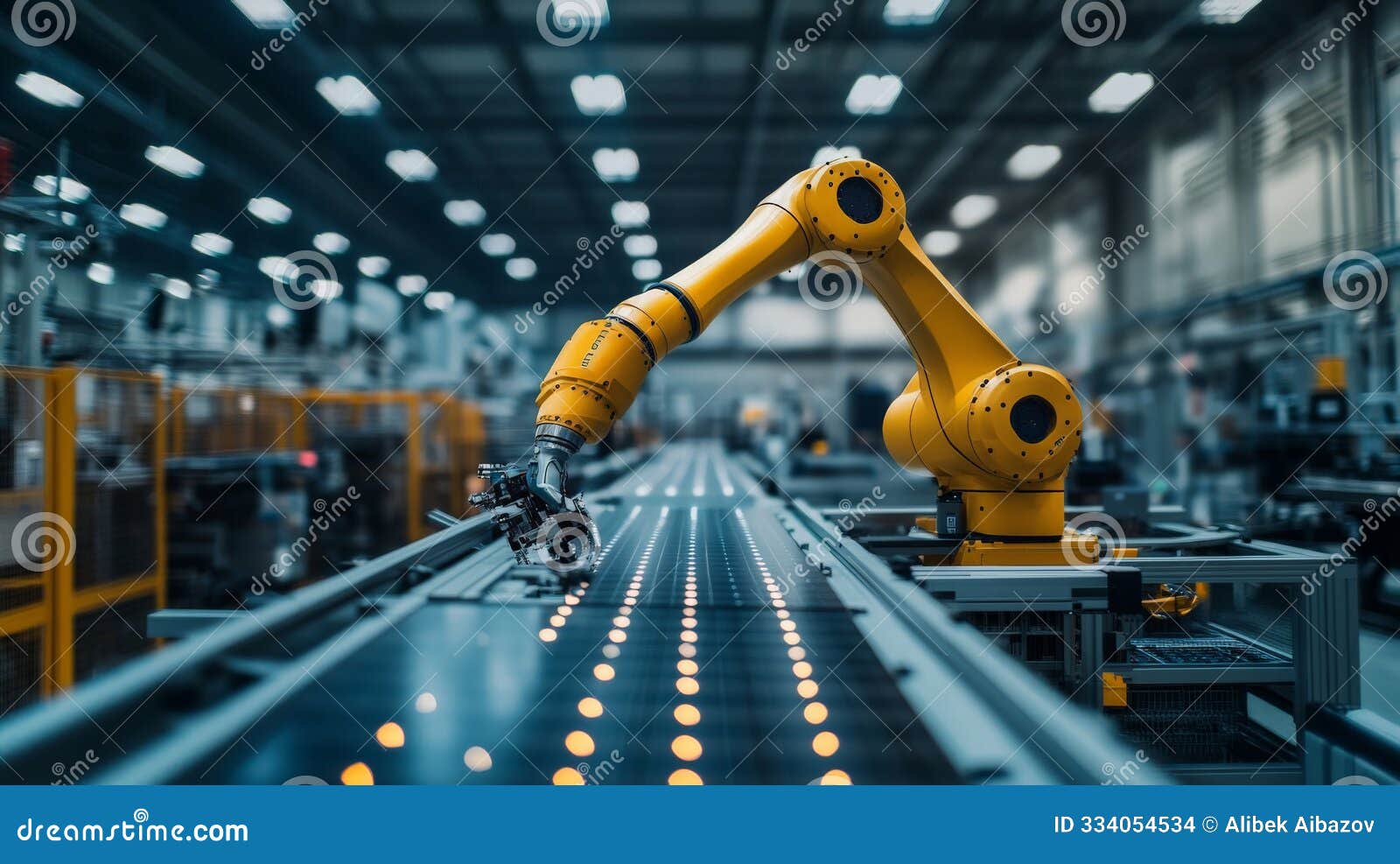
Collaborative robots, or "cobots," have shifted the paradigm from cage-bound, dangerous industrial arms to machines capable of working alongside human employees. In hi tech industrial settings, these units are tasked with delicate assembly work, quality inspection, and repetitive tasks that require a level of precision beyond human capability, particularly in the production of micro-electronics.
Additive Manufacturing at Scale
While 3D printing began as a prototyping tool, it is now an integrated hi tech industrial process. Known as additive manufacturing, it allows for the creation of complex geometries that are impossible to machine via traditional subtractive methods (like milling). This reduces material waste and speeds up the iteration cycle for high-value components.
Operational Requirements and Technical Challenges
Transitioning to or managing a hi tech industrial operation involves significant logistical hurdles. The transition is rarely a "plug-and-play" scenario; it requires substantial capital expenditure (CapEx) and specialized labor.
- Environmental Controls: Maintaining precision in industrial settings requires strict humidity and temperature regulation. Even minor fluctuations can warp components, especially in high-precision engineering.
- Data Integration: Siloed data is the primary enemy of hi tech industrial efficiency. The "truth" is that most industrial sites struggle to integrate legacy machinery with modern digital monitoring systems. Successful integration requires a robust middle-ware architecture capable of translating analog signals into actionable digital data.
- Workforce Specialization: There is a persistent talent gap. Operating hi tech industrial equipment requires "hybrid" workers—personnel who possess both traditional mechanical skills and the digital literacy to interpret sensor data and manage software interfaces.
Comparison of Industrial Facility Types
Understanding where your specific interest lies is critical. The table below outlines the differences between standard industrial warehousing and high-technology production facilities.
| Feature | Standard Industrial | Hi Tech Industrial |
|---|---|---|
| Tolerance Requirements | Low (General shipping) | Extremely High (Micron levels) |
| Power Infrastructure | Standard Utility Grid | Redundant/Micro-grid |
| Workforce Skillset | General Labor/Logistics | Engineering/Data Analysis |
| Capital Intensity | Low-Medium | Very High |
| Cleanliness Standard | Basic | ISO-Certified (Cleanrooms) |
| Data Requirements | Inventory Tracking | Real-time Predictive Monitoring |
Navigating the Financial Realities
The investment profile for hi tech industrial ventures is distinct from other commercial real estate or business investments. Costs are not limited to the purchase of machinery; they encompass the massive "hidden" costs of facility adaptation.
- Retrofitting Costs: Older industrial sites rarely support the electrical load or flooring requirements needed for heavy precision robotics. Floor leveling and grounding are major, non-negotiable expenses for maintaining high-tolerance operations.
- Regulatory Compliance: Facilities in this sector are often subject to stringent environmental and safety regulations, particularly when involving chemical handling or high-energy output. Compliance monitoring systems are essentially mandatory for operating at scale.
- Depreciation and Obsolescence: Unlike commercial office space, industrial technology has a rapid obsolescence cycle. Hardware purchased today may require a software or sensor upgrade within 3-5 years to remain competitive. Budgeting for "technology refresh" cycles is a mandatory aspect of long-term financial planning.
Frequently Asked Questions
Is hi tech industrial just another word for "smart factory"?
While related, "hi tech industrial" describes the broader sector of industries producing high-value, complex products. A "smart factory" is a specific application of IIoT and automation within a facility. You can have a smart factory producing low-tech goods, but a hi tech industrial facility inherently requires smart factory methodologies to be efficient.
What is the biggest risk in hi tech industrial investments?
The greatest risk is "technical debt"—a scenario where a company invests in proprietary, closed-loop systems that cannot communicate with other parts of the supply chain. Prioritizing interoperable, open-standard hardware is essential to avoid being locked into a single vendor's ecosystem.
How do I verify if a facility meets hi tech standards?
Verification is best achieved through an audit of the facility’s power reliability documentation, vibration testing reports, and HVAC certifications. If the site cannot provide proof of environmental stability, it is unlikely to support true hi tech industrial processes.
Do these facilities require special zoning?
Often, yes. Hi tech industrial facilities may fall under "Light Industrial" or "High-Tech Manufacturing" zoning, which carries specific requirements regarding waste output, noise levels, and truck traffic. Always consult local municipal planning departments to ensure the specific site is rated for your industrial process.
Is AI actually used in industrial settings?
Yes, but it is primarily used for computer vision in quality control and algorithmic predictive modeling for machine maintenance. It is not "General AI" managing the factory, but rather specialized machine learning models trained on highly specific industrial datasets to catch defects that the human eye would miss.
Strategic Recommendations for Stakeholders
If you are involved in site selection or capital allocation within the hi tech industrial sector, your primary focus should be on infrastructure elasticity. Do not optimize for today’s production requirements alone; prioritize sites that offer the electrical capacity, structural floor integrity, and connectivity redundancy to support the next generation of automation.
Before committing capital, mandate an independent technical audit of the facility's power quality and digital infrastructure. Many legacy sites possess the "look" of a modern facility but lack the foundational engineering required for high-precision industrial work. By focusing on the underlying technical requirements—power, data, and environmental stability—you mitigate the primary risks associated with the high-stakes, high-reward nature of hi tech industrial operations.
Image Gallery