Dancing With The Stars Fall 2019 Season Overview: A Comprehensive Look at Season 28
The fall 2019 season of Dancing with the Stars, officially designated as Season 28, marked a significant transitional period for the long-running ABC competition series. Premiering on September 16, 2019, the season introduced revamped...
The fall 2019 season of Dancing with the Stars, officially designated as Season 28, marked a significant transitional period for the long-running ABC competition series. Premiering on September 16, 2019, the season introduced revamped production elements, a new live voting format, and a diverse cast of celebrities, ultimately crowning Hannah Brown and professional partner Alan Bersten as the champions.
Contents
Context and Production Changes for Season 28
Season 28 of Dancing with the Stars arrived after a hiatus during the spring of 2019, leading to high expectations from both the network and the dedicated fanbase. The production team implemented several structural adjustments intended to modernize the viewing experience. Most notably, the show shifted toward a more focused emphasis on the personal journeys of the celebrities, balancing their rigorous rehearsal schedules with interviews detailing their backgrounds and motivations.
One of the most significant technical shifts in this season was the implementation of live voting. In previous iterations, voting often occurred over a 24-hour period, meaning the results were sometimes taped in advance or aired on a delay. For Season 28, the results were determined in real-time, with viewers in the Eastern and Central time zones casting votes while the show was live. This created a heightened sense of urgency and transparency, as contestants and judges alike reacted to the standings as they were tabulated by the show’s auditing firm.
Furthermore, the season faced early scrutiny regarding the selection of professional dancers and the inclusion of specific high-profile celebrities. The production maintained its hallmark format: a series of theme nights—such as "Disney Night," "Movie Night," and "Halloween Night"—which dictated the musical choices and costume aesthetics, challenging the contestants to adapt their technical skills to varying dance styles under extreme pressure.
The Cast: Celebrities and Professional Dancers
The success of any Dancing with the Stars season relies heavily on the chemistry between the celebrity participants and their assigned professional partners. The Season 28 lineup featured a wide range of public figures from the worlds of television, sports, and music.
Key Participants of Season 28
- Hannah Brown: Known for her role on The Bachelorette, Brown brought a massive, dedicated following to the show, which played a pivotal role in her success throughout the voting process.
- Kel Mitchell: The actor and comedian showcased significant growth throughout the season, consistently earning high scores for his energy and musicality.
- Ally Brooke: The singer demonstrated early technical prowess, often performing complex routines that earned praise from the judging panel for their difficulty.
- Lauren Alaina: The country music star maintained a consistent performance trajectory, connecting well with the audience through both her personality and her technical improvement.
The professional dancers—the backbone of the show’s technical instruction—included veterans like Cheryl Burke, Val Chmerkovskiy, and Witney Carson, alongside the aforementioned Alan Bersten. Their role extended beyond teaching; they acted as choreographers and creative directors for every routine, tasked with highlighting their partner's strengths while masking technical limitations.
Judging and Scoring Mechanics
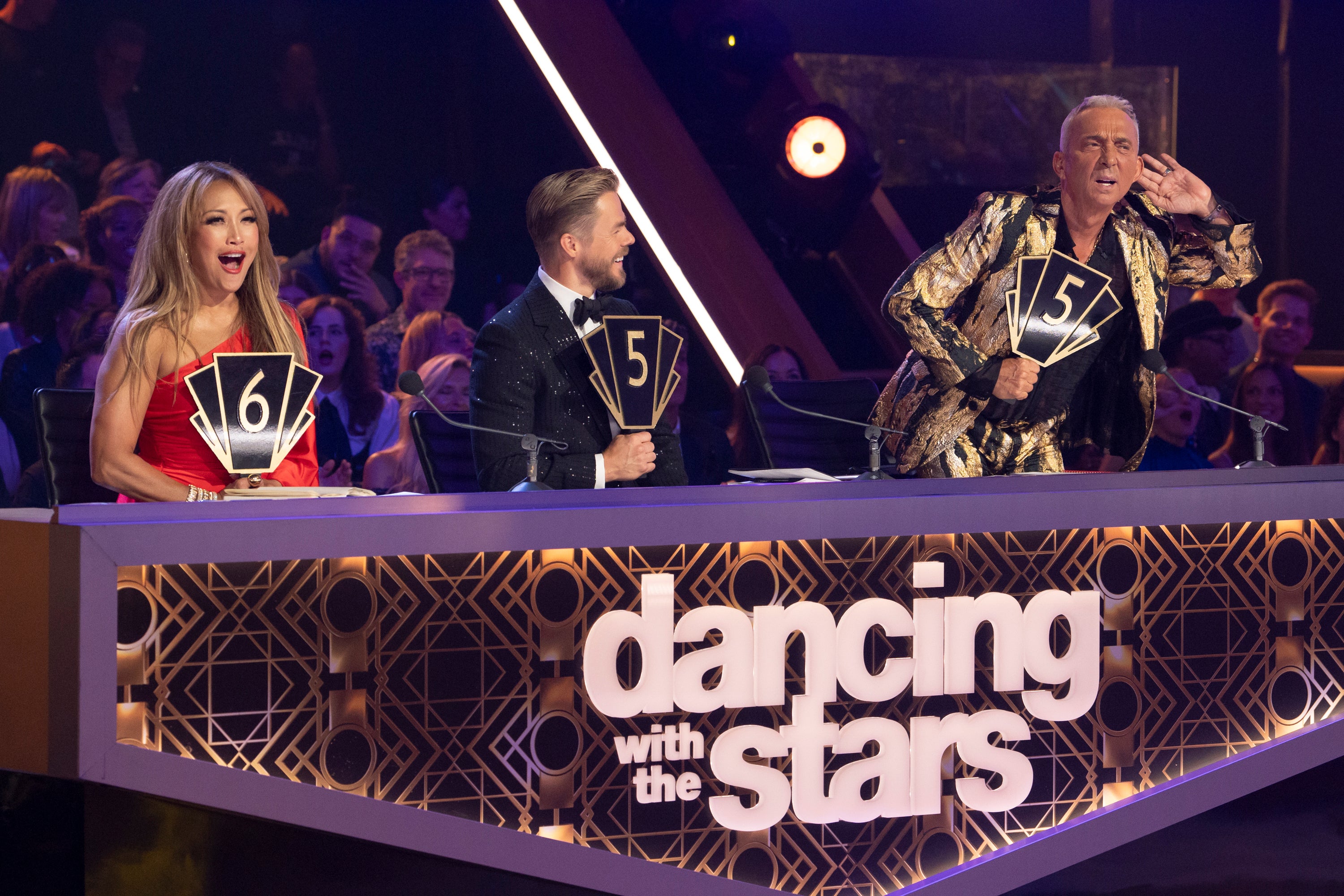
The judging panel for the fall 2019 season remained consistent with recent years, featuring Carrie Ann Inaba, Len Goodman, and Bruno Tonioli. Their feedback represented a blend of technical critique, artistic evaluation, and audience engagement commentary.
- Carrie Ann Inaba: Focused heavily on technical precision, posture, and the "lift rule," which often served as a point of contention during the season.
- Len Goodman: Provided the traditional ballroom perspective, emphasizing fundamentals, rhythm, and the classic character of the dances.
- Bruno Tonioli: Focused on performance quality, theatricality, and the overall "storytelling" aspect of each routine.
Scores were assigned on a scale of 1 to 10 from each judge, totaling a maximum of 30 points per routine. However, the cumulative score was then combined with the weighted percentage of the live public vote. This hybrid system meant that even a contestant with lower judge scores could potentially remain in the competition if they maintained a strong enough public following, a mechanic that became a frequent topic of debate among fans and critics throughout the season.
Comparison of Finale Placements
The finale, which aired on November 25, 2019, showcased the culmination of the contestants' training. The following table illustrates the final standings of the four finalists.
| Contestant | Professional Partner | Final Placement |
|---|---|---|
| Hannah Brown | Alan Bersten | 1st Place (Winners) |
| Kel Mitchell | Witney Carson | 2nd Place |
| Ally Brooke | Sasha Farber | 3rd Place |
| Lauren Alaina | Gleb Savchenko | 4th Place |
Challenges and Controversies
No season of Dancing with the Stars is without its challenges, and Season 28 was no exception. The introduction of live voting was met with logistical hurdles, particularly for viewers in different time zones. Because the voting happened in real-time, those on the West Coast were often required to vote before seeing the full performance, leading to complaints about the fairness of the system.
Additionally, there was ongoing discourse regarding the "popularity versus performance" dynamic. Because the public vote carried significant weight, fans frequently debated whether the judges' technical expertise was being overshadowed by the celebrity's pre-existing fanbase. This tension is inherent to the format but was particularly acute during the 2019 season due to the strong fan bases of the reality television stars involved.
Technical difficulties occasionally plagued the live broadcasts as well. From music synchronization errors during high-intensity routines to costume malfunctions, the live nature of the show meant that there was no "take two." The ability of the dancers to recover and continue performing under these circumstances remained a testament to their professional training.
The Role of Theme Nights
A staple of the series, the theme nights in Season 28 served to keep the competition fresh for viewers while testing the versatility of the contestants.
- Disney Night: This episode typically features songs from classic and modern animated films, requiring couples to match the whimsical tone of the movies while adhering to ballroom standards.
- Movie Night: Here, contestants chose iconic cinematic scenes to replicate. This tested their ability to portray specific characters rather than just performing technical steps.
- Halloween Night: This episode usually features more theatrical makeup and costume elements, pushing the couples to perform "scarier" or more intense dance styles, such as the Paso Doble or Argentine Tango.
These themes were not just aesthetic; they were instrumental in helping the celebrities connect with the audience. By choosing music or films that resonated with viewers, the couples often saw a boost in their public voting numbers, reinforcing the importance of the emotional connection established throughout the season.
Legacy of Season 28
The fall 2019 season is often remembered as a pivotal moment for the series. It was the last season to feature the long-standing production dynamic before the pandemic-era changes that would alter the show’s format in 2020. The victory of Hannah Brown underscored the power of a dedicated digital following, while the high scores earned by performers like Ally Brooke served as a reminder of the sheer athletic demand required of the contestants.
For viewers looking to revisit this era of the show, the 2019 season remains a comprehensive case study in how the franchise balanced traditional ballroom discipline with the modern demands of live, interactive reality television.
Frequently Asked Questions
Who won the Dancing with the Stars Fall 2019 season?
Hannah Brown and her professional partner, Alan Bersten, were crowned the champions of Season 28. They competed against three other couples in the finale to take home the Mirrorball Trophy.
How did the voting work for the Fall 2019 season?
Voting occurred live during the broadcast, requiring viewers to submit their votes via the official website or app within specific windows. This real-time process meant that audience influence on the outcome was immediate and direct.
Was the fall 2019 season the only season that year?
Yes, the fall 2019 season was the only cycle of the show produced during that calendar year, as the production schedule had shifted away from the traditional two-season-per-year format at that time.
What were the main judging criteria?
The judges evaluated contestants on technical footwork, posture, rhythm, musicality, and performance quality. Each judge provided a score out of 10, and these scores were weighted alongside the public vote to determine who remained in the competition.
Did the theme nights affect the final results?
Theme nights influenced the musical and creative direction of the routines, which in turn impacted audience engagement. Popular themes often helped celebrities gain more votes by connecting with viewers on an emotional level through familiar songs and characters.
Where can I find information about current rules?
Rules and voting regulations for Dancing with the Stars are updated periodically. For the most current information regarding the 2026 season or general show participation, refer to the official ABC Dancing with the Stars website or the official show social media channels.
Recommendation for Further Exploration
If you are interested in the evolution of Dancing with the Stars, it is recommended to review the official archives on the ABC network portal. Comparing the scoring trends and demographic data from the 2019 season to more recent broadcasts can provide deeper insight into how audience voting habits and judging standards have shifted over the last seven years.
Image Gallery