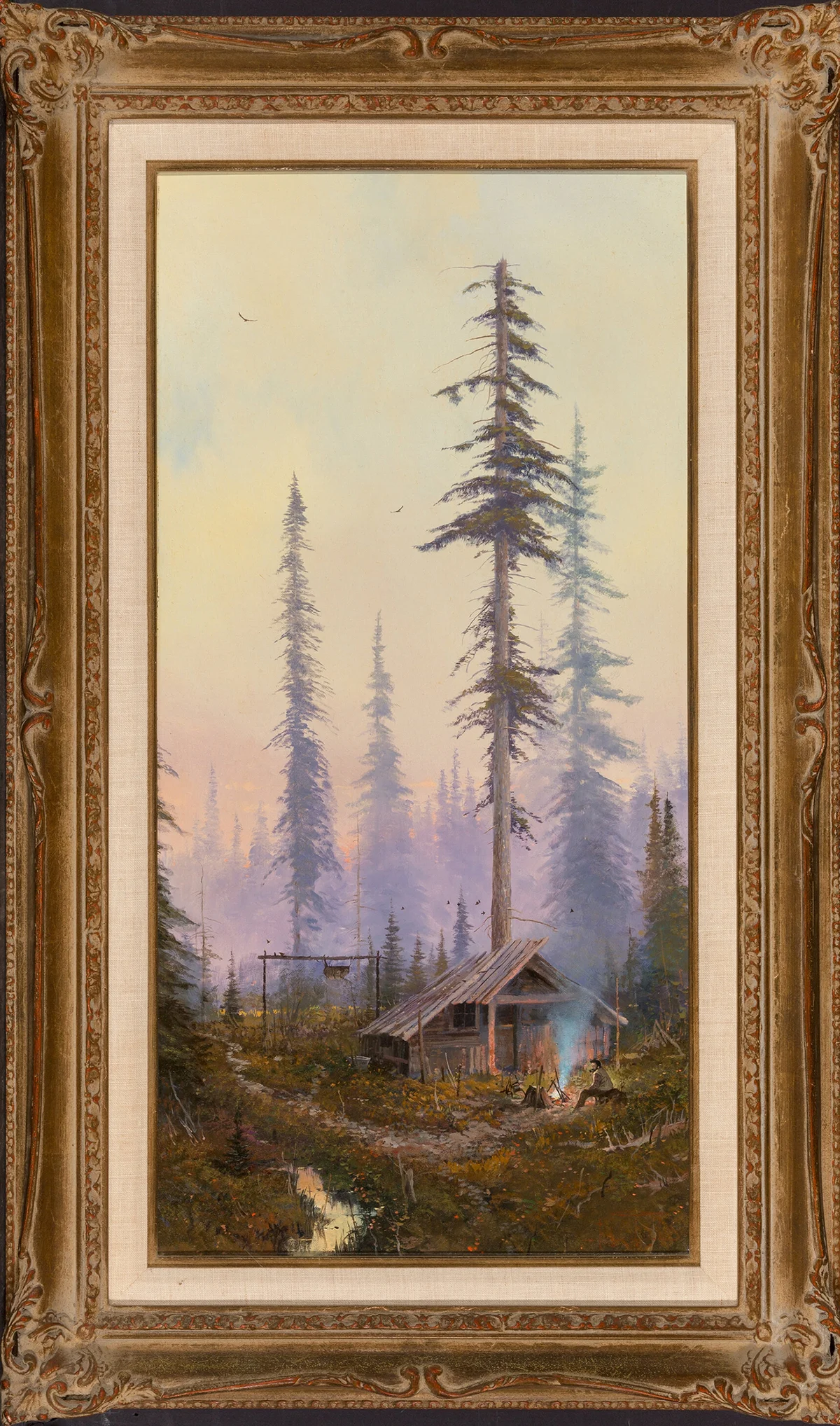
Thomas Kinkade Most Valuable Painting Market Highlights and Provenance
Thomas Kinkade’s most valuable works are his original oil paintings, which can command prices between $100,000 and over $500,000 depending on their size, subject matter, and historical significance. While his mass-produced prints have...
Thomas Kinkade’s most valuable works are his original oil paintings, which can command prices between $100,000 and over $500,000 depending on their size, subject matter, and historical significance. While his mass-produced prints have a saturated secondary market, verified originals and rare "Master Editions" remain the primary drivers of high-value provenance and investment-grade interest in 2026.
Contents
Understanding the Thomas Kinkade Value Hierarchy
To navigate the market for Thomas Kinkade’s work, one must first distinguish between the millions of mass-market reproductions and the scarce original works created by the artist’s own hand. As of 2026, the market has bifurcated sharply. Common lithographs found in suburban homes often hold purely sentimental value, whereas the "Originals" category remains a niche, high-stakes environment for serious art collectors.
The value of a Kinkade piece is dictated by its tier within the Thomas Kinkade Company’s complex edition structure. At the absolute top are the Original Oils. Below those are the various limited edition prints, which are further subdivided into categories like Master Editions, Renaissance Editions, and Studio Proofs. Each tier represents a different level of "touch" from either the artist (during his lifetime) or the studio's master highlighters.
For a painting to be considered "most valuable," it must possess a clear chain of custody—provenance—that links it directly to Kinkade’s studio or a recognized gallery with documented purchase records. In the current market, works that Kinkade painted "en plein air" (outdoors) or large-scale studio masterpieces are the most sought-after assets.
Market Highlights: The Most Valuable Categories
The Kinkade market in 2026 continues to be defined by a few specific categories that consistently outperform general listings at auction and private sales.
Original Oil Paintings
Originals are the "holy grail" for Kinkade collectors. Unlike the prints, which were produced by the thousands, Kinkade’s original canvases are rare. Major works like The Christmas Cottage or Mountain Majesty are quintessential examples of his "Painter of Light" style. These works are valued not just for their aesthetic, but for the fact that every brushstroke was applied by Kinkade himself. Market highlights for these originals often see them appearing in specialized Americana auctions rather than general decor sales.
Master Editions (ME)
For many collectors who cannot afford a six-figure original, the Master Edition is the pinnacle of the print market. These are essentially the "original of the edition." They are usually printed on canvas, hand-highlighted by a Master Highlighter, and often bore a special signature or a thumbprint from Kinkade himself during his lifetime. In 2026, a well-preserved Master Edition of a popular image like Deer Creek Cottage can still fetch significantly more than standard numbered prints.
Disney Collaborative Works
A surprising area of strength in the Kinkade market is the "Disney Dreams Collection." While Kinkade was often criticized by the high-art establishment, his collaboration with Disney created a massive crossover market. Originals from this series—if they ever reach the secondary market—are treated as blue-chip assets due to the dual-collectibility factor of both Kinkade fans and Disneyana enthusiasts.
The Critical Importance of Provenance
In the world of Thomas Kinkade, provenance is everything. Because the artist’s work was so heavily commercialized, the market is rife with "fakes" or misrepresented prints. Provenance refers to the documented history of the painting's ownership, which serves as a guide to its authenticity and value.
Certificates of Authenticity (COA)
Every high-value Kinkade piece should be accompanied by an official Certificate of Authenticity from the Thomas Kinkade Company or Media Arts Group. However, in 2026, savvy collectors know that a COA alone is not enough. The COA must match the DNA-ink signature or the specific edition numbers etched or printed on the canvas.
The DNA-Infused Ink
To combat the rising tide of forgeries during the height of his popularity, Kinkade began using a signature ink that contained his own DNA. This high-tech approach to provenance allows forensic verification of an original's authenticity. If a piece is claimed to be a late-period original but lacks this verifiable signature (where applicable), its market value drops precipitously.
Gallery Records and Appraisals
Detailed records from the original point of sale—usually a signature Kinkade Gallery—provide the strongest provenance. In 2026, digital archives of these galleries have become essential for verifying the chain of title. An appraisal by a certified member of the International Society of Appraisers (ISA) who specializes in 20th-century American art is often required for insurance and high-end resale.
Technical Specifications: Edition Value Comparison
Understanding the technical distinctions between editions is vital for determining market value. The following table highlights the differences that drive pricing in 2026.
| Edition Type | Abbreviation | Highlighting Level | Relative Value | Primary Market Intent |
|---|---|---|---|---|
| Original Oil | N/A | 100% Artist Hand | Extremely High | Museum/Investment |
| Master Edition | ME | Heavy Studio Highlighting | High | Serious Collector |
| Renaissance Edition | RE | Significant Highlighting | Medium-High | Premium Home Decor |
| Studio Proof | SP | Artist/Studio Touched | Medium | Enthusiast |
| Standard Numbered | SN | Minimal/None | Low | General Consumer |
Factors Influencing Valuation in 2026
Several external and internal factors continue to shift the value of Kinkade’s most important works.
- Subject Matter: Landscapes and "cottage-core" aesthetics remain the most valuable. Urban scenes or darker, more experimental works (which Kinkade occasionally painted under the pseudonym Robert Girrard) have a smaller, though dedicated, following.
- Condition: Canvas sagging, yellowing of the varnish (common in some 1990s prints), and frame damage can reduce value by 30% or more. High-value originals are often kept in climate-controlled environments to prevent the degradation of the oil layers.
- The "Kinkade Studios" Effect: After Kinkade’s death in 2012, the "Thomas Kinkade Studios" continued to produce work. There is a distinct price premium for works completed while the artist was alive (pre-2012) compared to posthumous studio releases.
- Scarcity of Originals: As original oils move into permanent private collections or foundations, the "float" of available high-end pieces decreases, which naturally exerts upward pressure on the price of the few that do reach auction.
Investment Outlook and Market Stability
As we look at the 2026 landscape, the Thomas Kinkade market has matured. The speculative bubble of the late 90s has long since burst, leaving behind a stable market for the highest-quality items. For those holding standard lithographs, the market remains soft due to oversupply. However, for those holding verified originals or rare Master Editions, the market shows resilience.
The "Painter of Light" brand remains one of the most recognized in American history. This brand recognition provides a "floor" for the value of his most important works. While he may not be a darling of the contemporary avant-garde, his place in the history of American commercial art is secure, and his most valuable paintings are treated as historical artifacts of that era.
FAQ
What is the single most expensive Thomas Kinkade painting ever sold?
While many private sales are not disclosed, original oils like The Christmas Cottage have been valued in the range of $500,000. Most high-end public auction records for his originals tend to fall between $100,000 and $300,000 depending on the size and iconic nature of the image.
How can I tell if my Kinkade is an original or a print?
An original oil will have visible texture throughout the entire piece, not just in specific highlighted areas. If you look at the canvas under a magnifying glass, a print will show a dot pattern (offset lithography) or a smooth spray (giclée), whereas an original will show the organic flow of paint. Furthermore, most originals do not have an edition number (e.g., 50/500) on the front.
Does the DNA signature actually make a painting more valuable?
Yes, but primarily as a tool for verification. The "DNA signature" was a security feature. In 2026, its presence on a high-value work provides the buyer with peace of mind, which maintains the price point. A work without verifiable provenance is much harder to sell at a premium.
Are "Thomas Kinkade Studios" paintings valuable?
Paintings produced by the "Studios" after 2012 are generally considered "decorative" rather than "fine art investments." While they are beautiful and have retail value, they do not command the high auction prices associated with works Kinkade personally touched or finished during his lifetime.
Where is the best place to sell a high-value Kinkade original?
High-value originals should be handled by reputable auction houses like Heritage Auctions or Sotheby’s, or through specialized art brokers. Avoid general online marketplaces for items valued over $10,000, as these platforms lack the vetting processes required by high-end collectors.
Practical Recommendation for Collectors
If you believe you possess a high-value Thomas Kinkade original or a rare Master Edition, your first step in 2026 should be to secure a professional appraisal. Do not rely on "sold" prices from general e-commerce sites, as these often conflate different edition tiers. Ensure your documentation—including the COA and original gallery receipt—is digitized and stored safely. For those looking to buy, focus exclusively on works with a clear, documented provenance and, if possible, seek out original oils painted during the 1980s or 1990s, which represent the peak of Kinkade’s technical "Painter of Light" era.
Image Gallery