Comprehensive Guide to Life Insurance Options for Parents in the UK (2026)
Life insurance for parents in the UK provides a financial safety net designed to replace lost income, clear debts, and cover future costs like education if a parent passes away. The most common options include level term insurance for...
Life insurance for parents in the UK provides a financial safety net designed to replace lost income, clear debts, and cover future costs like education if a parent passes away. The most common options include level term insurance for fixed payouts, decreasing term for mortgages, and family income benefit for monthly support. Selecting the right policy involves balancing premium costs against the specific developmental milestones of your children.
Contents
The primary purpose of parental life insurance is "peace of mind," but in 2026, the technical application of these policies has become more nuanced due to shifting economic conditions and evolving household structures. Whether you are a new parent, a single parent, or a stay-at-home carer, understanding the specific mechanics of UK policy types is essential for protecting your family's standard of living.
Why Parental Life Insurance is Critical in 2026
As of 2026, the cost of raising a child in the United Kingdom continues to place significant pressure on household budgets. Beyond immediate needs like food and clothing, parents must account for long-term obligations such as mortgage repayments, rising childcare costs, and the eventual support for higher education.
If a primary breadwinner passes away, the loss of income can lead to immediate financial distress. However, the loss of a stay-at-home parent can be equally devastating financially. The cost of outsourcing domestic labor—childcare, cleaning, and transport—often exceeds the remaining parent’s ability to pay. Therefore, life insurance is not merely an "income replacement" tool but a "service replacement" tool for families.
Core Types of Life Insurance for UK Parents
The UK insurance market offers several distinct structures. Choosing between them depends on whether you want to provide a one-off lump sum or a steady stream of revenue for your beneficiaries.
Level Term Life Insurance
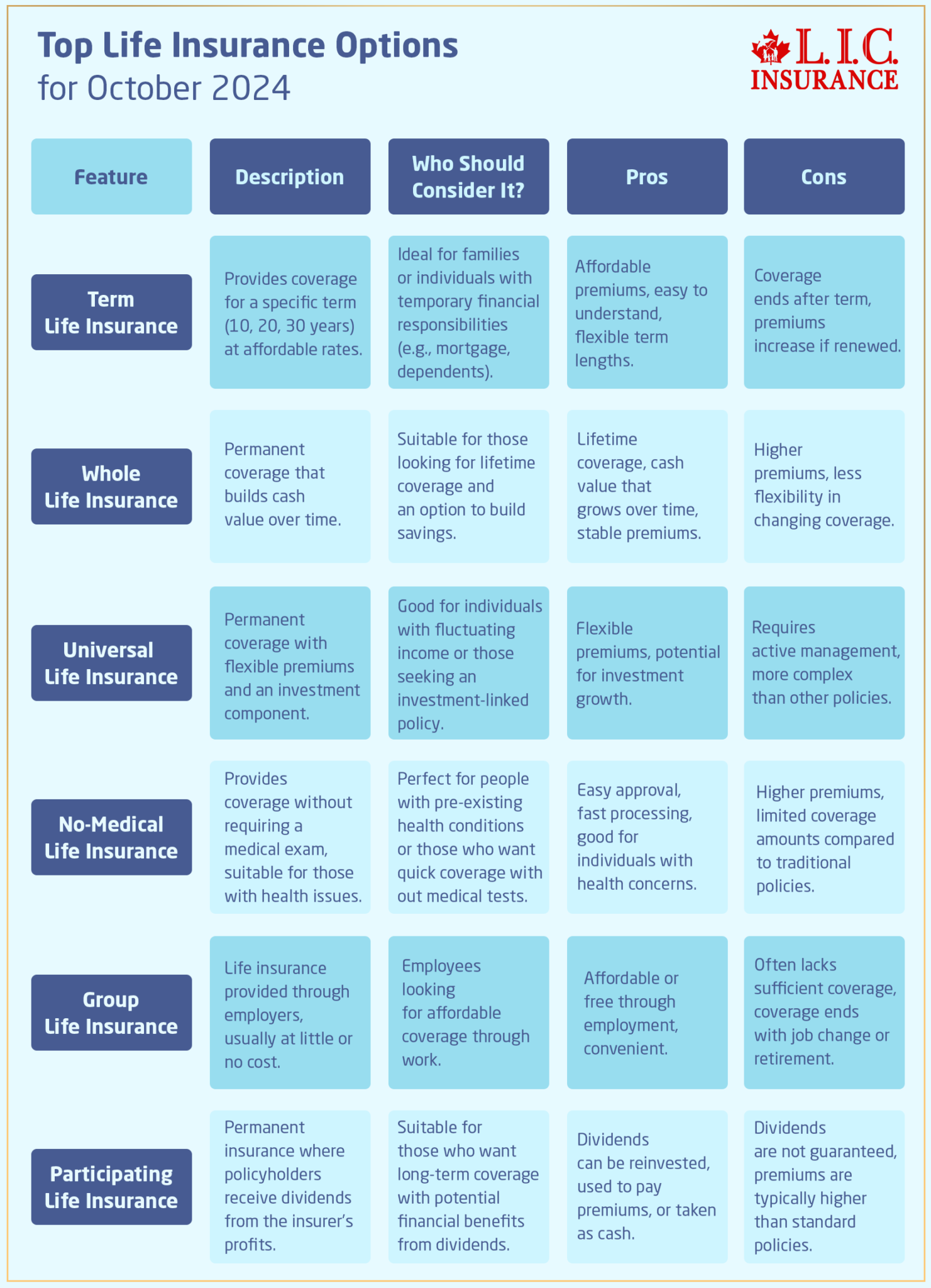
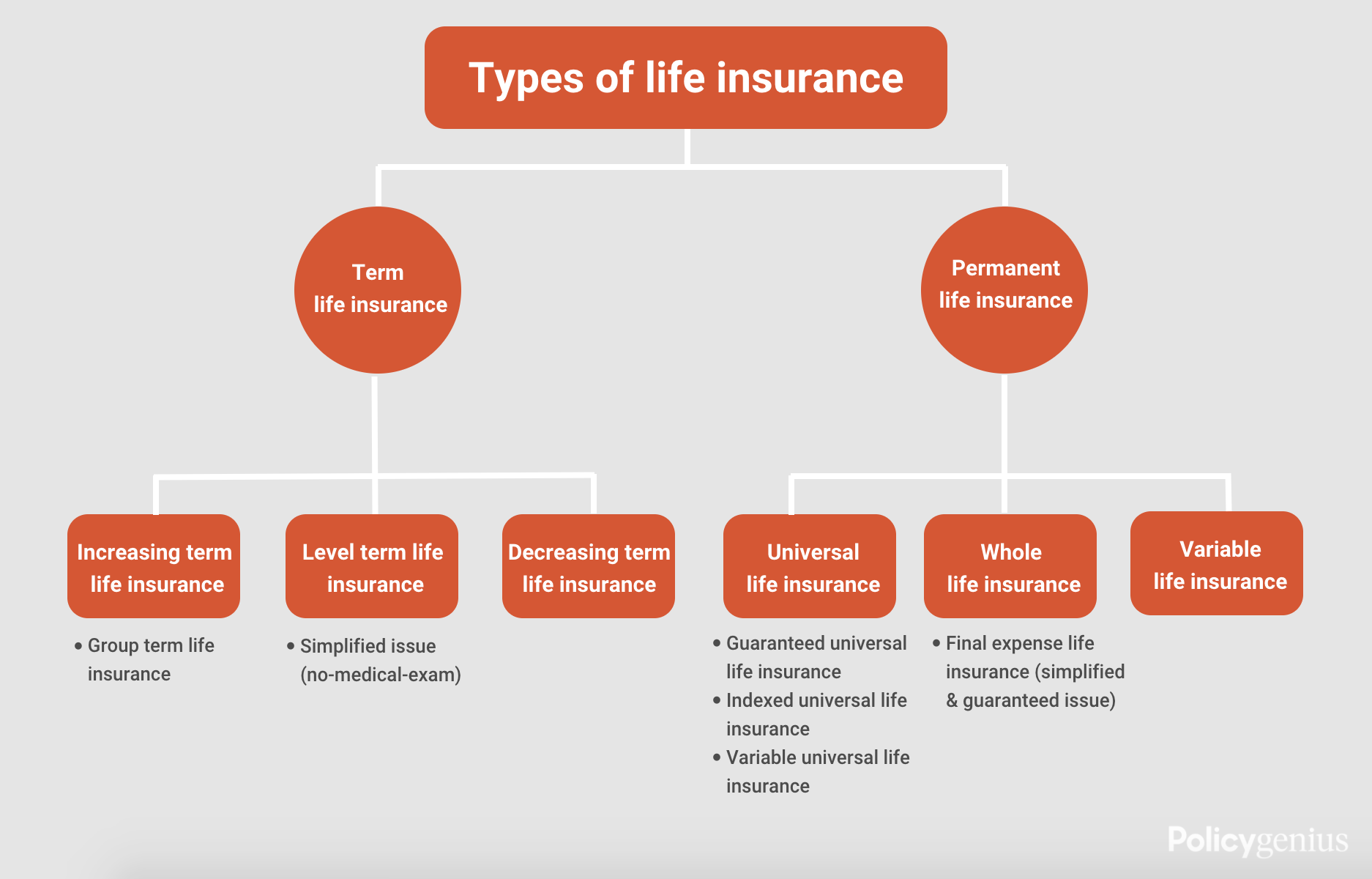
This is the most straightforward form of cover. You choose a specific sum (the "sum assured") and a timeframe (the "term"), such as 20 years. If you die within that term, the policy pays out the full amount. In 2026, many parents choose level term insurance to ensure that their children are protected until they reach independence, typically age 18 or 21. Because the payout remains the same regardless of when the claim is made, it is often used to cover both living expenses and future educational costs.
Decreasing Term Life Insurance
Often referred to as mortgage life insurance, the payout amount of this policy reduces over time, roughly in line with a repayment mortgage. Because the risk to the insurer decreases as the potential payout drops, premiums are generally lower than level term cover. This is a cost-effective option for parents whose primary concern is ensuring the family home is debt-free for their children, though it leaves little for other daily expenses as the years progress.
Family Income Benefit (FIB)
Family Income Benefit is a specialized form of term insurance that many UK parents find more manageable than a lump sum. Instead of a single large payment, FIB pays out a regular tax-free income from the time of the claim until the end of the policy term. For example, if a parent takes a 20-year policy and passes away in year five, the policy pays a monthly or annual income for the remaining 15 years. This mirrors the structure of a regular salary, making it easier for the surviving parent to budget for ongoing household bills.
Whole of Life Insurance
Unlike term insurance, which only pays out if you die within a set period, whole of life insurance is guaranteed to pay out eventually, provided premiums are maintained. These policies are significantly more expensive and are typically used for Inheritance Tax (IHT) planning rather than basic family protection. For most young parents in 2026, the higher premiums of whole of life cover may not be as efficient as a high-value term policy.
Specialized Coverage Considerations
Every family unit has different requirements. In 2026, UK insurers have become more adept at offering flexible terms for non-traditional family structures.
The Stay-at-Home Parent
There is a common misconception that only the "earner" needs insurance. In reality, the "carer" provides services that would be extremely expensive to replace. A stay-at-home parent should have a policy that covers the cost of professional childcare and household management. This ensures the surviving parent can continue working without the added financial burden of full-time domestic help.
Single Parents and Guardianship
For single parents, life insurance is a vital component of a legal guardianship plan. If the sole caregiver passes away, the insurance payout can be managed by a trustee to provide for the child’s upbringing under the care of a designated guardian. Without a policy, the child may be reliant on state benefits or the guardian's personal finances, which may be insufficient.
Joint vs. Single Policies
Couples can choose between two single policies or one joint policy.
- Joint Policies: Usually "first death," meaning the policy pays out when the first partner dies and then the cover ends. This is often cheaper but leaves the surviving parent without cover at a time when their health may have declined, making new cover expensive.
- Two Single Policies: These provide two separate payouts. If both parents were to pass away simultaneously, the children would receive double the protection. This is often recommended by UK financial advisors as the "gold standard" for family protection.
Essential Add-ons: Critical Illness and Waiver of Premium
Life insurance only pays out upon death or, in some cases, a terminal illness diagnosis (where life expectancy is less than 12 months). However, many parents face financial ruin not due to death, but due to a serious illness that prevents them from working.
Critical Illness Cover (CIC)
Most UK insurers allow you to add Critical Illness Cover to a life policy. This pays out a tax-free lump sum if you are diagnosed with a specific condition listed in the policy, such as certain types of cancer, a heart attack, or a stroke. For parents, this money can cover mortgage payments during recovery or fund private medical treatment and home adaptations. According to the Association of British Insurers (ABI), CIC is one of the most claimed-upon insurance products in the UK.
Waiver of Premium
This is a low-cost add-on that ensures your life insurance premiums are paid by the insurer if you become too ill or injured to work for a prolonged period (usually after six months). For parents on a tight budget, this prevents the policy from lapsing exactly when it is needed most.
Comparing Parental Life Insurance Options
| Policy Type | Best For | Payout Structure | Premium Cost (Relative) |
|---|---|---|---|
| Level Term | General family protection and school fees. | Fixed lump sum. | Moderate |
| Decreasing Term | Repayment mortgages. | Reducing lump sum. | Low |
| Family Income Benefit | Monthly living expenses/budgeting. | Regular tax-free income. | Low to Moderate |
| Whole of Life | Inheritance tax and funeral costs. | Guaranteed lump sum. | High |
| Joint (First Death) | Basic protection for couples. | One lump sum (ends cover). | Low |
The Role of Trusts in Parental Life Insurance
One of the most important technical steps for UK parents is writing the policy "in trust." If a policy is not in trust, the payout forms part of your legal estate. This means:
- Inheritance Tax: The payout may be subject to a 40% tax if your estate exceeds the current thresholds.
- Probate Delays: It can take months for the money to be released while the government processes your will.
By using a trust deed—which most UK insurers provide for free at the point of application—the money goes directly to your beneficiaries (or their guardians). This usually happens within weeks and is generally exempt from Inheritance Tax. In 2026, with property prices keeping many families near the IHT threshold, the use of trusts is a critical recommendation from organizations like MoneyHelper.
Determining the Correct Amount of Cover
A common rule of thumb is to insure for 10 times the highest earner's salary. However, a more accurate calculation for parents involves the "DIME" method:
- Debt: Include the mortgage, car loans, and credit cards.
- Income: How many years of salary replacement do your children need?
- Mortgage: Ensure the house is paid off entirely.
- Education: Factor in university tuition or private school fees.
In 2026, you should also account for inflation. A £200,000 payout today will have significantly less purchasing power in 15 years. Some "index-linked" policies automatically increase the cover and premiums in line with the Retail Prices Index (RPI) to combat this.
Frequently Asked Questions
Can I get life insurance if I have a pre-existing medical condition?
Yes, most UK insurers offer cover for individuals with pre-existing conditions, though you may face "ratings" (higher premiums) or specific exclusions. In 2026, the use of medical data and wearable tech in underwriting has made it easier for people with well-managed conditions like Type 2 diabetes or hypertension to find affordable coverage.
Does life insurance cover pregnancy-related issues?
Standard life insurance covers death during or after childbirth. However, if you are applying while pregnant, some insurers may postpone your application if you have pregnancy-related complications like gestational diabetes or pre-eclampsia until after you have given birth and received a clean bill of health.
How do I ensure the money goes to my children if they are under 18?
Minors in the UK cannot legally receive a large insurance payout directly. You must name trustees (usually a spouse, family member, or solicitor) who will manage the funds on the children's behalf until they reach the age specified in the trust (usually 18 or 21).
Is the payout from UK life insurance taxable?
Generally, life insurance payouts are free from UK Income Tax and Capital Gains Tax. However, as noted previously, they can be subject to Inheritance Tax if the policy is not written in trust. Always verify the current HMRC guidelines regarding estate limits.
Can I change my policy if I have more children?
Most modern UK policies include a "Guaranteed Insurability Option." This allows you to increase your cover without further medical evidence after significant life events, such as the birth or adoption of a child, getting married, or increasing your mortgage.
Practical Next Steps for Parents
- Audit Your Debt: Calculate your total mortgage balance and any outstanding personal loans.
- Assess Employer Benefits: Check if your employer offers "Death in Service" benefit. This is often 2-4 times your salary. While useful, it usually stops if you leave the job, so it should be treated as a supplement rather than a replacement for private insurance.
- Consult a Broker: While price comparison sites are useful for basic quotes, a specialist protection broker can help navigate complex needs, especially for critical illness add-ons or writing policies in trust.
- Review Annually: As your children grow and your mortgage reduces, your insurance needs will change. Ensure your policy remains "fit for purpose" every year.
Image Gallery