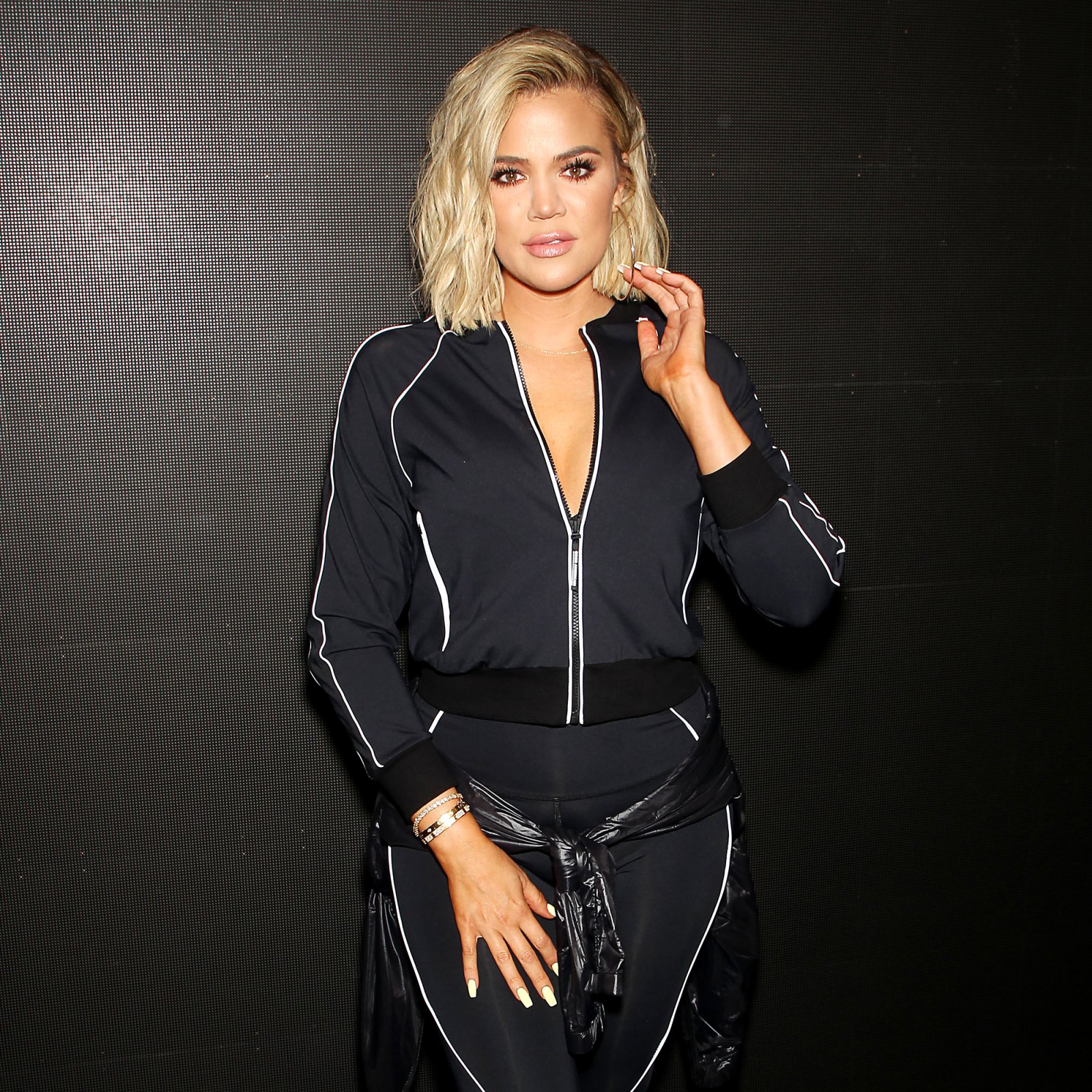
Understanding the Khloe Kardashian Hands Meme: Context and Digital Discourse
The Khloe Kardashian hands meme refers to a recurring social media phenomenon where internet users scrutinize and mock the appearance of the television personality’s hands in her posted photographs. Often centered on perceived discrepa...
The Khloe Kardashian hands meme refers to a recurring social media phenomenon where internet users scrutinize and mock the appearance of the television personality’s hands in her posted photographs. Often centered on perceived discrepancies in skin texture, finger length, or photo-editing artifacts, the meme reflects broader public discussions regarding celebrity body image, digital manipulation, and the parasocial relationship between high-profile figures and their audiences.
Contents
The Origin of the Discourse
The fascination with Khloe Kardashian’s hands began as a niche observation on platforms like TikTok and X (formerly Twitter) around 2020 and 2021. As a public figure who frequently posts high-quality, professional, and often heavily filtered content, Kardashian became a focal point for audiences hyper-fixated on the authenticity of celebrity imagery.
The meme specifically gained traction when followers noticed that while Kardashian’s face and body appeared smoothed and airbrushed in accordance with modern social media aesthetic standards, her hands sometimes appeared to lack the same level of digital retouching. Alternatively, at other times, observers claimed to see evidence of "warping"—a common side effect of using slimming or smoothing tools on complex anatomical structures like joints and fingers. This contrast created a visual "uncanny valley" effect for viewers, leading to a surge of zoomed-in screenshots and side-by-side comparisons being circulated online.
Why Hands Are a Focal Point for Digital Scrutiny
In the world of professional digital editing, hands are notoriously difficult to manipulate convincingly. Unlike the relatively smooth surface of a cheek or a shoulder, hands contain a complex network of tendons, knuckles, veins, and varying skin textures.
When photo-editing applications—or even professional-grade software—are applied to an entire image, they often struggle to differentiate between the subtle anatomical features of a hand and "imperfections" that the user intends to erase. This leads to three distinct technical issues that have fueled the meme:
- Smoothing Artifacts: Over-processing the skin can erase natural lines and creases, making the hand appear "plastic" or unnaturally uniform.
- Warping/Distortion: Using "reshape" or "slimming" filters often pulls the background or the object being modified, resulting in bent finger joints or lines that do not align with natural human anatomy.
- Proportional Mismatches: If a person filters their face to be thinner or more angular while forgetting to apply the same intensity of filter to the rest of their body, the sudden disparity in skin texture or size can appear jarring to the viewer’s eye.
The Role of Parasocial Interaction
The meme is not purely about technical editing errors; it is deeply rooted in the audience's relationship with the Kardashian-Jenner brand. Because the family built their fortune on a specific "brand" of curated physical perfection, they are often subjected to a higher degree of scrutiny than other celebrities.
For critics, pointing out an "unedited" or "badly edited" hand is a way to reclaim a sense of reality. By highlighting a slip-up in the digital facade, the audience engages in a communal validation of their own insecurities, essentially suggesting that even those with seemingly unlimited resources to maintain their appearance are still subject to the same physical realities as everyone else. The meme acts as a form of social leveling, where the digital misstep serves as evidence of humanity behind the celebrity persona.
Comparative Analysis of Celebrity Photo Trends
To understand why this specific meme persists, it is helpful to compare it to other digital beauty standards common in the mid-2020s.
| Trend Type | Technical Mechanism | Audience Perception |
|---|---|---|
| Face Smoothing | Texture reduction, pore removal | High acceptance; standard practice |
| Body Slimming | Liquify tools, pixel displacement | Moderate acceptance; high scrutiny |
| Hand Editing | Manual touch-ups, skin blending | High ridicule; often seen as "lazy" |
| Unfiltered Posts | Minimal adjustment | Generally praised as "authentic" |
The distinction is clear: audiences have become highly sophisticated in detecting digital manipulation. While users largely accept that images are "enhanced," the failure to edit hands—or conversely, over-editing them—is seen as a breakdown in the illusion, which invites mockery.
The Impact of "Uncanny" Imagery
The reason the hands meme specifically resonates is due to the psychological concept of the uncanny. When a person looks at a hand, they have an intuitive, lifelong understanding of how it should look and move. When a photograph shows a hand that has been technically smoothed beyond the reality of skin texture, the brain registers it as "wrong" before the person can consciously identify why.
This leads to a visceral reaction where the observer feels a need to share the image. This sharing cycle is what drives the meme’s longevity. Every time a new photograph is posted that highlights these features, the cycle resets: the image is shared, analyzed, compared to past examples, and commented upon in thousands of forums.
Practical Implications for Modern Media Consumption
For those observing or participating in this discourse, it is important to distinguish between deliberate, malicious criticism and the broader critique of beauty standards. While many memes are intended to be lighthearted or observational, they contribute to a culture where celebrities feel the need to edit even the smallest details of their physical form.
Understanding the "Khloe Kardashian hands" meme provides insight into:
- Digital Literacy: Recognizing how common photo-editing tools work and why they produce specific, recognizable errors.
- Societal Pressure: Acknowledging the extreme pressure on public figures to maintain a flawless image, which in turn fuels the cycle of editing and subsequent public "debunking."
- The Limits of Perfection: Accepting that the human body is inherently textured, and that digital attempts to "fix" it often create results that are less aesthetically pleasing than the original.
Frequently Asked Questions
Why do people care about someone’s hands in a photo? The interest stems from the desire for authenticity. In an era where almost every professional photograph is retouched, audiences look for "slips" or imperfections as a way to prove that the celebrity is a real person rather than a manufactured digital avatar.
Are these hands actually edited, or is it just the lighting? It is often a combination of both. Harsh lighting can accentuate natural skin texture, while filters designed to smooth skin can cause that texture to look muddy or plastic. When an image combines both, the brain struggles to interpret the visual information, making it look "off."
Is this form of criticism considered bullying? The line is subjective. Many fans engage in the meme as a way to vent frustration regarding unattainable beauty standards. However, when the focus shifts from the photo editing to the individual’s physical appearance, it often crosses into harassment. Most participants view it as a critique of the "Kardashian brand" rather than an attack on the person.
Will this trend change as AI-generated imagery becomes more common? As AI tools become more integrated into photo editing, "editing errors" will likely become less frequent. Ironically, this may lead to a new trend where the focus shifts from catching "bad" edits to questioning whether an entire image is generated by an algorithm rather than captured by a camera.
Recommendation for Further Research
If you are interested in the evolution of digital aesthetics, look into the history of the "Liquify" tool in creative software and its impact on modern portraiture. Understanding the technical side of image manipulation is the most effective way to separate genuine physical reality from the pervasive influence of digital filtering in 2026.
Image Gallery