Understanding the Symptoms of High Blood Sugar in Type 2 Diabetics
Hyperglycemia, or high blood sugar, occurs when there is an excess of glucose circulating in the bloodstream because the body either does not produce enough insulin or cannot effectively use the insulin it produces. For individuals liv...
Hyperglycemia, or high blood sugar, occurs when there is an excess of glucose circulating in the bloodstream because the body either does not produce enough insulin or cannot effectively use the insulin it produces. For individuals living with type 2 diabetes, recognizing the physical and physiological signals of elevated blood glucose is essential for preventing acute complications, such as diabetic ketoacidosis or hyperosmolar hyperglycemic state, and for long-term health management.
Contents
The Mechanism of Hyperglycemia
To understand the symptoms, one must first understand the role of glucose. In a healthy metabolism, the pancreas releases insulin to help muscle, fat, and liver cells absorb glucose from the bloodstream to be used for energy. In type 2 diabetes, this process is disrupted by insulin resistance, where cells fail to respond appropriately to insulin. As glucose accumulates in the blood instead of entering the cells, the body attempts to compensate by excreting the excess sugar through urine. This process drives many of the primary symptoms associated with high blood sugar.
Primary Physical Symptoms and Early Warning Signs
The onset of hyperglycemia symptoms can be gradual, often taking days or weeks to manifest, which is why consistent self-monitoring is vital. While individual experiences vary, the most common indicators often include:
- Polyuria (Frequent Urination): As blood sugar levels rise above the renal threshold, the kidneys work overtime to filter and remove the excess sugar. This requires drawing water from tissues, which leads to increased urine production.
- Polydipsia (Excessive Thirst): Because the body is losing significant fluid through frequent urination, the brain triggers a thirst response to prevent dehydration.
- Blurred Vision: High levels of glucose in the blood can cause fluid to shift into and out of the lenses of the eyes. This changes the shape of the lens, altering the ability to focus and leading to temporary blurriness.
- Fatigue: Even though there is an abundance of glucose in the blood, the body’s cells are effectively "starving" because the glucose cannot enter them for fuel. This lack of cellular energy results in persistent feelings of exhaustion.
- Unexplained Weight Loss: In the absence of sufficient insulin, the body may begin burning fat and muscle for energy instead of glucose, leading to weight loss despite normal or increased food intake.
Delayed Healing and Secondary Infections
Persistent hyperglycemia compromises the immune system and impairs blood circulation. This creates a secondary tier of symptoms that often appear when blood sugar has been consistently high over a longer period:
- Slow-Healing Sores or Cuts: Elevated blood sugar levels can damage blood vessels and reduce circulation, particularly in the extremities. Reduced blood flow impairs the delivery of oxygen and nutrients required for wound repair.
- Frequent Infections: High sugar levels provide a growth medium for certain bacteria and fungi. Individuals may notice recurring yeast infections, skin infections, or periodontal (gum) disease, which often serve as an early clinical indicator of undiagnosed or poorly managed diabetes.
Table: Common Symptoms and Their Physiological Origins
| Symptom | Primary Physiological Cause |
|---|---|
| Frequent Urination | Kidneys excreting excess glucose along with water. |
| Excessive Thirst | Compensatory mechanism to combat fluid loss. |
| Blurred Vision | Glucose-induced fluid shifts in the lens of the eye. |
| Extreme Fatigue | Inability of glucose to enter cells for energy production. |
| Slow Healing | Impaired circulation and compromised immune function. |
| Recurrent Infections | High sugar concentration fostering bacterial/fungal growth. |
When High Blood Sugar Becomes an Emergency
While many symptoms of high blood sugar are manageable through diet, activity, and prescribed medication, certain scenarios require immediate medical attention. If blood sugar levels remain persistently high (often defined by clinicians as over 240 mg/dL, though targets vary by individual) or if they are accompanied by "red flag" symptoms, the risk of life-threatening complications increases.
You should seek emergency medical care if you experience:
- Nausea, vomiting, or inability to keep fluids down.
- Fruity-smelling breath (a sign of ketones).
- Deep, rapid breathing.
- Confusion, disorientation, or extreme drowsiness.
- Abdominal pain.
These symptoms may indicate diabetic ketoacidosis (DKA) or hyperosmolar hyperglycemic state (HHS). These conditions involve severe dehydration and metabolic imbalance that cannot be corrected with home management and require rapid clinical intervention.
Troubleshooting and Management Steps
If you suspect your blood sugar is consistently high, the first step is verification. Relying on subjective feelings can be misleading, as some individuals may not notice symptoms until their levels are significantly elevated.
- Glucose Monitoring: Use a blood glucose meter or a Continuous Glucose Monitor (CGM) to verify your current level against your target range.
- Review Recent Intake: Analyze your recent meals and activity levels. Did you consume more carbohydrates than planned, or was your physical activity lower than usual?
- Medication Adherence: Check your records to ensure that prescribed insulin or oral medications were administered correctly. Never adjust your insulin dosage based on a single high reading without consulting your healthcare provider, as this can lead to dangerous hypoglycemia (low blood sugar).
- Hydration: If your blood sugar is high but you are not experiencing emergency symptoms, drink water. Hydration helps the kidneys flush out excess glucose.
- Consult Your Care Team: If blood sugar remains high despite following your established management plan, contact your primary care physician or endocrinologist. They may need to adjust your medication regimen or investigate potential external factors such as illness, stress, or medication interactions.
The Role of Consistent Monitoring
In 2026, technology provides more robust ways to track these trends than ever before. If you find that you are frequently experiencing the symptoms listed above, you should discuss the possibility of using a CGM with your physician. These devices provide real-time data, allowing you to see how your blood sugar responds to specific foods, exercise, and stressors, helping you move from reactive symptom management to proactive blood glucose control.
Disclaimer: This information is provided for educational purposes only and does not constitute medical advice, diagnosis, or treatment. Always seek the advice of your physician or another qualified health provider with any questions you may have regarding a medical condition.
Frequently Asked Questions
Can I have high blood sugar without feeling any symptoms? Yes. Many people with type 2 diabetes are asymptomatic, especially in the early stages or when blood sugar is only moderately elevated. This "silent" nature of the condition is why routine screenings and regular blood glucose monitoring are necessary even if you feel perfectly healthy.
Does stress affect blood sugar levels? Yes. When you are stressed, your body releases hormones like cortisol and adrenaline. These hormones signal the liver to release stored glucose into the bloodstream to prepare your body for a "fight or flight" response, which can cause blood sugar levels to rise, even if you have not eaten.
How do I know if my blurry vision is caused by diabetes? If your vision changes are related to high blood sugar, they are typically reversible once your blood glucose returns to a stable, target range. However, persistent hyperglycemia can cause long-term damage to the blood vessels in the retina (diabetic retinopathy). Always have vision changes evaluated by an eye care professional.
Why does high blood sugar make me so thirsty? Your body attempts to dilute the excess glucose in your bloodstream by pulling water from your cells. This process dehydrates your cells, which triggers the thirst center in your brain to encourage you to drink more water, both to rehydrate and to help your kidneys flush the sugar out through urine.
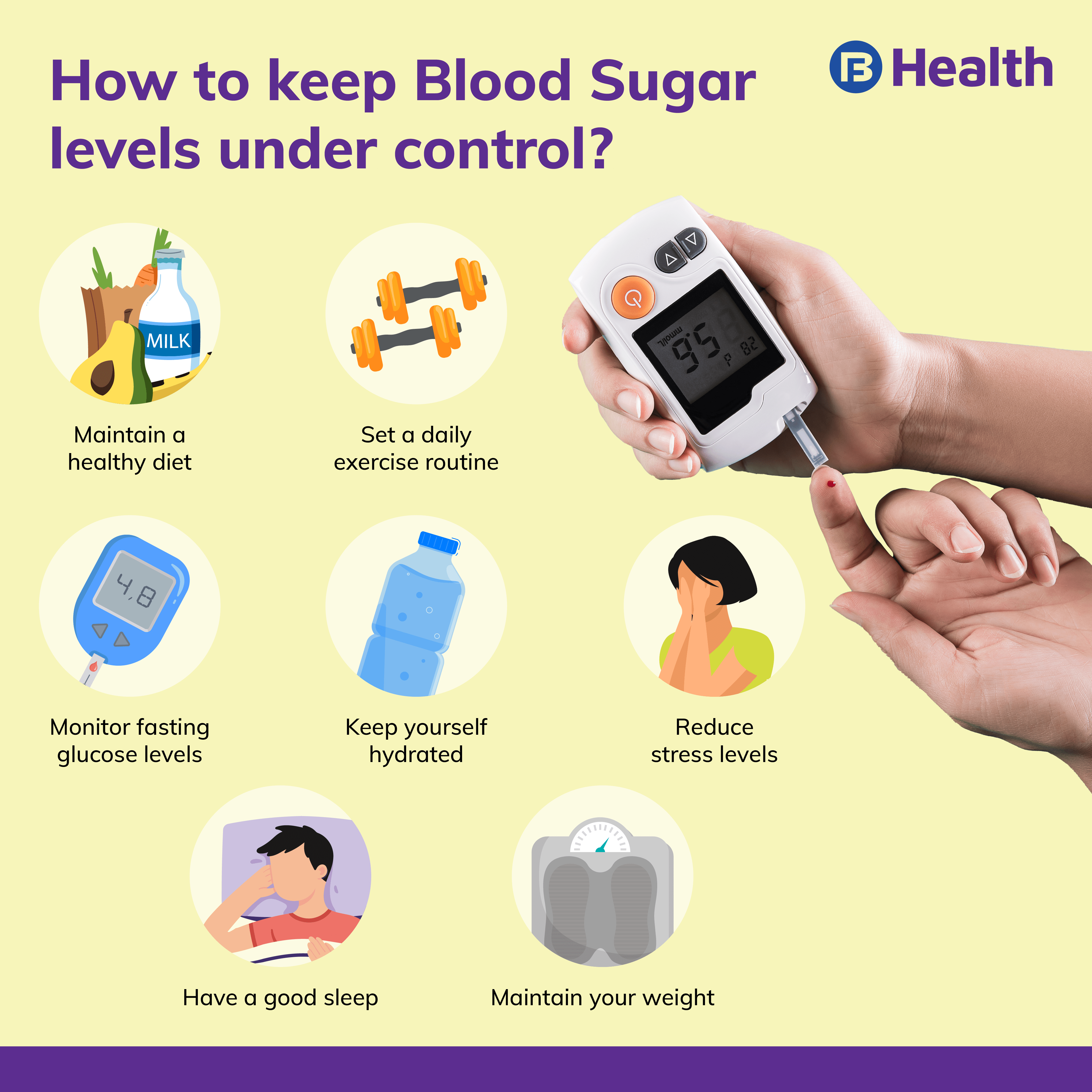
What is the best way to prevent symptoms of hyperglycemia? The most effective prevention strategy is adhering to your individualized treatment plan, which typically includes balanced nutrition, regular physical activity, consistent medication usage, and frequent blood glucose monitoring. Keeping your HbA1c—a measure of your average blood sugar over 2–3 months—within your target range is the best defense against symptoms and long-term complications.
Next Action: Establishing Your Baseline
If you are currently experiencing one or more of these symptoms, document the frequency and severity, along with your blood glucose readings, over the next 72 hours. Bringing this data to your next medical appointment allows your healthcare team to make evidence-based adjustments to your treatment plan. If you have not been diagnosed but suspect high blood sugar, schedule an A1C or fasting plasma glucose test with your doctor as soon as possible.
Image Gallery