Indiana Lake Homes for Sale: 2026 Real Estate Market Guide and Buying Strategies
Finding Indiana lake homes for sale requires navigating a diverse regional market that spans over 500 public lakes, ranging from bustling recreational hubs like Lake Wawasee and Freeman to quiet, conservation-focused waters in southern...
Finding Indiana lake homes for sale requires navigating a diverse regional market that spans over 500 public lakes, ranging from bustling recreational hubs like Lake Wawasee and Freeman to quiet, conservation-focused waters in southern counties. Securing the right waterfront property involves understanding local zoning laws, shoreline ownership regulations, dock permits, and seasonal market fluctuations unique to the Midwest in 2026.
Contents
Understanding the Indiana Waterfront Real Estate Landscape
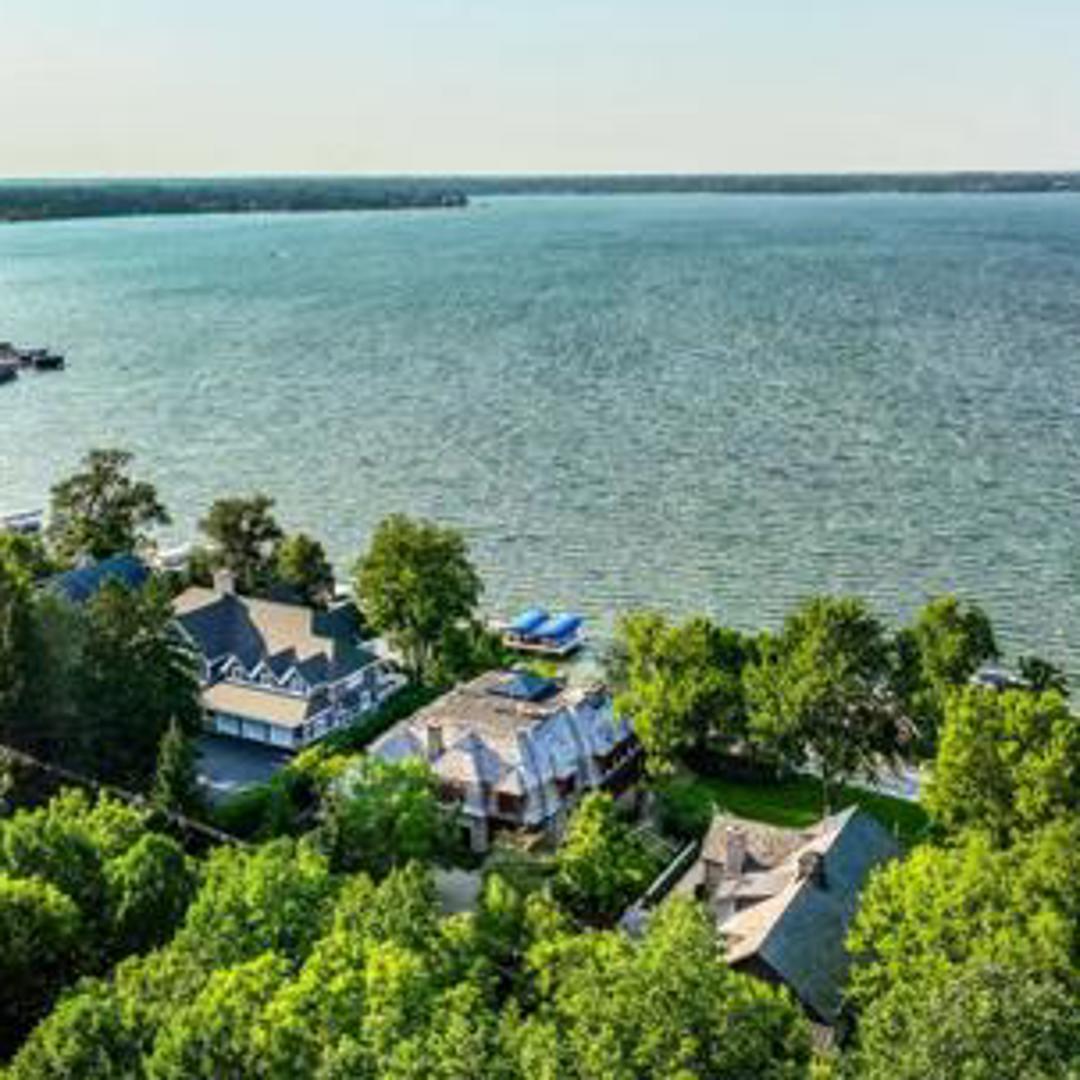
The Indiana lake home market is characterized by distinct geographical tiers. Northern Indiana features glacial lakes formed during the Wisconsin Glacial Episode, offering deep, clear water ideal for boating, fishing, and watersports. Counties like Kosciusko, Steuben, and Noble are home to major hubs such as Lake Wawasee, Syracuse Lake, and the James Lake chain. Central and southern Indiana feature primarily man-made reservoirs built by the U.S. Army Corps of Engineers or utility companies, including Lake Monroe, Geist Reservoir, and Patoka Lake.
Purchasing waterfront property in Indiana requires distinguishing between private lakes, public recreational lakes, and utility-controlled reservoirs. These designations directly impact property values, water rights, and day-to-day usage restrictions.
- Glacial Natural Lakes: Concentrated in northern Indiana, these typically offer private shoreline ownership, allowing property owners to construct permanent piers and retain littoral rights up to the water line.
- Reservoirs and Conservancy Lakes: Managed by state agencies or conservancy districts, these bodies of water often involve leased shorelines, strict dock-zoning permits, and specific horsepower or speed restrictions.
- Urban and Suburban Lakes: Bodies of water near Indianapolis, such as Geist and Morse Reservoirs, command significant price premiums due to proximity to metropolitan employment centers and commuting corridors.
Key Technical and Legal Considerations Before Making an Offer
Buying a lake home involves physical and legal complexities that extend far beyond standard residential real estate transactions. Buyers must evaluate environmental factors, structural integrity, and local governance frameworks.
Shoreline Stability and Bulkhead Maintenance
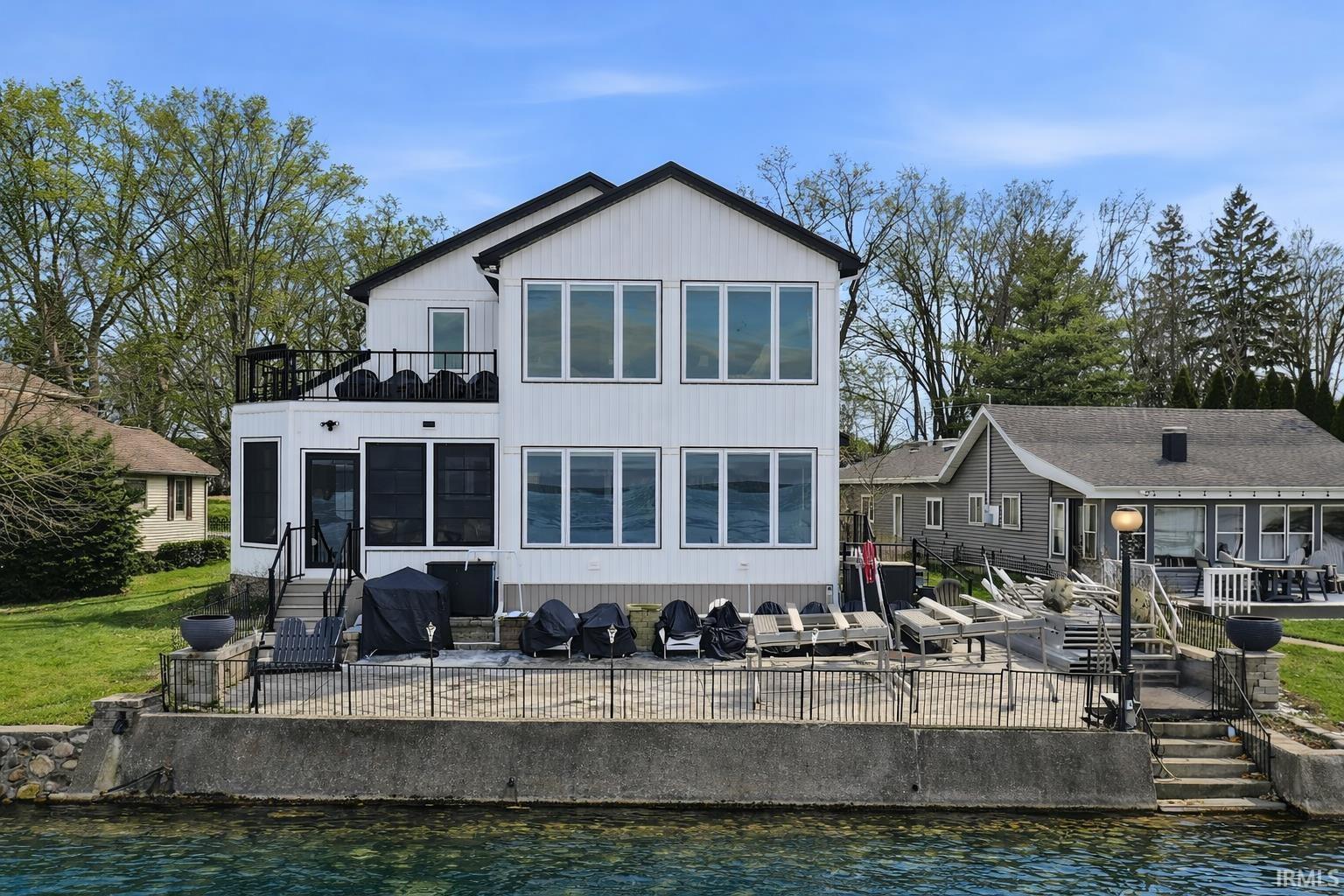
Waterfront properties are subject to constant erosion from wake action, ice heave during freezing winters, and fluctuating water levels. Buyers must inspect retaining walls, seawalls (bulkheads), and riprap. Concrete seawalls have a finite lifespan and repairing or replacing them requires permits from the Indiana Department of Natural Resources (IDNR).
Dock Permits and Riparian Rights
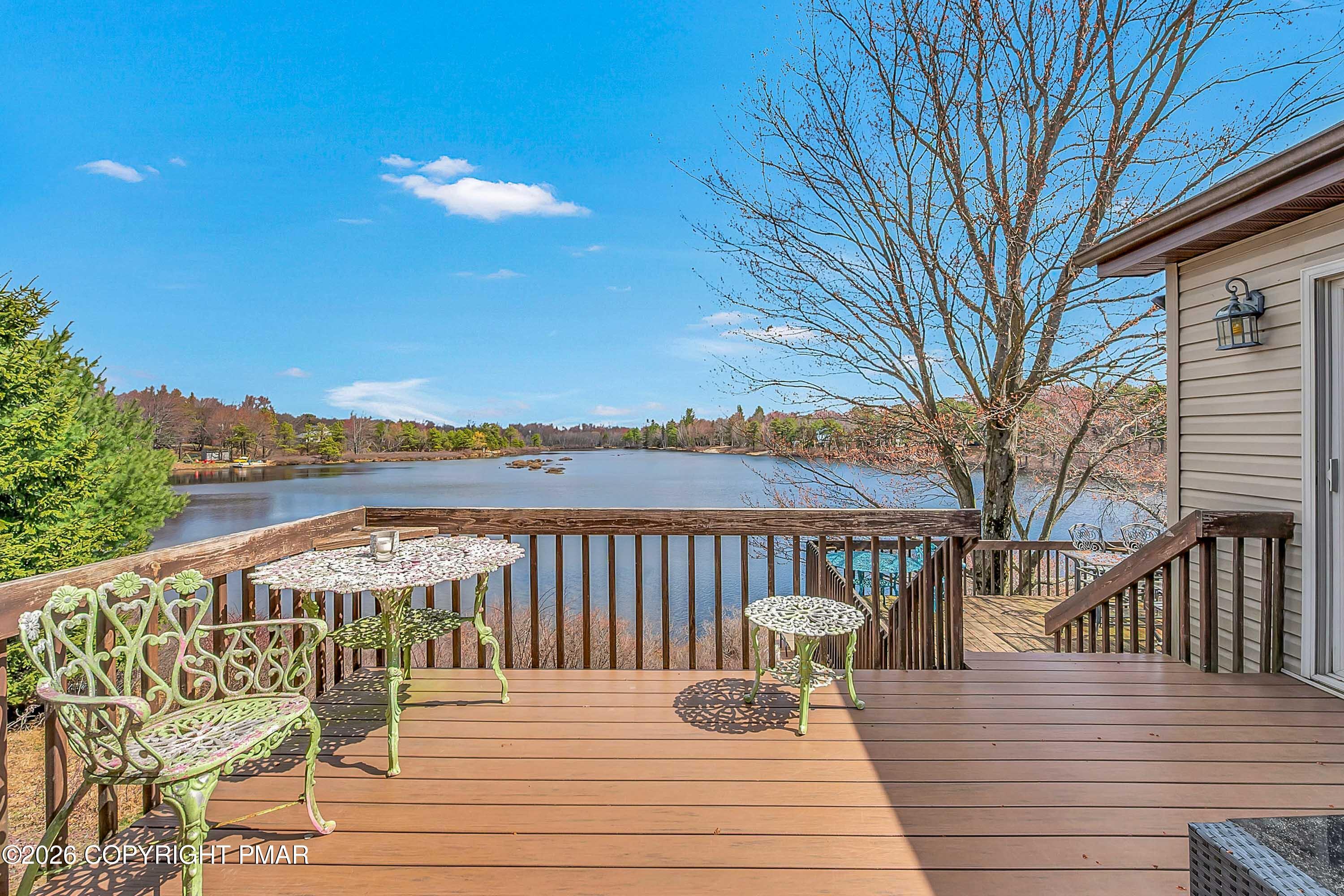
Owning a lake home does not automatically guarantee the right to build a massive dock or moor multiple watercraft. Riparian rights dictate how much frontage a homeowner has and the angle at which a pier can extend into the water. On public reservoirs, docks often require annual permits from the IDNR or the controlling utility company, and dock sharing or commercial leasing is strictly regulated.
Flood Zones and Insurance Requirements
Many lake homes sit within designated Special Flood Hazard Areas (SFHA) managed by the Federal Emergency Management Agency (FEMA). Standard homeowners insurance policies exclude flood damage. Buyers must review elevation certificates and budget for mandatory flood insurance if the structure lies within a floodway or floodplain.
Comparison of Major Indiana Lake Regions
Evaluating different lake regions helps buyers align their lifestyle goals, budget, and recreational preferences with the appropriate geographic micro-market.
| Lake Region / Water Body | Primary County | Typical Property Types | Average Price Range (2026) | Key Recreational Focus |
|---|---|---|---|---|
| Lake Wawasee | Kosciusko | Luxury estates, year-round custom homes | $800,000 - $3,000,000+ | High-speed boating, sailing, yacht club culture |
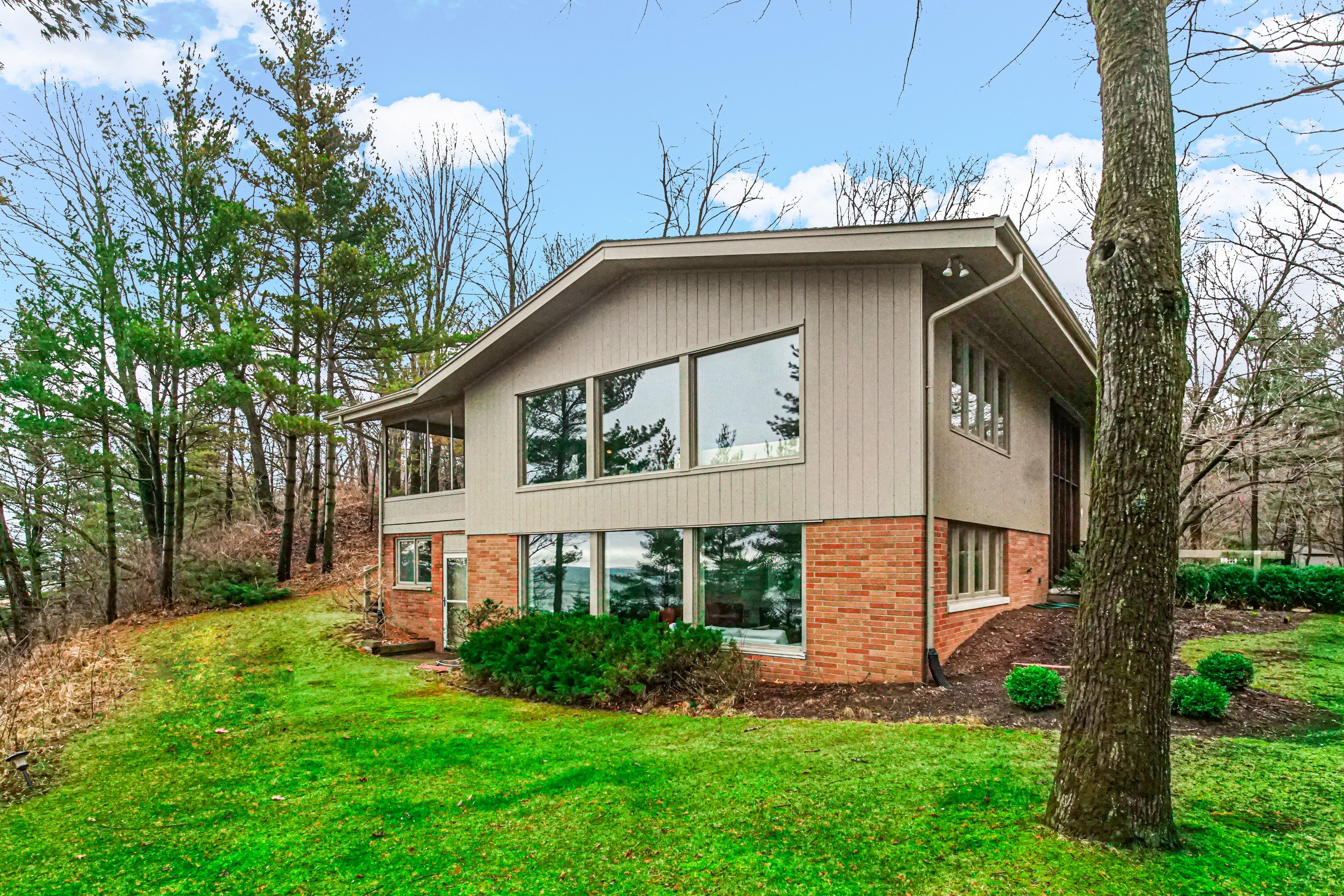
| Lake Monroe | Monroe / Brown | Wooded retreats, secluded modern builds | $400,000 - $1,200,000 | Nature conservation, pontoon cruising, state park access |
| Geist Reservoir | Marion / Hamilton | Luxury suburban homes, deep-water docks | $900,000 - $2,500,000 | Upscale waterfront dining, powerboating, commuting access |
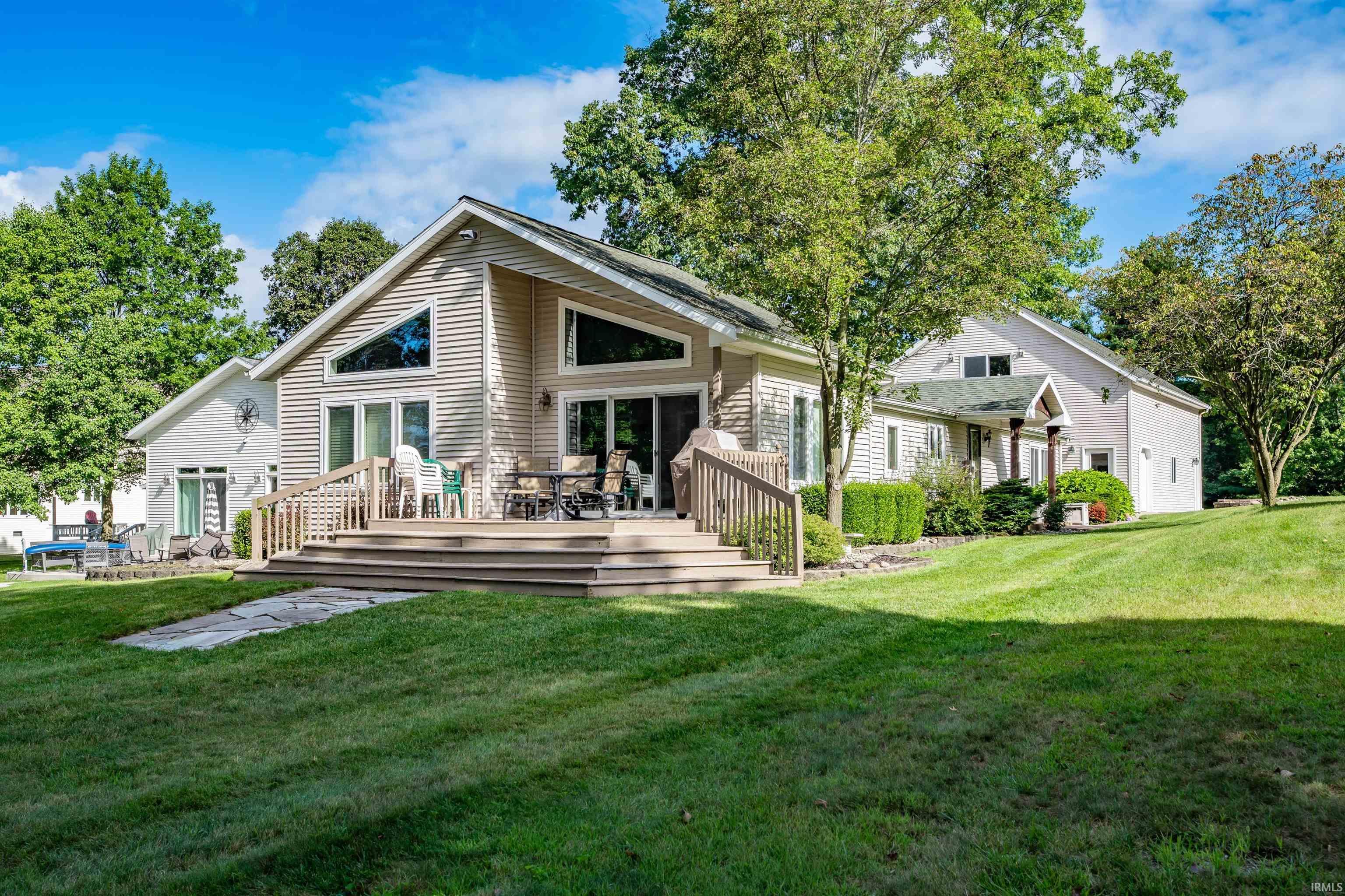
| Lake Freeman | White | A-frames, cottages, tiered hillside homes | $300,000 - $800,000 | Weekend getaway cabins, waterskiing, river-style coves |
| James Lake Chain | Steuben | Traditional lake cottages, modern rebuilds | $350,000 - $900,000 | Multi-lake boating, fishing, vibrant summer community |
Step-by-Step Guide to Buying an Indiana Lake Home
Navigating the acquisition of a waterfront property requires a systematic approach to mitigate risks and ensure long-term enjoyment.
- Define Recreational and Structural Priorities: Determine whether the body of water allows high-speed motorboats, jet skis, or is restricted to electric trolling motors. Clarify whether you need a year-round residence or a seasonal three-season cottage.
- Secure Specialized Financing: Waterfront properties often appraise differently than suburban homes due to unique comparable sales. Partner with a local lender experienced in lake home valuations, jumbo loans, and waterfront construction financing.
- Engage a Local Waterfront Specialist: Work with a real estate agent who explicitly specializes in the target lake. Local agents understand unrecorded easements, sewer vs. septic system compliance, and local dredging schedules.
- Conduct Specialized Inspections: Hire inspectors familiar with lake environments to check for mold, high humidity damage, shoreline erosion, boathouse structural integrity, and septic tank health. Many older lake cottages rely on aging septic systems that may not meet current Indiana State Department of Health codes.
- Review HOA and Conservancy Rules: Many lake communities operate under strict homeowners associations or conservancy districts that regulate exterior paint colors, short-term rental permissions, and landscaping near the water line.
Pros and Cons of Owning Waterfront Property in Indiana
| Advantages (Pros) | Potential Disadvantages (Cons) |
|---|---|
| Direct access to recreational boating, fishing, and swimming | Higher property tax assessments and insurance premiums |
| Exceptional long-term appreciation and strong resale demand | Increased maintenance costs due to humidity, wind, and water exposure |
| Scenic panoramic views and immersive wildlife observation | Strict regulatory oversight by state agencies and local conservancies |
| Strong community culture centered around seasonal lake events | Potential restrictions on short-term rentals or structural modifications |
Frequently Asked Questions
Do I own the land underneath the water adjacent to my Indiana lake home?
Property ownership boundaries typically extend to the shoreline or the low-water mark, depending on the specific deed and lake type. In Indiana, the beds of navigable public lakes and waters are held in trust by the State for the public, meaning private owners do not own the lakebed itself.
Are short-term rentals permitted on all Indiana lakes?
No, short-term rental regulations vary drastically by municipality, county zoning ordinances, and neighborhood HOA bylaws. Certain communities around major reservoirs enforce strict limits or outright bans on platforms like Airbnb and VRBO, requiring buyers to verify local ordinances prior to purchase.
How do I verify if a dock is legal and permitted?
Buyers should request copies of current IDNR or utility-issued dock permits from the seller and cross-reference them with local enforcement offices. Unpermitted docks can face mandatory removal or hefty fines following a property transfer.
What is the difference between a natural glacial lake and a reservoir in Indiana?
Natural glacial lakes feature stable or seasonal water levels determined by natural aquifers and rainfall, whereas reservoirs are artificially controlled via dams managed by utility companies or the government, resulting in scheduled winter drawdowns where water levels drop significantly.
Are septic systems common in Indiana lake communities?
Yes, many established lake communities rely on private septic tanks and drain fields rather than municipal municipal sewer lines. Buyers must obtain a specialized septic inspection and dye test to ensure the system functions properly and complies with current health department standards.
Finding Your Ideal Indiana Waterfront Property
Securing a lake home in Indiana blends lifestyle aspirations with technical due diligence. Begin your search by identifying the specific body of water that matches your recreational goals, consult with professionals who understand local riparian and environmental laws, and thoroughly inspect structural and shoreline conditions before closing.
Image Gallery