Complete Guide to NYC Parking Rules and Regulations for 2026
Navigating New York City parking regulations requires a clear understanding of Alternate Side Parking (ASP), meter rules, and municipal codes to avoid costly tickets and tows. Mastering these guidelines saves drivers time and money acr...
Navigating New York City parking regulations requires a clear understanding of Alternate Side Parking (ASP), meter rules, and municipal codes to avoid costly tickets and tows. Mastering these guidelines saves drivers time and money across the five boroughs.
Contents
Understanding the Foundation of NYC Parking Regulations
The New York City Department of Transportation (NYC DOT) enforces a complex network of parking laws designed to balance traffic flow, commercial delivery needs, and residential street sweeping. Compliance depends on reading posted street signs, understanding color curbs, and knowing default citywide laws that apply even when no sign is present.
Drivers must recognize that municipal parking enforcement operates independently of federal or state highway laws. The NYC Department of Finance (DOF) processes violations, while the NYC Sheriff's Office and NYPD manage towing and booting operations. Understanding this framework prevents common assumptions that lead to vehicle impoundment.
The Role of Posted Signage and Priority Hierarchies
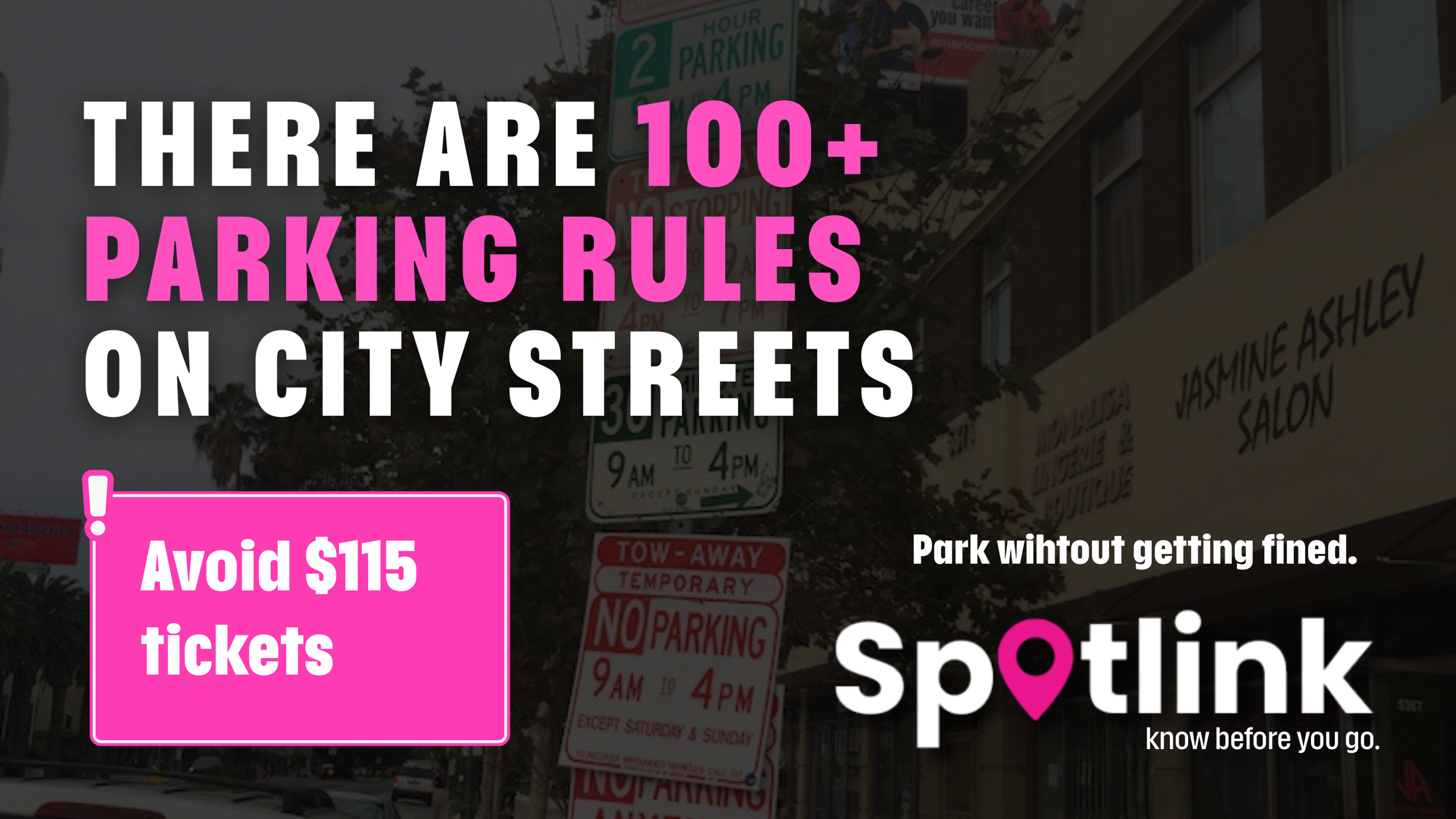
Street signs in New York City dictate specific parking permissions and prohibitions. When multiple signs are posted on a single post, readers must interpret them from top to bottom. Temporary signs or construction notices always supersede permanent regulatory signs.
- Red and White Signs: Generally indicate absolute prohibitions, such as "No Stopping" or "No Standing."
- Green and White Signs: Typically indicate permitted parking with specific time limits or exemptions for commercial vehicles, permit holders, or residential zones.
- Arrow Indicators: Point to the specific direction of the restriction, with double-ended arrows applying to the entire block front between intersections.
Alternate Side Parking (ASP) Mechanics and Suspension Schedules
Alternate Side Parking rules allow street sweepers to clean neighborhood asphalt. These regulations require motorists to move their vehicles from specific sides of the street during designated multi-hour windows.
During ASP hours, stopping, standing, and parking are strictly prohibited, even if street sweepers have already passed or failed to show up. Drivers cannot simply sit in their parked vehicles to avoid a ticket; the vehicle must be moved entirely out of the regulated zone unless actively engaged in commercial loading where permitted.
Navigating ASP Suspensions and Major Holidays
The NYC DOT suspends ASP regulations for numerous religious and secular holidays throughout the year. However, ASP suspensions do not automatically include meter payment rules unless explicitly stated by the city.
- Meter Rules on ASP Holidays: Parking meters remain in effect on most ASP suspension days unless the holiday falls on a major legal holiday such as Christmas Day, New Year's Day, or Thanksgiving.
- Street Cleaning Frequency: Certain commercial corridors and high-density residential zones feature ASP rules that apply up to four days per week, while quieter residential streets may only require compliance twice weekly.
Metered Parking Rules, Payment Systems, and Commercial Zones
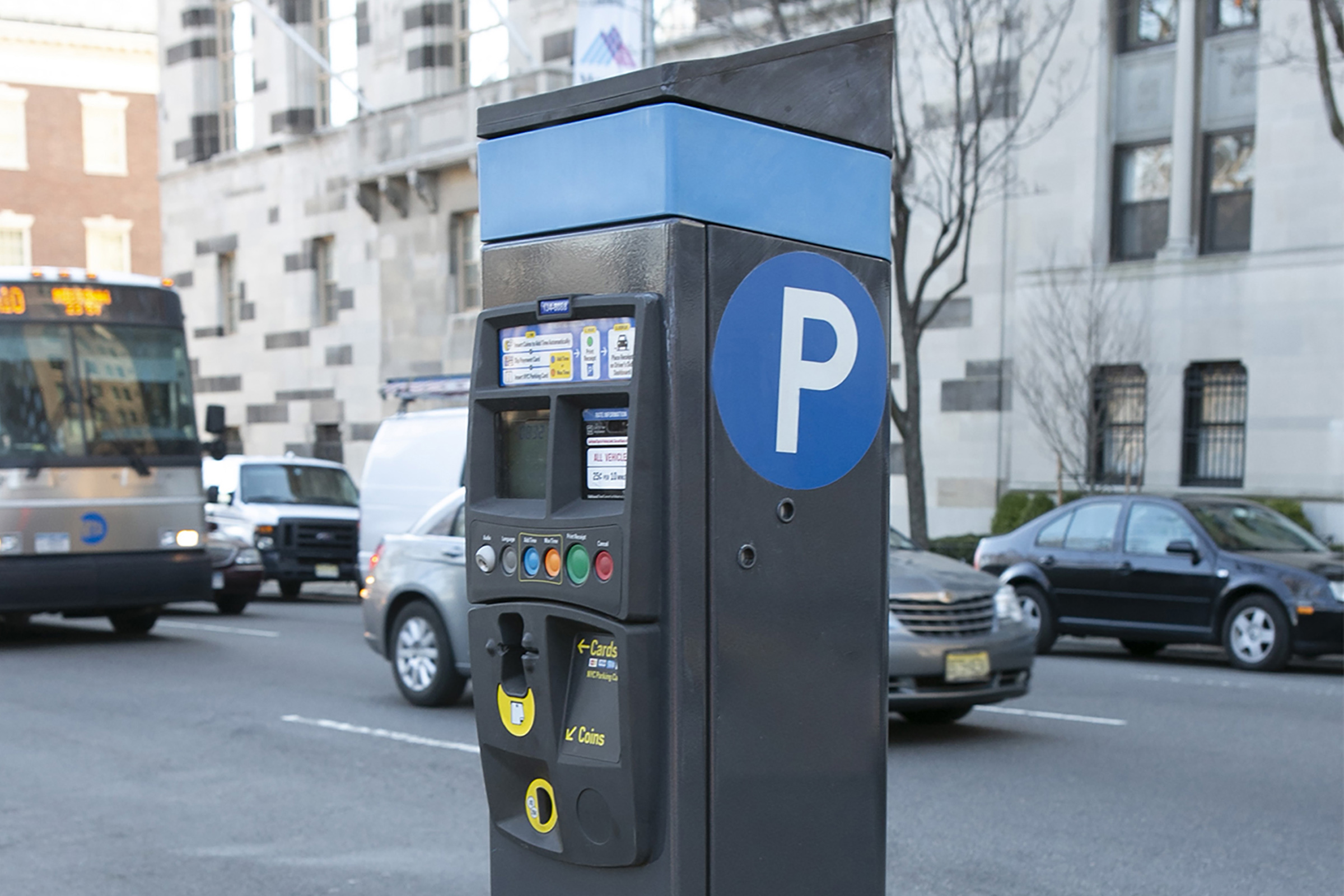
Metered parking in New York City utilizes electronic muni-meters and mobile payment applications like ParkNYC. Rates and time limits vary significantly by neighborhood, commercial demand, and borough location.
Drivers must complete digital transactions or display dashboard receipts where traditional paper receipts are still mandated. Failure to pay the correct rate or exceeding the maximum posted time limit results in an immediate violation notice.
| Meter Zone Type | Maximum Time Limit | Payment Methods | Enforcement Hours |
|---|---|---|---|
| Commercial Meter Zones | 3 Hours | ParkNYC App, Credit Card | Typically 7:00 AM – 7:00 PM, Mon-Sat |
| Residential Parking Meters | 1 to 2 Hours | ParkNYC App, Credit Card | Varies by neighborhood signs |
| Truck Loading Zones | 30 Minutes to 1 Hour | Commercial Permits Required | Varies by commercial district demand |
| Muni-Meter Municipal Lots | 12 Hours | Credit Card, Cash (select locations) | 24 Hours in select off-street facilities |
Critical Default Parking Prohibitions Without Signs
Even in the complete absence of regulatory signs, New York City traffic rules establish strict statutory boundaries that every motorist must follow. Violating these default parameters leads to immediate ticketing and potential towing.
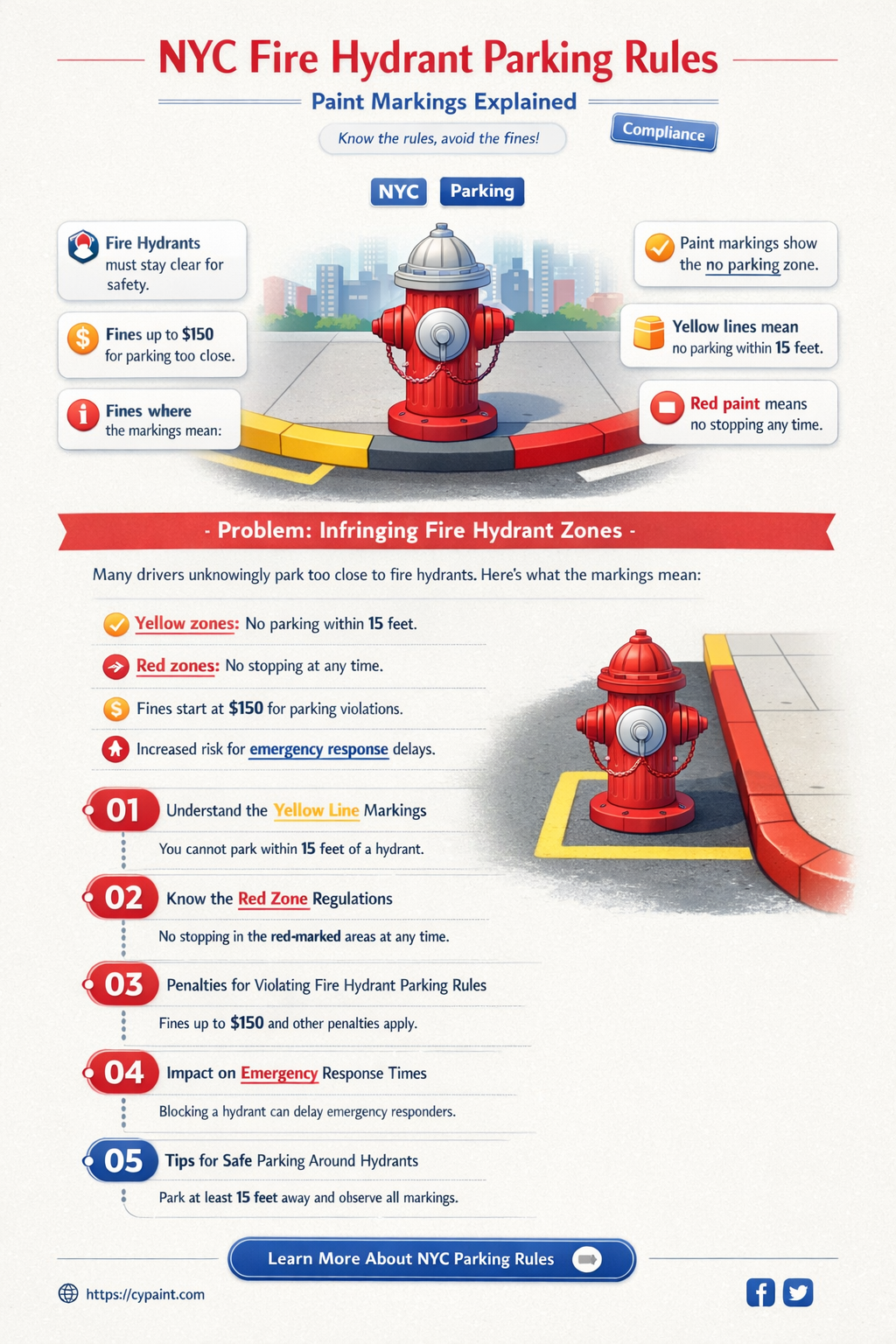
- Fire Hydrants: Parking is prohibited within 15 feet of either side of a fire hydrant. Drivers cannot leave a vehicle unattended by the wheel within this zone, even for a few seconds.
- Crosswalks and Intersections: Vehicles must remain clear of marked and unmarked crosswalks, staying at least 20 feet away from intersection corners.
- Driveways: Parking in front of any active driveway is illegal 24 hours a day, regardless of whether the property owner is the vehicle owner.
- Double Parking: Stopping or parking a vehicle alongside another vehicle parked at the curb is strictly illegal on all NYC streets under all circumstances.
Step-by-Step Guide to Safely Parking in NYC
Securing a legal parking space in New York City requires a systematic approach to identifying regulations and executing maneuvers correctly.
- Scan the Block for Signage: Drive slowly past the entire block front to check every sign post for rules, cleaning windows, and meter requirements.
- Verify Curbside Markings: Ensure the curb is not painted yellow (loading zone) and check that you are not blocking a fire hydrant, driveway, or bus stop.
- Check the Distance from Corner: Confirm your vehicle is at least 20 feet away from the nearest intersection corner.
- Engage Payment (If Applicable): Pay via the ParkNYC mobile application or municipal meter kiosk immediately upon parking, and verify that the correct license plate number is entered.
- Turn Wheels Toward the Curb: On hills or inclines, turn your front wheels sharply toward the curb and engage the parking brake to prevent rollaway incidents.
Pros and Cons of Street Parking Versus Garage Parking
Choosing between public street parking and commercial parking garages involves balancing financial cost against time and convenience.
- Street Parking Pros: Significantly lower cost (or free outside metered hours); widely available if timing aligns with ASP windows.
- Street Parking Cons: High risk of bumper damage; constant requirement to move for street cleaning; difficulty finding spaces during peak hours.
- Commercial Garage Pros: Guaranteed secure space; protection from weather and vandalism; proximity to destinations.
- Commercial Garage Cons: Expensive daily rates (often exceeding $50 to $80 per day in Manhattan); wait times during vehicle retrieval.
Common Parking Mistakes and How to Avoid Them
Motorists frequently incur fines due to misinterpreting complex signage layouts or misjudging timing windows.
- Misreading Arrow Directions: Drivers often park on the wrong side of a single sign post that governs a directional arrow pointing away from their vehicle. Always check the sign nearest to your front bumper.
- Overstaying Meter Limits: Feeding a meter beyond the maximum posted time limit is illegal. Moving your car to a different spot on the same block does not reset the maximum time restriction in many commercial zones.
- Ignoring Commercial Vehicle Restrictions: Parking a passenger vehicle in a zone designated for commercial vehicles during enforcement hours guarantees a ticket, even if the space appears empty.
Frequently Asked Questions About NYC Parking Rules
Can I sit in my car during Alternate Side Parking hours to avoid a ticket?
No. Sitting in your vehicle does not exempt you from Alternate Side Parking rules. If the street cleaning window is active, you must move your vehicle out of the zone unless actively engaged in authorized commercial loading.
What should I do if my car is towed in New York City?
Call the NYPD Auto Pound or dial 311 to locate your vehicle. You must pay all outstanding parking tickets and towing fees before the impound facility will release your car.
Are parking meters enforced on Sundays in NYC?
Most NYC parking meters are not enforced on Sundays, but you must check individual neighborhood signs, as high-demand areas like commercial districts or near major attractions may feature Sunday enforcement rules.
How close can I park to a fire hydrant in NYC?
You must maintain a minimum distance of 15 feet from either side of a fire hydrant. Parking within this zone is strictly illegal at all times, regardless of whether you remain in the vehicle.
Does the ParkNYC app allow remote meter time extensions?
Yes, the ParkNYC app allows you to add time remotely up to the maximum allowable limit posted for that specific parking zone without returning to your vehicle.
What constitutes double parking in New York City?
Double parking occurs when your vehicle is parked parallel to another vehicle that is parked at the curb. This practice is entirely illegal on all New York City streets.
Secure Your Vehicle and Avoid Fines
Mastering NYC parking rules protects you from unexpected expenses and ensures seamless transit across the boroughs. Always double-check posted signs, utilize digital payment tools responsibly, and plan your parking strategy in advance. For the latest updates on holiday suspensions and municipal parking regulations, consult official resources provided by the NYC Department of Transportation.
Image Gallery