The Evolution and Cultural Reach of Parachute Pants
Parachute pants were primarily worn by breakdancers, hip-hop enthusiasts, and fashion-conscious youth during the early-to-mid 1980s. While they originated as functional sportswear for skydivers, their transition into mainstream pop cul...
Parachute pants were primarily worn by breakdancers, hip-hop enthusiasts, and fashion-conscious youth during the early-to-mid 1980s. While they originated as functional sportswear for skydivers, their transition into mainstream pop culture was driven by the emergence of b-boy culture, celebrity influence in the music industry, and the pursuit of bold, synthetic aesthetics that defined the era.
Contents
The Origins: From Skydiving to Streetwear
To understand who actually wore parachute pants, one must first distinguish between the technical equipment and the fashion item. True parachute pants were originally constructed from high-tenacity, tear-resistant nylon—specifically silk-weight parachute fabric—designed to protect skydivers from abrasion and wind while allowing for a full range of movement. These functional pieces were utilitarian, often featuring reinforced knees and heavy-duty zippers.
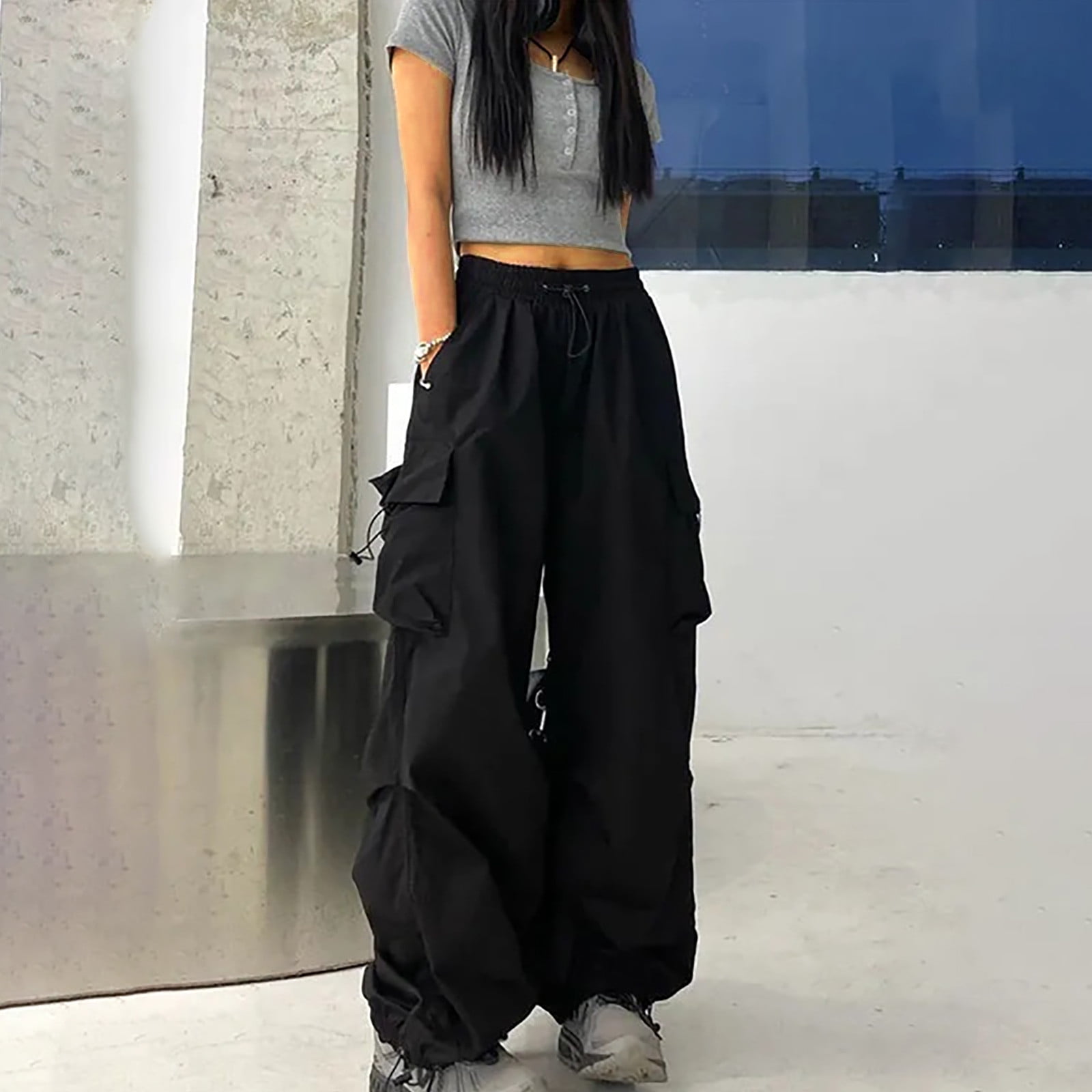
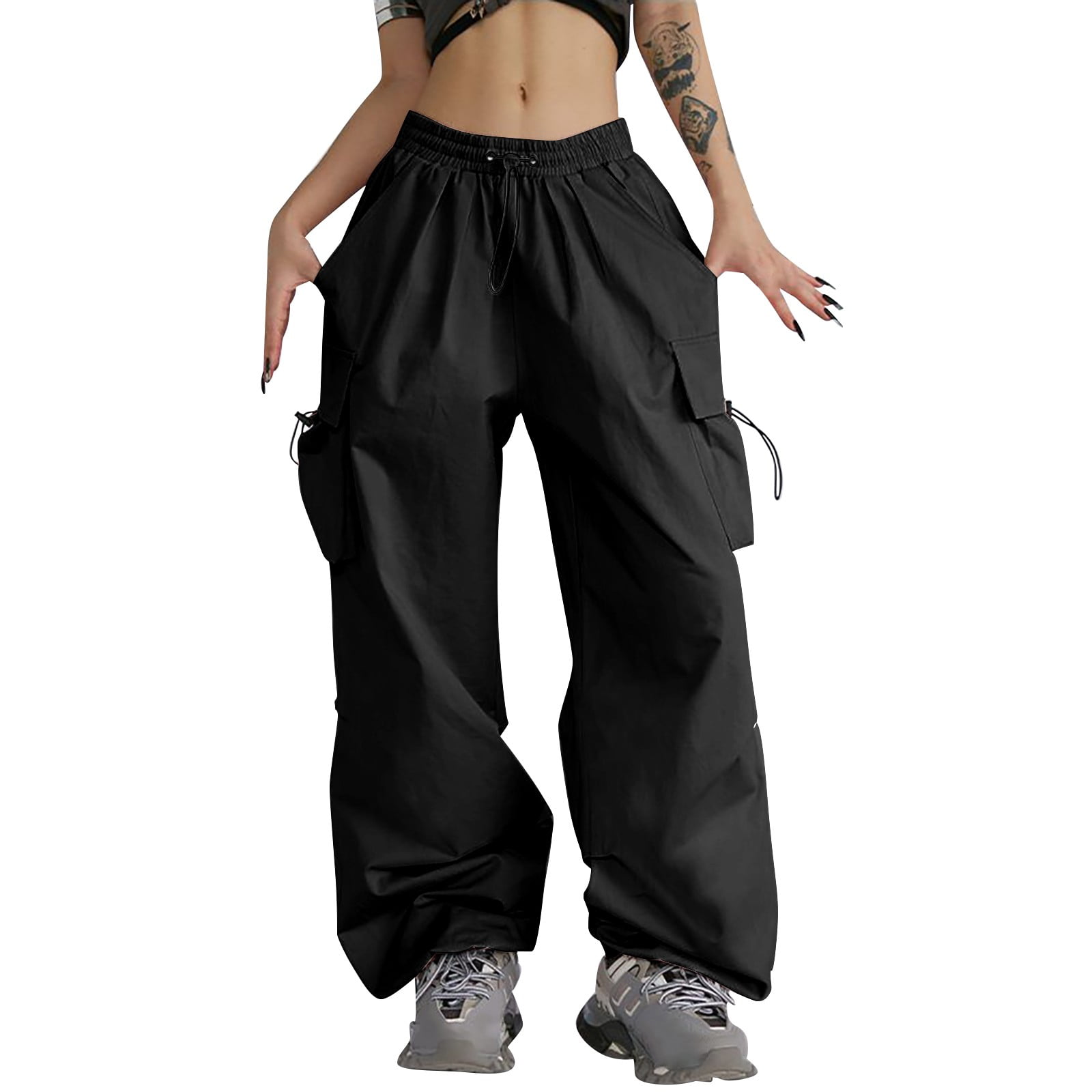
By the early 1980s, the aesthetic of these specialized garments was co-opted by the fashion industry. Manufacturers began producing "parachute pants" made from lighter, synthetic fabrics like parachute nylon, ripstop, or polyester. These iterations were characterized by their loose fit, extreme comfort, and, most importantly, the presence of multiple zippered pockets. The functional origin of the pockets—designed to hold essential skydiving gear—became a purely decorative, high-fashion feature that defined the look for a generation.
The Breakdance Revolution and B-Boy Culture
The most significant driver of parachute pant adoption was the rise of breakdancing in New York City and its subsequent global spread. In the early 1980s, b-boys required clothing that offered both freedom of motion and protection from the floor. The loose, baggy nature of parachute pants made them ideal for performing acrobatic moves like windmills, headspins, and backspins.
Unlike denim jeans, which were stiff and restrictive, or cotton sweatpants, which could cause friction burns on the skin during spins, the synthetic nylon of parachute pants provided a smooth surface. This allowed dancers to glide across linoleum or concrete surfaces with less resistance. Furthermore, the aesthetic of the pants—often vibrant in color or metallic in texture—served as a visual amplifier for the dancers’ movements, making high-speed choreography look even more dynamic to spectators.
Celebrity Influence and Mainstream Adoption
While rooted in dance culture, the parachute pant trend exploded into the mainstream through its adoption by major pop culture figures. The visibility of these pants in music videos, films, and live television performances during the mid-80s cemented their status as a cultural icon.
Key influencers included early hip-hop artists, who integrated the pants into their signature styles, as well as mainstream pop stars who leveraged the futuristic aesthetic of the garment. For a brief period between 1983 and 1986, parachute pants were a ubiquitous fixture in shopping malls across North America and Europe. They were no longer the exclusive uniform of street dancers; they became the standard attire for teenagers looking to emulate the "street-cool" aesthetic popularized by media.
Demographic Breakdown of Wearers
The demographic profile of those who wore these pants was surprisingly broad during the peak of the trend:
| Demographic | Usage Context |
|---|---|
| Breakdancers/B-Boys | Practical utility for floorwork; durability and reduced friction. |
| Hip-Hop Enthusiasts | Stylistic expression and identification with urban culture. |
| Mainstream Teens | Fashion-forward consumption, emulating MTV and movie stars. |
| Fitness Enthusiasts | General aerobic activity and gym wear during the mid-80s. |
Why the Trend Faded
The decline of the parachute pant was as rapid as its ascent. By the late 1980s, the fashion industry had shifted toward tighter-fitting silhouettes and higher-quality natural fibers. Several factors contributed to the obsolescence of the garment:
- Synthetic Drawbacks: The very materials that made them unique—nylon and polyester—were notoriously unbreathable. In warm weather or during intense physical activity, the lack of ventilation made the pants uncomfortable for daily wear.
- Fashion Saturation: Because the trend was so heavily marketed to the masses, it eventually lost its "underground" appeal. Once the look became associated with mass-produced items available in every department store, the subcultures that originally embraced them moved on to new styles.
- Changing Aesthetics: As the 1990s approached, the "futuristic" metallic look was replaced by grunge and minimalism, making the shiny, zippered appearance of parachute pants seem dated and cartoonish.
Identifying Authentic Vintage Versus Reissues
As of 2026, parachute pants remain a popular choice for vintage collectors and those participating in 80s-themed events. Distinguishing between a 1980s original and a modern reproduction requires examining a few specific technical markers.
- Fabric Quality: Authentic 80s versions often used a specific high-density parachute nylon that feels "crisper" and more durable than the soft, thin polyester used in budget modern replicas.
- Hardware: Original manufacturers often utilized branded metal zippers (such as YKK or Talon), whereas modern versions frequently use plastic or unbranded lightweight metal hardware.
- Construction: Look for reinforced stitching at the stress points, such as the crotch and pocket openings. Original dance-oriented pants were built to withstand the rigors of athletic performance, a level of construction often omitted in fast-fashion versions.
Frequently Asked Questions
Did everyone in the 1980s wear parachute pants?
No. While they were a prominent trend, they remained largely associated with younger demographics, particularly those interested in dance culture and pop music. Adults and professionals rarely wore them as they were considered strictly leisure or athletic wear.
Were parachute pants actually used for skydiving?
The original garments from which the fashion trend was derived were designed for skydiving. However, the mass-produced fashion items sold in stores throughout the 1984–1986 period were almost exclusively for aesthetic purposes and were not suitable for professional skydiving.
What is the difference between parachute pants and harem pants?
While they are often confused due to their loose fit, parachute pants are typically characterized by heavy nylon fabric and numerous functional or decorative zippers. Harem pants are usually made of soft, flowing cotton or rayon and feature a gathered or dropped-crotch design without the signature hardware of the 80s trend.
Are parachute pants considered functional gear today?
In modern athletic contexts, they have been replaced by specialized technical gear. Professional skydivers now use suits made from modern, high-performance textiles like Cordura or Spandex blends, which offer better aerodynamics and safety features than the vintage nylon pants of the 1980s.
Why do some modern pants labeled as "parachute pants" look different?
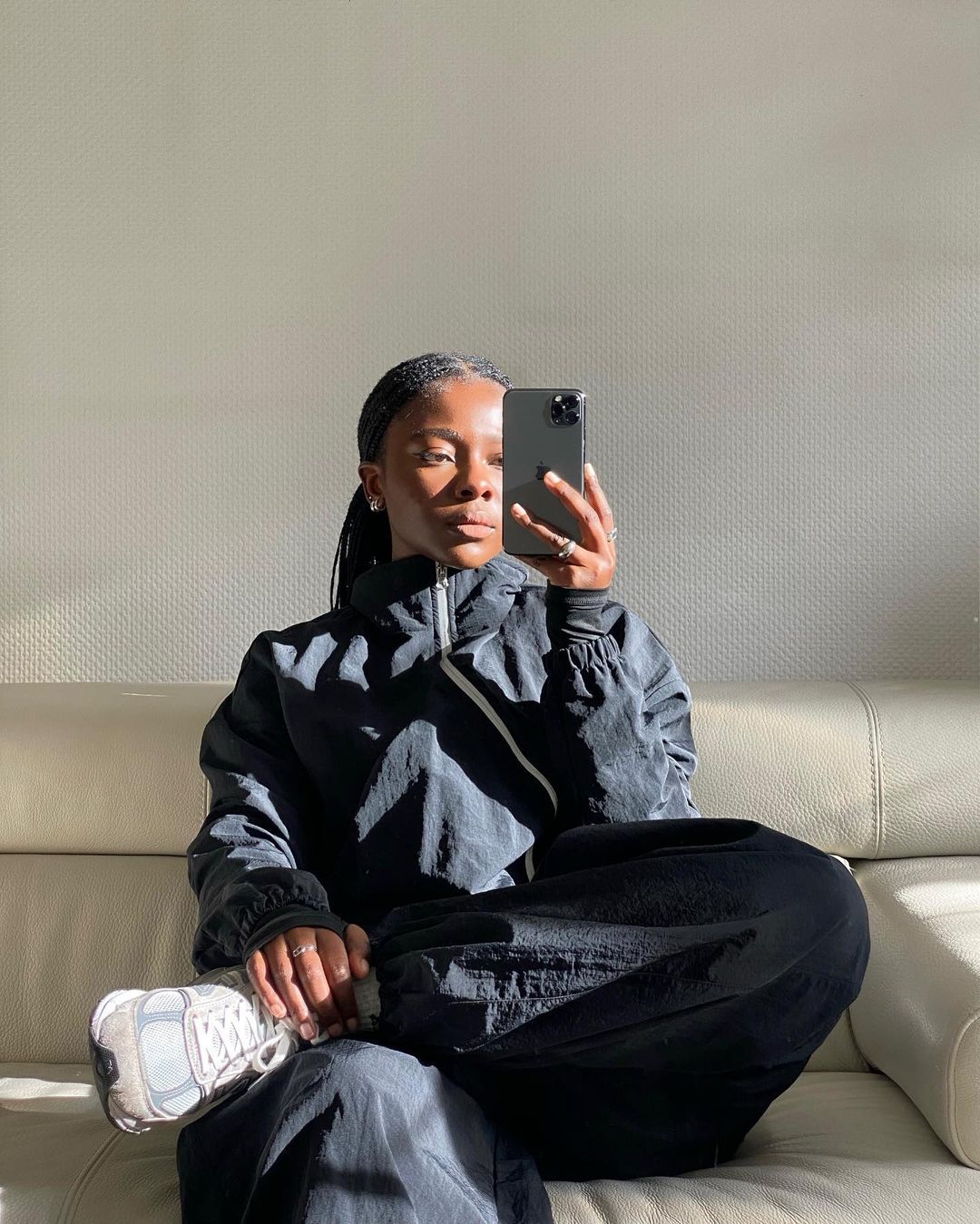
The term "parachute pants" has become a generic label in modern e-commerce. You will often find modern joggers made of thin, "swishy" material marketed under this name. These are usually loose-fitting athletic trousers that lack the excessive pocket-and-zipper configuration that defined the classic 1980s style.
Next Steps for Enthusiasts
If you are looking to acquire a piece of history, focus your search on vintage specialty retailers that provide clear macro photography of the garment’s tags and hardware. Verify the provenance by checking labels for manufacturing years, as authentic items from the peak of the trend are increasingly rare. For those interested in the athletic utility, look for "b-boy specific" gear that replicates the durability of the original era without the excessive synthetic weight.
Image Gallery