When Does Boarding Close on the Stock Exchange? Cutoff Times & Trading Hours Explained
On major equity markets like the New York Stock Exchange (NYSE) and Nasdaq, regular trading ends at 4:00 p.m. Eastern Time (ET). However, order "boarding"—the cutoff time for submitting or modifying orders in the official Closing Aucti...
On major equity markets like the New York Stock Exchange (NYSE) and Nasdaq, regular trading ends at 4:00 p.m. Eastern Time (ET). However, order "boarding"—the cutoff time for submitting or modifying orders in the official Closing Auction—closes earlier, at 3:50 p.m. ET for standard Market-on-Close (MOC) and Limit-on-Close (LOC) orders.
Contents
Disambiguating "Boarding" in Stock Market Contexts
The term "boarding" in equity markets carries distinct technical meanings depending on whether you are a retail investor, an institutional trader, or a financial participant establishing access.
In financial parlance, "boarding" primarily refers to three distinct mechanisms:
- Order Book Boarding (Closing Auction Cutoffs): The deadline by which traders must submit, modify, or cancel orders intended to participate in the stock exchange’s daily closing cross or auction process.
- Participant & Account Onboarding: The administrative process by which brokers, clearing firms, or institutional clients register accounts with clearing houses, Financial Industry Regulatory Authority (FINRA) members, or exchange systems before trading operations begin.
- Board Lot Listing & Listing Access: The procedural deadlines for companies listing securities on an exchange’s "Main Board" or secondary growth boards prior to market launch.
For the vast majority of market participants searching for when boarding closes, the primary concern revolves around order entry cutoff times for the market close and exchange operating schedules.
Disclaimer: This guide is provided for educational and informational purposes only and does not constitute financial, investment, or legal advice. Market operational rules and trading schedules remain subject to change by regulatory authorities.
Understanding Stock Exchange Trading Hours and Cutoffs
Modern stock exchanges operate across structured daily sessions. While electronic trading systems accept messages at various hours, the rules governing how orders are matched change throughout the operational day.
| Pre-Market | Continuous Trading | Closing Cutoffs | After-Hours |
|---|---|---|---|
| 4:00 - 9:30 AM | 9:30 AM - 4:00 PM | 3:50 - 4:00 PM | 4:00 - 8:00 PM |
| (Early Boarding) | (Regular Open Session) | (Auction Freeze) | (Extended Trading) |
1. Pre-Market Session (Early Order Entry)
Pre-market trading allows market participants to react to overnight news, earnings releases, and economic data before the official opening bell. On major U.S. platforms, pre-market order entry begins as early as 4:00 a.m. ET, though core electronic communication networks (ECNs) see major volume starting at 7:00 a.m. ET.
2. Regular Continuous Session
The official regular trading session opens at 9:30 a.m. ET following an Opening Auction and continues uninterrupted until 4:00 p.m. ET. During continuous trading, buy and sell orders are matched immediately based on price and time priority.
3. Closing Auction & Freeze Window
The closing price of a stock is the single most critical price point of the trading day. Mutual funds, index trackers, benchmark portfolios, and derivative contracts rely on the official closing price calculated by the primary exchange. To prevent market manipulation and ensure liquidity, exchanges implement an order entry cutoff—or "boarding deadline"—ten minutes before the closing bell.
4. Extended After-Hours Session
Trading does not completely stop at 4:00 p.m. ET. After-hours sessions run from 4:00 p.m. to 8:00 p.m. ET, allowing investors to trade via ECNs using limited order types.
Closing Auction Cutoff Times: Boarding the Closing Order Book
To participate in the single-price closing auction at 4:00 p.m. ET, orders must "board" the order book before specific operational cutoffs. Different exchanges enforce distinct rules regarding order types, cancellation windows, and imbalance disclosures.
New York Stock Exchange (NYSE) Closing Rules
The New York Stock Exchange uses a hybrid closing mechanism combining electronic algorithms and Designated Market Makers (DMMs).
- 3:50 p.m. ET (Standard MOC/LOC Cutoff): Market-on-Close (MOC) and Limit-on-Close (LOC) orders must be entered into the system. After 3:50 p.m. ET, new MOC and LOC orders are rejected unless they are specifically entered to offset a published regulatory imbalance.
- 3:50 p.m. ET (Cancellation Freeze): MOC and LOC orders cannot be cancelled or reduced in size after 3:50 p.m. ET, except to correct a legitimate clerical error.
- 3:55 p.m. ET (Imbalance Updates): NYSE begins publishing electronic imbalance information every 3 seconds to inform traders of net buying or selling interest.
- 3:59:50 p.m. ET (D-Quote Cutoff): NYSE Floor Brokers using Floor Broker Interest (d-Quotes) can submit or entry-modify orders up until 3:59:50 p.m. ET, providing institutional investors with short-term liquidity flexibility.
- 4:00 p.m. ET (Closing Bell & Auction Execution): The DMM or electronic system executes the single-price auction, matching all eligible orders to establish the official NYSE closing price.
Nasdaq Stock Market Closing Cross
The Nasdaq Stock Market relies entirely on a fully automated algorithm called the Nasdaq Closing Cross.
- 3:50 p.m. ET (MOC/LOC Cutoff): standard On-Close orders must be entered prior to 3:50 p.m. ET.
- 3:50 p.m. ET (Cancellation Cutoff): Orders marked On-Close cannot be cancelled or modified after 3:50 p.m. ET.
- 3:50 p.m. to 3:55 p.m. ET (Late Limit-on-Close Window): Nasdaq allows Late Limit-on-Close (LLOC) orders to be entered between 3:50 p.m. and 3:55 p.m. ET. However, these orders must meet strict price constraints based on the published imbalance references.
- 3:55 p.m. ET (Final Freeze): No LLOC orders can be submitted, modified, or cancelled after 3:55 p.m. ET.
- 4:00 p.m. ET (Cross Execution): The Closing Cross calculates the price that maximizes executable volume and prints the official closing trade.
International Stock Exchange Schedules
Closing auction practices are standard globally, though local operational schedules vary by region.
- London Stock Exchange (LSE): Continuous trading ends at 16:30 GMT. The LSE enters a 5-minute closing call auction phase from 16:30 to 16:35 GMT, during which order entry and cancellation are permitted before the random uncrossing period.
- Euronext (Paris, Amsterdam, Brussels): Continuous trading ends at 17:35 CET, followed by a closing call auction lasting until 17:40 CET.
- Tokyo Stock Exchange (TSE): Continuous trading concludes with the afternoon session closing call (Itayose) at 15:30 JST.
Comparative Overview of Major Global Stock Exchange Cutoffs
The table below outlines local trading hours, order entry boarding cutoffs for closing auctions, and extended hours access across top international exchanges.
| Exchange | Country / Region | Regular Trading Hours (Local Time) | Closing Auction Order Entry Cutoff | Extended Hours Availability |
|---|---|---|---|---|
| NYSE | United States (ET) | 9:30 AM – 4:00 PM | 3:50 PM (MOC/LOC) / 3:59:50 PM (D-Quote) | 4:00 PM – 8:00 PM ET |
| Nasdaq | United States (ET) | 9:30 AM – 4:00 PM | 3:50 PM (MOC/LOC) / 3:55 PM (LLOC) | 4:00 PM – 8:00 PM ET |
| London Stock Exchange (LSE) | United Kingdom (GMT) | 8:00 AM – 4:30 PM | 4:30 PM (Closing Call phase starts) | Post-close reporting to 5:15 PM |
| Euronext | Europe (CET) | 9:00 AM – 5:35 PM | 5:35 PM (Call phase starts) | Trading at Last (5:40 PM CET) |
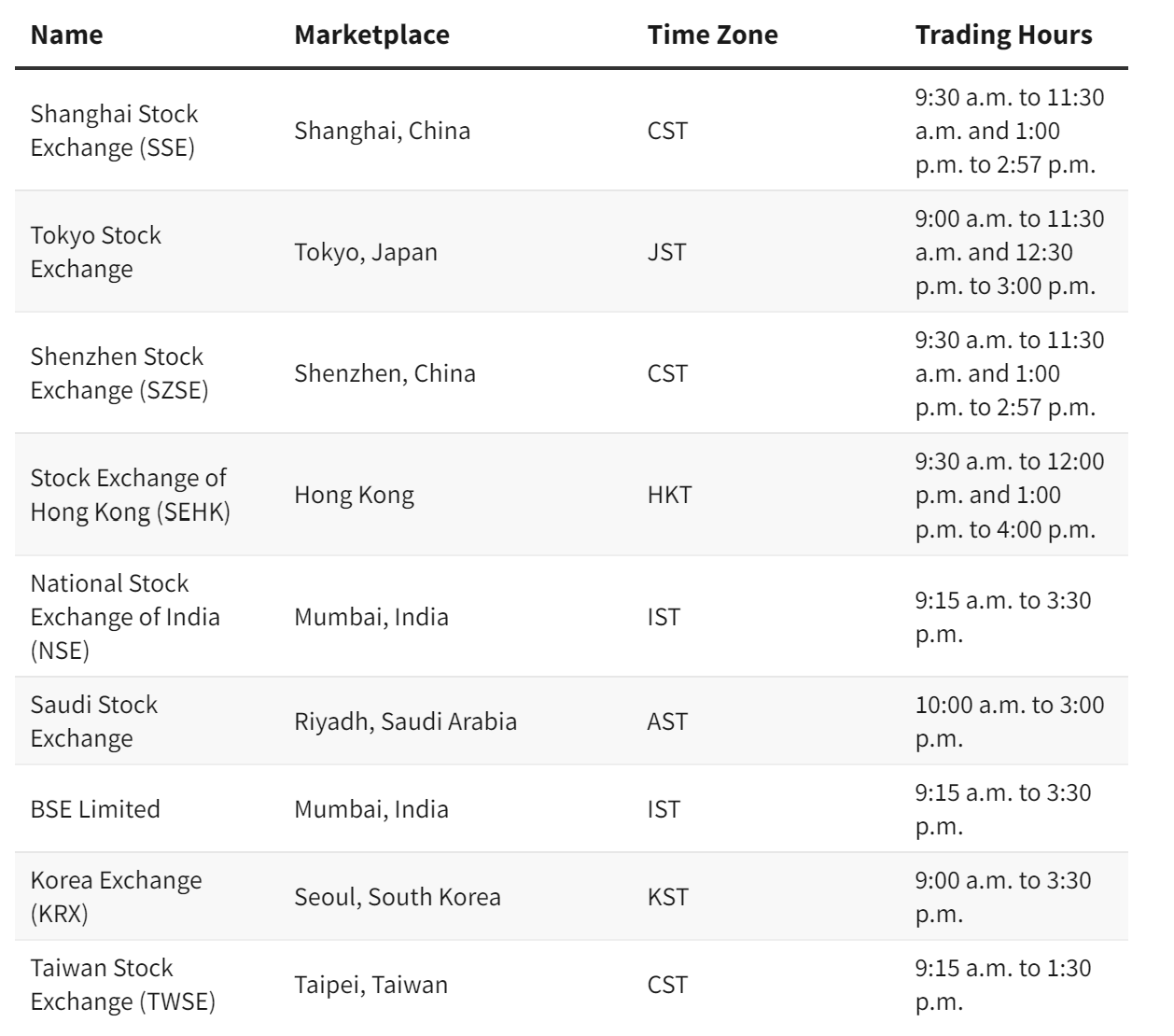
| Tokyo Stock Exchange (TSE) | Japan (JST) | 9:00 AM – 11:30 AM / 12:30 PM – 3:30 PM | 3:30 PM (Itayose session close) | ToSTNeT Off-Hours (8:45 AM – 4:30 PM) |
| Hong Kong Exchange (HKEX) | Hong Kong (HKT) | 9:30 AM – 12:00 PM / 1:00 PM – 4:00 PM | 4:08 PM – 4:10 PM (Random Close) | Closing Auction Session (4:00 PM – 4:10 PM) |
| Toronto Stock Exchange (TSX) | Canada (ET) | 9:30 AM – 4:00 PM | 3:50 PM (MOC order entry cutoff) | Extended Trading (4:15 PM – 5:00 PM ET) |
Extended Hours Trading: After-Market "Boarding"
Investors who miss the 3:50 p.m. ET order boarding deadline or the 4:00 p.m. ET closing bell can still place trades during extended after-hours sessions. Understanding how after-hours boarding differs from regular session trading is vital for avoiding execution mistakes.
Order Types and Requirements
During after-hours trading (4:00 p.m. to 8:00 p.m. ET), exchanges do not support standard market orders. Because order books contain far fewer active quotes, market orders could execute at severe price slippage.
- Limit Orders Only: Market participants must use explicit limit orders specify the maximum buy price or minimum sell price.
- Session Flags: Brokerage platforms require orders to be tagged with an "Extended Hours" or "GTC + Extended" instruction. Orders entered during regular hours without extended-session flags automatically expire or remain inactive until the next day's pre-market session.
Liquidity and Volatility Dynamics
While order entry remains open until 8:00 p.m. ET on U.S. markets, trading activity drops sharply after 5:00 p.m. ET. Earnings reports are typically published between 4:00 p.m. and 4:15 p.m. ET, causing short bursts of intense volatility and wider bid-ask spreads. institutional algorithms often reduce activity during late after-hours trading, leaving retail investors exposed to reduced market depth.
Institutional Participant & Account Onboarding Timelines
In the context of institutional operations, "boarding" refers to the technical and compliance setup required to grant trading access to new market participants, brokers, or fund managers.
- Compliance & KYC Verifications
- Broker Credit Limits Allocation (Risk Control)
- Technical Setup (FIX Engine / Connectivity)
1. Account Opening Cutoffs for Daily Settlement
For institutional accounts trading equities or derivatives, clearing organizations enforce daily onboarding cutoffs. To clear trades on a given business day, new clearing member profiles and risk limits must be finalized with the clearing house before daily clearing system freezes—typically around 6:00 p.m. ET in North America.
2. Electronic Connectivity and FIX Protocols
Market participants connecting directly to an exchange matching engine via Financial Information eXchange (FIX) protocol gateways must complete session boarding. New FIX drop-copy lines and order routing sessions are deployed outside regular trading hours, usually during overnight maintenance windows or weekends, to prevent disruption to active order books.
Common Pitfalls and Execution Risk Near Market Close
Trading near the market close involves distinct operational and execution risks. Managing order entry close to cutoff deadlines requires careful attention to routing procedures and rules enforced by the Securities and Exchange Commission (SEC).
1. Order Lockouts and Late Submissions
Attempting to enter a Market-on-Close order at 3:50:01 p.m. ET will result in an immediate rejection by exchange servers. Brokerage systems often enforce their own internal deadlines—such as 3:49:00 p.m. ET—to guarantee their order routing engines process and transmit instructions to the exchange matching engine before the official 3:50 p.m. cutoff.
2. Inability to Cancel Orders
A common point of confusion for retail traders is the inability to cancel MOC or LOC orders during the final 10 minutes of trading. Once the clock strikes 3:50 p.m. ET, your order is locked into the closing pool. If dramatic news breaks at 3:52 p.m. ET, you cannot retract an MOC sell or buy instruction.
3. Price Slippage on Market Orders
Placing a standard market order at 3:59:45 p.m. ET during continuous trading—rather than participating in the formal Closing Auction—exposes the order to extreme price swings. As liquidity providers withdraw market-making quotes to prepare for the closing cross, the spread between the bid and ask can widen dramatically, leading to poor execution prices.
Frequently Asked Questions
What happens if I submit a Market-on-Close (MOC) order after 3:50 p.m. ET?
On major U.S. exchanges like the NYSE and Nasdaq, an MOC order submitted after 3:50 p.m. ET will be rejected automatically by the exchange matching engine. The only exception occurs on NYSE if a regulatory imbalance is published, allowing specific offsetting orders to be entered under strict guidelines.
Can I cancel an order placed for the closing auction after boarding closes?
No. Once the 3:50 p.m. ET cutoff passes, orders intended for the Closing Auction (MOC and LOC) are locked. They cannot be cancelled, modified, or reduced in size, except in rare instances where a broker must correct a documented clerical error in compliance with exchange regulations.
Does the stock market close early on certain holidays?
Yes. On designated half-days—such as the day after Thanksgiving (Black Friday), Christmas Eve (if it falls on a weekday), or the day before Independence Day—regular market trading ends early at 1:00 p.m. ET. On these early-close days, order boarding for the closing auction closes at 12:50 p.m. ET.
Is after-hours trading open to retail investors?
Yes, most major online brokerages grant retail investors access to after-hours trading sessions from 4:00 p.m. to 8:00 p.m. ET. However, investors must explicitly select extended-hours order instructions and use limit orders, as market orders are prohibited to protect traders from illiquid market conditions.
Why do stock exchanges use a closing auction cutoff time instead of trading continuously until 4:00 p.m.?
The 10-minute freeze window (3:50 p.m. to 4:00 p.m. ET) gives algorithms, market makers, and institutional traders time to evaluate order imbalances. Publishing imbalance data during this period attracts liquidity providers to offset imbalances, ensuring the final closing price accurately reflects supply and demand.
Practical Recommendations for Investors and Traders
To ensure smooth execution and avoid getting locked out near market close, follow these key steps:
- Submit Closing Orders Before 3:45 p.m. ET: Avoid waiting until the exact 3:50 p.m. ET cutoff. Submitting MOC or LOC orders by 3:45 p.m. ET ensures your broker's internal order router processes the request before any latency bottlenecks occur.
- Monitor Imbalance Publications: If trading large institutional blocks, track the imbalance messages published between 3:50 p.m. and 4:00 p.m. ET to gauge market direction and available liquidity before the final uncrossing.
- Use Limit-on-Close (LOC) Orders to Control Risk: Unlike Market-on-Close orders, LOC orders specify a cap or floor price. If the calculated closing price falls outside your limit threshold, the order simply unexecutes, protecting your portfolio from unexpected end-of-day price spikes.
- Verify Broker-Specific Deadlines: Confirm whether your brokerage platform enforces an earlier cutoff (e.g., 3:48 p.m. ET) for participating in the official closing cross, especially if placing orders through mobile applications or voice desks.
Image Gallery