How to Get Magic the Gathering Free Starter Decks
New players can acquire Magic: The Gathering free starter decks primarily by visiting participating local game stores through introductory programs like the "Welcome Booster" initiative or official learn-to-play events, as well as by u...
New players can acquire Magic: The Gathering free starter decks primarily by visiting participating local game stores through introductory programs like the "Welcome Booster" initiative or official learn-to-play events, as well as by utilizing digital alternatives such as introductory codes in MTG Arena.
Contents
Magic: The Gathering (MTG) has captured the imagination of strategists, collectors, and casual gamers for decades. However, navigating the vast universe of a collectible card game that has been continuously published since 1993 can feel intimidating for newcomers. Between complex mechanics, expansive lore, and thousands of unique card interactions, stepping into the hobby requires a solid foundation. Fortunately, Wizards of the Coast and local gaming communities maintain long-standing pathways to help absolute beginners dive into the physical and digital formats without financial risk. Understanding how to secure these introductory assets allows players to learn the rules, test archetypes, and determine their preferred play style before investing personal funds into booster packs or specialized deck structures.
The Evolution and Purpose of MTG Introductory Materials
For years, Wizards of the Coast has recognized that card games with high structural complexity require approachable onboarding tools. Historically, this meant fixed-list introductory products such as "Welcome Decks," "Planeswalker Decks," and eventually "Starter Kits."
The core philosophy behind giving away introductory decks is twofold: lowering the barrier to entry and fostering community engagement. When a newcomer walks into a game store, the vocabulary alone—referencing terms like "the stack," "sorcery speed," "mana curve," and "priority"—can create friction. Providing a pair of balanced, low-complexity 60-card decks or specialized beginner packs eliminates the initial economic barrier. These items are designed not for competitive play in high-level tournaments, but for teaching the fundamental phases of a turn, the difference between card types (creatures, instants, sorceries, artifacts, enchantments, lands), and the basic principles of resource management.
Securing Physical Free Starter Decks at Local Game Stores
The most reliable traditional method for obtaining free physical Magic: The Gathering items is through the Wizards Play Network (WPN). Local game stores (LGS) act as the primary hubs for organized play and grassroots community building.
Participating in Learn-to-Play Events
Local game stores frequently host beginner-friendly events, such as Open House days, prerelease orientation sessions, or casual Friday Night Magic events geared toward novices. During these initiatives, stores are often allocated promotional supplies by Wizards of the Coast.
- Welcome Boosters: WPN retail locations routinely receive small promotional booster packs—historically known as Welcome Boosters—designed specifically to be handed out for free to players who are brand new to the game. These packs typically contain a small selection of cards meant to jump-start a collection.
- Store-Provided Demo Decks: Many independent game shops maintain store-owned introductory decks. Staff members or veteran community volunteers will sit down with newcomers, walk them through a scripted or casual teaching game using these dedicated demo decks, and often gift the beginner a basic starter setup or a promotional card to commemorate their first match.
Finding an Eligible Store Near You
Before visiting a local shop, it is wise to verify their participation status and event schedules. You can locate official brick-and-mortar storefronts using the Wizards Store Locator. Filtering your search by "WPN" ensures you are visiting an authorized venue that receives official support materials from the publisher. Calling ahead to ask specifically about beginner learn-to-play programs or current stock of promotional welcome materials prevents wasted trips.
Digital Alternatives: Free Starter Decks on MTG Arena
While physical cards remain a cornerstone of the hobby, digital ecosystems provide an immediate, automated alternative for players looking to learn the ropes without leaving home. Magic: The Gathering Arena (MTG Arena) serves as the official digital client for the game and features a robust, built-in introductory progression system.
The New Player Experience
Upon downloading and creating an account on MTG Arena, players are guided through a multi-tiered tutorial system. As you complete color challenges—which introduce the mechanics associated with White, Blue, Black, Red, and Green mana—the game rewards you with a series of pre-constructed dual-color starter decks directly into your digital collection.
- No Financial Cost: The digital client is free-to-play, meaning acquiring these starter decks requires zero monetary investment.
- Rules Enforcement: Unlike physical card games where players must manually track life totals, triggers, and phases, MTG Arena enforces the rules automatically. This makes it an exceptionally efficient tool for learning how complex interactions resolve.
- Redeemable Promotional Codes: Wizards of the Coast frequently releases promotional codes (such as "PlayEDH" or set-specific codes historically tied to physical starter kits) that can be entered into the MTG Arena store to unlock additional digital decks, packs, and cosmetic items.
| Feature / Platform | Physical Local Game Stores (LGS) | MTG Arena (Digital) |
|---|---|---|
| Primary Cost | Free (Promotional / Event-dependent) | Free-to-Play (Account required) |
| Deck Format | Simplified 30-to-60 card learning setups | Standard/Alchemical dual-color decks |
| Rules Enforcement | Manual (Player-managed) | Automated (Software-managed) |
| Card Retention | Physical ownership of cards | Digital license tied to account |
| Prerequisite | Physical travel to a WPN retailer | Compatible device and internet connection |
Alternative Physical Options: Starter Kits vs. Free Giveaways
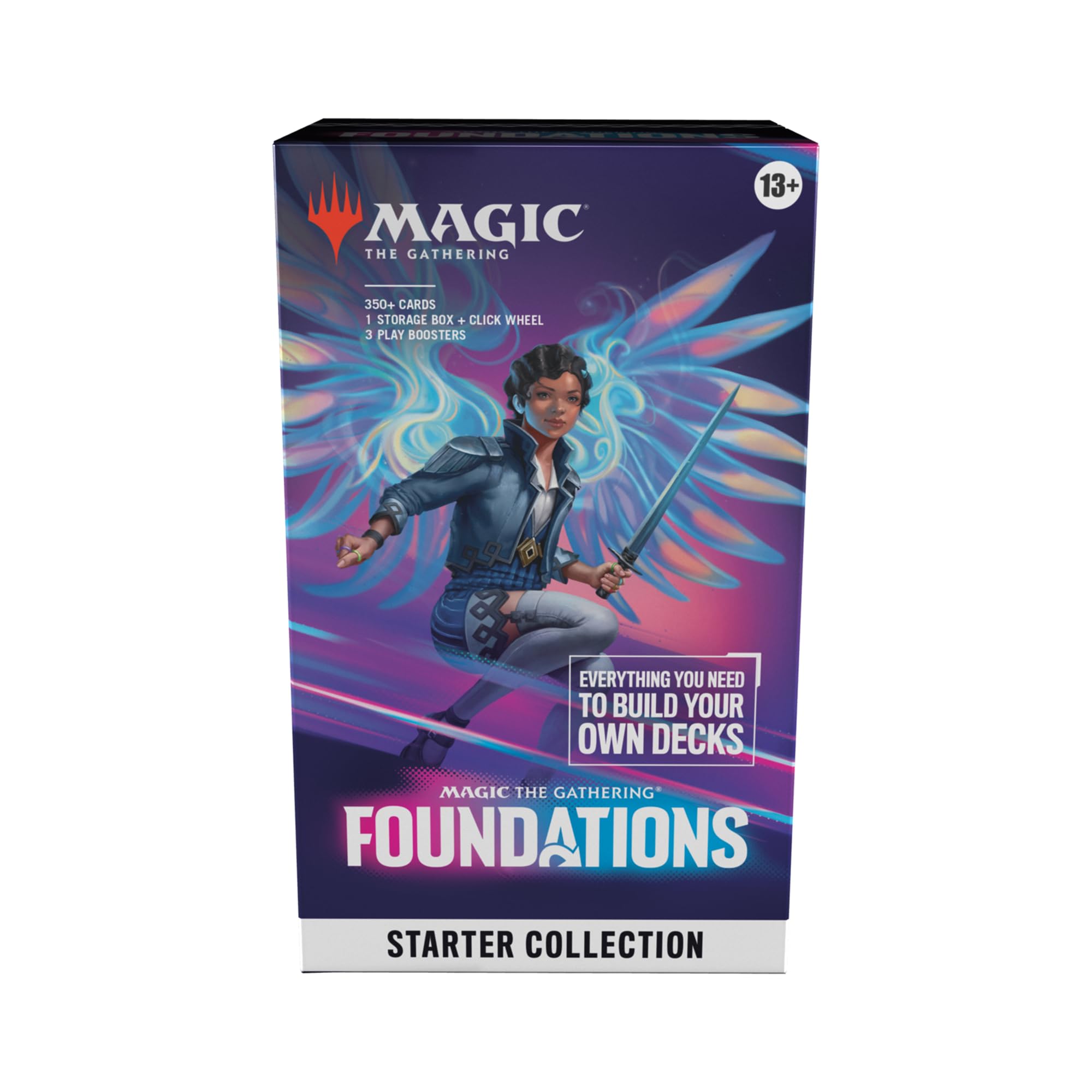
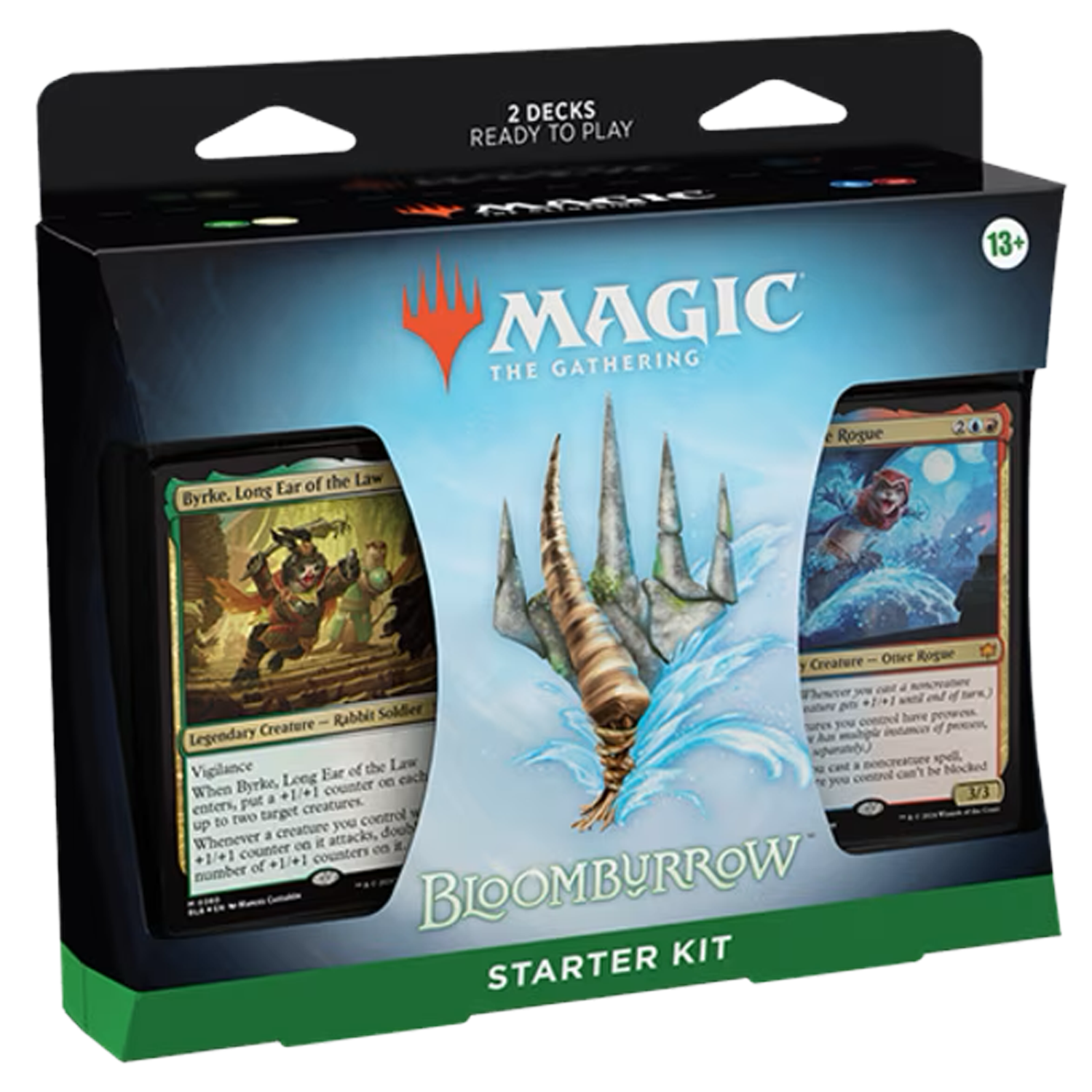
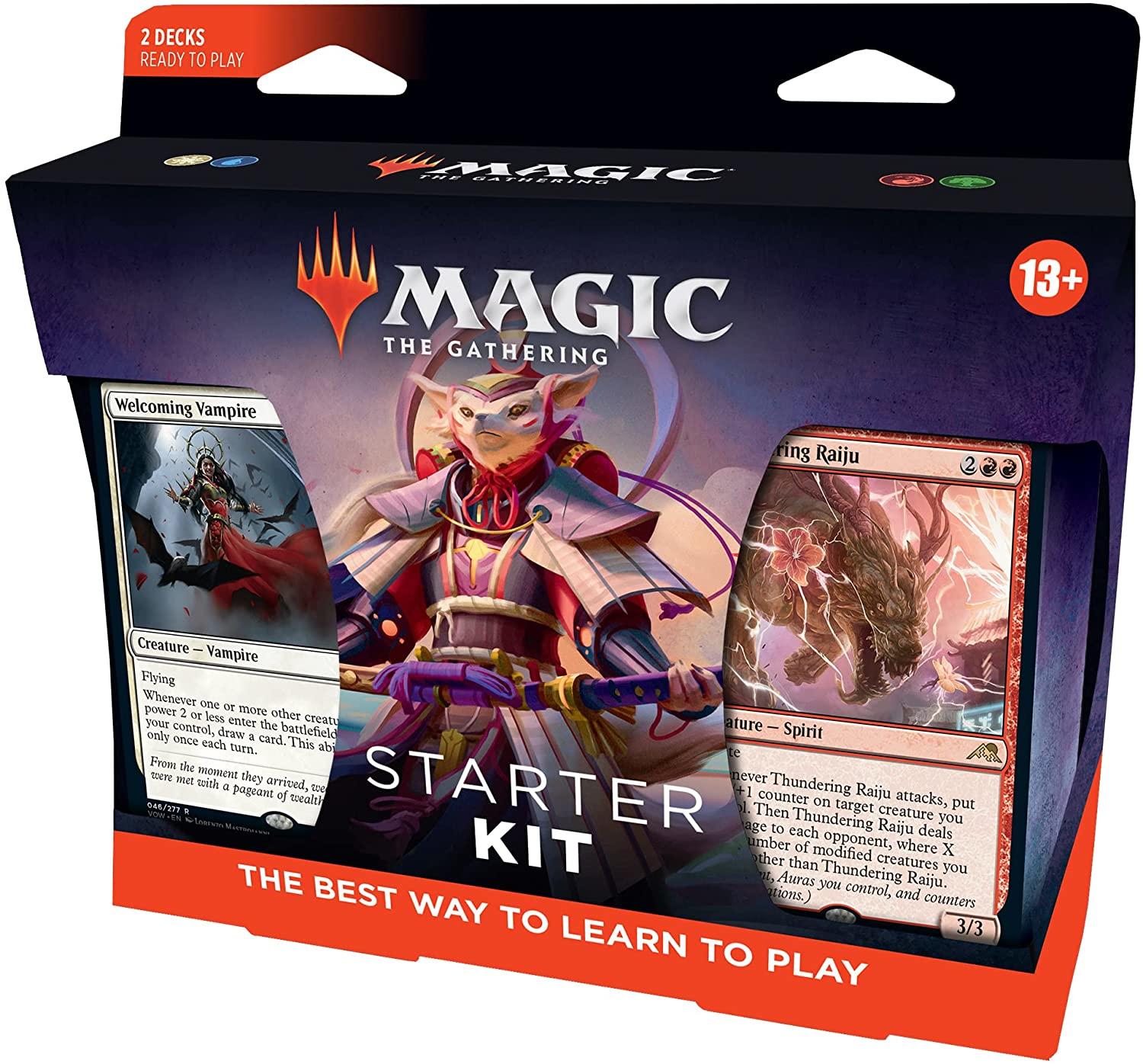
It is important to distinguish between strictly free promotional handouts and commercial entry-level products. While local game stores may occasionally run out of free promotional welcome materials, manufacturers also produce official Starter Kits (such as those released alongside major set rotations like Assassin's Creed, Foundations, or standard core iterations).
These commercial starter kits typically retail for a modest price (usually between $10 and $15) and include two ready-to-play 60-card decks, a rulebook, and digital redemption codes for MTG Arena so the physical decks can be played online as well. If a local game store has exhausted its allocation of complimentary welcome items, purchasing an official starter kit represents a cost-effective alternative for players wanting physical cards to play with friends at home.
Common Pitfalls and Best Practices for Beginners
When seeking out free Magic: The Gathering starter decks, beginners often encounter a few common misunderstandings or logistical hurdles. Keeping these points in mind ensures a smooth entry into the community:
- Do Not Expect Competitive Meta Decks: Free introductory decks and welcome boosters are engineered explicitly for teaching. They contain mechanically straightforward cards with lower power levels compared to tournament-tier decks used in formats like Modern or Commander. Do not expect to walk into a competitive tournament with a free starter deck and win matches; view them strictly as educational stepping stones.
- Call Ahead for Availability: Promotional welcome items provided by Wizards of the Coast to local game stores are distributed in limited quantities based on store allocations. It is entirely normal for a busy retail location to temporarily run out of free welcome items between promotional waves.
- Respect Store Etiquette: If a local game store gifts you free cards or spends employee time teaching you how to play, it is standard courtesy to support the business in return. Purchasing a set of protective card sleeves, a deck box, or a beverage helps sustain the independent shops that keep grassroots tabletop gaming alive.
Frequently Asked Questions
Can I get free Magic: The Gathering decks shipped to my house?
No. Wizards of the Coast does not currently offer a program where physical free starter decks are mailed directly to individual residential addresses. Physical freebies are distributed exclusively through authorized retail partners, such as local game stores participating in the Wizards Play Network, or through localized convention demos.
Are MTG Arena starter decks playable in physical paper formats?
No. The decks unlocked through the tutorial and color challenges on MTG Arena exist exclusively within the digital software. While many of the individual card names and artworks overlap with physical cards, digital accounts do not translate to physical inventory.
What is the difference between a Welcome Booster and a Starter Kit?
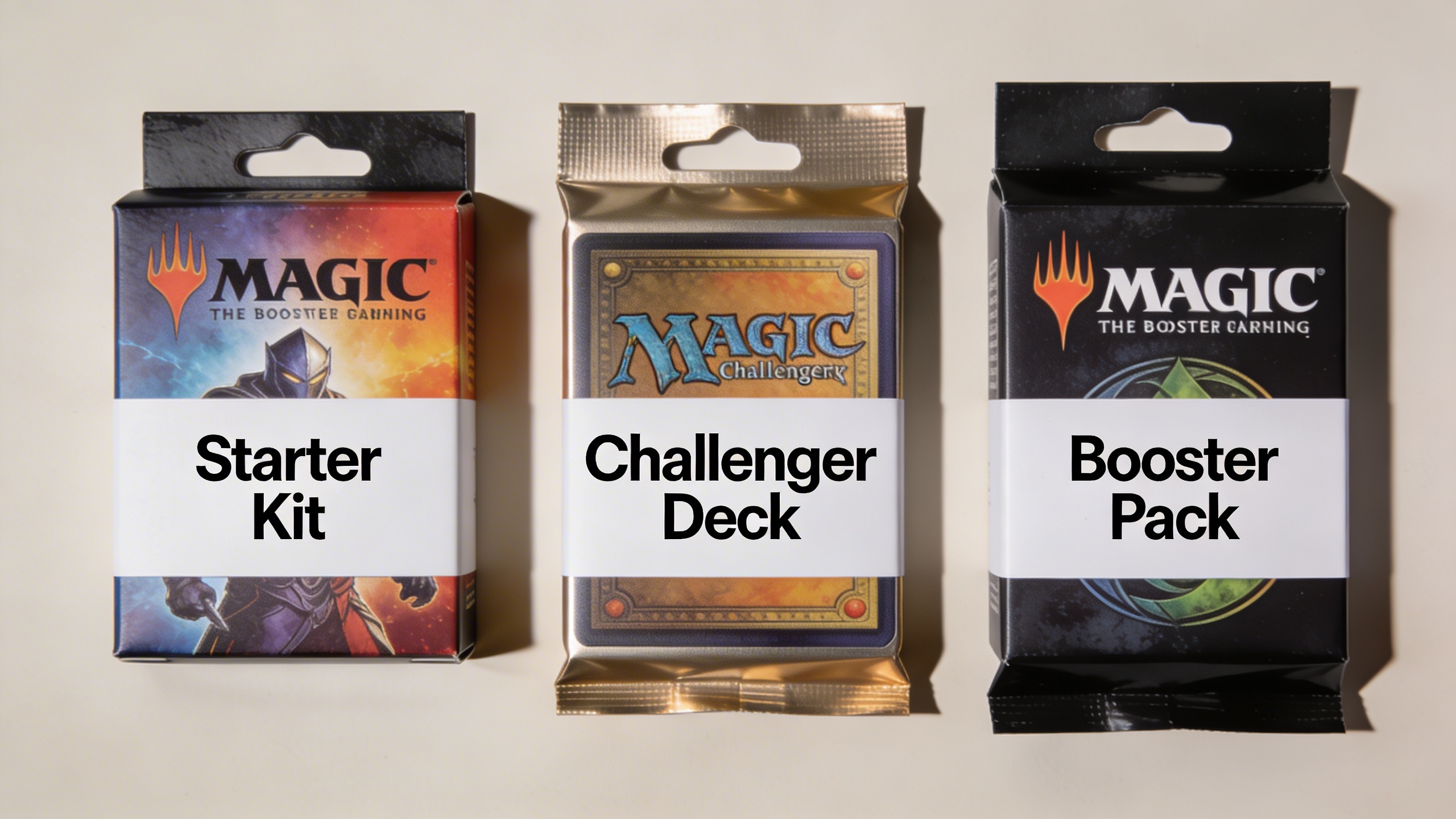
A Welcome Booster is a small, complimentary promotional pack given away by local game stores to introduce absolute beginners to the game. A Starter Kit is a commercial retail product containing two pre-built decks, reference guides, and digital codes packaged together for purchase.
Do I need to know how to play before visiting a local game store?
Not at all. Local game stores that participate in introductory events explicitly welcome complete novices. Staff members and community mentors are accustomed to teaching the rules from scratch and will often walk you through your very first game using store demonstration materials.
Can experienced players claim free welcome boosters?
Promotional welcome materials are intended primarily for absolute beginners or players returning to the hobby after a multi-year hiatus. While store policies can vary depending on local inventory levels, stores generally reserve these limited resources to cultivate new members for the local gaming community.
Next Steps for New Players
Once you have secured your first starter deck—whether through a local game store or the digital MTG Arena client—your immediate focus should be playing a few casual matches to master the core turn structure. Familiarize yourself with the five colors of mana, practice casting spells during the correct phases, and experiment with different archetypes. From there, you can explore multiplayer formats like Commander or attend local Draft events to expand your collection and connect with the broader trading card community.
Image Gallery