Understanding How Sears Credit Card Life Insurance Works in 2026
Sears credit card life insurance, technically known as credit protection or credit life insurance, is an optional benefit that pays off or reduces your outstanding credit card balance in the event of your death. Managed by Citibank, th...
Sears credit card life insurance, technically known as credit protection or credit life insurance, is an optional benefit that pays off or reduces your outstanding credit card balance in the event of your death. Managed by Citibank, the current issuer of Sears-branded cards, this coverage ensures that your credit card debt does not become a burden for your estate or surviving family members.
Contents
For many years, Sears was a titan of American retail and financial services. While the retail footprint has diminished significantly by 2026, the Sears credit card portfolio—comprised of the Sears Card and the Sears Mastercard—remains active under the management of Citibank (Citigroup). One of the most misunderstood components of these accounts is the optional insurance products attached to them.
If you are a cardholder, understanding the mechanics of Sears credit card life insurance is essential for managing your monthly expenses and ensuring your beneficiaries are protected from lingering consumer debt.
The Core Mechanism of Credit Life Insurance
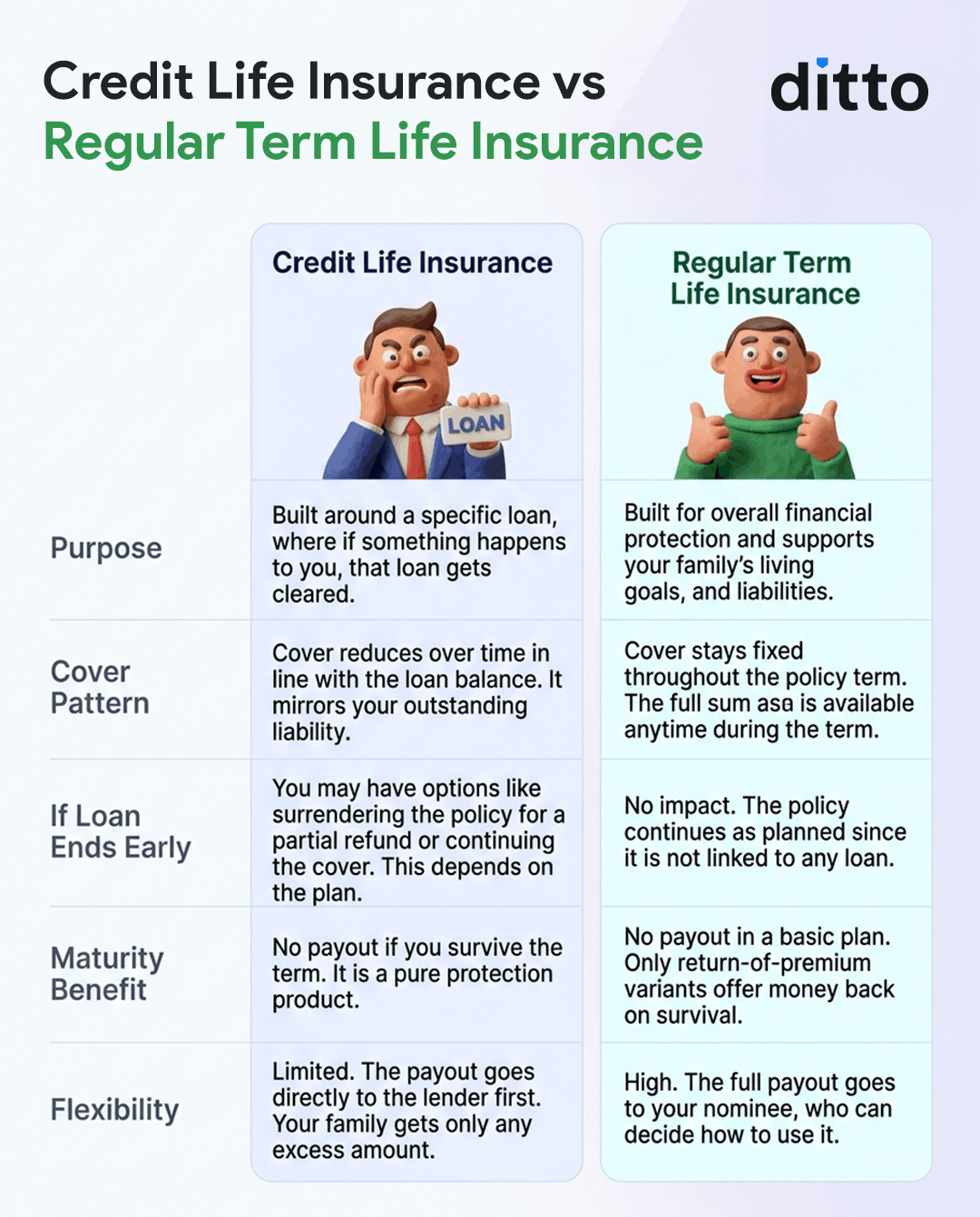
Sears credit card life insurance is a form of "credit protection." Unlike traditional term life insurance, which pays a set cash benefit to your beneficiaries for any use, credit life insurance is highly specific. Its sole purpose is to cancel the debt owed on a specific account—in this case, your Sears credit card—upon the death of the primary cardholder.
The policy is typically structured as "decreasing term" insurance. This means the value of the policy is tied directly to your outstanding balance. If you owe $2,000 at the time of your passing, the insurance pays $2,000. If you owe nothing, the policy provides no payout, despite any premiums you may have paid in previous months.
Monthly Premium Calculations
The cost of this insurance is not a flat fee. Instead, it is calculated as a percentage of your monthly statement balance. As of 2026, these rates typically hover between $0.75 and $1.00 per $100 of the ending monthly balance.
For example, if your Sears Mastercard has a balance of $1,000 at the end of the billing cycle and your insurance rate is $0.85 per $100, you will be charged $8.50 for that month. If you pay your balance in full and have a $0 balance at the end of the next cycle, your premium for that month will be $0. This "pay-as-you-go" structure is why many cardholders do not notice the charges until they carry a significant balance.
Who Manages the Insurance? (The Citibank Factor)
Although the card bears the Sears name, Sears itself does not provide the insurance or the credit. Since 2003, Citibank has owned the Sears credit card portfolio. Consequently, the insurance policies are underwritten by third-party insurers contracted by Citibank, such as American Health and Life Insurance Company or Triton Insurance Company.
By 2026, Citibank has largely moved away from marketing these "add-on" products to new customers due to increased regulatory scrutiny from the Consumer Financial Protection Bureau (CFPB). However, thousands of long-term cardholders remain enrolled in legacy plans. If you see a charge labeled "Account Protector," "Credit Protection," or "Credit Life" on your Sears statement, you are likely enrolled in one of these legacy products.
Coverage Tiers and Benefits
While "life insurance" is the primary subject, these programs often bundled multiple types of protection under one umbrella. Understanding which tier you have is vital for determining when you can file a claim.
1. Death Benefit
This is the "life insurance" component. If the primary cardholder dies, the insurer pays the eligible balance on the account as of the date of death. Some policies have a "maximum benefit" cap, often ranging from $10,000 to $25,000, depending on the specific terms agreed upon at enrollment.
2. Disability Protection
Many Sears credit protection plans also include a disability benefit. If you become totally disabled due to injury or illness and are unable to work for a specified period (usually 30 or 60 consecutive days), the insurance will cover your minimum monthly payments. This is a temporary benefit and does not pay off the full balance.
3. Involuntary Unemployment
This benefit covers your minimum monthly payments if you are laid off or terminated from your job through no fault of your own. Like the disability benefit, this is typically capped at a specific number of months (e.g., 9 to 24 months) or until you find new employment.
4. Property Protection (Legacy Plans)
In older Sears plans, some insurance packages included protection for items purchased with the Sears card against theft or accidental damage. While rare in 2026, some grandfathered accounts still carry this specific feature.
Comparison of Credit Life Insurance vs. Standard Term Life
To determine if the Sears credit card insurance is a sound financial decision, it is helpful to compare it against a standard individual term life policy.
| Feature | Sears Credit Life Insurance | Standard Term Life Insurance |
|---|---|---|
| Beneficiary | Citibank (to pay off debt) | Your chosen heirs (family, friends) |
| Payout Amount | Variable (matches your debt) | Fixed (e.g., $250,000) |
| Cost Basis | Percentage of monthly balance | Age, health, and coverage amount |
| Medical Exam | Not required | Often required for best rates |
| Portability | Ends if account is closed | Continues as long as premiums are paid |
| Flexibility | Debt cancellation only | Can pay for funeral, mortgage, or tuition |
Eligibility and Restrictions
One of the reasons credit life insurance is popular for certain demographics is its ease of enrollment. Unlike standard life insurance, which requires medical underwriting and history checks, the Sears card insurance usually features "guaranteed issue" eligibility, provided the cardholder meets age requirements (typically under age 65 or 70 at the time of enrollment).
However, there are significant exclusions that can void a claim:
- Pre-existing Conditions: If the death occurs within the first 6 to 12 months of enrollment due to a condition treated shortly before signing up, the claim may be denied.
- Suicide: Most policies have a two-year suicide clause.
- Defaulted Accounts: If your account was significantly past due before the death or disability occurred, the insurance may be void.
How to File a Claim in 2026
If a cardholder has passed away or experienced a qualifying event, the claim process must be initiated promptly. Because Sears stores are no longer the primary point of contact for financial services, all claims are handled through Citibank’s specialized departments.
- Gather Documentation: For a death claim, you will need a certified copy of the death certificate. For unemployment or disability, you will need employer notices or physician statements.
- Contact Citibank: Call the number on the back of the Sears credit card or the specific "Account Protector" customer service line.
- Submit the Claim Form: Citibank will provide a claim packet that must be completed by the executor of the estate or the co-applicant.
- Continue Minimum Payments: Until the claim is officially approved, it is often advised to continue making minimum payments to avoid late fees or credit damage, as claim processing can take 30 to 60 days.
Is It Worth Keeping?
As we look at the financial landscape in 2026, credit card life insurance is often viewed as a "niche" product. It is generally more expensive than a standard life insurance policy when calculated on a per-dollar-of-coverage basis.
It may be worth keeping if:
- You have a high balance and are unable to qualify for traditional life insurance due to health issues.
- You want the peace of mind that a specific debt will be wiped clean without involving probate or your heirs.
It may be worth canceling if:
- You already have an adequate term or whole life insurance policy.
- You pay your balance in full every month (though you won't be charged a premium, the coverage also provides no benefit for a $0 balance).
- You are looking to reduce monthly fees on your credit card statement.
To cancel, you simply need to contact Citibank customer service. Once canceled, you will no longer be charged the monthly premium, and the coverage will cease immediately.
Frequently Asked Questions
Does Sears credit card life insurance cover the whole family?
No. The insurance typically only covers the primary cardholder. In some cases, if there is a legal co-applicant (not just an authorized user), the policy may cover both, but you should check your specific "Certificate of Insurance" to confirm.
What happens to the insurance if my Sears card is closed?
If you or Citibank closes the credit card account, the insurance coverage ends. Unlike a private life insurance policy that you can take with you, this coverage is tied strictly to the active status of your Sears credit account.
Can I get a refund of premiums if I never used the insurance?
Generally, no. Premiums paid for credit life insurance are considered "earned" by the insurer for the period you were covered. Even if you never filed a claim, the insurer provided the service of "risk assumption" during that time.
Is the payout from the insurance taxable?
In the United States, life insurance payouts are generally not considered taxable income for the beneficiary. Because this insurance pays the lender (Citibank) directly to cancel a debt, it usually does not create a tax liability for the estate of the deceased.
Final Recommendation
If you currently hold a Sears credit card, review your latest statement for any "Credit Protection" or "Account Protector" fees. If you are healthy and eligible for standard life insurance, you can likely find more comprehensive coverage at a lower cost elsewhere. However, if you have significant medical history and want to ensure your Sears balance is not a burden to your family, maintaining the coverage provides a simple, no-exam safety net. Always ensure your estate executor knows this policy exists, as Citibank will not automatically know a cardholder has passed away without a filed claim.
Image Gallery