The Best Drinks in Mexico for Every Palate: A Comprehensive Guide
The best drinks in Mexico offer a diverse spectrum of flavors ranging from the smoky intensity of artisanal mezcal and the crisp profile of blue agave tequila to the refreshing sweetness of hibiscus-infused aguas frescas and the creamy...
The best drinks in Mexico offer a diverse spectrum of flavors ranging from the smoky intensity of artisanal mezcal and the crisp profile of blue agave tequila to the refreshing sweetness of hibiscus-infused aguas frescas and the creamy complexity of traditional horchata. Whether you prefer complex spirits, fermented ancient elixirs, or non-alcoholic botanical blends, Mexico's beverage landscape provides options rooted in centuries of cultural heritage and modern innovation.
Contents
The Foundation of Mexican Spirits: Tequila and Mezcal
When discussing Mexican beverages, agave spirits inevitably lead the conversation. By 2026, the global appreciation for these spirits has shifted from mass-produced mixers to a deep respect for "terroir" and traditional production methods. Understanding the nuance between the two primary categories is essential for any palate.
Tequila: The Blue Agave Standard
Tequila is specifically produced from the Blue Weber Agave in five Mexican states, with Jalisco being the heart of production. For a palate that appreciates clarity and brightness, Tequila Blanco (unaged) offers the purest expression of the agave plant, featuring notes of citrus and pepper.
Those who prefer a smoother, more complex experience should look toward Reposado (aged 2 to 12 months) or Añejo (aged 1 to 3 years). These varieties pick up tannins and vanilla notes from the oak barrels. In 2026, the trend of "Cristalino" continues to be popular—this is an aged tequila that has been filtered through charcoal to remove its color while retaining the woody flavor profile, perfect for drinkers who want the complexity of an añejo with the visual aesthetics of a blanco.
Mezcal: The Soul of the Earth
While all tequila is technically a type of mezcal, not all mezcal is tequila. Mezcal can be made from over 30 types of agave, leading to a much wider variety of flavor profiles. The defining characteristic of mezcal is its smokiness, which comes from roasting the agave hearts (piñas) in underground pits lined with hot stones.
For the adventurous palate, "Mezcal Ancestral" represents the pinnacle of craft, utilizing clay pot distillation and hand-mashing. If you find the smokiness of traditional mezcal too intense, look for varieties made from Espadín agave, which tends to be more balanced, or Tobalá, a wild agave that yields a sweeter, more floral profile. The diversity of mezcal ensures that even those who usually avoid spirits can find a profile—be it earthy, fruity, or herbaceous—that resonates with them.
Ancient Fermented Elixirs: Pulque and Tepache
Long before the Spanish introduced distillation techniques, Mexico’s indigenous populations were creating sophisticated fermented beverages. These drinks offer a unique texture and a tangy profile that appeals to those interested in probiotics and historical culinary practices.
Pulque: The Drink of the Gods
Pulque is a milky, slightly viscous beverage made from the fermented sap of the maguey plant (aguamiel). Historically reserved for priests and royalty, it has seen a massive resurgence in urban centers like Mexico City. The flavor is slightly sour, reminiscent of kombucha or sourdough, with a yeast-forward finish.
Because pulque continues to ferment and does not travel well, it is best enjoyed at a traditional pulquería. For those who find the natural flavor too bold, "Curados" are the perfect entry point. These are pulques blended with fresh fruits, nuts, or even chocolate, resulting in a drink that is creamy, sweet, and approachable.
Tepache: The Refreshing Ferment
Tepache is perhaps Mexico’s most accessible fermented drink. It is made by fermenting pineapple skins with brown sugar (piloncillo) and spices like cinnamon and cloves. With a very low alcohol content (usually under 2%), it is often served ice-cold in plastic bags or cups by street vendors.
The palate profile of tepache is bright, effervescent, and deeply refreshing. It strikes a balance between the natural acidity of the pineapple and the deep, molasses-like sweetness of the piloncillo. It is an excellent choice for those who want a "living" beverage that isn't as heavy as beer or as intense as hard spirits.
The Art of Aguas Frescas
For those seeking non-alcoholic options, the category of "Aguas Frescas" (cool waters) is a cornerstone of Mexican daily life. These are not merely juices but carefully balanced infusions of fruits, seeds, and flowers.
Agua de Jamaica (Hibiscus)
Jamaica is made from the dried calyces of the hibiscus flower. It is deep red, tart, and floral. Its high acidity makes it an excellent accompaniment to fatty foods like tacos de suadero or carnitas. The palate experience is similar to a dry cranberry juice but with a more complex botanical aroma. It is naturally caffeine-free and rich in antioxidants.
Horchata de Arroz
Horchata is the comfort food of Mexican beverages. This creamy, opaque drink is made from soaked rice, almonds, cinnamon, and sugar. While it looks like dairy, it is often plant-based (though some modern recipes add evaporated milk for extra richness). The flavor is reminiscent of rice pudding in liquid form—sweet, warming due to the cinnamon, and incredibly soothing against the heat of habanero salsas.
Tamarindo
Tamarind water is made from the pulp of the tamarind pod. It offers a unique "sweet and sour" profile that is quintessentially Mexican. It has an earthy undertone and a refreshing zing that cleanses the palate. It is often the favorite of those who prefer savory-leaning refreshments over sugary sodas.
Traditional Morning Rituals: Coffee and Chocolate
Mexico’s contribution to the world of warm beverages is rooted in its indigenous history and its high-altitude coffee plantations in regions like Chiapas and Veracruz.
Café de Olla
This is not your standard cup of black coffee. Café de olla is prepared in a traditional clay pot (olla), which imparts a distinct mineral earthiness to the water. It is brewed with ground coffee, cinnamon sticks, and piloncillo. Some regional variations also include orange peel or cloves. The result is a robust, spiced coffee that requires no additional cream or sugar. It is the definitive beverage for a cool morning in the Mexican highlands.
Mexican Chocolate
In Mexico, chocolate is often treated as a drink rather than a solid candy. Traditional Mexican hot chocolate is made by dissolving disks of cacao (often ground with cinnamon and almonds) into hot water or milk. The key to a perfect cup is the molinillo, a wooden whisk used to create a thick, luxurious froth. For a truly traditional experience, try it "water-based" to taste the full profile of the cacao beans, or look for "Champurrado," a chocolate-based atole thickened with corn masa.
Comparison of Popular Mexican Beverages
The following table compares the most common Mexican drinks based on their primary ingredients and flavor profiles to help you choose the best option for your palate.
| Beverage | Alcohol Content | Base Ingredient | Flavor Profile | Best For |
|---|---|---|---|---|
| Tequila Blanco | High (38-40%) | Blue Weber Agave | Citrus, Pepper, Clean | Sipping or Cocktails |
| Mezcal | High (40-50%) | Various Agaves | Smoky, Earthy, Floral | Adventurous Sipping |
| Pulque | Low (4-6%) | Maguey Sap | Sour, Yeast, Viscous | Cultural Experience |
| Tepache | Very Low (<2%) | Pineapple Skin | Sweet, Spiced, Fizzy | Afternoon Refreshment |
| Horchata | None | Rice & Cinnamon | Creamy, Sweet, Warm | Pairing with Spicy Food |
| Jamaica | None | Hibiscus Flowers | Tart, Floral, Tannic | Thirst Quenching |
| Café de Olla | None | Coffee & Spices | Sweet, Earthy, Bold | Breakfast |
| Michelada | Low (Variable) | Beer & Lime/Spices | Salty, Spicy, Savory | Hangover / Brunch |
Modern Mixology: The Evolution of the Mexican Cocktail
By 2026, Mexican mixology has moved far beyond the basic Margarita. While the Margarita remains a global icon, local palates often prefer the Paloma. Consisting of tequila, lime juice, and grapefruit soda (often with a salt rim), the Paloma is widely considered the true national cocktail of Mexico because of its perfect balance of salt, acid, and bubbles.
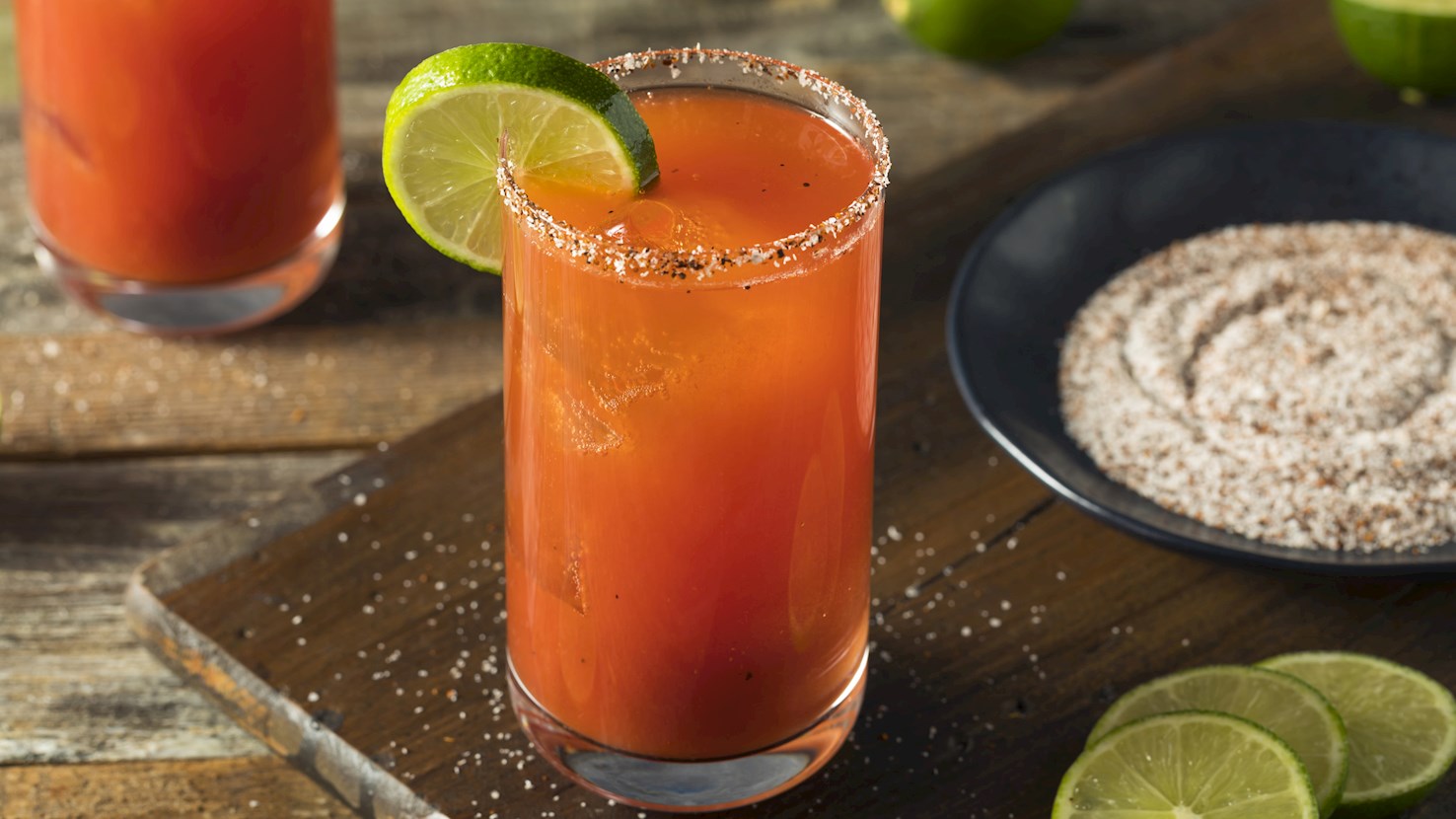
Another essential category is the Michelada. This is less a single recipe and more a philosophy of beer enhancement. At its simplest (a Chelada), it is lager with lime and salt. At its most complex, it involves tomato juice, Clamato, hot sauce, Worcestershire sauce, and a rim of Tajín. For those who enjoy a "savory" drink—similar to a Bloody Mary—the Michelada is an unmatched experience, especially during a weekend brunch.
Regional Specialties Worth Seeking
If you find yourself traveling outside the major tourist hubs, look for these hyper-regional drinks that reflect local biodiversity:
- Sotol: Produced in the northern deserts (Chihuahua, Coahuila, Durango), it is distilled from the "Desert Spoon" plant. It has a bright, grassy, and forest-floor flavor that differs significantly from agave spirits.
- Pox (pronounced "Posh"): A ceremonial spirit from Chiapas made from corn, sugar cane, and wheat. It is deeply integrated into Mayan rituals and has a sweet, grain-forward profile.
- Raicilla: Often called "Mexican Moonshine" (though now legally regulated), this Jalisco spirit is made from agaves grown in the mountains or the coast. It is known for its funky, wild, and sometimes lactic flavors.
- Xtabentún: A Yucatecan liqueur made from anise seed and honey produced by bees that forage on the Xtabentún flower. It is sweet and best served as a digestif over ice.
Frequently Asked Questions
What is the best Mexican drink for someone who doesn't like alcohol?
Horchata is generally the most popular choice for those avoiding alcohol. Its creamy texture and familiar cinnamon-sweet flavor make it universally appealing. If you prefer something less sweet, Agua de Jamaica provides a sophisticated, tart alternative that feels more like a "grown-up" beverage than standard juice.
Is it safe to drink "Aguas Frescas" from street vendors?
In 2026, most established street vendors in high-traffic areas use purified water (agua de garrafón) to prepare their drinks. However, if you have a sensitive stomach, look for vendors who display their water jugs or purchase these drinks in established "reposterías" or restaurants where hygiene standards are more easily verified.
Why does some Mezcal taste more like "smoke" than others?
The intensity of the smoke depends on the wood used in the roasting pit and the duration of the roast. Artisanal mezcals produced in underground pits will always have a smokier profile than "Industrial" mezcals which might use autoclaves (steam ovens).
What is the difference between a Michelada and a Chelada?
A Chelada is simply beer with lime and a salted rim. A Michelada adds various sauces (salsas), such as Maggi seasoning, Worcestershire, and chili powder. Some regions also add tomato juice or Clamato to a Michelada, though this is sometimes specifically called an "Ojo Rojo."
Is Pulque an acquired taste?
Yes. Because of its slightly viscous (thick) texture and fermented tang, it can be surprising for first-timers. If the texture is a concern, start with a "Curado de Fresa" (strawberry) or "Curado de Piñón" (pine nut), as the fruit pulp helps balance the natural consistency.
Recommendation for Travelers
To truly experience the best drinks in Mexico, we recommend a tiered approach: start your morning with a Café de Olla, pair your lunch with a crisp Agua de Jamaica, and end your evening with a neat pour of Mezcal Espadín. This progression allows you to experience the functional, refreshing, and ceremonial roles that beverages play in Mexican culture. Always look for the "NOM" (Norma Oficial Mexicana) stamp on bottles of Tequila and Mezcal to ensure authenticity and quality standards regulated by the Mexican government.
Image Gallery