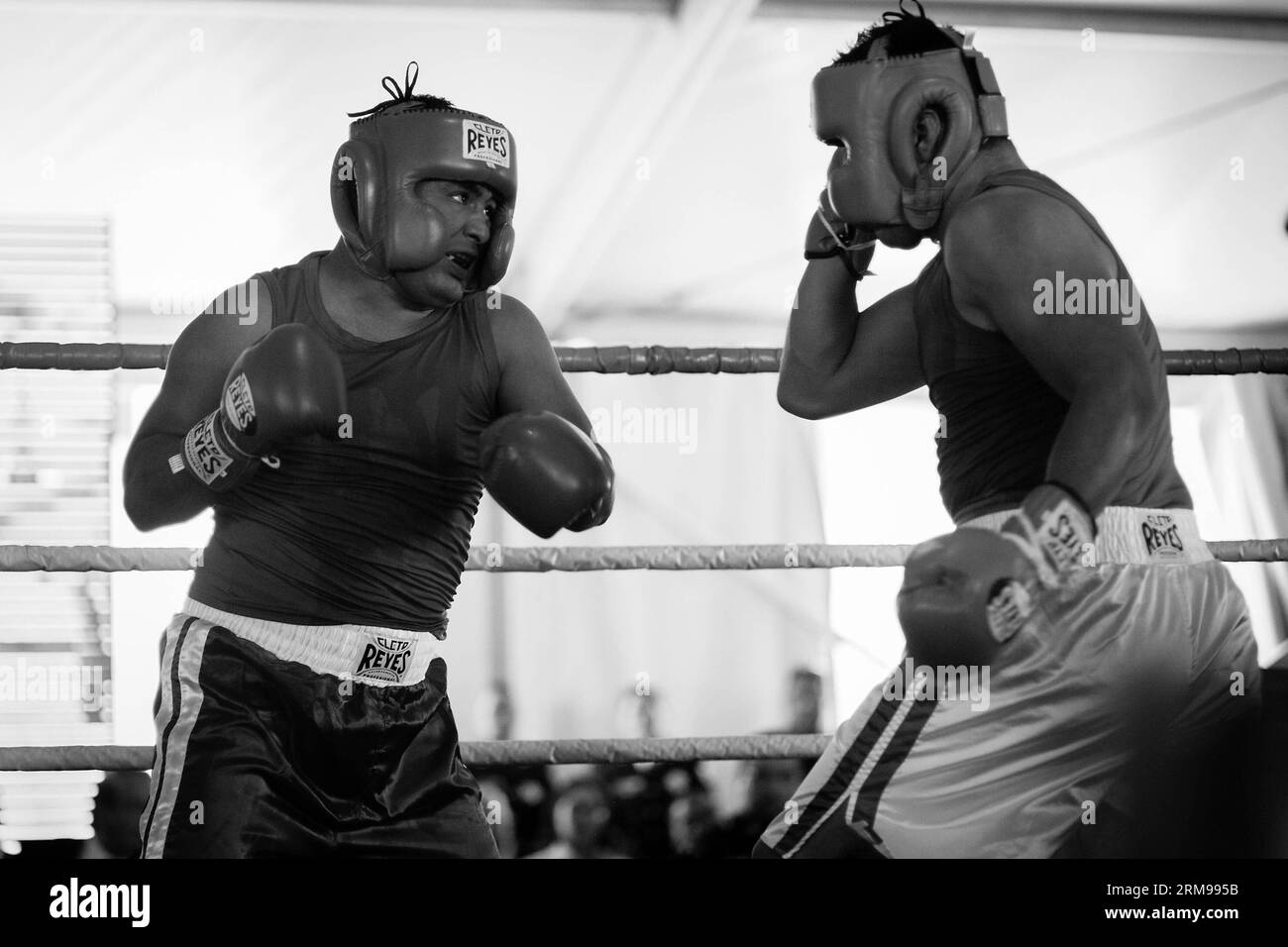
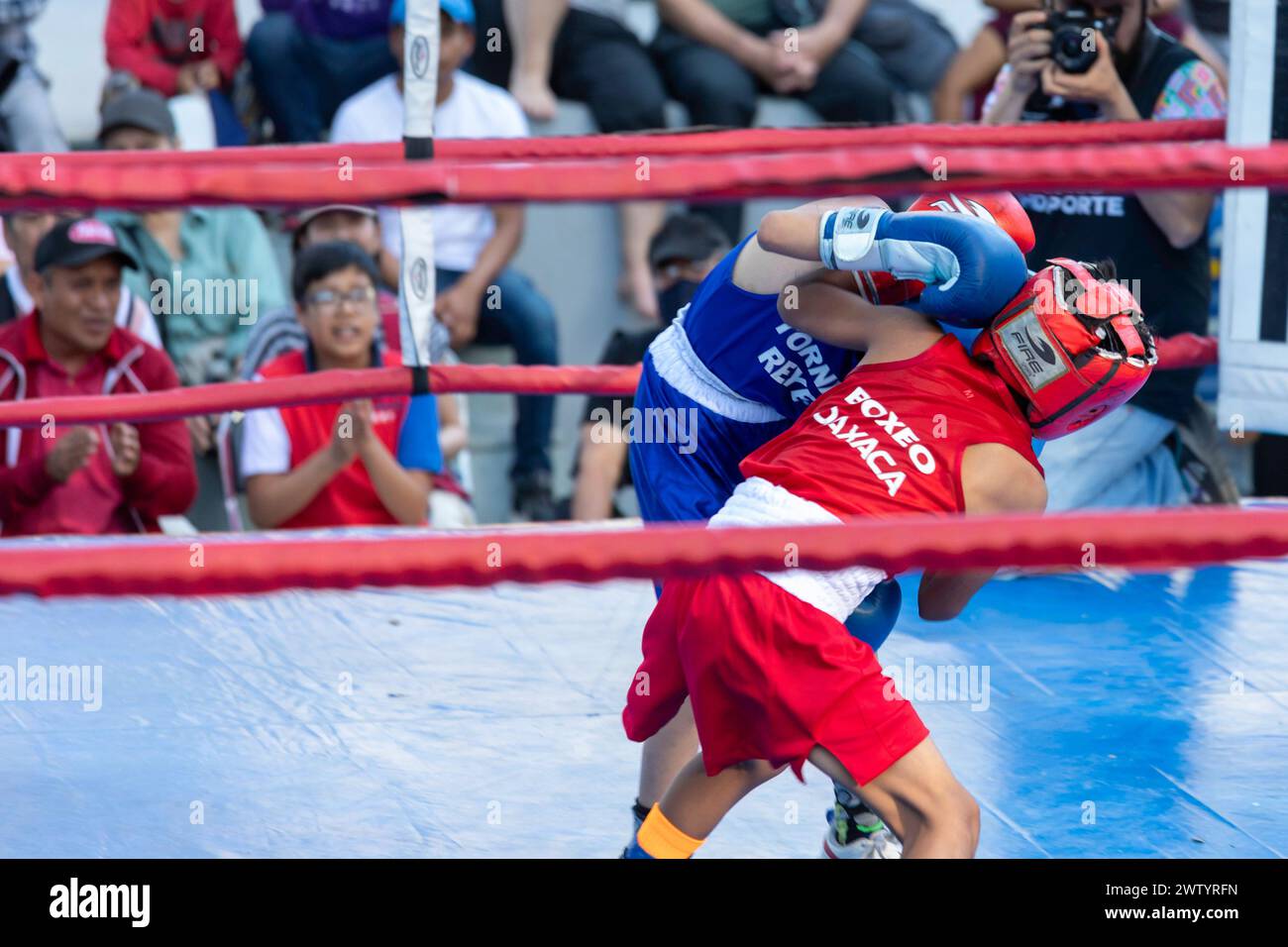
Boxing in Mexico Thrives Amid History and Change
Boxing in Mexico maintains its status as a pillar of national identity, balancing a deep-rooted cultural legacy with modern economic and technological shifts. As of 2026, the sport continues to thrive through a robust grassroots networ...
Boxing in Mexico maintains its status as a pillar of national identity, balancing a deep-rooted cultural legacy with modern economic and technological shifts. As of 2026, the sport continues to thrive through a robust grassroots network, a sophisticated pipeline of professional talent, and a complex intersection of historic gym culture and global media partnerships that sustain its dominance in the international fight scene.
Contents
The Cultural Foundations of Mexican Boxing
To understand why boxing thrives in Mexico, one must recognize its role as a socioeconomic vehicle. For generations, the sport has served as a path to professional success for young athletes, often emerging from the most challenging neighborhoods. This "fábrica de campeones" (factory of champions) mentality is not merely a sporting tradition; it is a structural reality supported by a massive infrastructure of local gyms, known as gimnasios de barrio.
These gyms act as community anchors. They provide discipline, structure, and a sense of belonging, which is why the sport remains resilient even during periods of national economic fluctuation. The training philosophy—characterized by an aggressive, high-volume punching style often referred to as the "Mexican Style"—has become a globally recognized brand that influences how fighters are developed, marketed, and valued by international promoters.
Evolution of the Professional Ecosystem
The professional boxing landscape in Mexico has undergone significant changes in the last decade. Historically reliant on localized circuits, the current scene is increasingly integrated with global streaming platforms and international sanctioning bodies.
The Shift to Global Platforms
In 2026, the visibility of Mexican fighters is higher than ever. The transition from terrestrial television to global digital streaming services has allowed Mexican promoters to reach audiences in Europe, Asia, and the United States with greater efficiency. This has fundamentally changed the economics of the sport:
- Increased Revenue Streams: Digital subscriptions have diversified the revenue base, reducing dependence on gate receipts alone.
- Talent Exportation: While Mexican fighters once primarily fought at home, there is now a seamless pipeline for talent to feature on high-profile international cards, often headlining events in arenas like T-Mobile Arena in Las Vegas or the O2 in London.
- Media Saturation: The constant availability of fight archives and live streams has created a "global fan" for Mexican boxing, elevating the market value of fighters who maintain a traditional, action-oriented fighting style.
Training, Development, and Technical Standards
Developing a champion in Mexico requires adherence to specific technical benchmarks. While the sport evolves, the pedagogical core remains consistent. Trainers emphasize cardiovascular conditioning and the ability to sustain intense pressure over twelve rounds.
Key Training Pillars
- Volume Punching: A core technical requirement is the mastery of combinations that prioritize sustained pressure over singular, knockout-focused power.
- Defensive Resilience: Mexican fighters are trained to absorb punishment while maintaining forward motion, a hallmark of the country’s high-pressure style.
- Sparring Frequency: Unlike some international systems that prioritize shorter, higher-intensity sessions, the Mexican approach involves frequent, high-duration sparring sessions to build the necessary stamina and grit for professional championship bouts.
Comparative Overview of Boxing Infrastructure
The table below outlines the evolution of the Mexican boxing infrastructure compared to other major global markets in 2026.
| Feature | Traditional Mexican Model | Emerging International Standard |
|---|---|---|
| Primary Hubs | Community-based neighborhood gyms | Corporate-managed performance centers |
| Funding Source | Local promoters and sponsorship | Venture capital and media conglomerates |
| Training Focus | Conditioning and high-volume output | Analytics-based movement and defense |
| Path to Pro | Regional amateur circuits | Amateur national-team pipelines |
| Revenue Model | Gate receipts and local TV deals | Global streaming and pay-per-view |
Navigating Challenges in the Modern Era
Despite its success, the sport faces significant hurdles in 2026. The primary concern is the commercial exploitation of young fighters. As international demand for "the next Mexican star" increases, many young athletes are pushed into professional ranks before they have fully developed, often leading to shortened careers or physical burnout.
Furthermore, the rise of specialized athletic training centers—which rely on data analytics rather than the "trial by fire" environment of the traditional gym—has created a divide in the training philosophy. Some argue that traditional grit is being lost to modern sports science, while others contend that the blend of both is necessary for longevity in a sport that has become increasingly unforgiving regarding medical testing and safety regulations.
Regulatory Compliance and Safety
The Mexican boxing commission, in conjunction with international entities, has tightened regulations significantly. Fighters competing in sanctioned bouts must now meet rigorous medical standards, including pre-fight neurological screenings and post-fight recovery protocols that are standardized across the country’s various commissions. These requirements are not mere suggestions; they are prerequisites for licensing in major jurisdictions. Organizers must ensure that all medical documentation is verified by authorized professionals at least 48 hours before any scheduled event.
Frequently Asked Questions
Why is the "Mexican Style" so effective in professional boxing? The "Mexican Style" relies on high-volume punching and relentless forward pressure. This approach forces opponents to work at a pace that often leads to fatigue, allowing the Mexican fighter to gain control in the later rounds of a match.
How do local gym culture and professional success coexist? The local gym is where the foundation of the fighter is built, while the professional infrastructure provides the necessary platform to monetize that skill. The relationship is symbiotic; without the accessible gyms, the pipeline of talent would dry up, and without the professional platforms, the incentive for young people to train at such a high intensity would diminish.
What role does technology play in Mexican boxing in 2026? Technology has decentralized the sport. While training remains manual and physical, scouting, matchmaking, and broadcasting have moved entirely to digital platforms, allowing Mexican fighters to build global brands long before they reach their physical prime.
Are there standardized requirements for young boxers entering the sport? Yes, regulations regarding amateur-to-professional transition have become more standardized. Young fighters are required to complete a minimum number of amateur bouts and undergo specific health screenings to prevent early, unsafe entry into the professional ranks.
How has the growth of global streaming affected the domestic fan base? While it has increased the reach of the sport, it has also raised the cost of entry for some domestic fans. Promoters are currently balancing the need for global revenue with the necessity of keeping events accessible to the local fans who form the backbone of the sport's history.
Next Steps for Stakeholders
For promoters, trainers, and fans interested in the continued vitality of the sport, the focus for 2026 should be on the sustainable development of talent. Prioritizing physical health and long-term career management over immediate, high-volume fight schedules is essential. Stakeholders should emphasize the preservation of the gimnasios de barrio while adopting modern safety and data-driven training metrics. For those seeking to support the sport, engaging with local community training centers or supporting regional grassroots cards remains the most effective way to ensure the long-term survival of the Mexican boxing tradition.
Image Gallery