Fantastic Four Spoilers Revealed in the New Film: Fact and Context
The 2025 release of The Fantastic Four: First Steps introduced major narrative shifts for Marvel’s First Family, integrating them into a retro-futuristic version of the Marvel Cinematic Universe (MCU). Spoilers from the film confirm th...
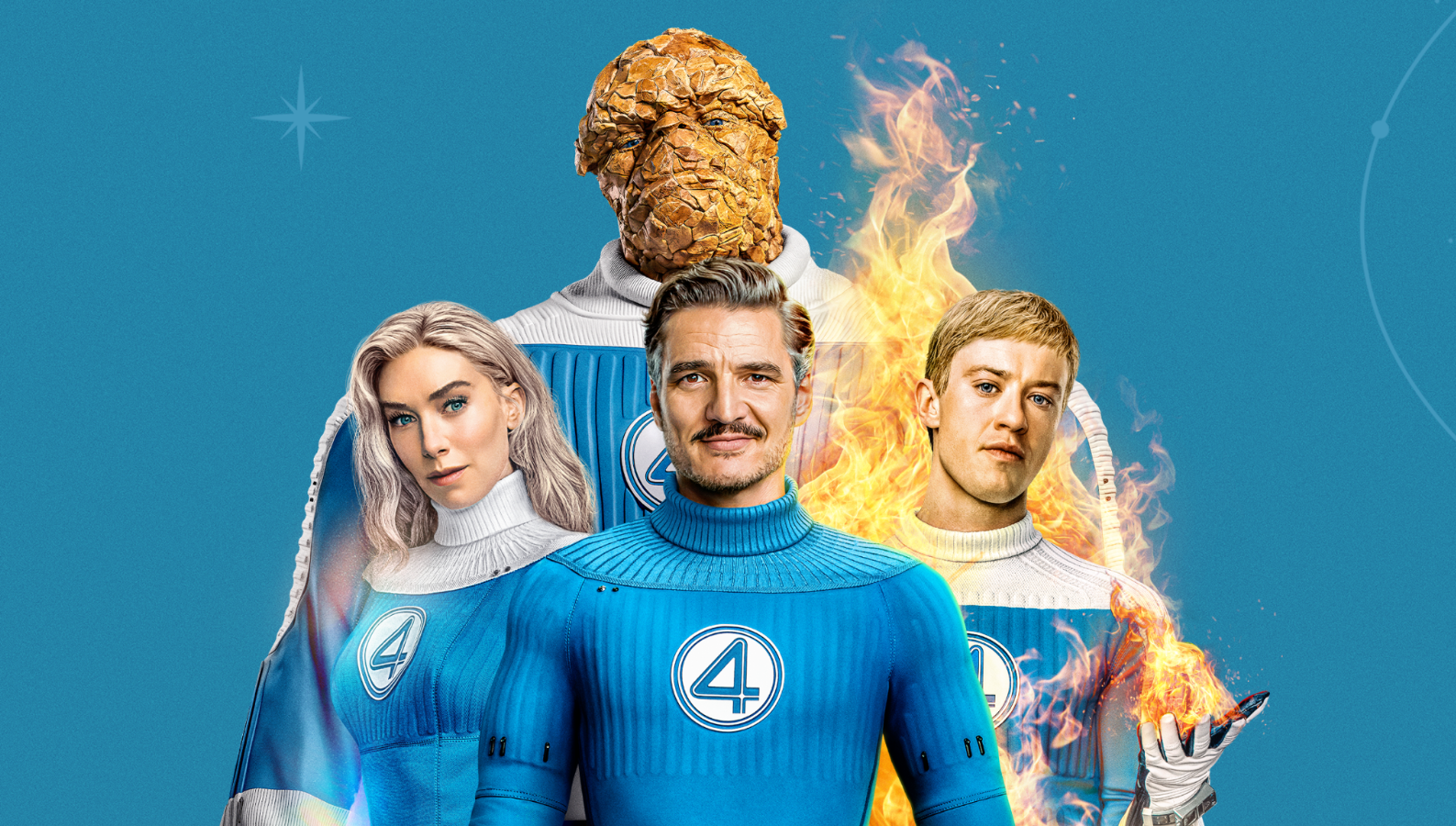
The 2025 release of The Fantastic Four: First Steps introduced major narrative shifts for Marvel’s First Family, integrating them into a retro-futuristic version of the Marvel Cinematic Universe (MCU). Spoilers from the film confirm the team originates from a divergent, 1960s-inspired timeline known as Earth-616’s sister reality, dealing with a Galactus-level threat that dictates their transition into the primary MCU continuity.
Contents
The Context of the Fantastic Four’s MCU Debut
The release of The Fantastic Four: First Steps stands as a pivotal moment in the 2026 entertainment landscape. For years, audiences speculated on how Marvel Studios would integrate Reed Richards, Sue Storm, Johnny Storm, and Ben Grimm into a universe already populated by the Avengers and the X-Men. The spoilers revealed in the film focus heavily on the concept of "multiversal displacement," a narrative device used to explain why the team has been absent from the events of the Infinity Saga and the subsequent timeline updates.
By establishing the characters within a distinct, stylized reality that reflects a mid-century utopian vision of space exploration, the film sets a clear boundary between the team’s origin and the main MCU timeline. The spoilers regarding the film’s conclusion indicate that the team’s arrival in the core 616-universe is not merely a matter of travel, but a matter of survival, necessitated by the impending consumption of their home dimension by Galactus.
Key Narrative Reveals and Character Dynamics
The film deviates from previous iterations by prioritizing the professional and scientific background of the team. Unlike earlier cinematic attempts, this version leans heavily into the source material's "exploration-first" ethos. Spoilers confirmed during the theatrical window highlight that Reed Richards does not start as a hero, but as a visionary scientist whose primary motivation is the scientific advancement of his reality.
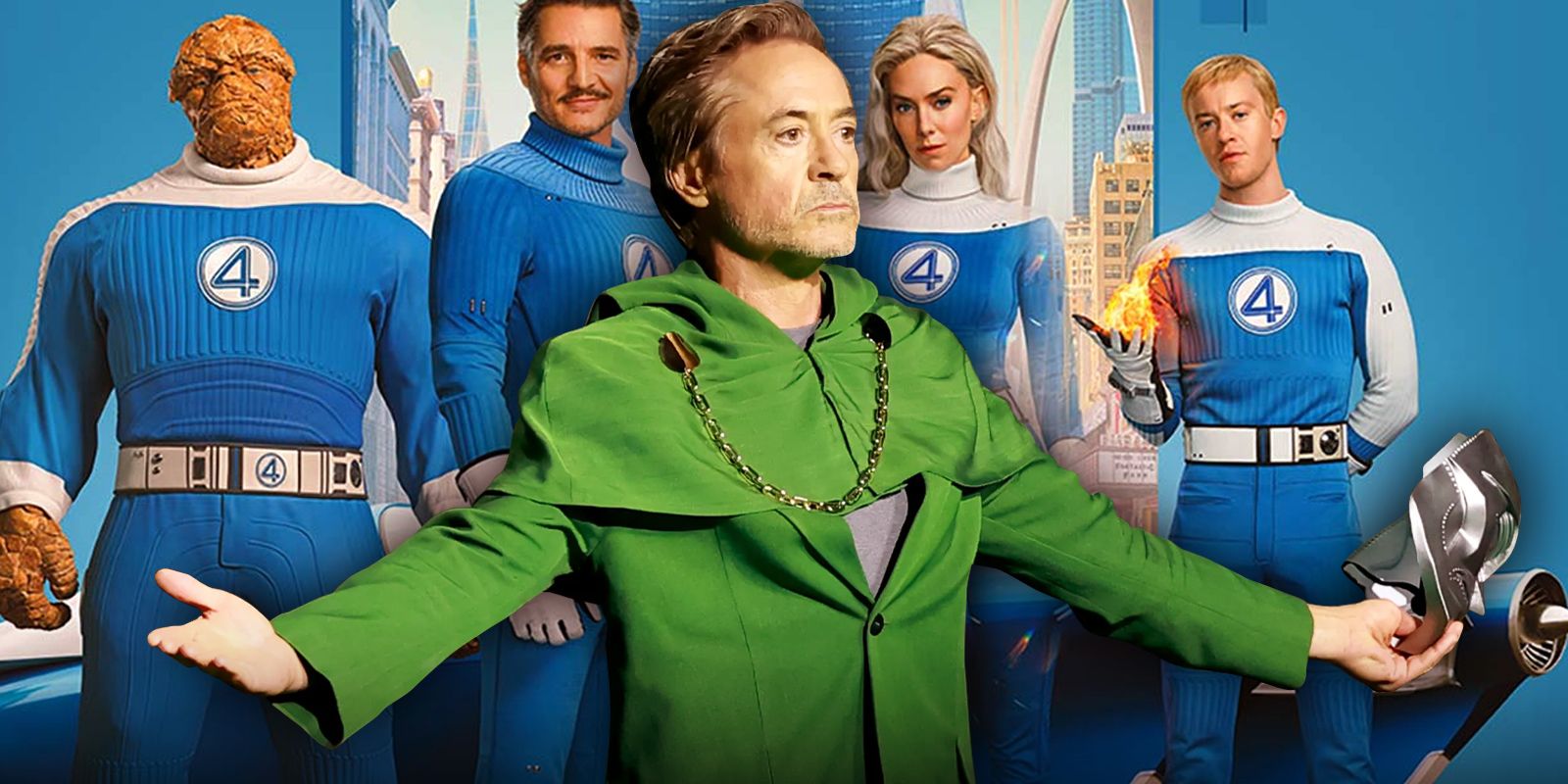
The relationship between the characters is also depicted with significantly more complexity. The friction between Ben Grimm (The Thing) and the burden of his transformation is treated with higher narrative stakes than in previous adaptations, serving as the emotional anchor for the film. Furthermore, the role of Victor von Doom is handled with a focus on his geopolitical standing in Latveria, though the film intentionally keeps his transformation into Doctor Doom as a lingering threat for future installments.
Comparative Analysis of Cinematic Representations
To understand why the spoilers regarding this film are significant, it is necessary to compare the structure of this release against the history of the franchise. Marvel’s history with these characters has been fraught with licensing complications and varying tonal directions.
| Attribute | 2005/2007 Version | 2015 Version | 2025/2026 Version |
|---|---|---|---|
| Tone | Lighthearted/Adventure | Gritty/Body Horror | Retro-Futurist/Sci-Fi |
| Origin Point | Modern-day Earth | Scientific Experiment | Divergent Reality |
| Antagonist | Doctor Doom | Dr. Doom | Galactus/The Silver Surfer |
| MCU Status | Non-MCU | Non-MCU | Integrated |
This table illustrates the shift from isolated storytelling to the grander, interconnected nature of the current franchise phase. The inclusion of Galactus as a primary antagonist is a significant departure, signaling that this version of the team is designed to handle cosmic-scale threats from their inception.
Operational Challenges and Production Scope
The production of this film faced unique challenges that contribute to why spoilers were so heavily guarded. The aesthetic choices—specifically the "atomic age" visual language—required extensive practical sets that differ from the typical green-screen-heavy environments seen in previous MCU films.
The technical specifications for the production involved:
- Practical Set Integration: Utilizing forced perspective and physical builds to maintain the 1960s aesthetic.
- Visual Effects (VFX): The depiction of the Negative Zone and the cosmic power of the Silver Surfer necessitated a collaboration between traditional practical effects and modern digital rendering to ensure a cohesive look.
- Casting Continuity: The contract stipulations for the core quartet indicate long-term integration into the wider MCU, which was confirmed by the post-credits sequences that link their arrival to the broader multiversal stability of the current era.
Addressing Common Audience Questions
As with any major franchise entry, fans are often looking for specific clarifications regarding the plot beats.
Are the Fantastic Four permanently living in the MCU 616 timeline? Yes. By the end of the film, the team is established in the primary MCU reality. Their home dimension is rendered uninhabitable, forcing them to integrate into the modern-day world, which creates significant culture-clash dynamics that serve as the primary source of conflict for their future appearances.
Does the film establish the X-Men exist in the same reality? The film avoids explicit confirmation of the X-Men's presence, though it does drop subtle references to "genetic mutations" in the context of Reed Richards’ research. These are breadcrumbs intended for future franchise entries rather than immediate plot points.
Is Doctor Doom the main villain? While Victor von Doom is a major character, the film treats him as a peer to Reed Richards rather than a full-blown villain. The "spoiler" of his character arc is the slow, deliberate transition toward his eventual status as the primary antagonist of the upcoming Secret Wars narrative.
What is the status of the Silver Surfer? The Silver Surfer serves as the herald of Galactus. The spoilers indicate that the character is not just a tool of destruction but a tragic figure who serves as a catalyst for the team's arrival in the main timeline.
Strategic Implications for the MCU
The introduction of the Fantastic Four is not just a character addition; it is a structural change for the MCU. By bringing in a team that functions primarily as a scientific unit, Marvel Studios is attempting to pivot away from the "Avenger-centric" model of global defense toward one that encompasses multidimensional and scientific threats. The spoilers regarding their transition emphasize that they bring a level of intellect and foresight that was previously missing, which is expected to change how other characters handle cosmic events in upcoming films scheduled for 2027 and beyond.
Next Steps for Fans
If you have already viewed the film, the focus should shift to the post-credits sequences, as these provide the most accurate look at the immediate future of the Marvel Cinematic Universe. Specifically, look for the subtle cues regarding the "Incursions" concept, which is where the story of the Fantastic Four will likely intersect with the broader franchise arcs. If you have not seen the film, prioritize theatrical viewing to experience the visual scale of the retro-futuristic sequences as intended by the director.
Image Gallery