Navigating Traffic Delays Following a Crash on I-94 Today
When a crash occurs on I-94, commuters and logistics operators must immediately shift to real-time traffic management protocols to avoid significant delays. Whether the incident involves passenger vehicles or commercial freight, the pr...
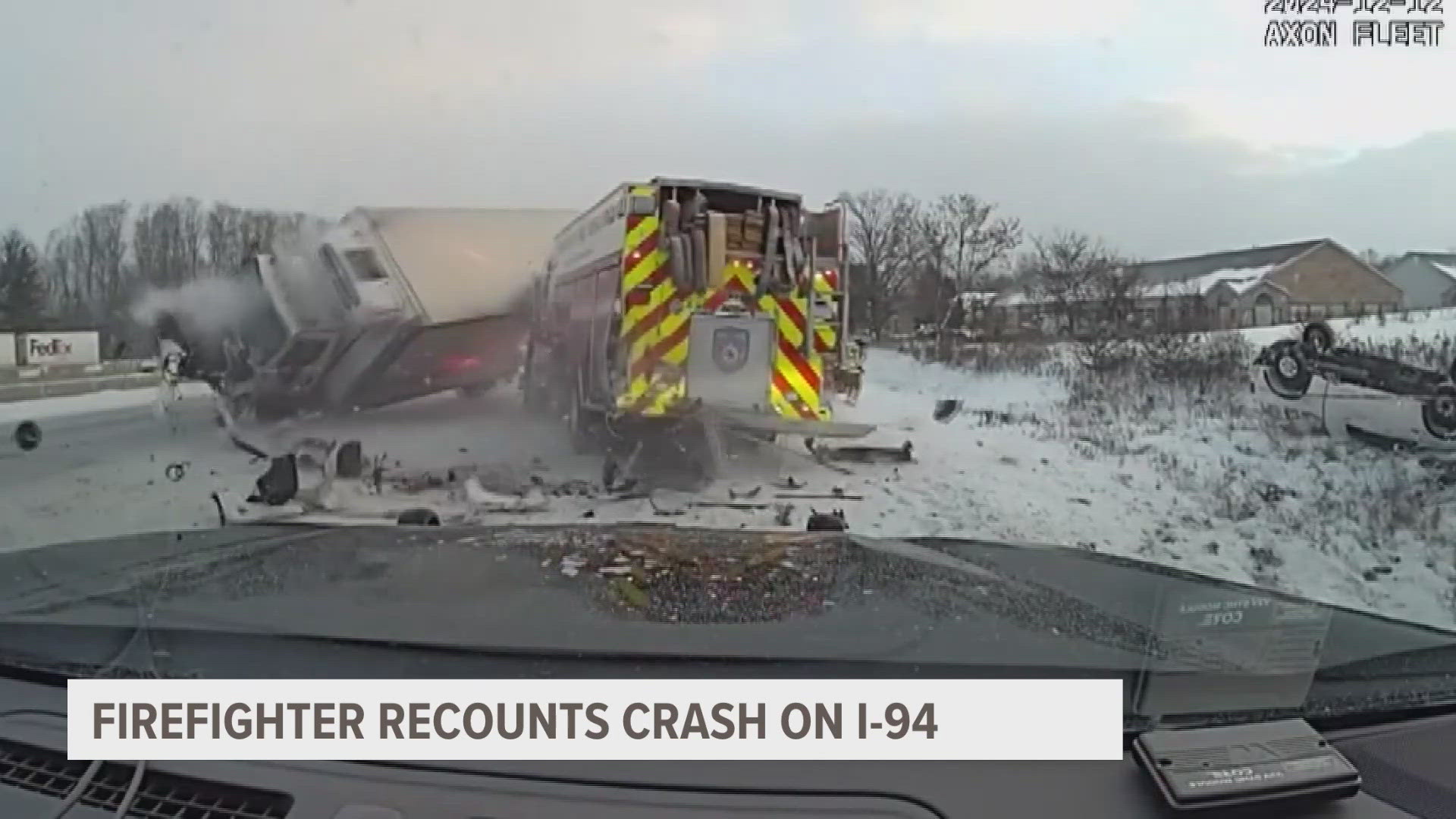
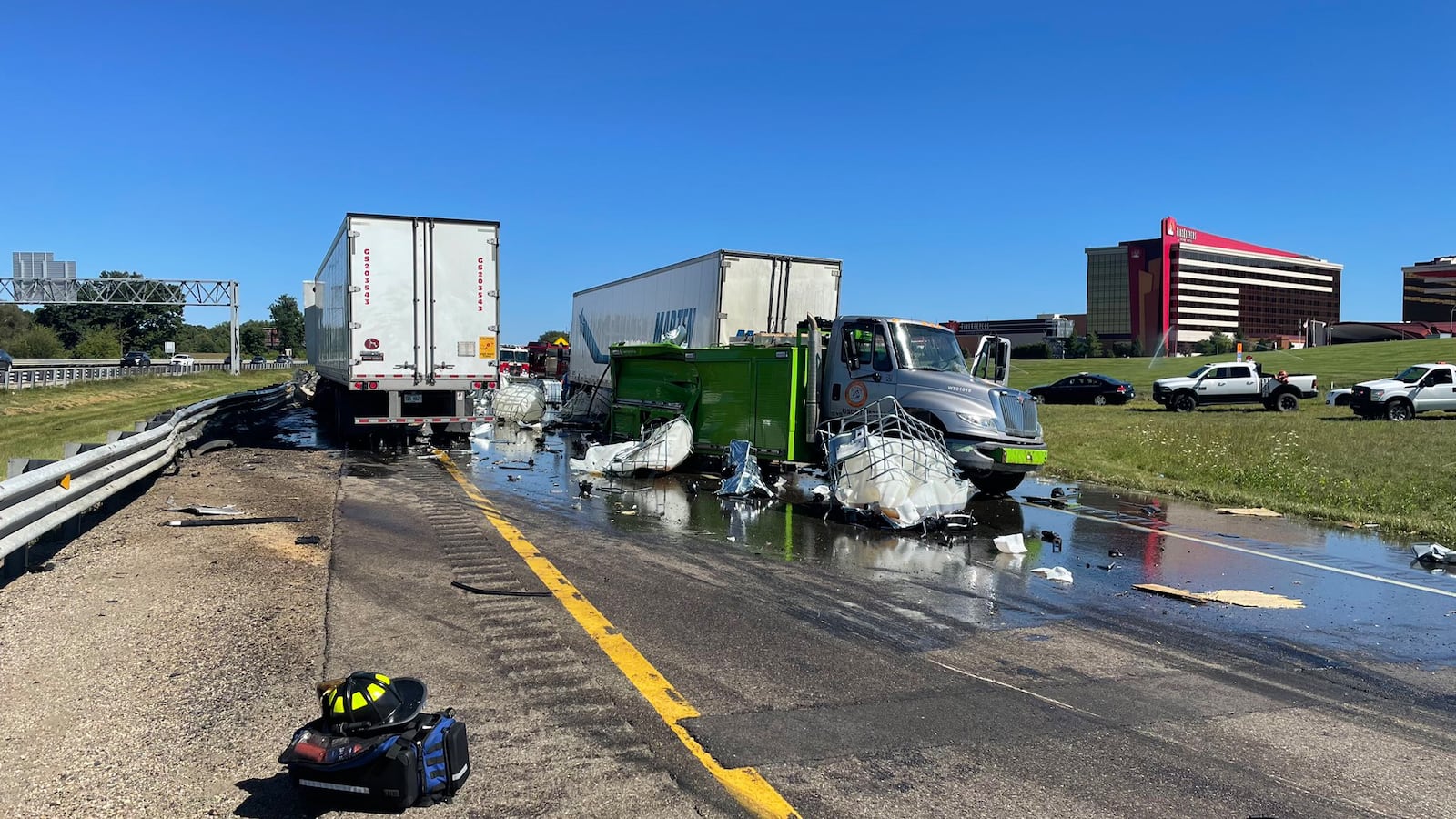
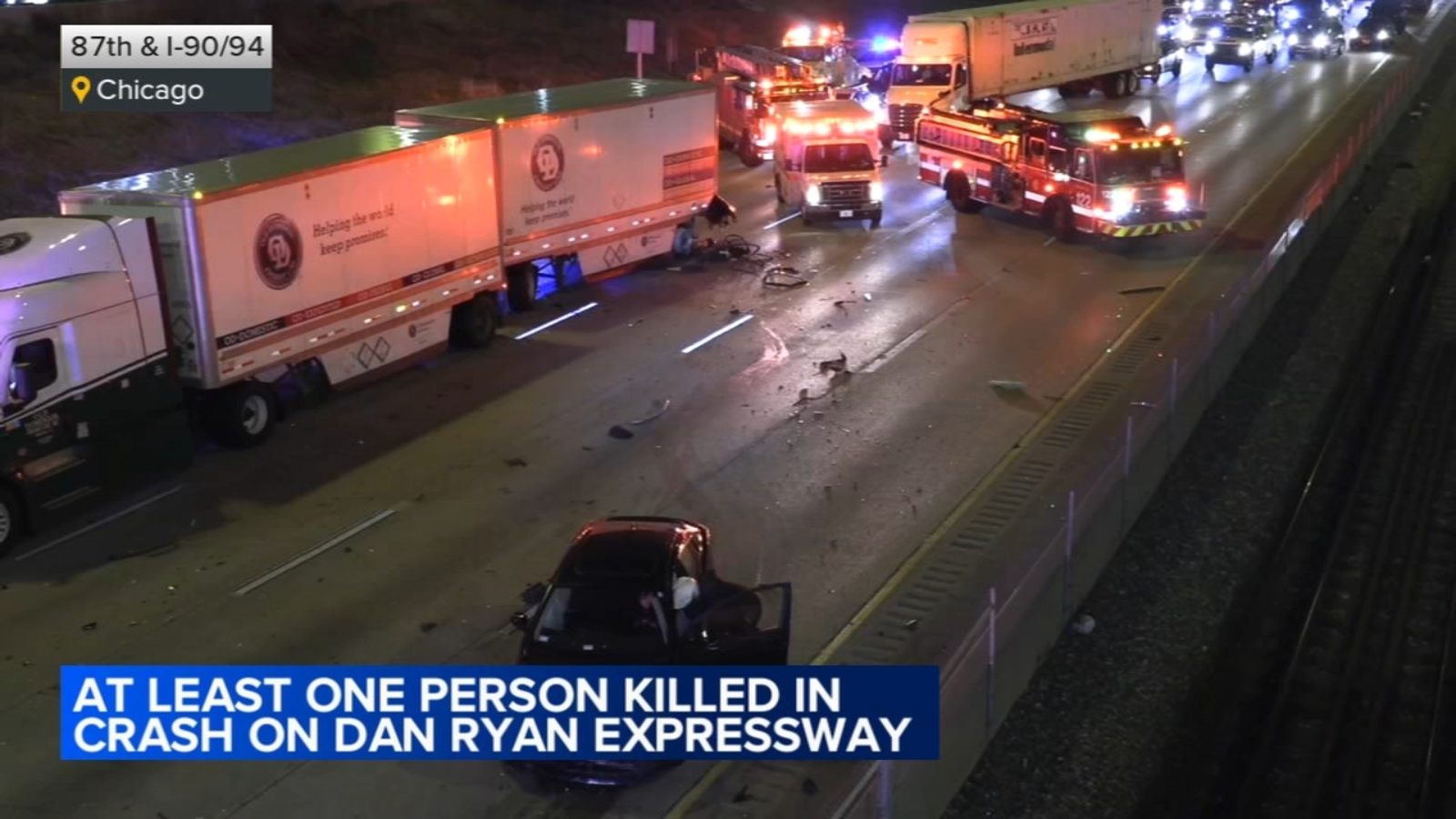
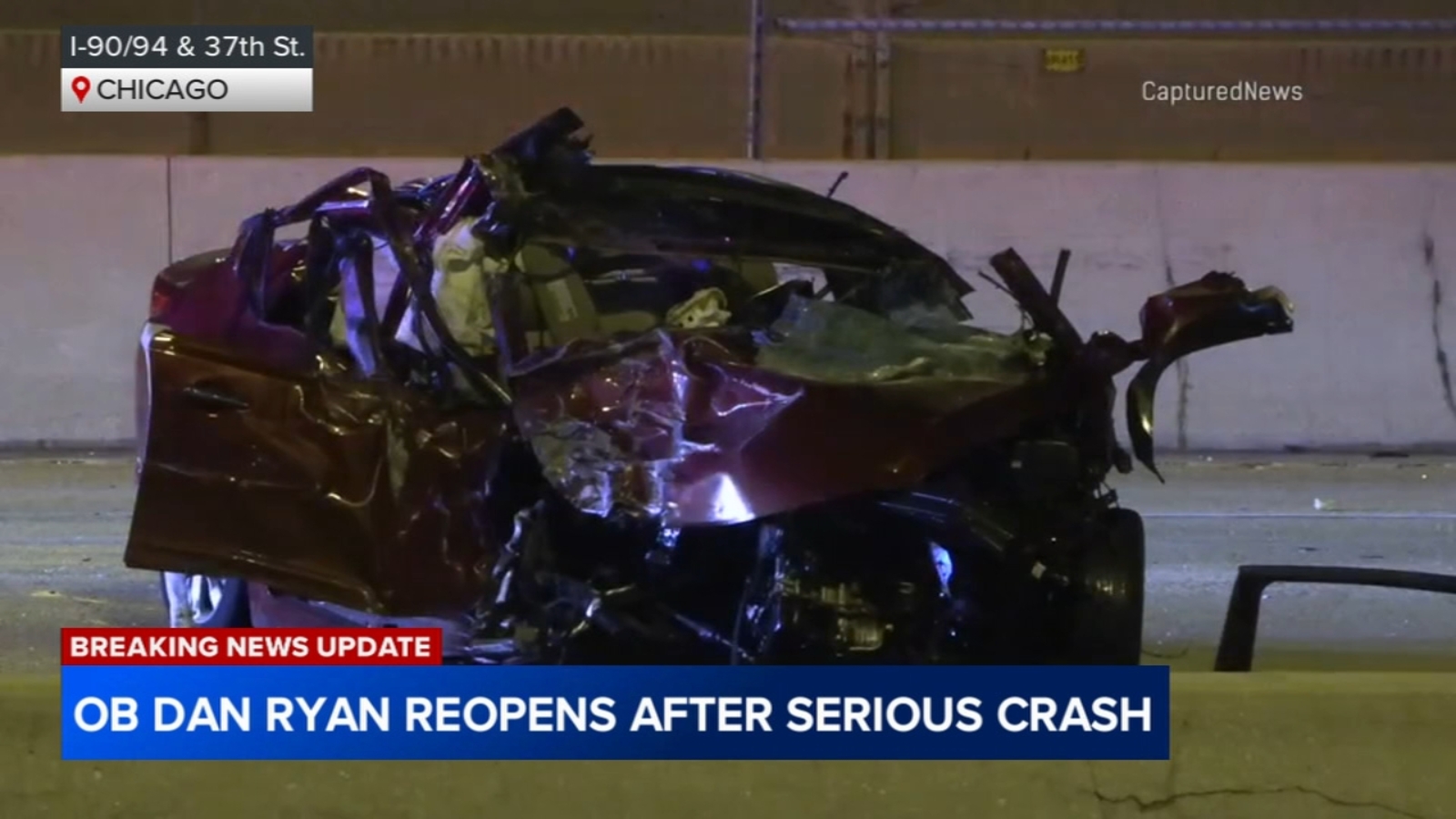
When a crash occurs on I-94, commuters and logistics operators must immediately shift to real-time traffic management protocols to avoid significant delays. Whether the incident involves passenger vehicles or commercial freight, the primary goal is to identify alternate routes, monitor official Department of Transportation (DOT) updates, and prioritize emergency corridor clearance to ensure that first responders can reach the scene effectively.
Contents
Understanding the Impact of I-94 Infrastructure Disruptions
Interstate 94 serves as a critical artery for North American logistics and daily commuting across several states, including Michigan, Indiana, Illinois, Wisconsin, Minnesota, and North Dakota. Because of its high volume of heavy-duty freight traffic, any significant crash on I-94 often triggers a ripple effect that extends well beyond the immediate incident location.
When lanes are restricted or fully closed, the impact is governed by the volume-to-capacity ratio of the surrounding surface streets. In urban segments, such as the corridors through Milwaukee or Chicago, local infrastructure is frequently ill-equipped to handle the sudden influx of diverted highway traffic, leading to gridlock that can persist for hours after the vehicles have been cleared.
Primary Factors Influencing Traffic Recovery Time
Several technical variables determine how quickly traffic flow returns to a nominal state following an accident. These factors are monitored by Traffic Management Centers (TMCs) to coordinate signal timing adjustments:
| Factor | Influence on Recovery | Management Strategy |
|---|---|---|
| Time of Day | High | Peak hour incidents require aggressive signal timing overrides. |
| Incident Severity | Critical | Multi-vehicle crashes require extended scene investigation time. |
| Hazardous Materials | Extreme | Requires specialized containment and environmental cleanup teams. |
| Road Geometry | Moderate | Urban interchanges allow more diversion paths than rural segments. |
Verified Protocols for Real-Time Traffic Assessment
Do not rely solely on third-party navigation applications that may lag by several minutes. To obtain the most accurate data regarding a crash on I-94, leverage official government sources that integrate directly with state highway patrol and DOT sensors.
- State-Level DOT Dashboards: Every state along the I-94 corridor maintains a 511 traveler information system. These platforms provide live camera feeds and confirmed lane closure status.
- Emergency Radio Frequencies: During major weather-related pileups, commercial drivers should monitor localized Emergency Alert System (EAS) broadcasts.
- Variable Message Signs (VMS): Overhead electronic signage provides the most localized, real-time guidance on speed reductions and specific lane closures.
Professional Driver Safety Mandate
Adherence to Emergency Corridors Operators must strictly maintain a clear path for emergency services. Even if your lane is stopped, you are legally required to yield the shoulder to approaching emergency vehicles. Do not attempt to bypass traffic by using the shoulder unless directed by law enforcement, as this creates hazardous bottlenecks for ambulances and fire apparatus attempting to access the crash site.
Strategic Diversion Planning for Logistics and Commuters
When faced with a major closure, the decision to shelter-in-place or re-route depends on the projected duration of the delay. If the incident is classified as a "Fatality Accident" or "Major Hazmat Spill," clearance times often exceed three hours, justifying significant deviation from the primary route.
Evaluating Your Route Options
- Short-Term Stagnation (0–30 Minutes): If you are within one mile of the incident, staying in the queue is often faster than attempting to navigate surface streets, which are likely already saturated.
- Mid-Term Delay (30–90 Minutes): If real-time monitoring indicates a full closure, use secondary state highways that run parallel to I-94. Ensure these routes can support your vehicle's height or weight class, particularly if you are operating a commercial vehicle.
- Long-Term Gridlock (90+ Minutes): Utilize major interstate bypasses if available. For example, if traveling through major metropolitan areas, look for outer-belt loops that circumvent the urban core entirely.
Common Pitfalls in Incident Navigation
Many drivers exacerbate local traffic conditions by attempting to bypass the crash through residential neighborhoods or non-truck-rated roads. This not only increases the risk of local accidents but also often leads to "dead-end" routing where surface street capacity fails.
- Rubbernecking: The most common cause of secondary crashes. Maintaining a strict focus on the roadway rather than the incident scene is essential for safety.
- Ignoring Variable Speed Limits: In states like Wisconsin or Michigan, variable speed limits are deployed to prevent shockwave traffic jams. Failure to reduce speed significantly before hitting the back of a queue is a leading cause of secondary multi-vehicle collisions.
- Reliance on Crowdsourced Data: While useful, crowdsourced apps can sometimes show "phantom traffic" based on slow-moving vehicles that have already exited the highway. Always verify with DOT sensors.
Frequently Asked Questions Regarding Highway Incidents
Where can I find the official status of a crash on I-94? You should visit the official state Department of Transportation 511 website for the specific state where the incident occurred. These sites provide verified data from state police and on-road sensors, which are more reliable than private mapping applications.
How long does it typically take to clear a major crash on I-94? A standard minor fender-bender may be cleared in under 30 minutes, while major accidents involving heavy commercial vehicles or serious injuries can take three to six hours to investigate and clear. The duration is heavily dependent on the complexity of the forensic investigation and the requirement for heavy-duty towing equipment.
Should I change my route if I hear about an I-94 crash? Only change your route if the delay exceeds the time it would take to navigate a secondary path. Use your navigation system’s "avoid tolls/highways" feature with caution, as these settings can sometimes route you onto residential streets that are not designed for high volumes of diverted traffic.
What should I do if I am caught in a standstill on I-94? Remain in your vehicle with your hazard lights activated to alert approaching drivers to the sudden change in traffic flow. Keep your engine running only if necessary for climate control, and ensure you have sufficient fuel to account for extended idling periods.
Does a crash on I-94 affect tolling costs? Generally, tolls remain consistent regardless of traffic incidents. However, if you are diverted onto a route that includes separate toll authorities, be aware that your total trip cost may increase based on the fee structures of those specific local roads.
Taking Action During High-Traffic Events
If you are currently experiencing delays due to a crash on I-94, prioritize your personal safety and the integrity of the transportation network. Monitor official DOT channels for real-time updates and exercise patience. If you are operating a commercial vehicle, communicate your expected delay to your dispatch center immediately to ensure accurate freight scheduling and to comply with Hours of Service (HOS) regulations. Maintain your situational awareness, respect the work of first responders on the scene, and prepare for potential further delays as traffic begins to merge back toward normal speed.
Image Gallery