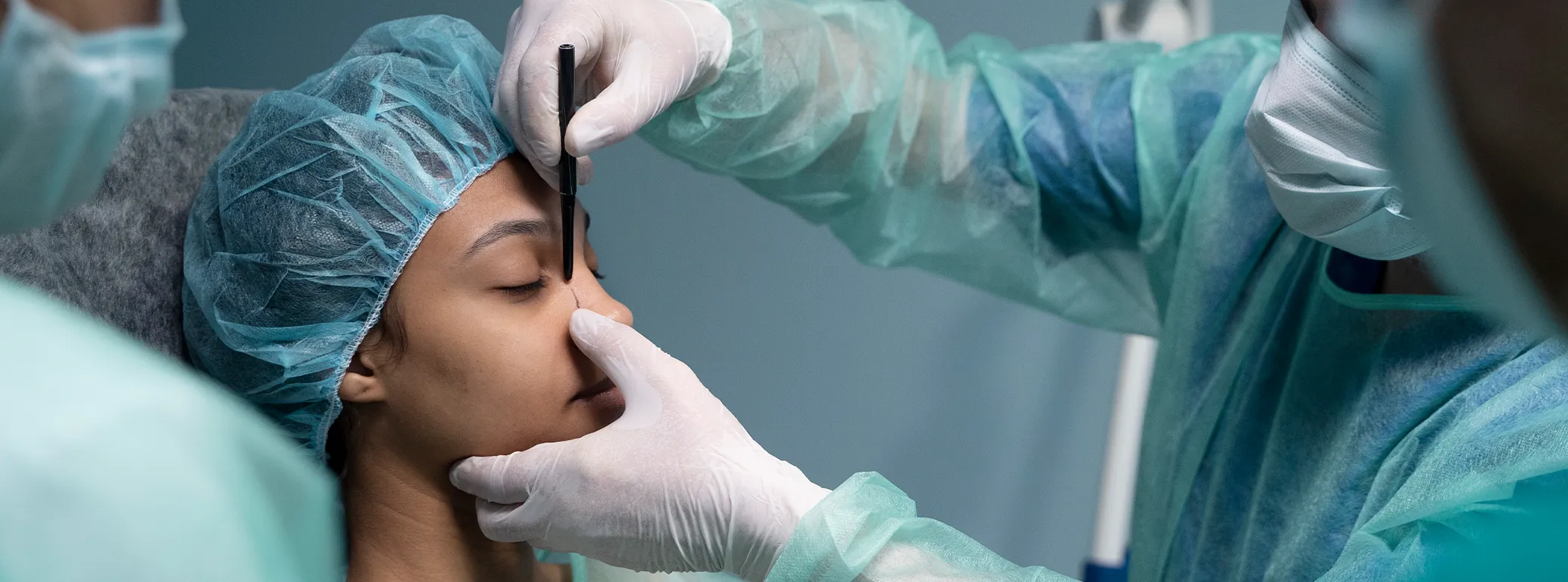
What the Plastic Surgery Show in Thailand Illustrates
Media representations of the aesthetic enhancement industry in Thailand reveal a complex intersection of medical tourism, cultural identity, and reality television production that highlights both the globalization of beauty standards a...
Media representations of the aesthetic enhancement industry in Thailand reveal a complex intersection of medical tourism, cultural identity, and reality television production that highlights both the globalization of beauty standards and the normalization of surgical transformation.
Contents
Television programming and media showcases centered on cosmetic surgery in Thailand do more than merely document physical transformations; they serve as a cultural mirror reflecting the nation’s status as a premier global hub for medical tourism. By examining these broadcasts and media productions, observers gain insight into how institutional healthcare marketing, societal pressures regarding appearance, and advanced medical infrastructure converge. These shows illustrate the commodification of beauty, the democratization of once-elite procedures, and the complex psychological motivations that drive individuals to alter their features on an international stage.
The Evolution of Thailand as a Global Medical Hub
To understand what television shows and media features about Thai plastic surgery illustrate, one must first examine the foundational infrastructure that supports the industry. Thailand has spent decades cultivating a reputation for combining world-class medical expertise with the hospitality traditions characteristic of the region.
Infrastructure and Accreditation
Major private medical institutions in Bangkok and other metropolitan centers feature state-of-the-art facilities that rival or exceed those in Western nations. Many of these hospitals hold Joint Commission International (JCI) accreditation, signifying adherence to rigorous international standards for patient safety and clinical care. Media productions frequently highlight these modern clinical environments to dispel outdated perceptions of medical tourism as a risky, unregulated endeavor.
The Economic Integration of Healthcare and Tourism
The convergence of tourism and medicine—often termed medical tourism—is a deliberate economic strategy supported by both private enterprise and government initiatives. Programs depicting cosmetic procedures in Thailand illustrate how seamless the logistics have become for international patients. Clinics and hospitals often provide comprehensive packages that include:
- Airport transfers and luxury accommodations
- Multilingual medical coordinators and translators
- Post-operative recovery retreats with specialized nursing care
- Tailored tourism itineraries for traveling companions
This ecosystem normalizes the idea of combining elective surgery with a vacation, framing profound medical interventions as accessible lifestyle choices.
Cultural Perceptions of Beauty and Social Mobility
Media portrayals of cosmetic enhancements in Thailand also illustrate shifting domestic and international cultural standards. In contemporary Southeast Asian media, physical appearance is frequently linked to social mobility, professional success, and personal confidence.
The Influence of K-Pop and Global Aesthetics
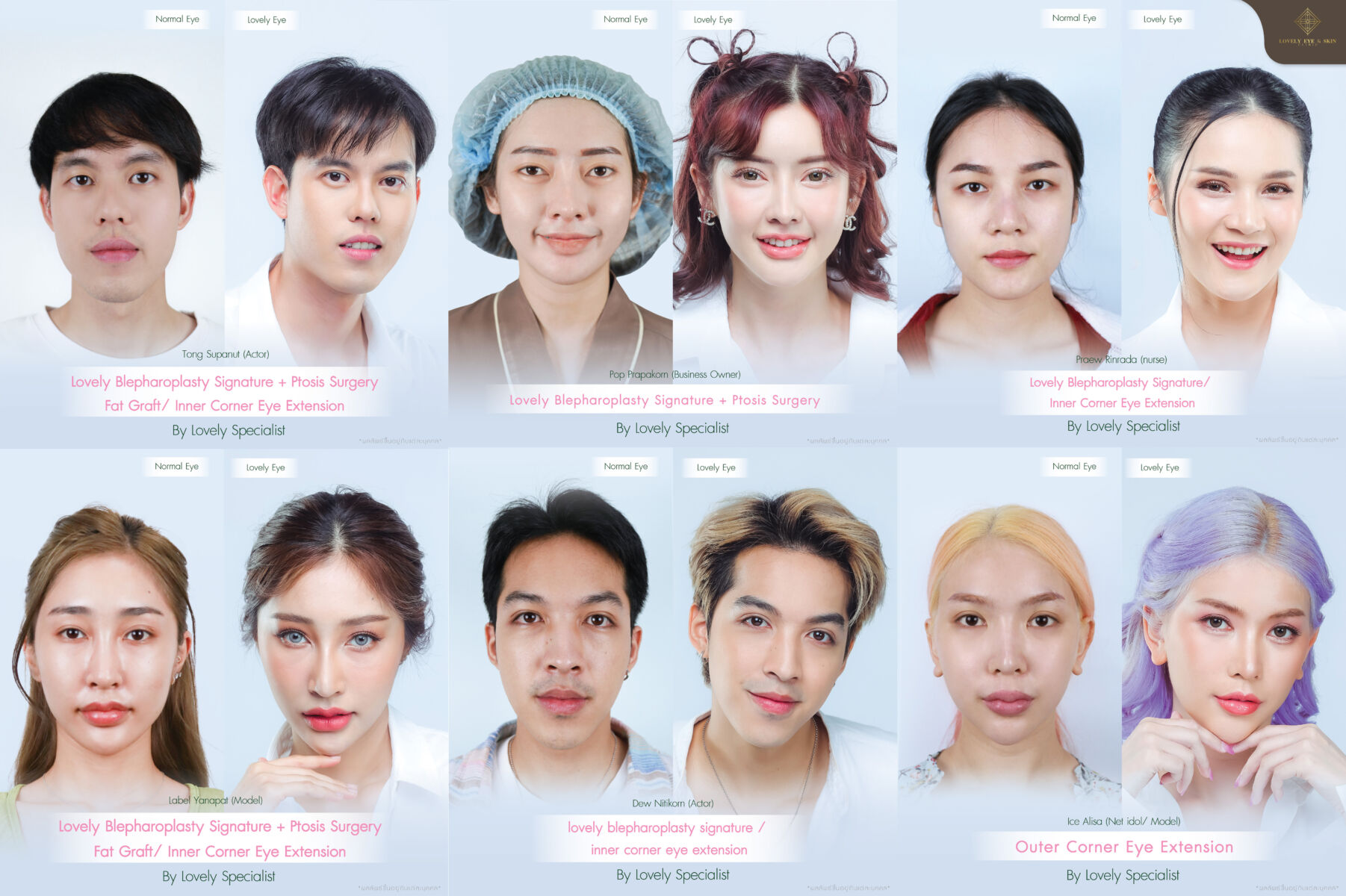
While Thailand retains its distinct cultural identity, beauty standards broadcast on television increasingly reflect a blend of traditional preferences and pan-Asian aesthetic ideals popularized by Korean pop culture (Hallyu) and Western media. Features such as double eyelid surgery, rhinoplasty, and facial contouring are frequently showcased not as attempts to Westernize, but as pathways to a modern, globally fluent aesthetic. Shows document patients seeking these procedures to gain a competitive edge in corporate environments or entertainment industries.
Destigmatization and Openness
Unlike in many Western markets where cosmetic surgery was historically shrouded in secrecy, media shows in Thailand often frame the decision to undergo surgery with a high degree of openness. Participants frequently share their emotional vulnerabilities, financial sacrifices, and recovery journeys publicly. This transparency illustrates a broader cultural shift where surgical modification is viewed less as a taboo and more as a legitimate tool for self-actualization and personal empowerment.
The Mechanics of Reality Television and Sensationalism
While informative, television shows and docuseries focusing on plastic surgery operate under specific media imperatives that shape how procedures and patients are perceived.
Dramatization versus Clinical Reality
Reality television inherently relies on narrative arcs featuring high emotional stakes, dramatic before-and-after reveals, and instantaneous life changes. Consequently, what these shows illustrate must be interpreted through a critical lens. The complexities of surgical risks, prolonged tissue healing, and psychological adaptation are sometimes compressed for television pacing.
Patient Selection and Motivation
Programs often highlight extreme transformations or corrective procedures to maximize viewer engagement. This focus can obscure the more routine, subtle enhancements that make up the vast majority of medical tourism procedures in Thailand. Understanding this distinction is vital for consumers evaluating the reality of medical procedures versus their televised representations.
| Media Representation Aspect | Televised Portrayal | Clinical and Market Reality |
|---|---|---|
| Timeline of Recovery | Accelerated and dramatic; rapid reveals | Gradual healing lasting weeks to months; residual swelling |
| Primary Motivations | Immediate life transformation and external validation | Personal confidence, functional correction, or subtle refinement |
| Risk Disclosure | Minimized for narrative flow and emotional impact | Thoroughly detailed during mandatory pre-operative consultations |
| Logistical Support | Seamless, effortless transitions highlighted | Requires rigorous planning, medical clearance, and aftercare compliance |
Economic Realities and Price Transparency
Another significant aspect illustrated by media coverage of the Thai cosmetic industry is the transparent commercialization of healthcare services.
Cost Comparisons and Market Access
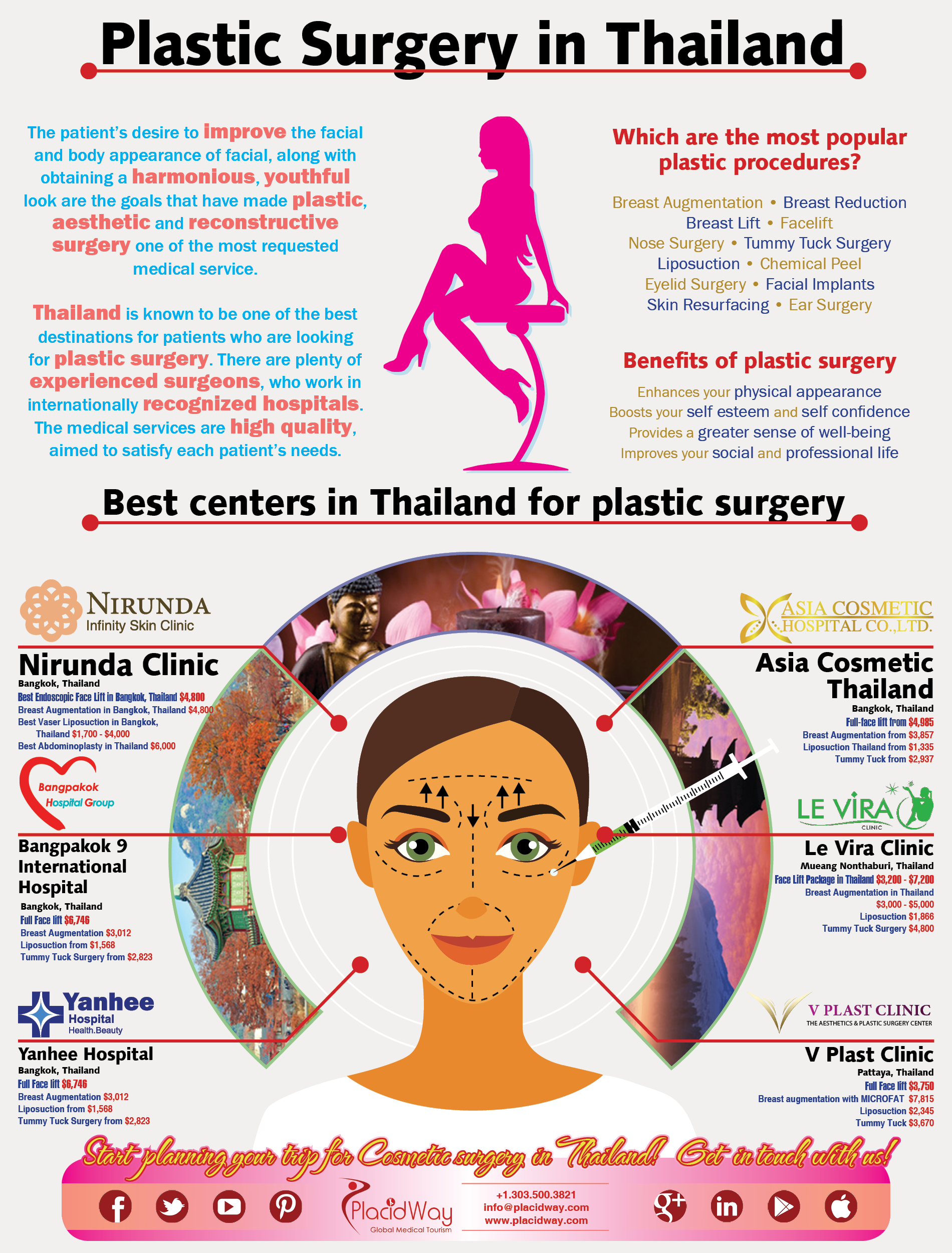
A primary driver of medical travel to Thailand is the substantial cost differential between procedures performed domestically in countries like the United States, Australia, or the United Kingdom versus those performed in Bangkok. Shows frequently touch upon these economic realities, illustrating how advanced surgical care has been made financially viable for a broader middle-class demographic.
Hidden Costs and Financial Planning
Despite the apparent affordability, comprehensive media analyses and consumer advocacy reports embedded within these narratives often caution viewers about ancillary expenses. Beyond the base surgical fee, patients must account for:
- Extended hotel stays required for initial post-operative monitoring
- Mandatory follow-up consultations before receiving clearance to fly
- Potential revision surgeries or management of unforeseen complications
- International travel insurance policies that specifically cover elective medical procedures
Safety, Regulation, and Patient Advocacy
Behind the glamorous reveals featured on television screens lies a framework of regulatory oversight and medical governance that determines the safety and ethical integrity of the industry.
Regulatory Bodies and Oversight
The Medical Council of Thailand oversees physician licensing and ethical standards, while the Ministry of Public Health regulates healthcare facilities. However, the rapid expansion of the cosmetic surgery sector has also led to the proliferation of unlicensed clinics and unverified practitioners, particularly in lower-tier facilities. Responsible media programs occasionally highlight the importance of verifying surgeon credentials through official registries rather than relying solely on promotional advertisements or television exposure.
Informed Consent and Ethical Considerations
Ethical medical tourism requires rigorous informed consent processes, ensuring that patients fully understand the irreversible nature of surgical alterations, potential anatomical limitations, and the realities of scar tissue formation. Documentaries and journalistic reports that probe beneath the surface of entertainment-driven shows emphasize that patients must act as diligent researchers rather than passive consumers influenced by media narratives.
Frequently Asked Questions
What do television shows about plastic surgery in Thailand typically emphasize?
These shows generally emphasize dramatic physical transformations, the modern infrastructure of accredited Thai hospitals, the economic affordability of procedures, and the emotional journeys of international and domestic patients seeking self-improvement.
Are the plastic surgery clinics shown on television representative of the entire industry in Thailand?
Not entirely. Televised programs often feature elite, high-end private hospitals and specialized cosmetic institutes. While these represent the pinnacle of Thai medical tourism, the broader market also includes smaller clinics of varying quality, necessitating careful independent research.
Why do international patients choose Thailand for cosmetic procedures?
Patients are primarily drawn by a combination of internationally trained surgeons, JCI-accredited facilities, significantly lower procedure costs compared to Western nations, and comprehensive medical tourism packages that facilitate travel and recovery.
How do cultural attitudes in Thailand influence the popularity of these shows?
Cosmetic procedures enjoy a high degree of social acceptance and openness in Thailand, where physical enhancement is often viewed as a legitimate means of boosting personal confidence and achieving social or professional advancement.
What are the main risks associated with undergoing cosmetic surgery abroad?
Key risks include managing post-operative complications after returning home, the potential hazards of long-haul air travel too soon after surgery, communication barriers, and the challenge of verifying the credentials of practitioners outside major accredited networks.
Conclusion and Practical Guidance
Ultimately, what plastic surgery shows in Thailand illustrate is a sophisticated convergence of global healthcare commerce, modern medical excellence, and shifting cultural attitudes toward beauty and identity. For individuals considering medical travel for cosmetic enhancements, these media productions should serve as a starting point for exploration rather than a definitive guide. Prospective patients must prioritize rigorous personal verification, consult qualified medical professionals directly, evaluate comprehensive total costs including recovery logistics, and maintain realistic expectations regarding surgical outcomes and healing timelines.
Image Gallery