Navigating the Highest Yield Funds for 2026
When hunting for the highest yield funds, investors must balance the pursuit of maximum income generation with the reality of credit risk, interest rate sensitivity, and structural fee drag. High-yield funds typically comprise short-te...
When hunting for the highest yield funds, investors must balance the pursuit of maximum income generation with the reality of credit risk, interest rate sensitivity, and structural fee drag. High-yield funds typically comprise short-term fixed-income vehicles, ultra-short bond ETFs, high-yield corporate bond mutual funds, dividend-focused equity funds, and specialized vehicles like business development companies (BDCs) or real estate investment trusts (REITs). Because monetary policies, macroeconomic conditions, and market liquidity constantly shift, identifying the most lucrative yield opportunities requires looking beyond the headline distribution rate to evaluate total return, underlying asset quality, duration risk, and expense ratios.
Contents
Achieving an optimal yield strategy involves understanding how different fund structures function within a diversified portfolio. High-yielding assets often carry trade-offs—such as credit defaults in corporate junk bonds or interest rate vulnerability in long-duration debt. This analysis explores the categories of high-yield funds available, evaluates their operational mechanics, outlines risk factors, and provides a framework for selecting the right instruments to meet your financial objectives while managing portfolio volatility.
Understanding High-Yield Fund Categories
High-yield funds are not monolithic; they span several distinct asset classes, each possessing unique risk-reward profiles. To construct an effective income-generating portfolio, investors must first distinguish between these core categories.
Ultra-Short Bond and Money Market Alternatives
For conservative investors seeking liquidity alongside competitive yields, ultra-short-term bond funds and high-yield savings vehicles or money market mutual funds occupy a vital space. These funds invest in very short-duration debt securities, such as commercial paper, certificates of deposit, and short-term corporate or municipal notes.
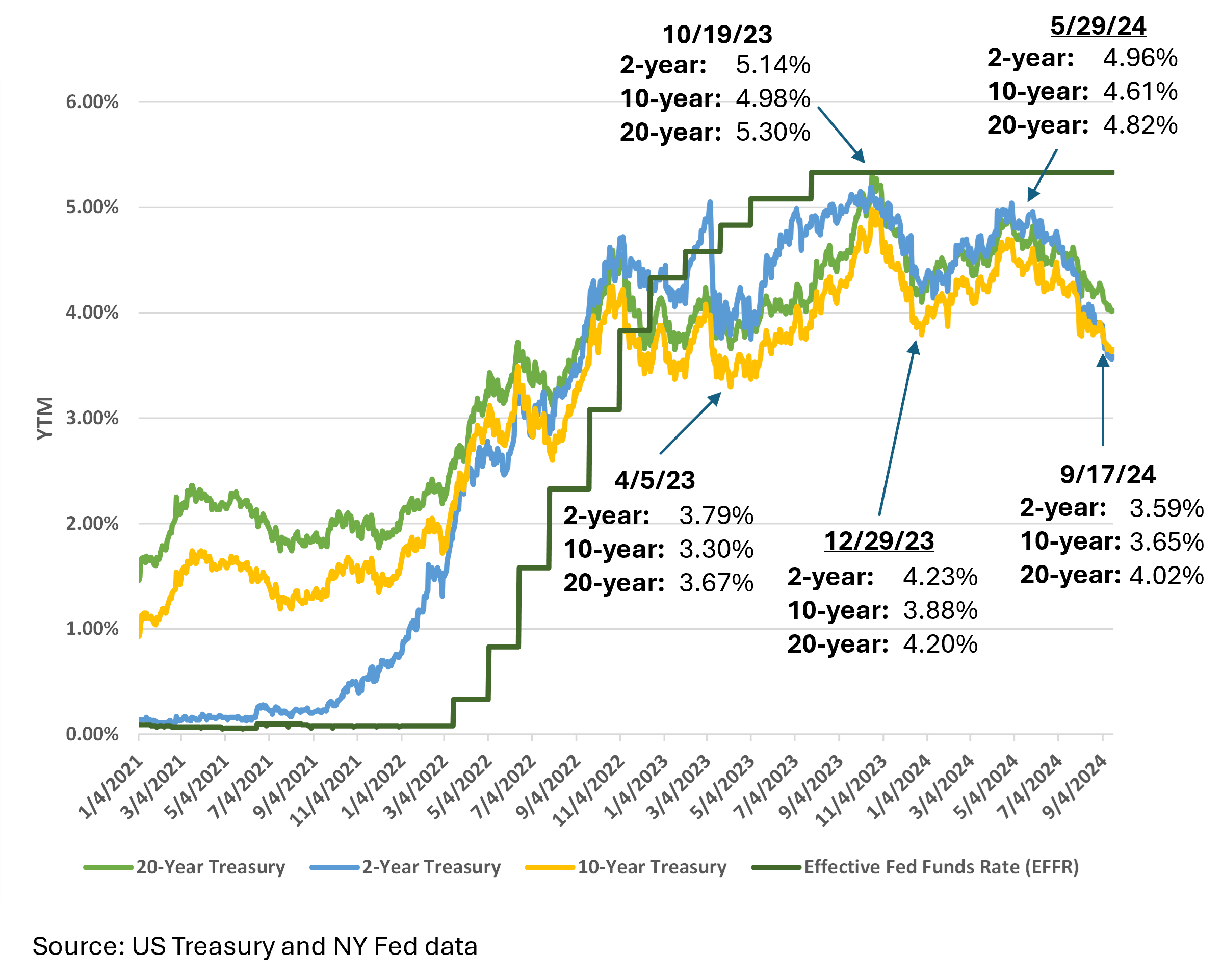
Because their duration is exceptionally short—often under one year—they exhibit minimal price sensitivity to interest rate fluctuations. Yields for these vehicles track short-term central bank benchmark rates closely. While they do not offer the double-digit yields associated with distressed debt, they provide a high degree of capital preservation and immediate liquidity, making them a foundational anchor for cash management.
High-Yield Corporate Bond Funds (Junk Bonds)
When investors search for aggressive fixed-income yields, high-yield corporate bond funds—frequently referred to as junk bond funds—are often the primary destination. These funds hold debt issued by corporations with credit ratings below investment grade (lower than Baa3 by Moody's or BBB- by S&P).
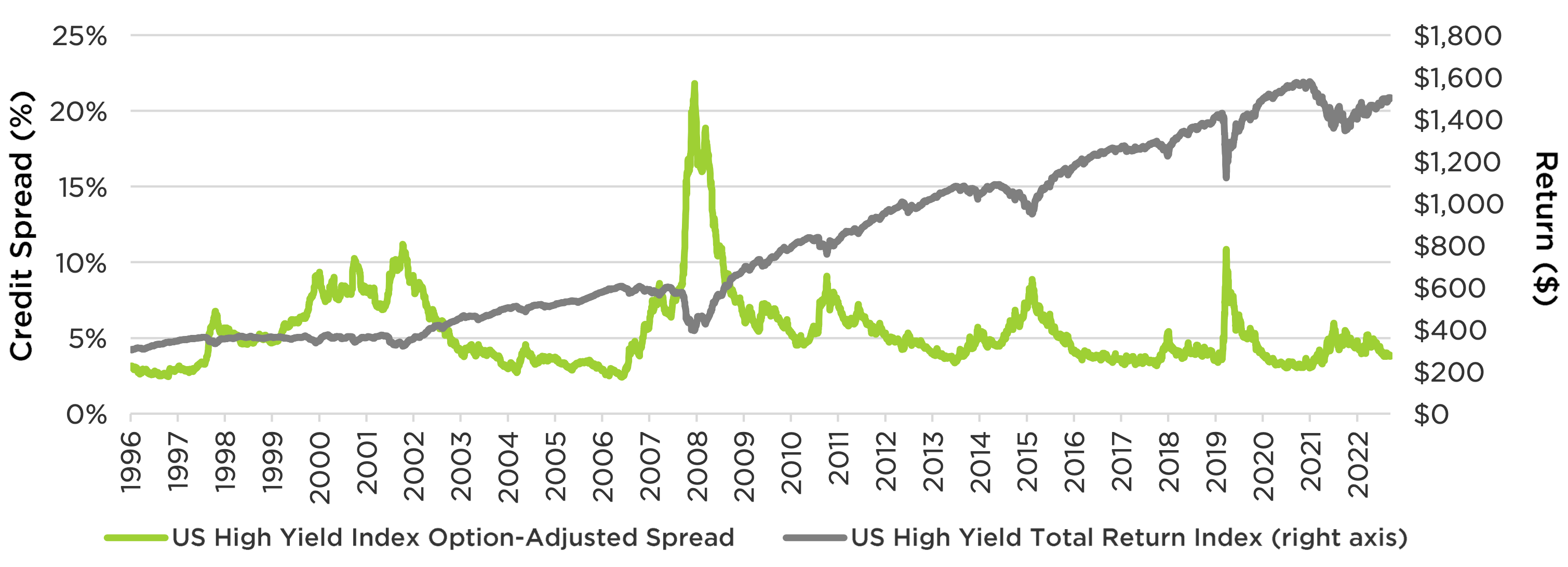
To compensate investors for the elevated risk of default, these issuing companies must pay higher coupon rates. Consequently, high-yield bond funds generate substantial distribution yields. However, their performance correlates strongly with the broader equity market and economic health. During recessions or credit crunches, corporate default rates can spike, leading to capital depreciation that may offset the income generated by the fund.
Dividend Equity and Covered Call (Buy-Write) Funds
Moving into equity-based income, dividend appreciation funds and covered call ETFs offer alternative pathways to high yields. Dividend funds focus on mature, cash-flow-positive corporations with histories of consistent payouts.
Meanwhile, covered call or buy-write funds enhance their yield by holding a basket of equities—often tracking indexes like the S&P 500 or Nasdaq-100—while simultaneously selling call options against those holdings. This strategy generates premium income, boosting the fund's distribution yield significantly. The trade-off is capped upside participation; if the underlying equities rally sharply, the fund's gains are restricted by the strike prices of the sold options.
Key Metrics for Evaluating High-Yield Vehicles
Comparing funds solely by their advertised yield can be misleading. A high distribution rate often masks underlying capital erosion or unsustainable payout structures. Professional investors rely on a specific set of financial metrics to assess the true quality and safety of a high-yield fund.
| Metric | Definition | What It Indicates for Investors |
|---|---|---|
| SEC Yield | Standardized calculation prescribed by the SEC reflecting the net investment income earned over a recent 30-day period. | Provides a reliable, apples-to-apples comparison of current income generation across different bond funds, excluding past capital gains. |
| Distribution Yield | Annualized percentage of the most recent distribution relative to the fund's current share price. | Shows immediate cash flow returned to the investor, though it can be inflated by return of capital or realized capital gains. |
| Duration | A measure of a bond fund's price sensitivity to interest rate changes, expressed in years. | Higher duration means greater price volatility when interest rates fluctuate; ultra-short funds have low duration, mitigating this risk. |
| Expense Ratio | The annual percentage of fund assets deducted to cover management fees and operating costs. | Directly reduces net returns; lower expense ratios allow a higher percentage of the underlying yield to reach the investor's account. |
Beyond these quantitative measures, qualitative factors demand scrutiny. For fixed-income funds, reviewing the credit rating distribution—such as the proportion of holdings rated BB, B, or CCC—reveals the underlying creditworthiness of the portfolio. A heavy concentration in CCC-rated debt signals severe default exposure, even if the headline yield appears attractive.
Operational Mechanics and Structural Considerations
The legal and operational structure of a fund dictates how it distributes income, how it is taxed, and how easily you can buy or sell shares. Understanding these mechanics prevents unexpected tax liabilities and liquidity pinches.
Open-End Mutual Funds vs. Exchange-Traded Funds (ETFs)
Most high-yield bond and equity strategies are structured either as open-end mutual funds or Exchange-Traded Funds (ETFs).
- ETFs trade on major exchanges throughout the trading day like individual stocks. They typically feature lower expense ratios, greater intraday liquidity, and transparency regarding daily portfolio holdings.
- Mutual Funds price once per day after market close. While some mutual funds carry front-end or back-end loads, many high-yield institutional and retail share classes are no-load, though they may impose short-term redemption fees if shares are sold too quickly.
Closed-End Funds (CEFs) and Leverage
Many of the highest-yielding funds available to retail investors are Closed-End Funds (CEFs). Unlike mutual funds or ETFs, CEFs issue a fixed number of shares through an initial public offering, after which those shares trade on the secondary market.
CEFs frequently utilize financial leverage—borrowing money at short-term rates to purchase additional higher-yielding long-term assets. This leverage magnifies both income distributions and capital volatility. Furthermore, CEFs can trade at a significant discount or premium to their Net Asset Value (NAV). Purchasing a high-yielding CEF at a wide discount can enhance total returns, but a widening discount can also erase income gains if market sentiment sours.
Tax Implications of High-Yield Investing
Income generation carries direct tax consequences that vary significantly by vehicle and account type. High-yield distributions are rarely tax-free unless derived from specialized municipal bond funds.
- Interest Income: Distributions from corporate bond funds, ultra-short funds, and BDCs are typically taxed as ordinary income at federal, state, and local levels, regardless of whether the distributions are taken in cash or reinvested into additional shares.
- Qualified Dividends: Dividends from certain domestic equities and qualified foreign corporations may qualify for lower capital gains tax rates (0%, 15%, or 20%), making equity-income funds more tax-efficient in taxable brokerage accounts than standard bond funds.
- Return of Capital (ROC): Some CEFs and REITs distribute portions of their payouts as return of capital. This reduces the investor's cost basis rather than triggering immediate income tax, though it increases capital gains taxes when the fund shares are eventually sold.
Given these tax frictions, financial advisors frequently recommend holding high-yield corporate bond funds, BDCs, and heavily leveraged CEFs within tax-advantaged accounts such as Traditional or Roth IRAs, preserving taxable brokerage accounts for tax-efficient equities or municipal bond strategies.
Common Pitfalls and Risk Management
Chasing the absolute highest yield in the marketplace is a well-documented behavioral trap. Yield is fundamentally a compensation for risk; when a fund offers a yield that appears drastically higher than prevailing market benchmarks, it usually signals underlying distress.
The Yield Trap
A "yield trap" occurs when a fund's distribution rate looks attractive, but the underlying assets are deteriorating. For example, a high-yield corporate bond fund holding energy or retail sector debt might face mass downgrades and defaults. As corporate borrowers default, the fund's NAV drops precipitously, wiping out years of accumulated income. Investors must evaluate total return—price appreciation plus income—rather than fixating exclusively on the distribution yield.
Interest Rate and Credit Risk Interplay
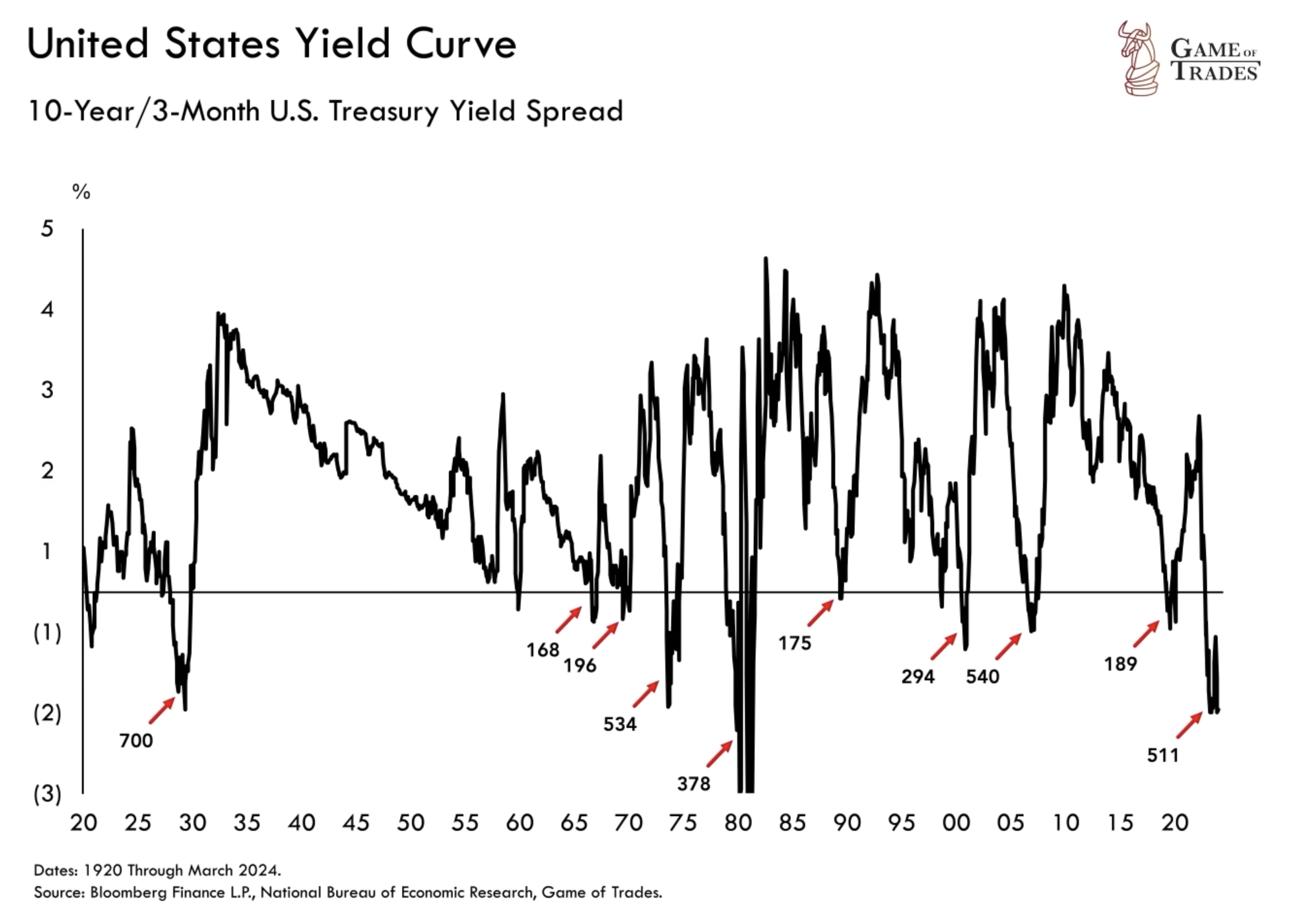
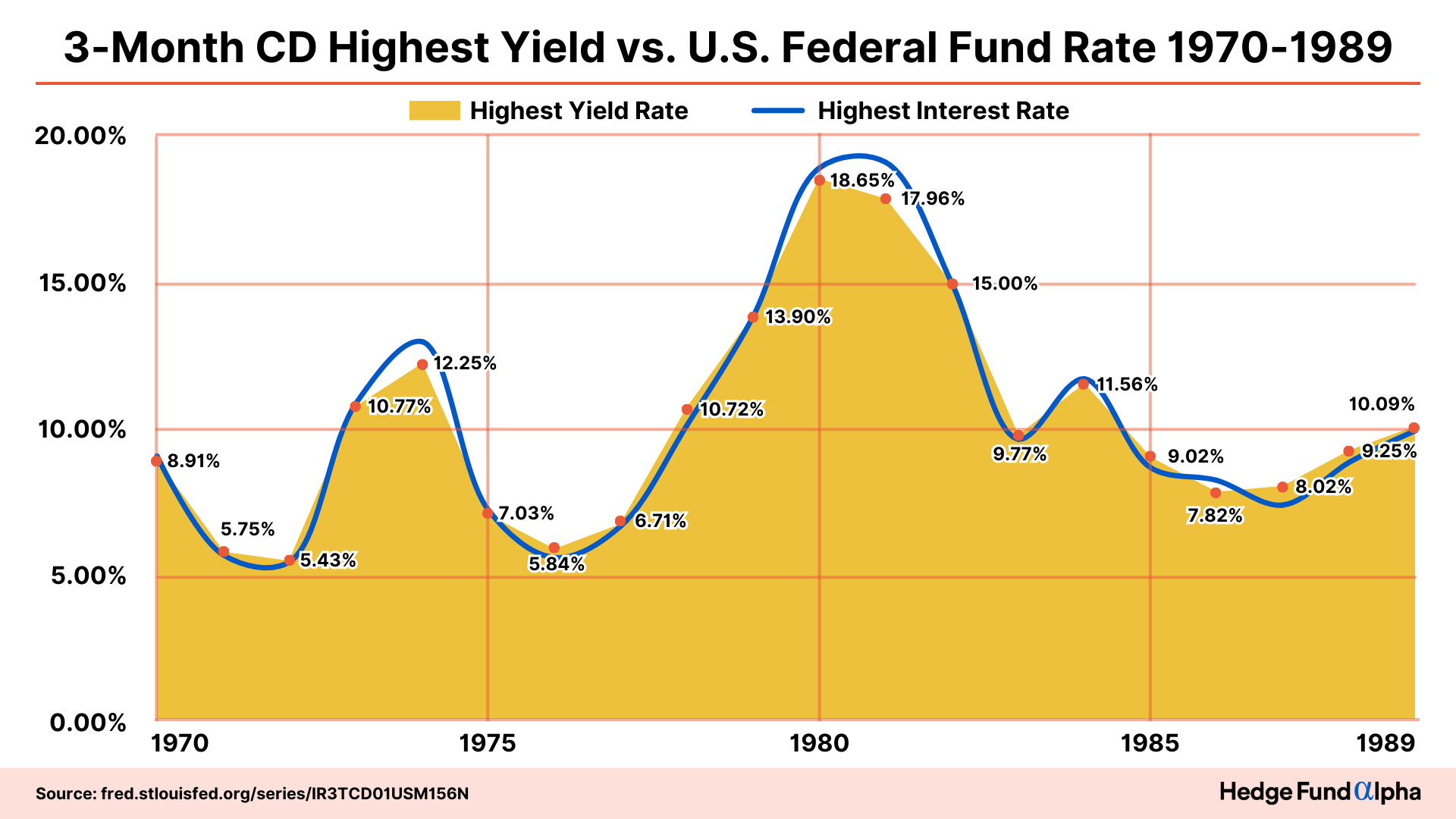
Investors must recognize how macroeconomic shifts impact different yield vehicles. When central banks implement aggressive monetary tightening, short-term yields rise, benefiting money market and ultra-short funds. However, higher borrowing costs pressure heavily indebted corporations, increasing default risks for junk bond funds. Conversely, when central banks ease policy, short-term yields decline, forcing cash investors to reinvest at lower rates while boosting the capital values of longer-duration fixed-income assets.
Frequently Asked Questions
What is the difference between SEC yield and distribution yield?
SEC yield is a standardized calculation set by the Securities and Exchange Commission that reflects the income generated by a fund's portfolio over the past 30 days, net of expenses. Distribution yield measures the actual cash payouts made by the fund over a trailing period divided by its current share price. Distribution yields can sometimes be higher or lower than SEC yield due to realized capital gains or return of capital components.
Are high-yield bond funds safe during a recession?
High-yield bond funds are generally not considered safe during severe economic downturns. Because they invest in below-investment-grade corporate debt, economic recessions often trigger higher corporate default rates. This credit stress can cause significant capital depreciation in the fund's net asset value, which may outweigh the income collected from coupon payments.
How do closed-end funds achieve such high yields?
Many high-end closed-end funds achieve high distribution rates by utilizing financial leverage—borrowing capital at institutional short-term rates to invest in higher-yielding long-term securities. While this structural leverage amplifies the income available for distribution to shareholders, it also magnifies portfolio volatility and downside price risk.
Should I hold high-yield funds in a taxable account or an IRA?
Because distributions from corporate bond funds, high-yield debt, and many closed-end funds are typically taxed as ordinary income, they are generally more tax-efficient when held inside tax-advantaged accounts like traditional or Roth IRAs. Holding them in taxable brokerage accounts can create a substantial annual tax drag.
How often do high-yield funds pay distributions?
Payout frequency depends entirely on the specific fund structure. Many bond ETFs, mutual funds, and closed-end funds distribute income on a monthly basis, making them popular for retirees or investors seeking regular cash flow. Others adhere to a standard quarterly distribution schedule.
Next Actions and Portfolio Integration
Integrating high-yield vehicles into your investment portfolio requires a disciplined, measured approach. Begin by assessing your overall asset allocation, liquidity requirements, and tax situation. If your primary goal is capital preservation with modest cash flow, prioritize ultra-short bond funds or high-grade money market instruments. If you possess a higher risk tolerance and a longer investment horizon, allocate a controlled percentage of your fixed-income portfolio to diversified high-yield corporate bond funds or closed-end income vehicles. Always read the fund's prospectus to verify expense ratios, credit quality breakdowns, and leverage usage before committing capital.
Image Gallery