Exploring Edmonia Lewis Artworks: A Guide to the Sculptor’s Neoclassical Legacy
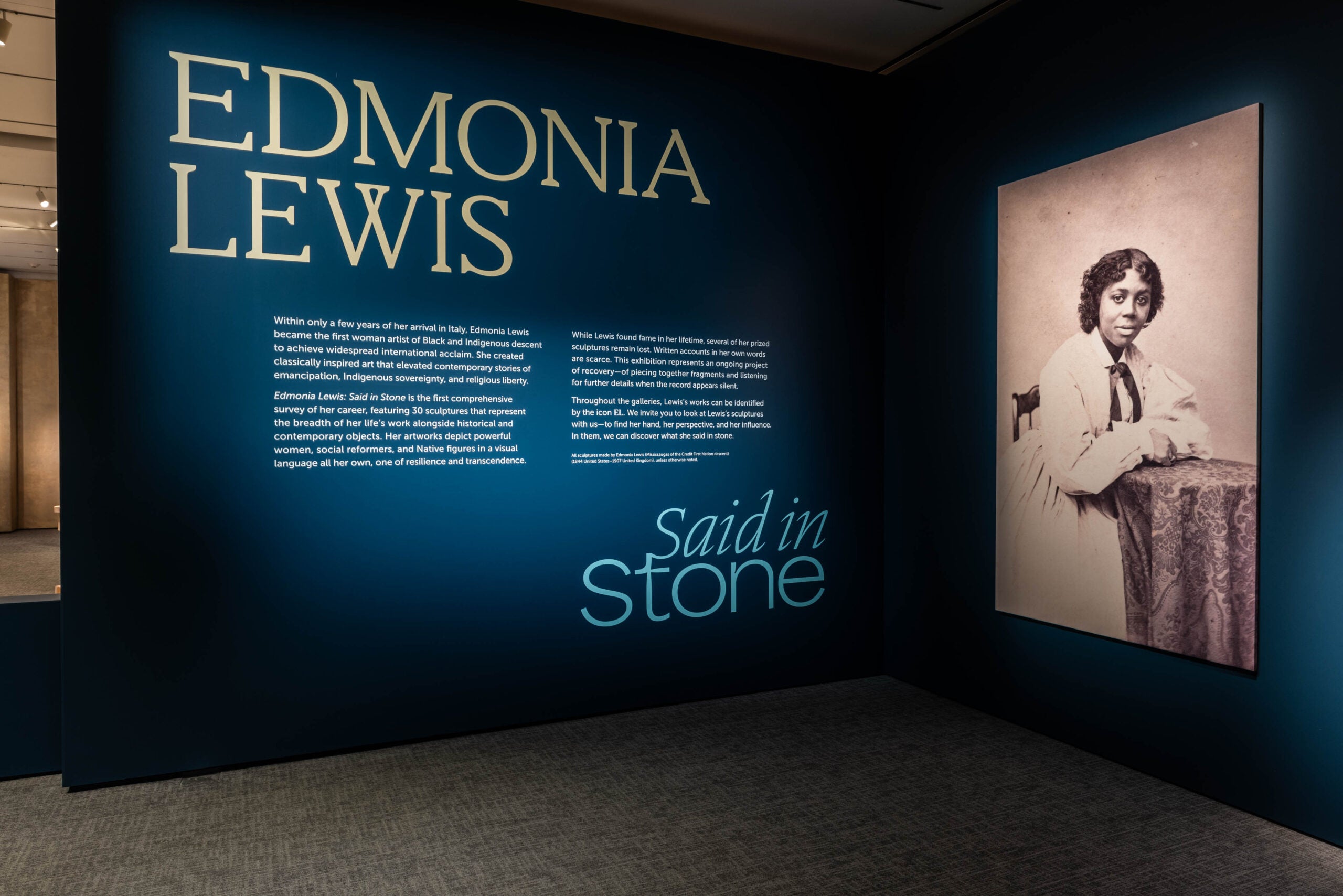
Edmonia Lewis, the first professional African American and Native American sculptor to achieve international acclaim, is best known for her Neoclassical marble works that explore identity, liberation, and faith. Her most celebrated scu...
Edmonia Lewis, the first professional African American and Native American sculptor to achieve international acclaim, is best known for her Neoclassical marble works that explore identity, liberation, and faith. Her most celebrated sculptures, including The Death of Cleopatra and Forever Free, blend classical European aesthetics with poignant social commentary on the 19th-century American experience and her own dual heritage.
Contents
The Artistic Vision of Edmonia Lewis
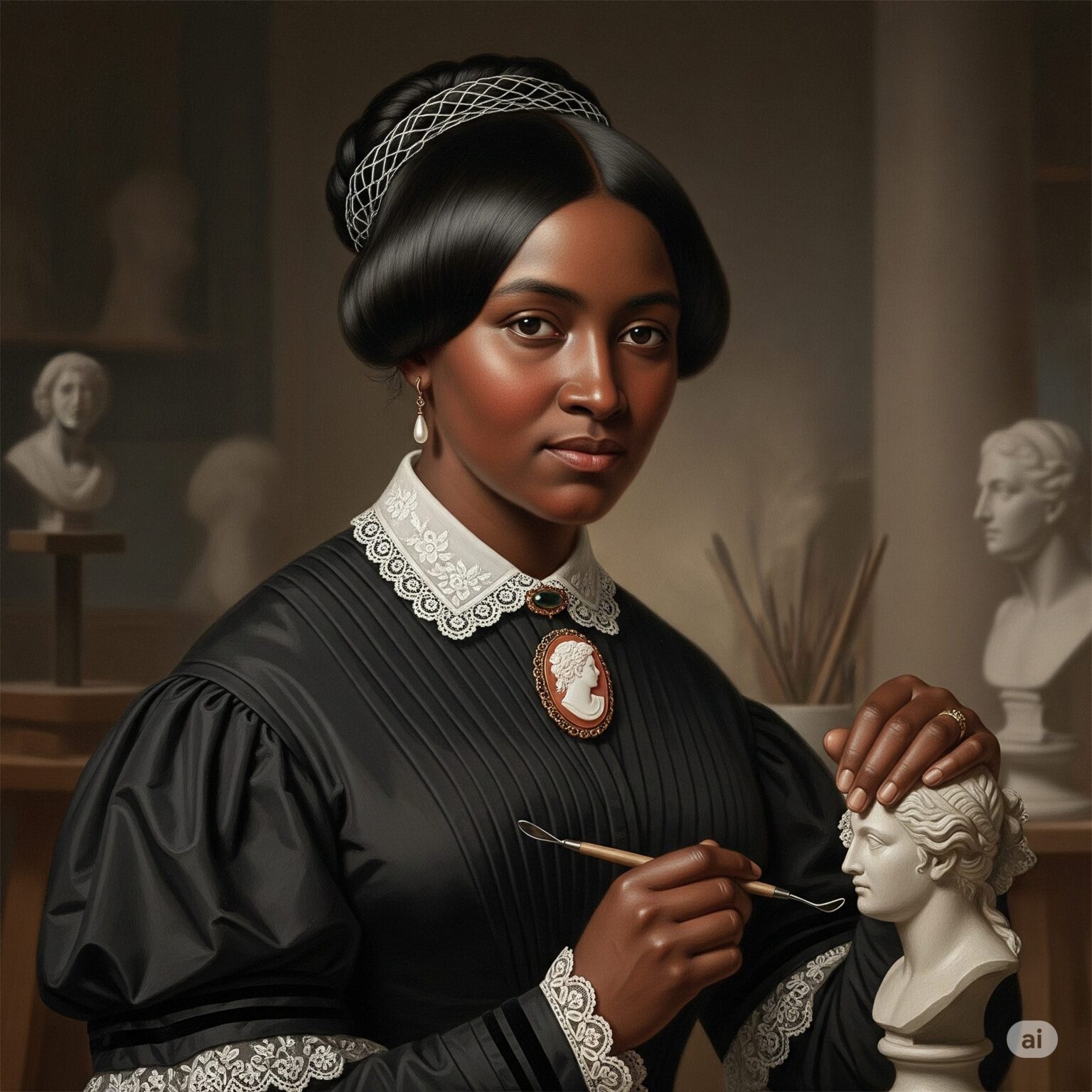
As we look at the landscape of American art from the vantage point of 2026, the legacy of Mary Edmonia Lewis (c. 1844–1907) stands as a testament to resilience and technical mastery. Known by her Ojibwe name, Wildfire, Lewis navigated the restrictive social structures of the 19th century to become a prominent figure in the Neoclassical movement. Her work is characterized by the use of white Carrara marble, a medium she mastered during her decades-long residency in Rome.
Lewis’s decision to work in the Neoclassical style was both an artistic and a strategic choice. By adopting the "high art" language of the time—characterized by idealized forms, mythological themes, and smooth finishes—she forced the art world to acknowledge her talent on its own terms. However, she subtly subverted these traditions by infusing her sculptures with themes of racial justice, gender, and indigenous heritage, making her artworks unique within the Roman circle of American expatriate artists.
Education and the Move to Rome
The path to creating her most famous artworks began under difficult circumstances. After a turbulent period at Oberlin College, where she faced false accusations and physical violence rooted in racial prejudice, Lewis moved to Boston. It was there, under the mentorship of sculptor Edward Augustus Brackett, that she began to find her voice. Her early success came from producing portrait busts of prominent abolitionists, such as Robert Gould Shaw. The sales of these busts, particularly the plaster casts of Shaw, provided the financial means for her to relocate to Rome in 1865.
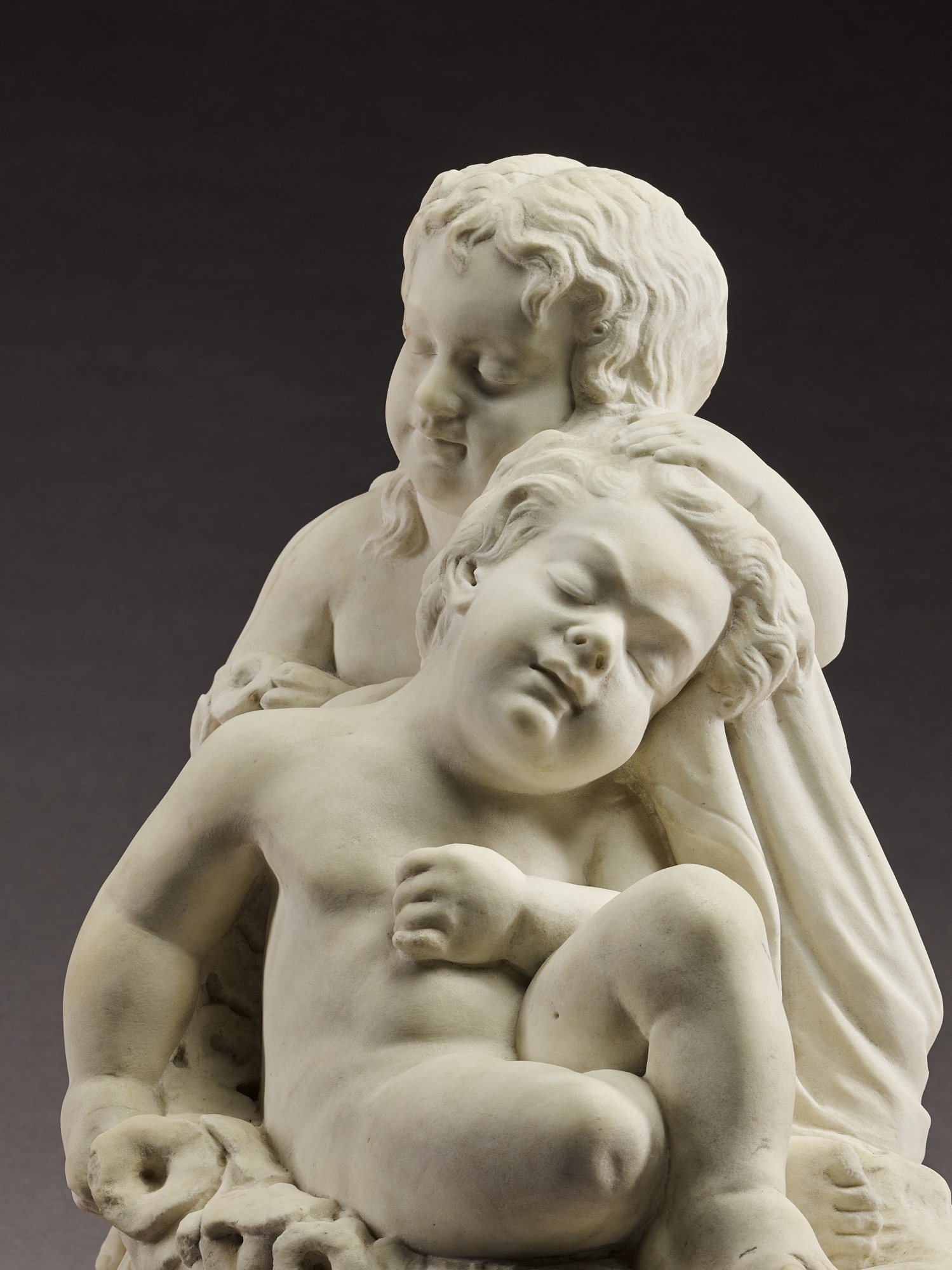
Rome offered Lewis a level of social and professional freedom unavailable in the United States. She joined a community of female artists dubbed the "white marmoreal flock" by writer Henry James. Unlike many of her contemporaries, Lewis often insisted on carving her marble works herself from start to finish. In the 19th century, it was common for lead sculptors to create a clay model and hire Italian stonecutters to do the heavy carving. Lewis performed the labor herself to ensure her authorship could never be questioned by skeptics who doubted the capabilities of a woman of color.
Analysis of Major Masterpieces
Exploring Edmonia Lewis's artworks requires an understanding of the specific historical and cultural contexts she addressed. Her most significant works are currently housed in major institutions like the Smithsonian American Art Museum and the Metropolitan Museum of Art.
The Death of Cleopatra (1876)
Perhaps her most ambitious work, this monumental sculpture was created for the 1876 Centennial Exposition in Philadelphia. Unlike other depictions of Cleopatra that focused on her beauty or the moment before her suicide, Lewis chose to depict the moment of death. The Queen of Egypt is shown slumped on her throne, the poisonous asp having already struck. The realism—specifically the "unfeminine" portrayal of a dead body—shocked and fascinated the public. The sculpture had a long, wandering history, being lost for decades and even serving as a grave marker for a racehorse in a Chicago suburb before being rediscovered and restored in the 1990s.
Forever Free (1867)
Created to commemorate the ratification of the 13th Amendment, this sculpture is a powerful statement on emancipation. It depicts a man and a woman who have just learned of their freedom. The man stands with a broken shackle on his wrist, while the woman kneels in prayer. While the figures are rendered in the idealized Neoclassical style, the subject matter was a radical departure from the classical myths usually depicted in marble. It remains one of the most significant visual representations of the end of American slavery.
Hagar (1875)
Also known as Hagar in the Wilderness, this work utilizes the biblical story of Hagar—the Egyptian handmaid cast out into the desert—as a metaphor for the struggles of African American women. Lewis’s Hagar is depicted in a moment of desperate prayer. By choosing a biblical figure often associated with servitude and displacement, Lewis connected the ancient world to the contemporary African diaspora, emphasizing themes of divine protection and endurance.
The Old Indian Arrow Maker and His Daughter (1872)
Drawing on her Ojibwe heritage, Lewis created several works inspired by Henry Wadsworth Longfellow’s poem The Song of Hiawatha. This piece shows a father and daughter in a quiet, domestic moment. The daughter is depicted with features that lean toward the Europeanized "ideal" common in Neoclassical art, but the clothing and the craft of arrow-making ground the work in indigenous identity. This duality reflects Lewis’s own navigation of two worlds.
Technical Specifications and Materiality
The technical aspects of Lewis’s work are essential to her legacy. She predominantly used Carrara marble, prized for its purity and ability to mimic the translucency of human skin.
| Work Title | Year (Approx.) | Dimensions | Material | Current Location |
|---|---|---|---|---|
| The Death of Cleopatra | 1876 | 63 x 31 x 46 in. | Carrara Marble | Smithsonian American Art Museum |
| Forever Free | 1867 | 41 x 11 x 17 in. | Marble | Howard University Gallery of Art |
| Hagar | 1875 | 52 x 15 x 24 in. | Marble | Smithsonian American Art Museum |
| Old Indian Arrow Maker | 1872 | 21 x 13 x 13 in. | Marble | Metropolitan Museum of Art |
| Bust of Robert Gould Shaw | 1864 | 31 x 15 x 11 in. | Marble | Museum of African American History |
Themes and Social Impact
The primary search intent for those exploring Edmonia Lewis's artworks often involves understanding how she used art as a tool for social navigation. Her works served multiple purposes:
- Validation of Identity: By placing African American and Native American subjects in the prestigious medium of marble, she asserted their worthiness as subjects of high art.
- Financial Independence: Lewis was a savvy businesswoman. She frequently created smaller "cabinet-sized" versions of her sculptures or busts of famous figures to sustain her studio in Rome.
- Religious Devotion: Having converted to Catholicism, Lewis received several commissions from the Church. Her religious works, such as the Adoration of the Magi (now lost), allowed her to tap into a different patronage network in Europe.
- Cultural Diplomacy: Lewis acted as an ambassador for her communities, using her Roman studio as a gallery where international tourists could confront the realities of American social issues through a refined aesthetic lens.
Rediscovery and Modern Conservation
Many of Lewis’s artworks were lost for much of the 20th century. Because she worked largely in Europe and many of her patrons were private collectors, her trail went cold following her death in London in 1907. The resurgence of interest in her work began in the 1960s and 70s as art historians sought to reclaim the lost narratives of Black and female artists.
Conservation efforts have been vital. Marble is a porous material susceptible to staining and "sugarization" (a grainy surface degradation) if kept in poor conditions. The restoration of The Death of Cleopatra required years of meticulous cleaning to remove layers of paint and grime accumulated during its time in a Chicago forest preserve and a storage yard. In 2026, museum technology allows for even deeper analysis of her carving techniques, confirming that her hand—and hers alone—guided the chisel on her major works.
Frequently Asked Questions
Why is Edmonia Lewis significant in art history?
Edmonia Lewis is significant because she broke both racial and gender barriers to become the first internationally recognized sculptor of African American and Native American descent. She successfully mastered the dominant Neoclassical style of her era while using it to address themes of emancipation, indigenous identity, and the female experience, effectively diversifying the 19th-century art world.
Where can I see the largest collection of Edmonia Lewis artworks?
The Smithsonian American Art Museum (SAAM) in Washington, D.C., holds the most significant public collection of her work, including the monumental The Death of Cleopatra and Hagar. Other important pieces are located at the Metropolitan Museum of Art in New York, the Howard University Gallery of Art, and the Detroit Institute of Arts.
What happened to many of her lost works?
Many of Lewis's works were sold to private collectors or commissioned for specific locations that have since changed ownership or been destroyed. Because she worked in Europe, some pieces may still reside unrecognized in private European estates. The "rediscovery" of works like The Death of Cleopatra suggests that more of her portfolio may still exist in unconventional locations.
How did her heritage influence her choice of subjects?
Lewis’s heritage was central to her choice of subjects. Her Native American (Ojibwe) background inspired her Hiawatha series and Old Indian Arrow Maker, while her African American heritage drove her to create Forever Free and Hagar. She used these subjects to challenge the white-centric narratives of the 19th-century Neoclassical movement.
What was the "Neoclassical" style she used?
The Neoclassical style was a revival of the aesthetics of classical Greek and Roman art. It emphasized symmetry, idealized human forms, and the use of white marble. For Lewis, using this style was a way to gain legitimacy in a prestigious field, though she adapted it to include realistic and culturally specific details that were not typically found in traditional classical works.
Recommendations for Further Exploration
To truly appreciate the scope of Edmonia Lewis's artworks, it is recommended to view her pieces in person where possible. The tactile nature of her marble carving—the contrast between the smooth "flesh" of her figures and the detailed textures of their clothing—is best understood through direct observation. For those unable to travel, the National Portrait Gallery and the Smithsonian offer high-resolution digital archives that provide 360-degree views of her sculptures.
Current researchers should also look into the 2022 US Postal Service commemorative stamp and the associated biographical research, which brought new primary documents to light regarding her later years in London. As of 2026, the study of Lewis continues to shift from her biography toward a more technical analysis of her artistry, securing her place not just as a pioneer of social justice, but as a master of American sculpture.
Image Gallery