What is a Social Issue Example and How Do They Impact Society?
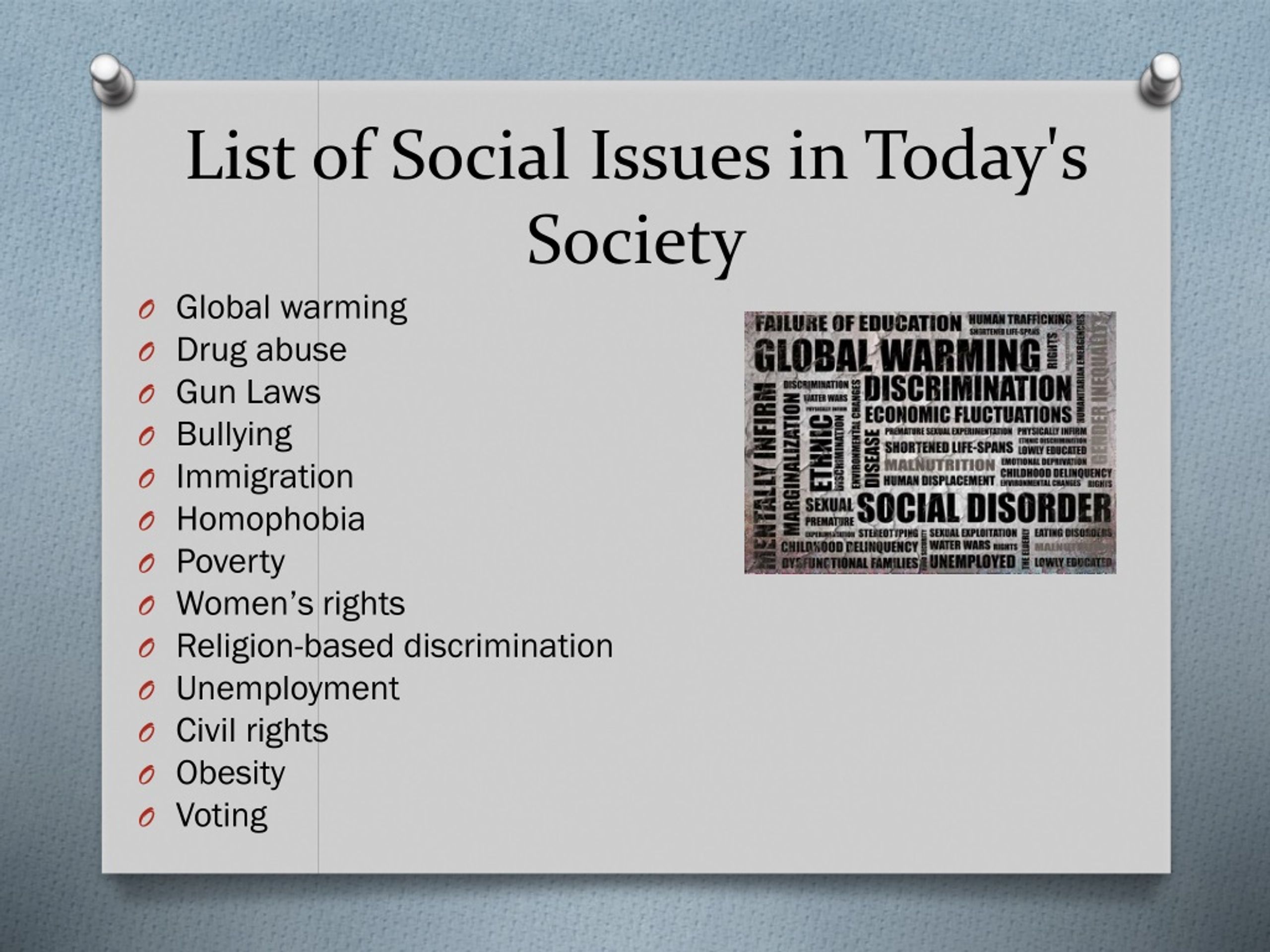
A social issue is a condition or behavior that negatively affects a significant number of people and is widely recognized as a collective problem requiring systemic intervention, such as widespread economic inequality, systemic housing...
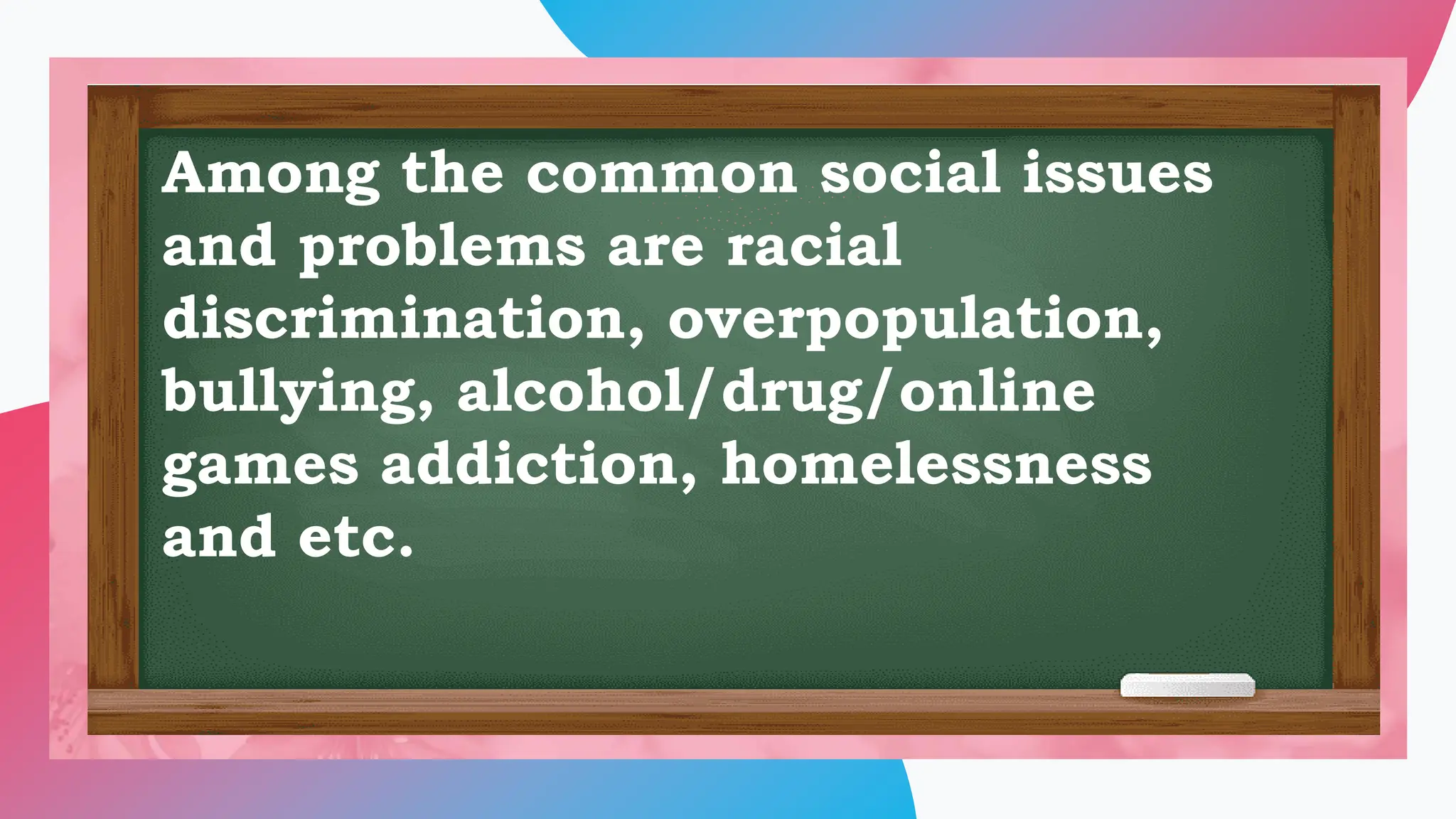
A social issue is a condition or behavior that negatively affects a significant number of people and is widely recognized as a collective problem requiring systemic intervention, such as widespread economic inequality, systemic housing shortages, or chronic public health crises.
Contents
Understanding the mechanics of social problems requires moving beyond individual personal choices to examine structural, economic, and institutional forces. While private troubles affect a single person, social issues ripple through entire communities, demanding coordinated legislative, economic, and cultural responses. This examination explores concrete examples of social issues, how they are classified, and the measurable ways they alter the fabric of modern life.
Defining Social Issues: Criteria and Core Characteristics
A condition does not automatically become a social issue simply because it is unpleasant or unpopular. Sociologists, policy analysts, and economists look for specific structural criteria before categorizing a phenomenon as a true social problem.
First, the condition must affect a large segment of the population, either directly through tangible harm or indirectly through economic and social instability. Second, the condition must be perceived by a substantial portion of society or key institutions as a deviation from accepted social values, laws, or standards of justice. Third, the problem must be recognized as mutable—meaning it is perceived as something that can be altered or solved through human intervention, policy reform, or collective action.
Furthermore, social issues are deeply intertwined with power dynamics, historical precedents, and resource distribution. What one community considers an acceptable market outcome, another may view as a severe distributive failure. Recognizing these divergent viewpoints is essential for analyzing why certain conditions persist for decades while others mobilize rapid reform.
Economic Inequality as a Primary Social Issue
Economic inequality stands as one of the most prominent and thoroughly documented social issues in the contemporary world. It refers to the unequal distribution of income and wealth across various segments of a population.
When wealth concentrates heavily within a small percentage of households, it creates systemic imbalances that influence political representation, educational quality, and neighborhood infrastructure. This disparity is often measured using metrics such as the Gini coefficient, where a score of zero represents complete equality and a score of one represents absolute inequality.
Structural Drivers of Income Disparity
- Wage Stagnation: For decades, productivity has risen steadily while median hourly compensation for workers has remained relatively flat when adjusted for inflation.
- Globalization and Automation: The shift from manufacturing economies to service and technology-driven economies has displaced traditional labor markets, reducing the demand for low-skill, high-wage jobs.
- Tax Policy Shifts: Legislative adjustments regarding capital gains, corporate taxation, and top marginal income tax brackets have historically altered the speed atisms of wealth accumulation.
The downstream effects of economic inequality are extensive. Lower-income households face severe barriers to wealth building, which compounds across generations through inherited debt and lack of property ownership. Additionally, extreme inequality undermines social cohesion, often correlating with higher rates of crime, political polarization, and reduced public trust in democratic institutions.
Public Health Disparities and Access to Care
Public health crises frequently manifest as critical social issues, exposing deep structural vulnerabilities within a nation's infrastructure. A prominent public health example is unequal access to quality healthcare services and the resulting disparities in life expectancy and chronic disease prevalence across demographic lines.
When healthcare functions primarily as a market commodity rather than a guaranteed public good, lower-income populations frequently defer necessary treatments due to prohibitive out-of-pocket costs. This dynamic leads to higher rates of untreated chronic conditions, such as hypertension and diabetes, which place an immense burden on emergency medical services and community health systems.
| Health Disparity Indicator | Low-Income / Vulnerable Populations | High-Income / Resourced Populations |
|---|---|---|
| Primary Care Utilization | Relies heavily on emergency rooms for routine care | Maintains a dedicated primary care physician |
| Preventive Screening Rates | Significantly lower due to copays and time off constraints | Regularly scheduled annual physicals and screenings |
| Environmental Exposure | Higher proximity to industrial waste and pollution | Greater ability to relocate away from environmental hazards |
| Chronic Disease Management | Often delayed until acute intervention is required | Managed proactively with continuous pharmaceutical access |
Addressing public health as a social issue requires looking past individual lifestyle choices. Researchers must evaluate social determinants of health—such as neighborhood walkability, availability of fresh food markets, and occupational safety regulations—that shape health outcomes long before a patient enters a clinic.
Environmental Justice and Climate Vulnerability
Environmental degradation is frequently analyzed not just as an ecological crisis, but as a pressing social issue due to its uneven distribution of harm. Environmental justice examines how marginalized communities often bear the brunt of toxic industrial waste, air pollution, and climate change impacts.
Facilities that emit hazardous pollutants are historically situated near low-income neighborhoods or communities of color, driven by lower land values and historically weaker political opposition. This geographic sorting exposes residents to higher rates of asthma, neurological disorders, and carcinogenic toxins.
On a global scale, climate change acts as a risk multiplier for existing social issues. Rising sea levels, prolonged droughts, and extreme weather events displace agrarian communities, spark resource conflicts, and drive mass migration. These ecological disruptions disproportionately affect developing nations that contributed the least to cumulative global carbon emissions, highlighting profound international inequities.
Systemic Education Inequities
Education is widely viewed as the primary engine of social mobility, making educational disparity a deeply entrenched social issue with lifelong consequences. In many jurisdictions, public school funding is tied directly to local property taxes. This model creates a self-reinforcing cycle where wealthy neighborhoods generate well-resourced schools, while economically depressed areas struggle with underfunded classrooms, outdated technology, and high teacher turnover.
Beyond funding, educational disparities manifest through tracking systems, disciplinary biases, and unequal access to advanced placement coursework. When students in under-resourced schools receive lower-quality preparation, their access to higher education and subsequent high-income employment opportunities is severely restricted. Consequently, educational inequity helps institutionalize generational poverty, transforming temporary economic setbacks into permanent structural disadvantages.
Housing Affordability and Homelessness
The acute shortage of affordable housing represents an urgent social issue affecting urban and rural communities alike. As rental costs and home prices outpace wage growth, an increasing percentage of the population experiences severe housing cost burden, spending upwards of fifty percent of their income on shelter alone.
This squeeze contributes directly to rising rates of homelessness, housing instability, and overcrowding. Homelessness is rarely caused by a single factor; rather, it is the cumulative result of systemic failures, including:
- Lack of accessible mental health and addiction treatment facilities.
- Insufficient supply of subsidized or public housing units.
- Rapid gentrification that displaces long-term, lower-income residents.
- Sudden economic shocks, such as medical debt or unexpected job loss.
Mitigating housing instability requires coordinated policy interventions, including zoning reform to encourage mixed-income developments, tenant protection laws, and direct rental assistance programs designed to prevent evictions before they occur.
Frequently Asked Questions
What is the difference between a social issue and a personal problem?
A personal problem affects an individual and is typically resolved through personal choices or private adjustments. A social issue is a structural condition affecting a large group of people, caused by institutional arrangements, economic structures, or cultural norms, and requires collective or legislative intervention to resolve.
Can a social issue be completely eliminated?
Most social issues cannot be permanently eradicated because societies, technologies, and economic systems are constantly evolving. However, social issues can be successfully managed, mitigated, or structurally minimized through targeted public policy, institutional reform, and sustained resource allocation.
How do sociologists identify a new social issue?
Sociologists identify emerging social issues by tracking statistical anomalies in public health, crime, employment, and housing, combined with qualitative research measuring public awareness, moral panic, and political mobilization around a specific condition.
Why is economic inequality considered the root of many other social issues?
Economic inequality concentrates resources and political power, which directly influences access to quality education, healthcare, legal representation, and stable housing. When financial resources are concentrated, lower-income populations face amplified exposure to secondary problems like crime, illness, and instability.
What role do governments play in solving social issues?
Governments establish the legal frameworks, regulatory standards, and fiscal policies necessary to address large-scale problems. Through taxation, social safety nets, public education funding, and labor laws, governmental bodies possess the centralized authority required to implement systemic solutions.
Practical Next Steps for Engagement
Understanding social issues is the first step toward constructive civic participation. Individuals seeking to address these challenges effectively should begin by researching local municipal data to identify which specific social issues—such as housing affordability, educational gaps, or environmental hazards—most severely affect their immediate region.
Next, evaluate evidence-based policy solutions proposed by municipal agencies, academic institutions, and nonprofit organizations rather than relying solely on rhetorical debates. Support or volunteer with verified community organizations that focus on systemic root causes rather than temporary symptoms. By pairing rigorous data analysis with targeted civic action, citizens can help drive measurable improvements in community well-being.
Image Gallery