Finding Mobile Homes Near Me For Rent: The 2026 Complete Leasing Guide
Locating mobile homes for rent requires navigating a distinct housing market that blends traditional residential leasing with manufactured housing community regulations, park-owned home (POH) agreements, and land-lease setups. Understa...
Locating mobile homes for rent requires navigating a distinct housing market that blends traditional residential leasing with manufactured housing community regulations, park-owned home (POH) agreements, and land-lease setups. Understanding local availability, verifying park rules, and calculating total monthly costs ensure a successful search for affordable manufactured housing rentals.
Contents
Securing a manufactured home rental involves navigating unique market structures that differ significantly from standard apartment or single-family home leasing. Because many mobile homes sit inside privately managed land-lease communities, finding the right option requires looking beyond generic rental listing sites. This guide details how to locate available units, interpret complex lease structures, verify community compliance, and navigate the application process effectively.
Understanding the Manufactured Housing Rental Market
The manufactured housing rental landscape divides primarily into two distinct categories: renting a home within a managed community (land-lease park) or renting a mobile home situated on privately owned individual land. Each setup carries distinct financial responsibilities, maintenance obligations, and lease agreements.
When searching for mobile homes for rent, tenants generally encounter two structural models:
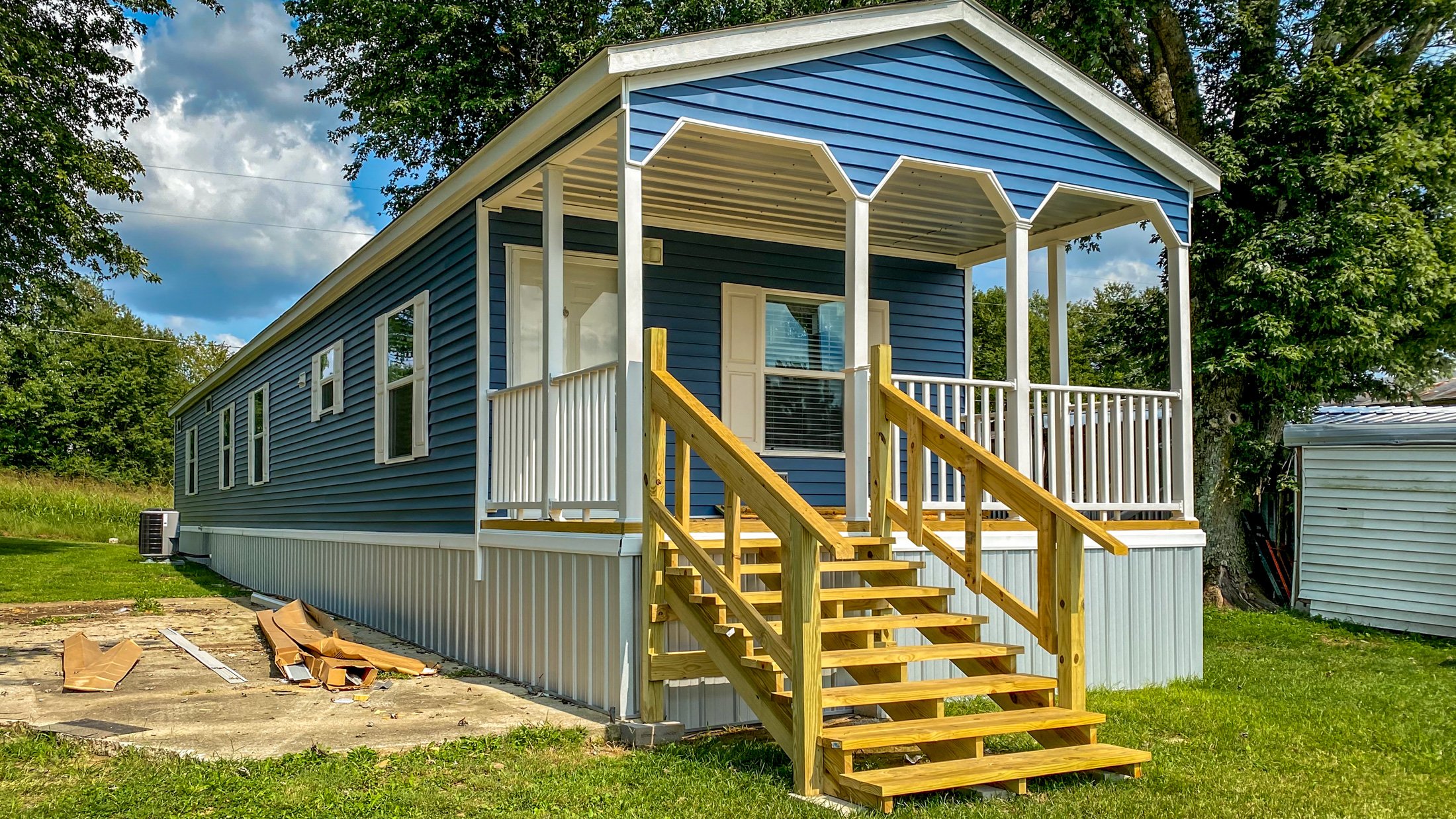
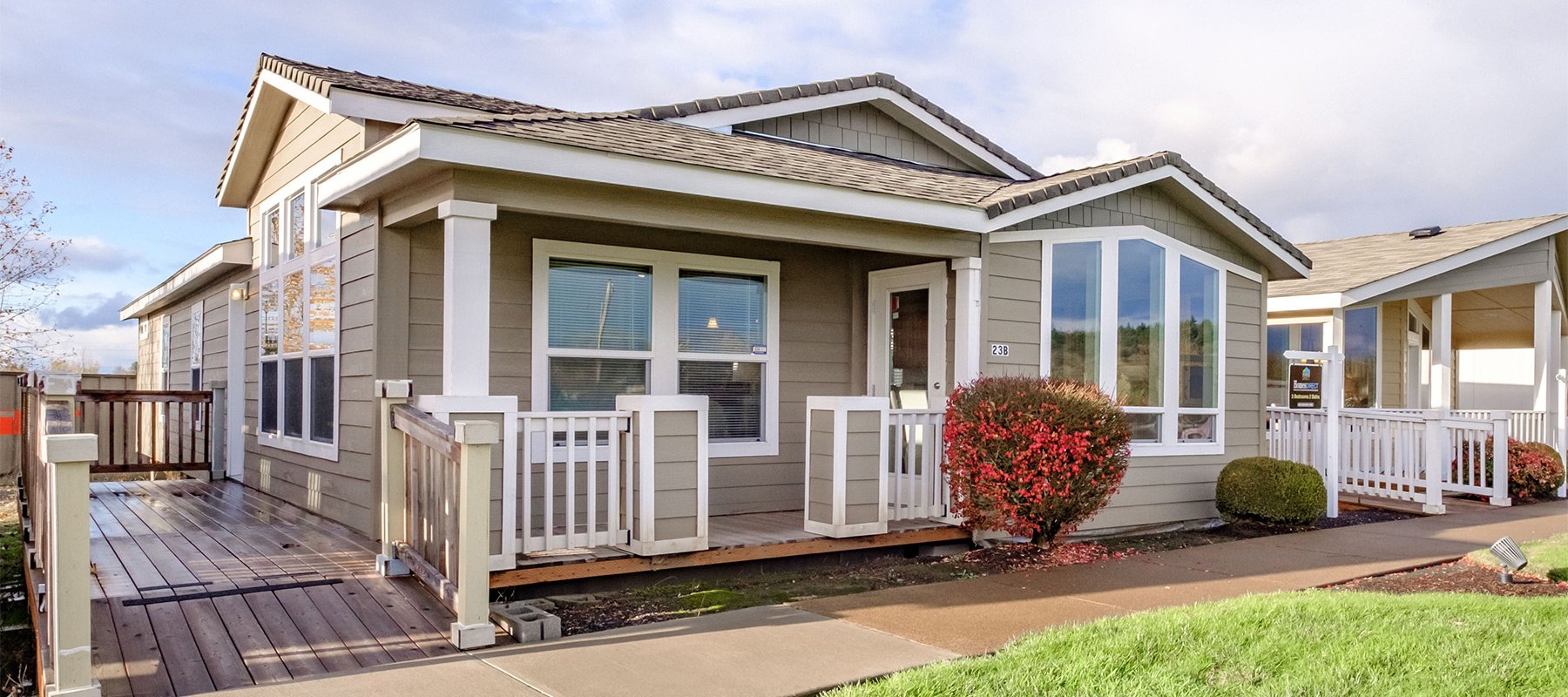
- Park-Owned Homes (POH): The community owner or management company owns both the physical mobile home and the land space it occupies. Renters sign a standard residential lease agreement, paying a single monthly fee that covers both housing and lot occupancy.
- Rent-to-Own and Subleases: Private owners who have equity in their manufactured home may lease the structure while the tenant assumes responsibility for paying the monthly community lot rent separately. This requires coordinating agreements with both the homeowner and the park management.
Key Market Distinction: Always clarify whether your monthly payment includes space rent. In many land-lease communities, advertised rental rates only reflect the cost of the home, requiring an additional monthly space-rent fee paid directly to the park operator.
Essential Criteria for Evaluating Mobile Home Communities
Before signing a lease for a manufactured home, evaluating the surrounding community ensures long-term comfort, safety, and financial stability. Modern manufactured home communities often feature amenities comparable to traditional neighborhoods, but they also enforce community guidelines designed to maintain property standards.
Infrastructure and Utilities Verification
Manufactured housing communities rely on specialized utility connections. Verify whether utilities are billed directly by municipal providers or sub-metered through the park management:
- Water and Sewer: Check if public water and sewer lines service the property or if the community utilizes private septic systems and well water.
- Electrical Service: Ensure the electrical pedestal meets modern amperage standards (typically 200-amp service) to support contemporary appliances, heating, and cooling systems.
- HVAC Systems: Inspect the heat pump or forced-air furnace unit. Manufactured homes require properly sized HVAC systems to maintain energy efficiency due to varying insulation standards across older and newer models.
Community Rules and Regulations (Covenants, Conditions, and Restrictions)
Leasing a mobile home within a community means agreeing to strict park bylaws. Management enforces guidelines regarding vehicle parking, exterior storage sheds, pet weight limits, and landscape maintenance. Reviewing these rules prior to application prevents lease violations and unexpected friction with management.
Financial Breakdown of Renting a Manufactured Home
Budgeting for a mobile home rental extends beyond the base monthly rental rate. Prospective tenants must account for security deposits, utility hookup fees, and community-specific charges.
| Expense Category | Typical Cost Range | Description & Inclusions |
|---|---|---|
| Base Monthly Rent | $800 - $1,800 | Covers the physical home structure and, in park-owned models, the lot space. |
| Security Deposit | 1 to 2 Months Rent | Refundable deposit held against property damage or lease defaults. |
| Space/Lot Rent (If Separated) | $300 - $700 | Monthly fee paid to the community owner for the land footprint and community amenities. |
| Utility Deposits | $150 - $400 | Initial activation fees for electricity, water, gas, and waste management services. |
| Pet Fees | $200 - $500 (One-time) | Non-refundable or refundable fees for approved domestic pets. |
Step-by-Step Guide to Finding and Securing a Rental
Finding available inventory requires targeted search strategies that target specialized manufactured housing platforms, local classifieds, and direct community outreach.
Step 1: Utilize Specialized Search Channels
Traditional apartment search engines rarely capture the full spectrum of manufactured home rentals. Focus your search on dedicated platforms, local mobile home dealer websites, and physical drive-throughs of established local communities. Look for rental banners posted at community front offices.
Step 2: Contact Community Managers Directly
Many mobile home communities maintain internal waiting lists for rental inventory before listing units publicly online. Calling or visiting local park offices allows prospective tenants to secure first option on incoming park-owned homes undergoing refurbishment.
Step 3: Complete Application and Background Screening
Park management teams enforce strict screening processes to protect community standards. Prepare documentation including proof of income (typically requiring a gross monthly income of three times the rent), government-issued identification, and verifiable rental history. Background checks typically evaluate eviction records and criminal history.
Step 4: Conduct a Detailed Move-In Inspection
Inspect the skirting, tie-downs, windows, subflooring, and roof seals before signing the lease document. Document any pre-existing cosmetic or structural wear with time-stamped photographs and submit an itemized move-in condition checklist to the landlord to protect your security deposit.
Comparing Housing Options: Mobile Homes vs. Apartments vs. Single-Family Rentals
| Feature | Mobile Home Rental | Apartment Rental | Single-Family House Rental |
|---|---|---|---|
| Average Space | 800 - 1,500 sq. ft. | 500 - 1,000 sq. ft. | 1,500 - 2,500 sq. ft. |
| Yard Space | Small private lot / common area | None (Balcony/Shared grounds) | Private fenced yard |
| Shared Walls | None (Detached structure) | Yes (Adjacent units) | None (Detached structure) |
| Community Amenities | Often includes pools, clubhouses | Fitness centers, secure entry | Usually none included |
| Privacy Level | High (No shared walls) | Low-Moderate | High |
Frequently Asked Questions
Are utilities included in mobile home rental prices?
In most cases, utilities are separate. While some park-owned home rentals bundle water or trash removal into the monthly payment, electricity, gas, and internet services are billed independently based on individual consumption.
Can I modify the interior or exterior of a rented mobile home?
Major structural modifications, painting exterior walls, or altering landscaping require explicit written consent from the landlord or park management. Minor interior adjustments like hanging pictures are usually permitted under standard lease terms.
Do mobile home communities require background checks?
Yes. Manufactured housing community operators routinely conduct background, credit, and eviction checks for all adult occupants to ensure community safety and regulatory compliance.
What happens if the park management sells the land?
State laws govern tenant rights regarding community closures or land sales, which typically mandate advance written notice (often 60 to 180 days) and, in some jurisdictions, relocation assistance or compensation for homeowners. Renters holding POH leases operate under standard residential lease termination statutes.
How do I verify if a mobile home rental listing is legitimate?
Always tour the physical property in person before transferring any funds. Legitimate community managers will operate out of an official on-site leasing office and will never request cash payments via peer-to-peer money transfer apps prior to lease execution.
Conclusion and Next Steps
Securing a mobile home for rent requires careful verification of lease terms, community rules, and total monthly overhead. By contacting community management offices directly, inspecting structural integrity before move-in, and clarifying whether space rent is bundled into the asking price, you can secure stable, comfortable manufactured housing that aligns with your budget. Begin your search by identifying reputable parks in your target region and inquiring directly about upcoming rental availability.
Image Gallery