How IndoorRestore Mold Removal and Remediation Clovis Works
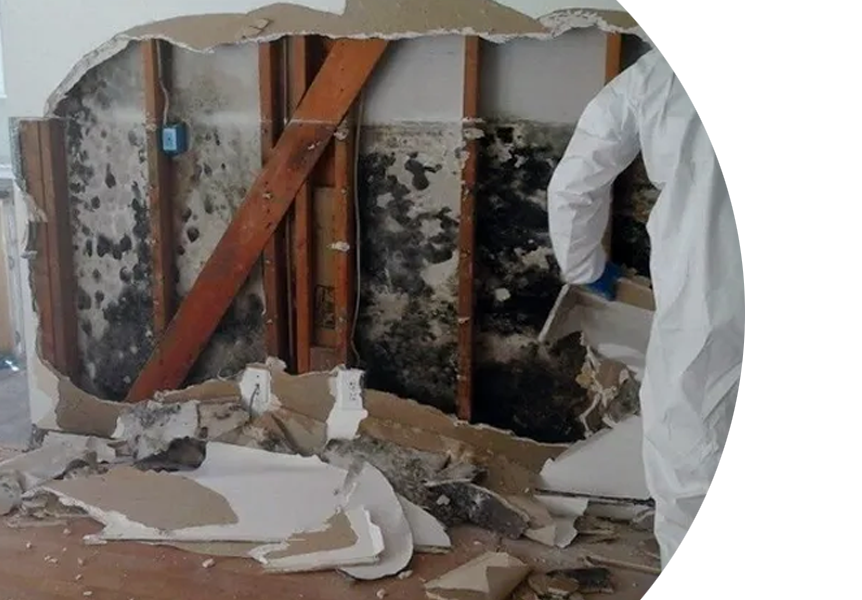
IndoorRestore provides professional mold remediation services in Clovis, California, by following a standardized, multi-phase technical protocol designed to identify the source of fungal growth, eliminate the infestation, and implement...
IndoorRestore provides professional mold remediation services in Clovis, California, by following a standardized, multi-phase technical protocol designed to identify the source of fungal growth, eliminate the infestation, and implement moisture control measures to prevent recurrence. The process centers on professional containment, physical removal of affected materials, industrial-grade cleaning, and structural drying, ensuring that the property meets health and safety standards for indoor air quality.
Contents
The Science of Mold Remediation
Mold is a biological organism that thrives in environments with high humidity and organic nutrient sources. In the context of the Central Valley, specifically Clovis, environmental conditions—ranging from heavy rainfall periods to high-heat cycles—can create recurring moisture challenges in residential and commercial buildings. IndoorRestore’s approach is not merely cleaning visible spots; it is a systematic removal of the fungal ecosystem.
The remediation process follows guidelines established by industry standards, such as the IICRC S520 Standard for Professional Mold Remediation. The primary goal is to return the environment to a condition of "normal fungal ecology." This requires moving beyond surface-level wiping, which often leaves mycelium roots embedded in porous building materials like drywall, wood framing, or insulation.
Step 1: Inspection and Environmental Assessment
The process begins with a comprehensive site assessment. Technicians inspect the affected areas to determine the extent of the growth and, crucially, to identify the source of moisture fueling that growth. If the moisture source—such as a leaking pipe, roof failure, or high humidity due to poor HVAC ventilation—is not addressed, mold will inevitably return.
During the assessment, technicians may utilize moisture meters, hygrometers, and thermal imaging cameras. These tools identify "hidden" mold behind walls or under floorboards by detecting temperature differentials and moisture concentrations that are invisible to the naked eye. This diagnostic phase determines the scope of the work and the necessary protective measures to prevent cross-contamination to unaffected areas of the building.
Step 2: Containment and Engineering Controls
Before any physical work occurs, the remediation team establishes containment zones. This is perhaps the most critical step for occupant safety. When mold-affected materials are disturbed, they release millions of microscopic spores into the air.
IndoorRestore uses physical barriers, such as 6-mil polyethylene sheeting, to seal off the affected areas. They often employ Negative Air Machines (NAMs) equipped with High-Efficiency Particulate Air (HEPA) filters. By creating negative air pressure within the containment zone, the team ensures that any airborne spores generated during the removal process are drawn through the filtration system and trapped, rather than migrating to the rest of the property.
Step 3: Source Removal and Cleaning
Once the environment is secured, the actual remediation begins. This is defined by two primary methods:
- Removal and Disposal: Materials that are porous and heavily infested, such as drywall, carpeting, or ceiling tiles, are usually removed and discarded. These materials act as food sources for mold and are difficult to sanitize completely.
- HEPA Vacuuming and Cleaning: For non-porous items or structural framing that can be salvaged, the team uses HEPA-filtered vacuums to remove loose spores, followed by wet-wiping with antimicrobial agents. This ensures that the surfaces are physically cleaned of both live mold and dead spores, which can still trigger allergic reactions in sensitive individuals.
Step 4: Structural Drying and Dehumidification
Mold cannot exist without water. After the removal phase, the environment is treated to ensure it is thoroughly dry. Industrial-grade dehumidifiers and air movers are strategically placed to bring the humidity levels in the structure down to optimal ranges (usually below 60% relative humidity). This phase is monitored over several days to confirm that the substrate moisture content has returned to safe, baseline levels, preventing the dormant spores from reactivating.
Comparison of Professional vs. DIY Remediation
| Feature | Professional Remediation | DIY Cleaning |
|---|---|---|
| Moisture Source Identification | Targeted, tool-assisted diagnostics | Often guessed or overlooked |
| Cross-Contamination Control | Regulated containment and negative air | Usually uncontrolled, spreading spores |
| Equipment | HEPA vacuums and industrial dehumidifiers | Household cleaners and standard vacuums |
| Disposal | Compliance with hazardous waste disposal | Disposal in household trash |
| Long-Term Efficacy | High success rate with warranties | High risk of rapid regrowth |
The Role of Post-Remediation Verification
A standard component of the IndoorRestore methodology is the emphasis on verification. While the removal may appear visually complete, "normal fungal ecology" requires objective evidence. Post-Remediation Verification (PRV) often involves visual inspection or air quality testing conducted by an independent industrial hygienist. This third-party assessment ensures that the concentration of spores in the treated area is comparable to the outside air, providing the property owner with objective proof that the environment is safe for occupancy.
Identifying When Professional Intervention is Necessary
Property owners in Clovis often ask when a situation requires professional remediation versus when they can manage it themselves. If the mold growth covers an area of less than 10 square feet and is related to a contained, easily fixed plumbing leak, it may be manageable for a homeowner.
However, professional intervention is strongly advised under the following conditions:
- HVAC Contamination: If mold is discovered inside the heating or air conditioning system, it can be distributed throughout the entire building within hours.
- Large Surface Area: Growth covering more than 10 square feet requires specialized training and equipment to prevent massive spore release.
- Hidden Growth: If there is a musty odor but no visible mold, the colony is likely in the wall cavities, HVAC ducts, or under flooring.
- Health Concerns: Individuals with asthma, chronic lung disease, or compromised immune systems should avoid exposure to any level of mold growth.
Troubleshooting Common Issues
One of the most frequent points of failure in mold remediation is the "re-growth" phenomenon. This occurs when an owner completes the cleaning but fails to solve the underlying environmental imbalance.
- Persistent Odors: If the odor remains after cleaning, it often indicates that a hidden moisture source is still active or that porous materials were not fully removed.
- High Humidity: Clovis homes can sometimes suffer from trapped humidity during transitional seasons. If the indoor air feels "heavy" or damp, consider installing a whole-home dehumidifier, which can serve as a vital defensive measure against future mold growth.
- Documentation: Always maintain a log of any water intrusion events. Insurance carriers often require proof that a maintenance issue (like a roof leak) was addressed promptly in order to cover subsequent remediation costs.
Frequently Asked Questions
Is it safe to stay in the home during remediation? It depends on the scope of the project. If the contamination is limited to a single, easily sealed room, you may be able to stay, provided the containment zone remains intact. However, if the project involves HVAC systems or large, occupied areas, professionals often recommend relocating to avoid exposure to airborne dust and spores during the remediation process.
Why shouldn't I just use bleach to kill the mold? Bleach is generally discouraged by the EPA for mold remediation on porous surfaces. It is effective on hard, non-porous surfaces, but on drywall or wood, the chlorine cannot penetrate deep into the material to kill the "roots" of the mold. The water content in the bleach solution can actually feed the mold, causing it to return quickly.
Does insurance cover the cost of mold remediation? Coverage depends entirely on your specific policy. In California, many standard homeowners' policies provide coverage for mold only if it is the direct result of a "covered peril," such as a sudden plumbing pipe burst. Mold resulting from long-term, slow leaks or maintenance neglect is often excluded. Always review your policy and consult with your provider before initiating repairs.
How long does the entire process take? The duration varies based on the size of the contamination. A small, localized project might be completed in two to three days. Larger projects involving structural repairs can take several weeks, especially when the drying phase is included.
What happens if mold is found on personal items? Items like clothing, furniture, or photographs can often be remediated if they are not deeply infested. Professionals use specialized cleaning techniques, including HEPA vacuuming and specialized detergent laundering, to salvage these belongings. Highly porous items that are heavily damaged may need to be discarded.
Next Steps for Property Owners
If you suspect a mold issue in your Clovis property, prioritize safety and documentation. First, locate and stop the moisture source immediately—whether that means turning off a water valve or patching a roof leak. Document the damage with photos for your records or insurance claim. Contact a professional service like IndoorRestore to request an assessment. By addressing the root cause and utilizing professional containment, you protect both the structural integrity of your property and the health of its inhabitants.
Image Gallery