Why Urgent Care in Arkansas Often Makes Sense for You
Urgent care in Arkansas provides a critical bridge between primary care physicians and hospital emergency rooms, offering immediate treatment for non-life-threatening conditions. With shorter wait times and significantly lower costs, t...
Urgent care in Arkansas provides a critical bridge between primary care physicians and hospital emergency rooms, offering immediate treatment for non-life-threatening conditions. With shorter wait times and significantly lower costs, these clinics are an efficient solution for Arkansans facing acute illnesses or minor injuries that require medical attention before a standard doctor’s appointment is available.
Contents
The healthcare landscape in Arkansas has evolved rapidly by 2026. As the state continues to balance the needs of its growing metropolitan hubs like Northwest Arkansas and Central Arkansas with the unique challenges of its rural Delta and Ozark regions, urgent care centers (UCCs) have emerged as a primary solution for accessibility. For many residents, choosing urgent care over an emergency department is no longer just about convenience; it is a strategic decision involving financial health and time management.
Understanding the Role of Urgent Care in the Arkansas Healthcare System
Urgent care centers are designed to treat patients who have an illness or injury that requires immediate care but is not serious enough to warrant a visit to an emergency room (ER). In Arkansas, where rural healthcare access can sometimes be limited, these facilities serve as essential access points. Unlike primary care offices, which typically operate on a strict 9-to-5 schedule and require advance appointments, urgent care clinics offer walk-in availability and extended evening and weekend hours.
By 2026, the integration of urgent care into the broader Arkansas medical network has become seamless. Many centers are now affiliated with major health systems such as Baptist Health, CHI St. Vincent, or the University of Arkansas for Medical Sciences (UAMS). This affiliation allows for better record sharing through electronic health records (EHR), ensuring that your primary care physician is updated on the treatment you received during your urgent care visit.
For the patient, this means the "gap" in care—the time between noticing a symptom and getting a professional diagnosis—is narrowed. Whether you are dealing with a sudden bout of the flu in Jonesboro or a minor hiking injury near Hot Springs, urgent care provides a localized, professional response that prevents small medical issues from escalating into major complications.
Urgent Care vs. Emergency Room: Making the Informed Choice
One of the most important decisions a patient makes is determining the appropriate level of care. Choosing correctly impacts not only the patient's wallet but also the efficiency of the entire state's medical infrastructure. In Arkansas, emergency rooms are frequently congested with patients seeking care for non-emergency issues, such as ear infections or mild rashes.
When to Choose Urgent Care: Urgent care is the appropriate choice for "convenience care" and acute, non-life-threatening issues. This includes:
- Minor fractures and sprains.
- Fever, cough, or sore throat (including strep and flu).
- Urinary tract infections (UTIs).
- Minor cuts requiring stitches.
- Dehydration requiring IV fluids (in some clinics).
- Standard vaccinations and school physicals.
When to Choose the Emergency Room: The ER is reserved for life-or-limb-threatening emergencies. If you experience the following, you should head directly to an Arkansas hospital ER or call 911:
- Chest pain or signs of a heart attack.
- Difficulty breathing or severe respiratory distress.
- Uncontrolled bleeding.
- Signs of a stroke (sudden numbness, slurred speech, facial drooping).
- Severe head trauma or loss of consciousness.
- Major burns or poisoning.
Distinguishing between these two options is vital. According to data from the Arkansas Department of Health, utilizing urgent care for non-emergencies helps keep ER beds open for critical trauma patients, which is especially important during peak flu or respiratory virus seasons.
The Financial Advantage: Analyzing Costs for Arkansans
The cost difference between an urgent care visit and an emergency room visit in Arkansas is substantial. By 2026, the average cost of an ER visit for a non-complex issue can easily exceed $1,500, especially when factoring in facility fees, physician fees, and diagnostic imaging. In contrast, an urgent care visit typically ranges from $125 to $250 for self-pay patients, with insurance co-pays often mirroring a standard specialist visit (usually $30 to $75).
Insurance and Medicaid Considerations
Most urgent care centers in Arkansas accept a wide range of insurance providers, including Arkansas Blue Cross and Blue Shield, QualChoice, and Ambetter. Furthermore, many clinics participate in the ARHOME (Arkansas Health and Opportunity for Me) program, which replaced the previous Medicaid expansion models. This ensures that low-income Arkansans have access to immediate care without the staggering debt often associated with hospital billing.
| Service Category | Urgent Care Estimated Cost (Self-Pay) | Emergency Room Estimated Cost (Self-Pay) | Average Wait Time |
|---|---|---|---|
| Basic Consultation | $125 - $175 | $800 - $1,200 | 20 - 45 Minutes |
| X-Ray & Interpretation | $50 - $100 (add-on) | $300 - $700 (add-on) | 30 - 60 Minutes |
| Stitches/Laceration Repair | $150 - $300 | $1,500 - $2,500 | 45 - 90 Minutes |
| Lab Work (Strep/Flu/UTI) | $30 - $70 | $200 - $500 | 15 - 30 Minutes |
Note: Costs are estimates based on 2026 Arkansas market averages and may vary by provider and location.
The "facility fee" is often the hidden culprit in ER billing. Hospitals charge this fee to maintain 24/7 readiness and specialized trauma equipment. Since urgent care centers do not maintain the same level of intensive infrastructure, they do not pass these heavy overhead costs on to the patient.
Accessibility and Convenience: Beyond the 9-to-5 Schedule
Arkansas has made significant strides in healthcare accessibility, but geographic challenges remain. In the Northwest corridor (Bentonville, Rogers, Fayetteville), the population boom has led to a surge in urgent care availability. However, in more rural counties, an urgent care center might be the only medical facility open after 5:00 PM within a 30-mile radius.
The convenience of urgent care extends beyond just the hours of operation. In 2026, most Arkansas UCCs utilize online check-in systems. This allows patients to wait in the comfort of their own homes and receive a text message when it is time to head to the clinic. This "virtual queue" significantly reduces exposure to other sick patients in the waiting room—a practice that became standard following the public health evolutions of the early 2020s.
Furthermore, many Arkansas urgent care facilities now offer "on-site prescriptions." While they are not full-service pharmacies, they can often provide the first dose of an antibiotic or a pre-packaged course of common medications, saving the patient an extra trip to a pharmacy late at night.
Comprehensive Services Provided by Arkansas Urgent Care Centers
Modern urgent care in Arkansas is far more than a "doc-in-a-box." These facilities are equipped with sophisticated diagnostic tools that were once the exclusive domain of hospitals.
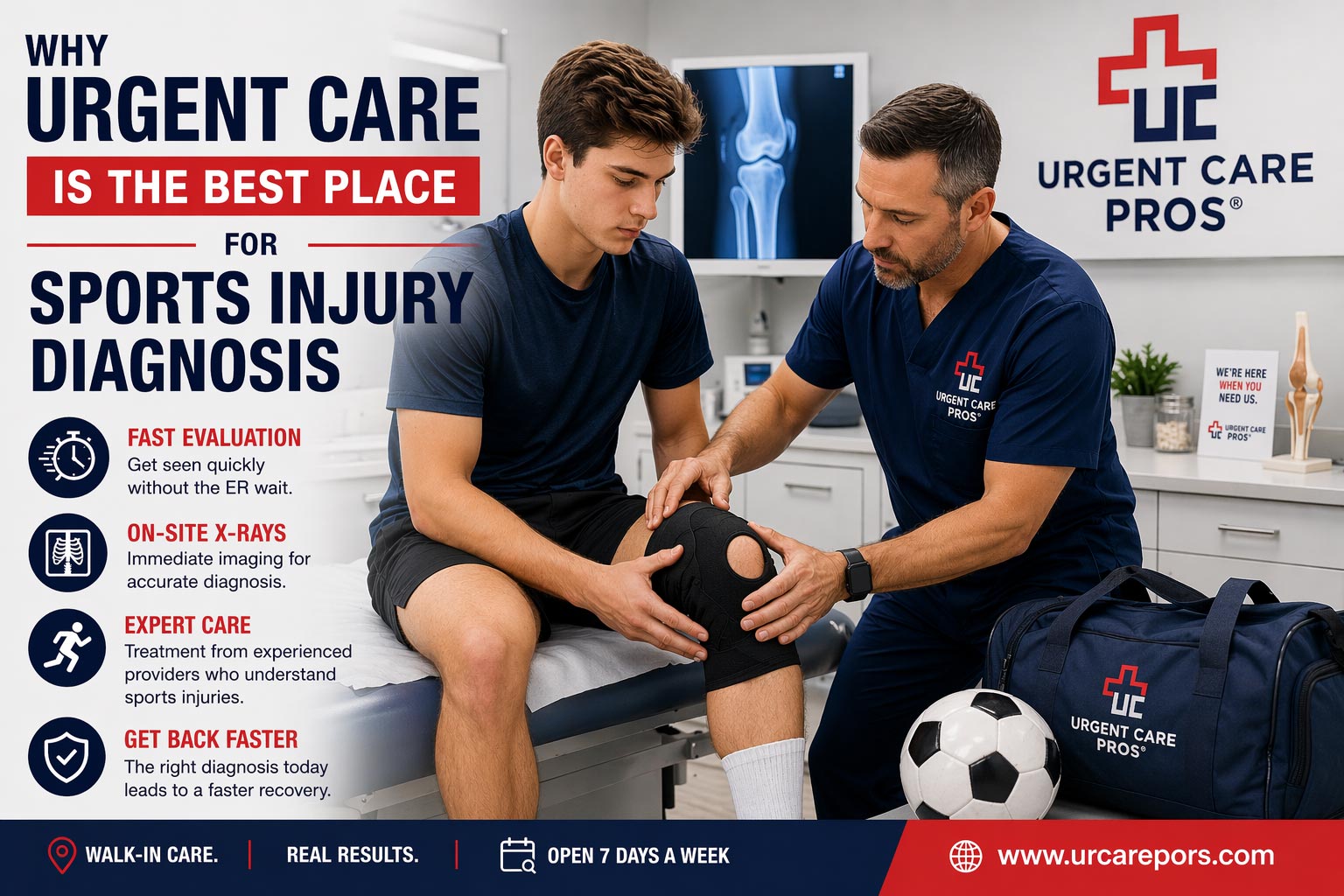
- Diagnostic Imaging: Most clinics have digital X-ray machines on-site to rule out fractures or diagnose pneumonia. Some advanced centers in Little Rock and Fort Smith have even begun offering limited ultrasound services.
- Point-of-Care Testing: Urgent care labs can provide rapid results for COVID-19, Influenza A & B, RSV, Strep A, and Mono. They also perform basic blood counts and urinalysis.
- Occupational Medicine: Many Arkansas businesses use urgent care centers for worker’s compensation initial visits, drug screenings, and DOT (Department of Transportation) physicals.
- Minor Procedures: From draining abscesses to removing foreign objects (like splinters or beads) from ears and noses, the scope of practice is broad.
By 2026, telehealth has also become a standard feature of Arkansas urgent care. If you are unsure if you need to come in, many providers offer a "tele-triage" video call to assess your symptoms, which can be a lifesaver for those living in remote areas of the Ouachita Mountains or the Mississippi Delta.
Navigating the Visit: Practical Tips for Arkansans
To make the most of an urgent care visit, being prepared is essential. Because these clinics handle a high volume of patients, having your information ready can speed up the process significantly.
- Bring Identification and Insurance: Even if you have been there before, have your state ID and current insurance card ready. If you are using a health savings account (HSA), ensure the card is active.
- List of Medications: Provide a clear list of current prescriptions, supplements, and any allergies to medications (especially antibiotics like Penicillin).
- Medical History: Briefly note any chronic conditions such as diabetes, hypertension, or asthma, as these can influence how an acute illness is treated.
- Check the Network: Before you go, use your insurance provider's app or website to verify that the specific urgent care location is "in-network" to avoid unexpected "out-of-network" balance billing.
Summary of Next Actions
If you or a family member are experiencing a non-emergency medical issue in Arkansas, follow these steps:
- Assess the Severity: If it is a life-threatening emergency, call 911. If not, proceed to step 2.
- Locate the Nearest Center: Use an online search or your insurance provider's directory to find an urgent care center near you.
- Check In Online: Many Arkansas providers, such as Baptist Health Urgent Care or MedExpress, allow you to see current wait times and book a spot online.
- Follow Up: After your visit, ensure you schedule a follow-up with your primary care physician to discuss the diagnosis and any ongoing treatment plans.
Frequently Asked Questions
Does Arkansas Medicaid cover urgent care visits? Yes, Arkansas Medicaid (including the ARHOME plans administered by private carriers) typically covers urgent care visits, though a small co-pay may apply depending on your specific plan tier. It is always advisable to present your Medicaid ID at check-in to confirm coverage.
Can an urgent care doctor prescribe antibiotics? Yes, clinicians at urgent care centers, including Board-Certified Physicians and Advanced Practice Registered Nurses (APRNs), can prescribe antibiotics if they determine a bacterial infection is present, such as strep throat or a UTI.
Are urgent care wait times shorter than the ER in Arkansas? Statistically, yes. According to national healthcare benchmarks relevant to 2026, the average urgent care visit (entry to exit) takes less than an hour, whereas ER visits in Arkansas can often exceed four to six hours for non-critical cases due to the triage system that prioritizes life-threatening injuries.
Do I need an appointment for urgent care in Arkansas? No, appointments are not required. Urgent care centers are designed for walk-in patients. However, using "Online Check-In" is highly recommended to minimize the time spent in the waiting room.
Can urgent care treat sports injuries for student-athletes? Absolutely. Urgent care is an excellent resource for sprains, strains, and minor concussions. Many centers also offer the required pre-participation sports physicals for Arkansas High School Activities Association (AAA) athletes.
Medical Disclaimer: This information is for educational purposes and does not constitute medical advice. Always seek the advice of a physician or other qualified health provider with any questions you may have regarding a medical condition. If you are experiencing a medical emergency, call 911 immediately.
Image Gallery