What Salon Shoes Mean for Professionals: The Intersection of Ergonomics and Style
In the beauty and wellness industry, salon shoes are specialized footwear designed to support the unique physiological and safety needs of professionals who stand for 8 to 12 hours a day. They represent a critical tool for preventing c...
In the beauty and wellness industry, salon shoes are specialized footwear designed to support the unique physiological and safety needs of professionals who stand for 8 to 12 hours a day. They represent a critical tool for preventing chronic musculoskeletal issues, ensuring workplace safety against chemical spills and slips, and maintaining a polished professional aesthetic that builds client trust.
Contents
For a hairstylist, barber, or esthetician, the floor is their primary workspace. Unlike traditional office environments where "professional footwear" usually refers to aesthetic appeal, the definition of professional shoes in a salon context in 2026 has evolved into a high-performance category that merges orthopedic science with contemporary fashion. Choosing the right footwear is not merely a matter of comfort; it is a long-term investment in a professional’s career longevity.
The Biomechanics of the Salon Environment
To understand what salon shoes mean for professionals, one must first analyze the physical demands of the job. Professionals in this field often suffer from "Standing Fatigue Syndrome," a condition characterized by persistent tiredness, discomfort, or pain in the feet, legs, and lower back.
When a professional stands on hard surfaces—typically tile, polished concrete, or hardwood—their body weight is constantly pressing down through the feet. Without proper shoe construction, this pressure causes the arches to collapse over time (overpronation), leading to a chain reaction of misalignment that affects the ankles, knees, hips, and eventually the lumbar spine.
The Role of Impact Absorption
High-quality salon shoes utilize advanced midsole materials, such as ethylene-vinyl acetate (EVA) or specialized polyurethane, to absorb the kinetic energy of every step. In 2026, many professionals are opting for shoes with "rebound technology" that doesn't just cushion the foot but returns energy to the wearer, reducing the muscular effort required to stay upright and mobile throughout a busy shift.
Structural Integrity and Arch Support
Professional-grade footwear provides rigid or semi-rigid arch support. This is crucial because, during a long shift, the muscles in the feet fatigue and lose their ability to support the skeletal structure. Salon shoes act as an external skeleton, maintaining the foot in a neutral position to prevent conditions like plantar fasciitis and Achilles tendonitis.
Safety and Occupational Hazards in the Salon
Beyond ergonomics, salon shoes are a primary line of defense against common workplace hazards. The salon environment is unique because it combines high foot traffic with the frequent presence of liquids, chemicals, and sharp objects.
Slip Resistance and Friction Coefficients
Hair, water, and styling products frequently end up on the floor, creating a surface that is often slicker than a commercial kitchen. Professional salon shoes must meet high slip-resistance standards. Most manufacturers now test their outsoles against the ASTM F2913-19 standard (or its 2026 equivalent) to ensure maximum traction. A professional shoe typically features a tread pattern designed to channel fluids away from the contact point, much like a high-performance tire.
Protection from "Hair Splinters" and Chemicals
One of the most overlooked hazards in the industry is the hair splinter, or cutaneous pili migrans. When hair is cut, short, sharp shards can penetrate thin footwear materials like mesh or canvas, embedding themselves in the skin and causing infection. Professional salon shoes are typically constructed from non-porous materials like treated leather or high-density synthetics that prevent hair penetration.
Furthermore, the chemicals found in hair dyes, lighteners, and cleaning agents can degrade standard foam outsoles. Professional shoes are designed with chemical-resistant finishes that prevent the material from cracking or becoming brittle when exposed to salon-grade substances.
Professionalism and Aesthetic Identity
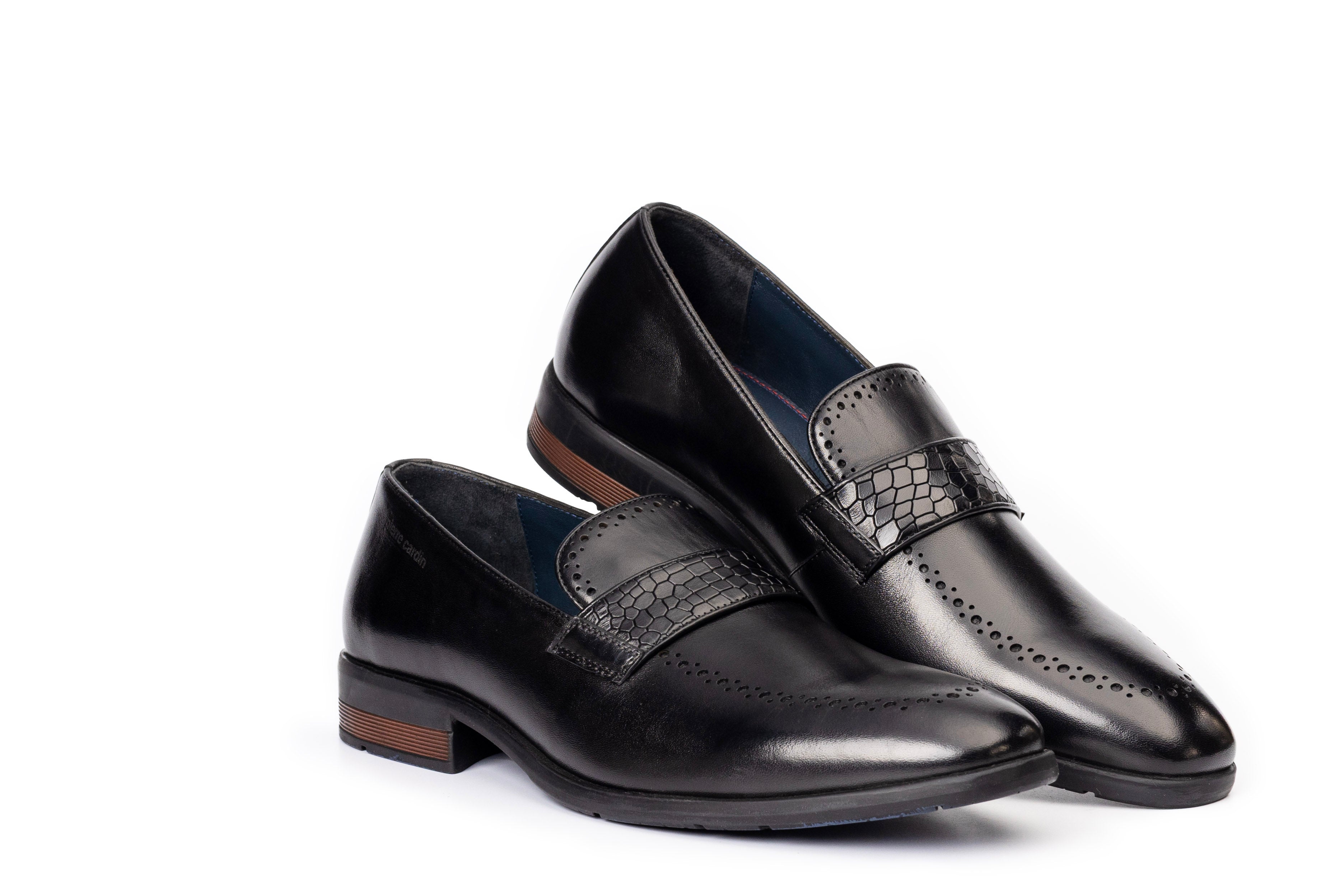
While the technical specifications are paramount, "what salon shoes mean" also encompasses the professional's image. In 2026, the industry has shifted away from the "clunky" orthopedic look of the past. Today’s professional shoes allow stylists to express their personal brand without sacrificing health.
Aligning with Salon Branding
Many high-end salons have dress codes that require specific colors—usually black—to maintain a uniform and sophisticated look. For the professional, the shoe must bridge the gap between "streetwear" style and "medical-grade" support. A well-chosen shoe signals to the client that the professional is prepared, disciplined, and values their own health, which by extension suggests they will value the client’s hair or skin.
The Psychological Impact of Comfort
Pain is a distraction. A professional who is distracted by aching feet or a throbbing lower back cannot provide the same level of attention and creativity as one who is physically comfortable. Therefore, salon shoes mean "mental presence." They allow the professional to focus entirely on the technical execution of a highlight, a precision fade, or a delicate facial treatment.
Comparing Professional Salon Shoe Types
Different roles within the salon may require different footwear characteristics. The following table compares the most common categories of professional salon shoes currently used by industry experts.
| Shoe Type | Primary Benefit | Best For | Durability |
|---|---|---|---|
| Ergonomic Clogs | Maximum arch support and heel protection. | Professionals with chronic back pain. | High (5+ years) |
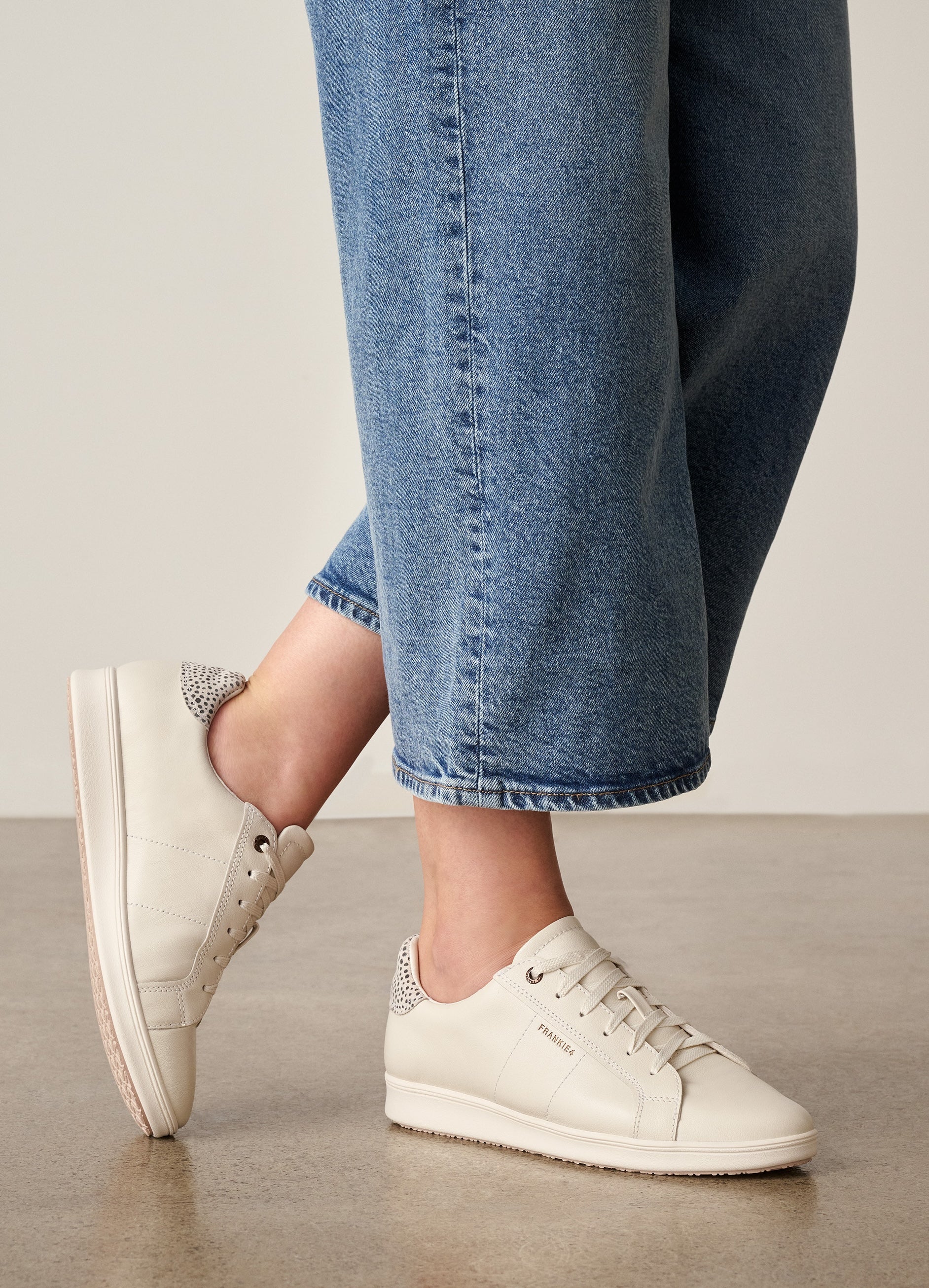
| Professional Sneakers | High mobility and energy return. | Busy barbers and high-volume stylists. | Medium (12-18 months) |
| Leather Boots | Superior ankle stability and hair splinter protection. | Extension specialists and platform artists. | High (3+ years) |
| Memory Foam Flats | Aesthetic versatility for front-desk and light service. | Salon coordinators and estheticians. | Low (6-9 months) |
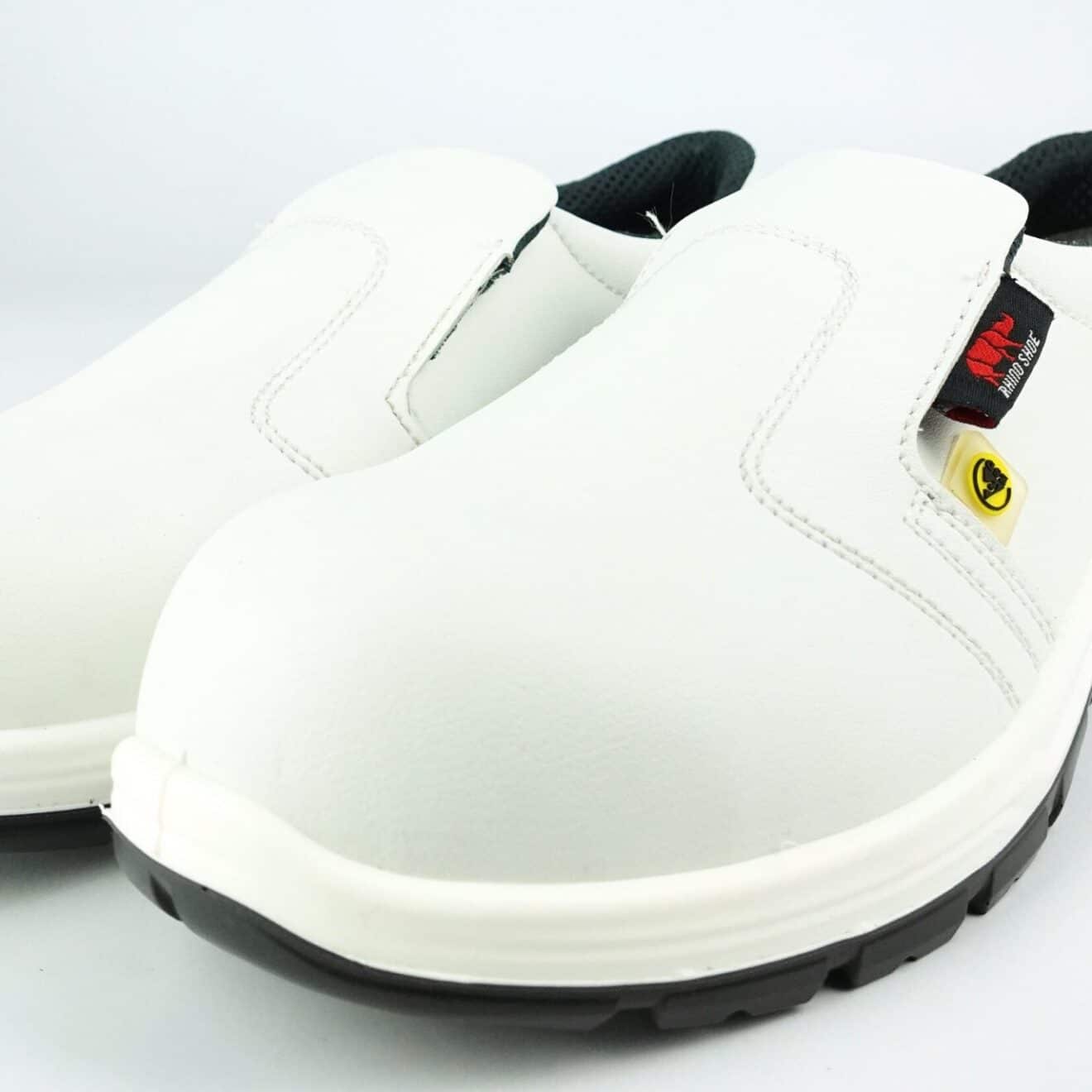
| Hybrid Slip-ons | Ease of cleaning and water resistance. | Colorists and shampoo technicians. | Medium (1-2 years) |
Maintenance and Lifespan of Professional Footwear
For a salon shoe to continue providing the necessary support, it must be maintained and replaced according to a specific schedule. Most professionals in 2026 follow the "rotation rule," where they own at least two pairs of high-quality shoes and alternate them daily. This allows the cushioning materials to fully decompress and moisture to evaporate, which extends the life of the shoe and improves foot hygiene.
Indicators for Replacement
Professional shoes should be replaced when the internal support structures fail, even if the exterior still looks pristine. Key indicators include:
- Visible Compression: If the midsole shows deep wrinkles or looks "crushed," the shock absorption is likely compromised.
- Uneven Wear: If the outsole is worn down more on one side than the other, the shoe is no longer providing neutral alignment.
- Persistent Foot Pain: If a professional begins to feel familiar aches at the end of a shift, it is often a sign that the shoe's structural integrity has reached its limit.
Frequently Asked Questions
Why can't I just wear regular athletic sneakers for salon work?
While regular sneakers provide initial comfort, they are often designed for forward motion (running) rather than static standing. They usually feature mesh tops that allow hair splinters to enter and lack the chemical-resistant outsoles necessary for a salon environment. Professional salon shoes are specifically engineered for lateral stability and the unique "pivot" movements stylists make around the chair.
How do I know if a shoe has enough arch support?
A quick test is to try and bend the shoe in half. A shoe with proper professional support should be rigid through the midfoot and only flex at the forefoot (where your toes naturally bend). If the shoe folds easily in the middle, it will not provide the structural support needed for an 8-hour shift.
Are expensive salon shoes worth the investment?
Yes. Lower-priced footwear often uses open-cell foam that collapses quickly under consistent weight. Investing in a professional-grade shoe (typically ranging from $120 to $250 in 2026 pricing) ensures the use of high-density materials that maintain their ergonomic properties for a much longer period, ultimately costing less per wear.
Is it better to have a heel or a flat shoe in a salon?
A completely flat shoe (like a traditional ballet flat or some skate shoes) is generally poor for salon work as it puts excessive strain on the Achilles tendon. A slight "heel drop" or "pitch" of 0.5 to 1.5 inches is usually recommended by podiatrists for professionals who stand all day, as it shifts the weight slightly forward and reduces pressure on the heels.
How do salon shoes prevent varicose veins?
While shoes alone cannot prevent them, shoes with proper support combined with compression socks improve blood circulation. By maintaining the foot in a correct position, these shoes help the "calf pump" mechanism work more efficiently, assisting blood flow back up to the heart and reducing the pooling of blood in the lower legs that leads to varicose veins.
Final Recommendation for Professionals
To maximize your career longevity and daily comfort, prioritize function over fashion when selecting your primary work shoe. Look for footwear that offers a slip-resistant outsole, a non-porous upper (such as treated leather), and a replaceable orthotic insole. For the best results in 2026, consult with a podiatrist to determine your specific foot type—flat, neutral, or high-arched—and choose a professional shoe that mirrors your anatomical needs. Remember that your feet are the foundation of your business; when they are supported, your entire professional performance is elevated.
Image Gallery