Why the Boeing 717 Matters to Delta Air Lines
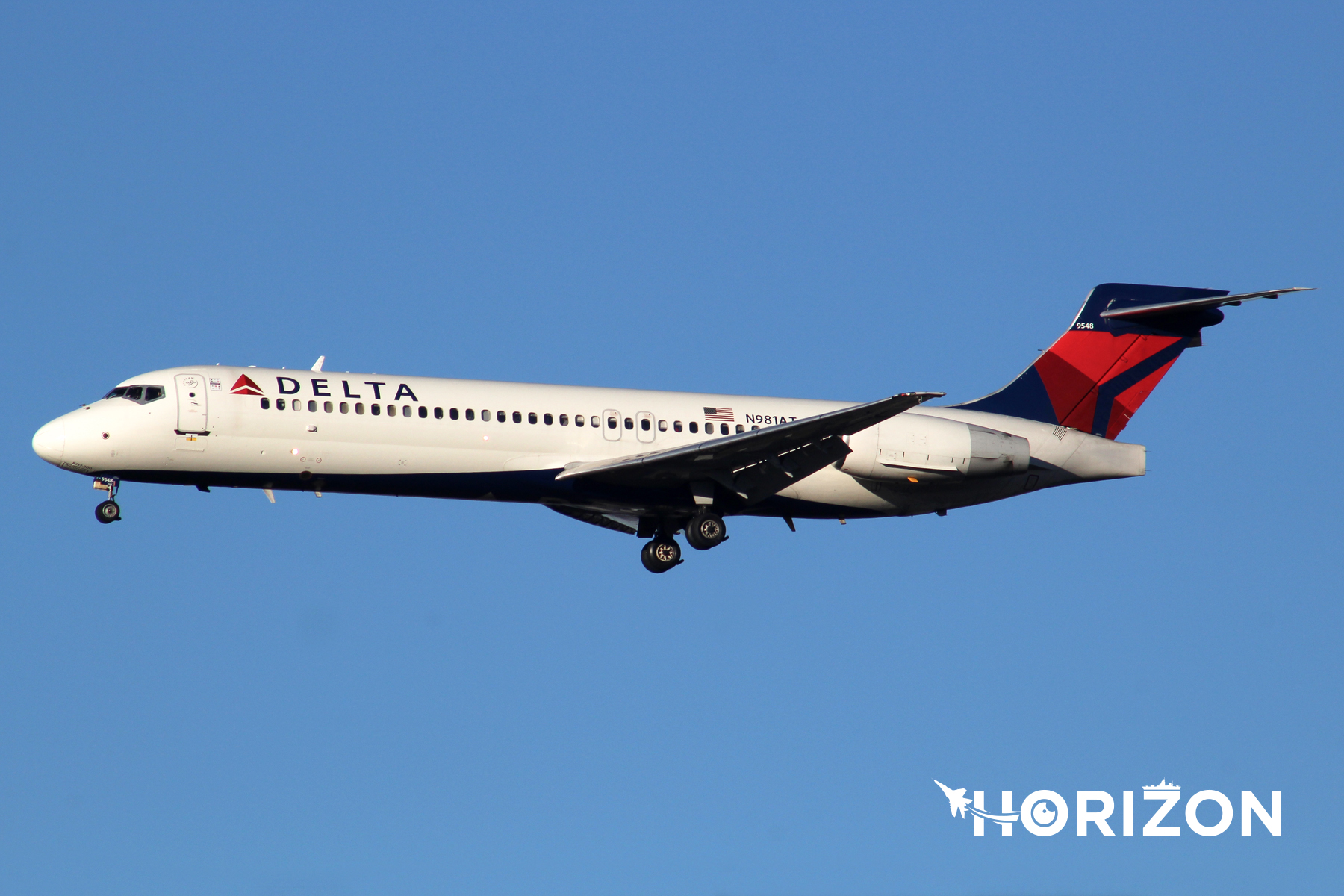
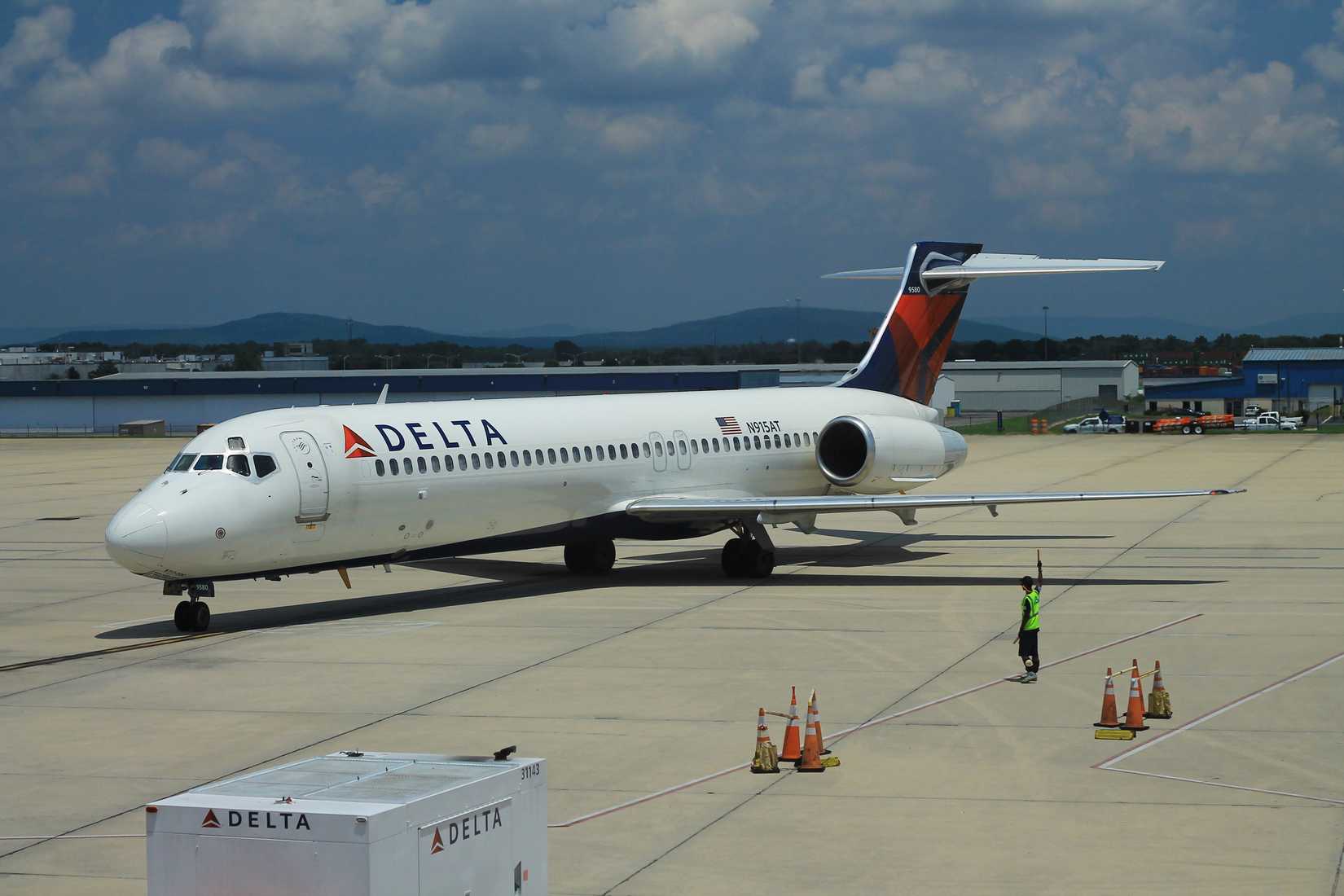
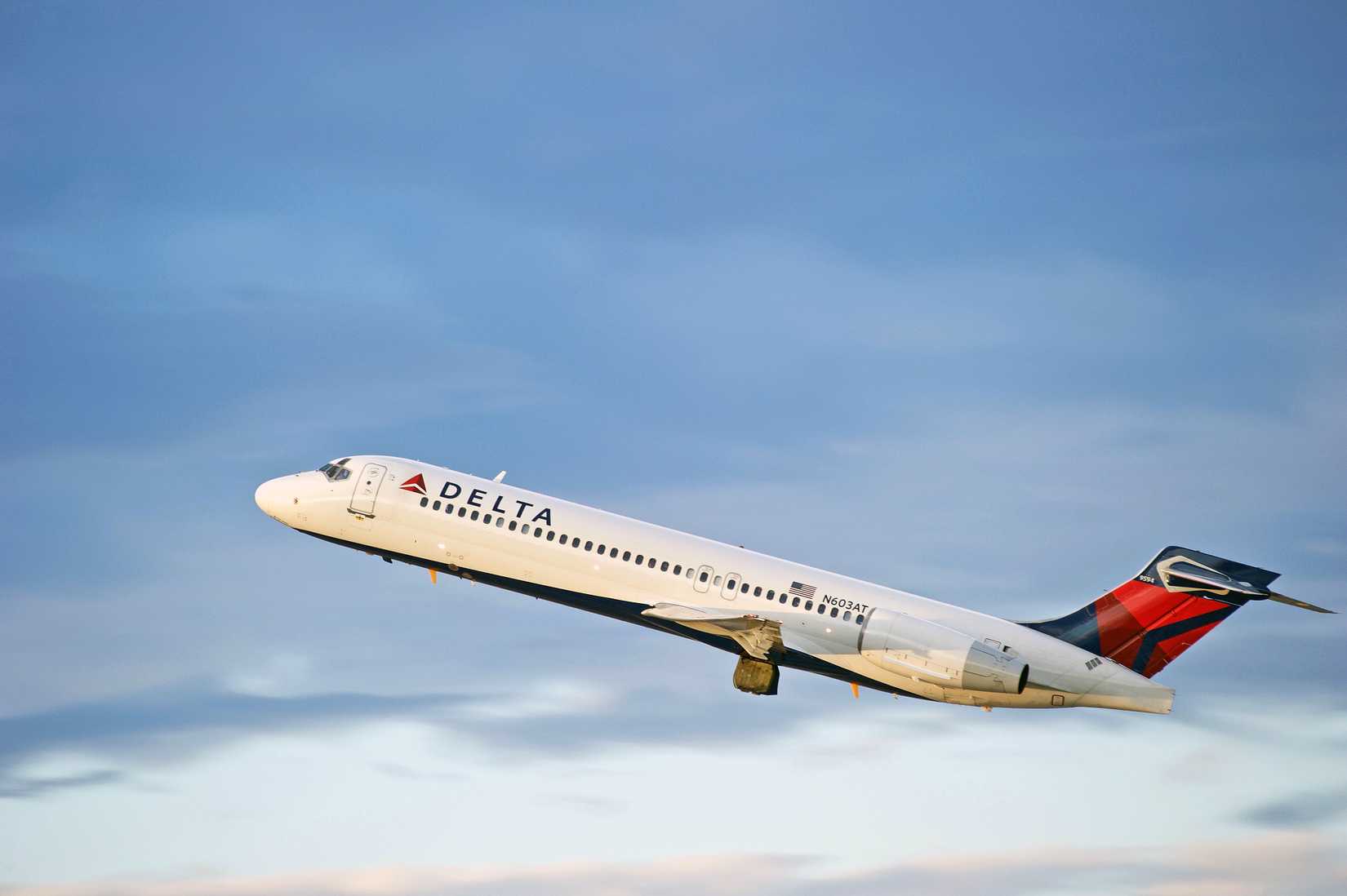
The Boeing 717 matters to Delta Air Lines because it served as the ultimate "right-sized" bridge between small regional jets and large narrowbody aircraft. By providing high-frequency, short-haul capacity with superior economics and pa...
The Boeing 717 matters to Delta Air Lines because it served as the ultimate "right-sized" bridge between small regional jets and large narrowbody aircraft. By providing high-frequency, short-haul capacity with superior economics and passenger comfort, the 717 allowed Delta to dominate key domestic markets while efficiently transitioning away from aging, less-efficient airframes.
Contents
As of 2026, the aviation industry looks back at the Boeing 717 as one of the most strategic fleet acquisitions in modern commercial flight. While many airlines chased the newest, most expensive composite aircraft, Delta Air Lines famously took a different path in the early 2010s by doubling down on the Boeing 717-200. This decision was not merely about adding seats; it was a calculated move to reshape the airline’s domestic hub-and-spoke system, improve profit margins on thin routes, and enhance the overall customer experience in a way that smaller regional jets never could.
The Strategic Masterstroke: The AirTran-Southwest Deal
The story of why the Boeing 717 is so vital to Delta begins with an opportunistic business deal that many analysts initially questioned. In 2012, Southwest Airlines acquired AirTran Airways. Southwest, which famously operates an all-Boeing 737 fleet to minimize maintenance and training complexity, found itself with 88 Boeing 717s that did not fit its long-term strategy.
Delta Air Lines saw an opening. At the time, Delta was looking to retire its aging, fuel-thirsty Douglas DC-9s and move away from the "small jet" economics of 50-seat regional aircraft like the CRJ200. Delta struck a deal to lease all 88 of AirTran’s 717s from Southwest and Boeing.
This acquisition mattered because it allowed Delta to add significant capacity without the massive capital expenditure required for brand-new aircraft. The 717s were mid-life assets—mature, reliable, and available at a fraction of the cost of a new Boeing 737-800 or Airbus A320. By taking these planes, Delta essentially created a sub-fleet that was perfectly tailored for high-frequency "shuttle" routes, such as the competitive corridors between Atlanta, Chicago, and New York.
The "Regional Jet Killer": Efficiency and Right-Sizing
For years, the U.S. domestic market was saturated with 50-seat regional jets. While these planes helped airlines reach smaller cities, passengers largely disliked them due to cramped cabins, small overhead bins, and the necessity of "gate-checking" luggage. For Delta, the Boeing 717 became the "Regional Jet Killer."
The 717 is a 110-seat aircraft. This capacity sits in the "sweet spot" of the market. It is large enough to offer a true two-class service (First Class and Main Cabin) with standard-sized overhead bins, yet small enough to be profitable on routes where a 150-seat Boeing 737 would fly half-empty.
Operational Cost Advantages
The Boeing 717’s importance is rooted in its low Cost per Available Seat Mile (CASM) on short hops. Most modern narrowbodies are designed for transcontinental flights; using them for a 45-minute flight is often inefficient because the engines and airframe are optimized for high-altitude cruise. The 717, conversely, was designed specifically for high-cycle, short-range operations. Its Rolls-Royce BR715 engines were engineered for quick turnarounds and frequent takeoffs, making it the most reliable workhorse in Delta's domestic arsenal.
Technical Specifications and the MD-95 Heritage
To understand the 717’s value, one must recognize its lineage. Although branded as a Boeing, the aircraft was originally designed by McDonnell Douglas as the MD-95. It was the final evolution of the legendary DC-9 and MD-80 family.
The 717-200 featured a modern "glass cockpit" and advanced avionics that allowed it to be operated with high precision in congested airspace. For Delta, this meant the aircraft could integrate seamlessly into modern air traffic control environments while maintaining the rugged durability of the old Douglas airframes.
| Feature | Boeing 717-200 | CRJ-900 (Regional Competitor) | Airbus A220-100 (Successor) |
|---|---|---|---|
| Typical Seating | 110 (2-Class) | 76 (2-Class) | 109 (2-Class) |
| Configuration | 2-3 (5-abreast) | 2-2 (4-abreast) | 2-3 (5-abreast) |
| Engine Type | Rolls-Royce BR715 | GE CF34-8C5 | Pratt & Whitney PW1500G |
| Max Range | 1,430 nmi | 1,550 nmi | 3,450 nmi |
| Cargo Volume | 935 cu ft | 594 cu ft | 833 cu ft |
The table above illustrates why the 717 was a significant upgrade over regional jets. With nearly double the cargo volume of a CRJ-900 and a 2-3 seating configuration that eliminated 20% of potential middle seats, the 717 offered a "mainline" feel that regional partners simply could not match.
Elevating the Passenger Experience
From a branding perspective, the Boeing 717 mattered because it allowed Delta to keep its "Mainline" promise. When a passenger books a flight on a major carrier, there is a psychological difference between boarding a small regional jet operated by a sub-contractor and boarding a mainline Boeing aircraft operated by Delta pilots and flight attendants.
The 2-3 Seating Advantage
The 717’s 2-3 seating configuration is a fan favorite. In a standard 3-3 narrowbody, one out of every three passengers is stuck in a middle seat. In the 717, only one out of every five passengers (20%) is in a middle seat. For business travelers on high-frequency routes, the increased likelihood of an aisle or window seat contributed significantly to Delta’s high Net Promoter Scores (NPS) during the aircraft's peak years.
Furthermore, the 717's engines are mounted on the rear of the fuselage rather than under the wings. This design makes the forward cabin—specifically the First Class and Comfort+ sections—incredibly quiet. By deploying the 717 on premium business routes, Delta was able to offer a superior acoustic experience compared to the noisier Boeing 737s or Airbus A320s used by competitors.
The Transition to the Airbus A220 and the 2025/2026 Retirement
By 2026, the aviation world sees the conclusion of the Boeing 717's journey at Delta. In 2020, Delta announced its intention to retire the entire 717 fleet by the end of 2025 as part of a massive fleet simplification and modernization effort triggered by changing global economic conditions.
The 717's retirement was not due to a lack of utility, but rather the arrival of the Airbus A220. The A220-100 is essentially the 21st-century version of the 717. It maintains the 2-3 seating configuration and the ~110-seat capacity but adds state-of-the-art fuel efficiency and transcontinental range.
However, the 717’s legacy is what made the A220’s success possible. The 717 proved that there was a massive, profitable market for a 100-110 seat mainline aircraft. It allowed Delta to maintain its market share in key cities while it waited for the A220 production lines to scale up. Without the 717 acting as a placeholder, Delta might have been forced to rely on expensive, less-comfortable regional jets, potentially losing loyal business travelers to competitors.
Impact on Pilot Training and Maintenance
The 717 also mattered internally for Delta’s operational infrastructure. Because the aircraft shared certain design philosophies with the MD-88 and MD-90 (which Delta operated in massive numbers until 2020), there was a level of institutional knowledge that made the 717 easy to integrate.
Delta TechOps, the airline’s maintenance division, became a world leader in maintaining the BR715 engines and the 717 airframe. This expertise not only kept Delta’s fleet running with industry-leading dispatch reliability but also created a secondary revenue stream as TechOps provided maintenance services for other global 717 operators. The aircraft wasn't just a transport vehicle; it was a component of Delta’s broader engineering and maintenance business strategy.
Summary of the Boeing 717’s Role
In the grand scheme of Delta’s history, the Boeing 717 was the right plane at the right price at the right time. Its importance can be summarized in three pillars:
- Capital Efficiency: It allowed Delta to expand its mainline fleet during a period of recovery without the debt burden of new aircraft orders.
- Market Presence: It allowed Delta to replace "unpopular" 50-seat jets with a comfortable, 110-seat mainline experience, securing dominance in high-frequency domestic markets.
- Bridge to the Future: It served as the operational blueprint for the Airbus A220, proving the 2-3 seating, 110-seat model was the future of domestic premium travel.
Frequently Asked Questions
Is Delta still flying the Boeing 717 in 2026? Following the fleet retirement plan initiated in 2020, Delta Air Lines scheduled the final phase-out of the Boeing 717 for the end of 2025. By early 2026, the aircraft has been transitioned out of active scheduled service, replaced primarily by the Airbus A220-100 and A220-300.
Why did Delta choose the Boeing 717 over more 737s? The 717 was chosen because its acquisition costs were significantly lower (due to the AirTran/Southwest lease deal) and it was better optimized for very short, high-frequency flights. A 737 is heavier and more expensive to operate on a 300-mile hop compared to the 717.
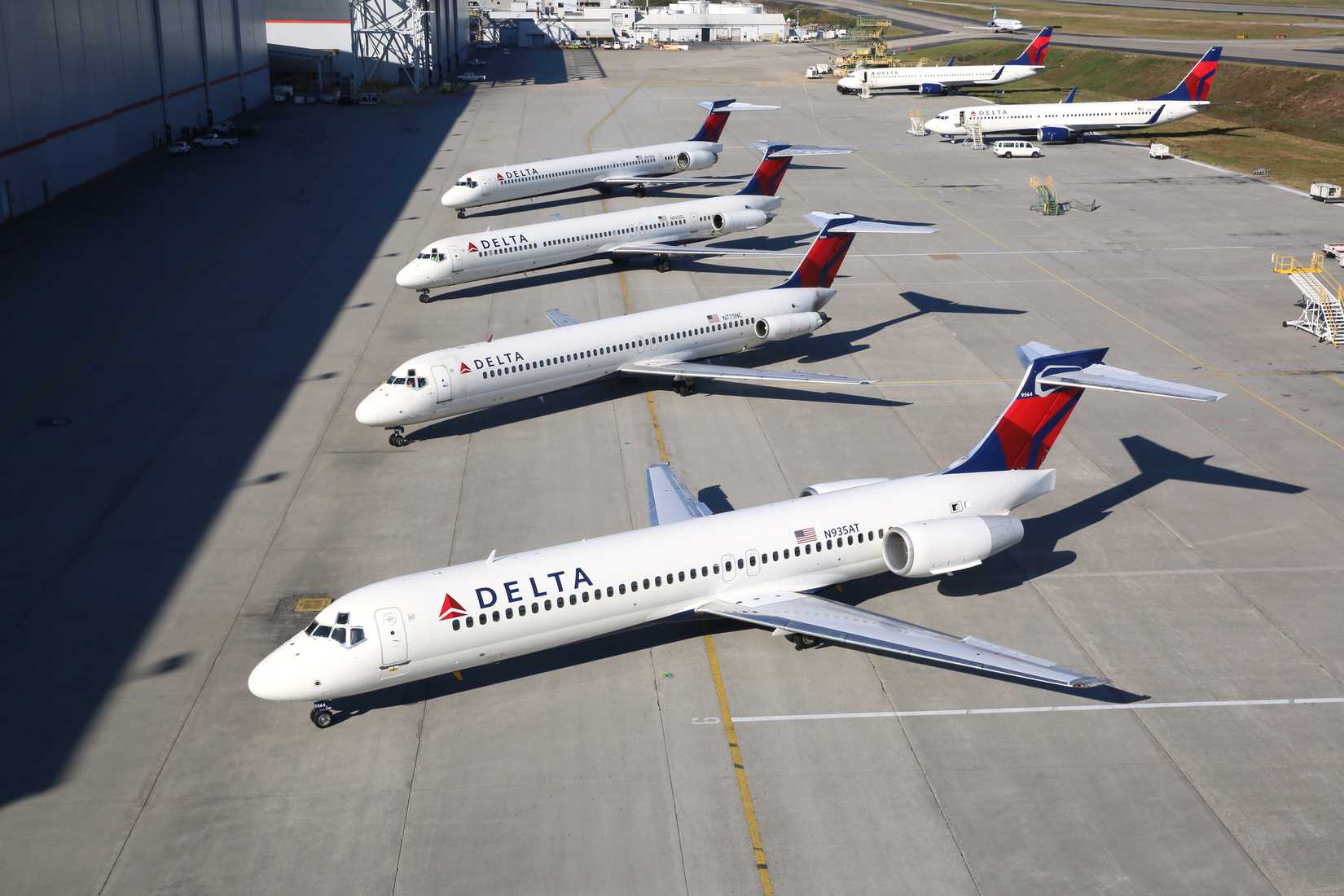
How many Boeing 717s did Delta operate? At its peak, Delta operated 91 Boeing 717-200 aircraft. This included the 88 units leased via the Southwest/AirTran deal and three additional units acquired from other sources to bolster the fleet.
What was the most common route for the Delta 717? The aircraft was a staple of the Atlanta (ATL) hub. It frequently served "short-haul" business routes to cities like Charlotte (CLT), Birmingham (BHM), Chicago (ORD), and various destinations in Florida. It was also a key player in the Delta Shuttle service in the Northeast.
Was the Boeing 717 a safe aircraft for Delta? Yes, the Boeing 717 has one of the best safety records in commercial aviation history. Throughout its service with Delta, it maintained exceptional dispatch reliability, meaning it was rarely delayed due to mechanical issues compared to older aircraft types.
Practical Recommendation for Aviation Observers
If you are analyzing Delta's current fleet strategy in 2026, look at the A220's route map. The routes that the A220 now dominates are the very same routes that the Boeing 717 "saved" for Delta a decade ago. To understand the future of "right-sized" flying, one must first study how the 717 allowed Delta to bridge the gap between the era of regional jets and the era of high-efficiency narrowbodies.
Image Gallery