Comprehensive Guide to Holland Lop Rabbit Ownership and Care
Holland Lop rabbit ownership requires a commitment to a high-fiber diet, specialized indoor housing, and regular veterinary checkups. As one of the smallest lop-eared breeds, they weigh between 2 and 4 pounds and live 7 to 12 years. Su...
Holland Lop rabbit ownership requires a commitment to a high-fiber diet, specialized indoor housing, and regular veterinary checkups. As one of the smallest lop-eared breeds, they weigh between 2 and 4 pounds and live 7 to 12 years. Successful care involves daily socialization, rabbit-proofing your home, and monitoring for common health issues like GI stasis.
Contents
Understanding the Holland Lop Breed
The Holland Lop is a dwarf rabbit breed that originated in the Netherlands during the 1950s. Developed by breeder Adriann de Cock, the breed is a cross between the French Lop and the Netherland Dwarf. The goal was to create a miniature version of the French Lop, and after several years of selective breeding, the Holland Lop was officially recognized by the Netherlands' Governing Rabbit Council in 1964 and the American Rabbit Breeders Association (ARBA) in 1979.
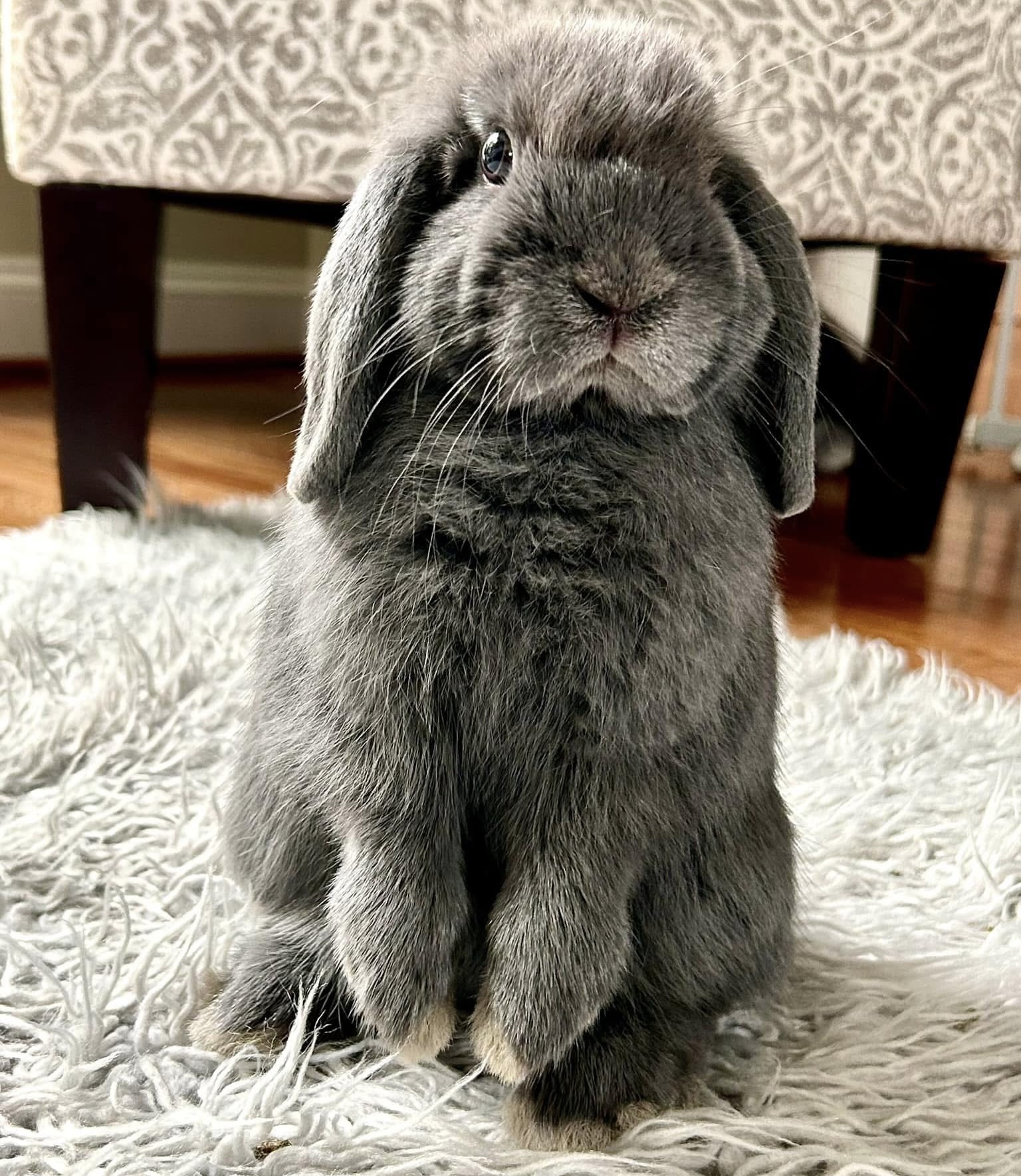
Physically, the Holland Lop is characterized by its "compact" body type. Unlike the "commercial" body type of larger rabbits, Holland Lops are short, broad, and well-muscled. Their most distinctive feature is their ears, which should hang vertically behind the eyes, and the "crown," a ridge of cartilage and fur on top of the head that helps the ears hang properly. In 2026, they remain one of the most popular house pets due to their manageable size and generally sweet, albeit energetic, temperament.
Primary Housing Requirements and Bunny-Proofing
Housing a Holland Lop requires more than a simple cage. Because these rabbits are highly active and social, they thrive in environments that allow for significant movement. The traditional "hutch" is increasingly viewed as insufficient; instead, "exercise pens" (x-pens) or dedicated "bunny-proofed" rooms are the standard for 2026.
Space Specifications
A Holland Lop enclosure should be at least four times the length of the rabbit when fully stretched out. For a typical 3-pound Holland Lop, this translates to a minimum of 8 to 12 square feet of living space, plus several hours of daily access to a larger exercise area. The flooring must be solid; wire-bottom cages cause a painful condition known as pododermatitis (sore hocks), as rabbits do not have protective pads on their feet like dogs or cats.
Indoor vs. Outdoor Housing
It is strongly recommended to keep Holland Lops indoors. They are highly susceptible to extreme temperatures, predators, and the Rabbit Hemorrhagic Disease Virus (RHDV2), which can be transmitted by biting insects or contact with contaminated outdoor materials. Indoor housing also facilitates the social interaction these rabbits crave, preventing depression and destructive behaviors.
The Art of Bunny-Proofing
Rabbits have a biological drive to chew to wear down their continuously growing teeth. Before bringing a Holland Lop home, you must secure your living space:
- Baseboards: Protect wooden baseboards with plastic guards or furniture.
- Wires: Cover all electrical cords with heavy-duty plastic tubing (split loom) or move them out of reach.
- Toxic Plants: Remove lilies, ivy, and philodendrons, which are lethal if ingested.
- Flooring: Use low-pile rugs or foam mats to provide traction, as rabbits often struggle to run on slippery hardwood or tile.
Nutritional Foundations for Long-Term Health
The digestive system of a Holland Lop is specialized for processing high-fiber plant material. Any deviation from a fiber-heavy diet can lead to rapid health decline.
The 80/20 Rule
At least 80% of a Holland Lop's diet must consist of high-quality grass hay, such as Timothy, Orchard, or Meadow hay. Hay provides the necessary indigestible fiber to keep the gastrointestinal (GI) tract moving and the abrasive texture required to grind down their teeth.
The remaining 20% should be a combination of:
- Leafy Greens: Daily servings of romaine lettuce, cilantro, parsley, and kale provide essential vitamins and hydration. Avoid iceberg lettuce, as it contains lactucarium, which can be toxic in large amounts and offers zero nutritional value.
- Pellets: Provide 1/8 to 1/4 cup of high-fiber, Timothy-based pellets per day. Avoid "muesli" mixes that contain seeds, corn, or colorful bits, as these encourage selective eating and obesity.
- Water: Fresh, clean water must be available 2026-style via a heavy ceramic bowl rather than a drip bottle. Bowls encourage higher water intake, which is critical for preventing bladder sludge and kidney issues.
Treats and Forbidden Foods
Treats like carrots and fruit (apples, berries) should be limited to no more than one teaspoon per day due to their high sugar content. Sugars can disrupt the delicate cecal fermentation process, leading to bloating or diarrhea. Never feed a rabbit chocolate, caffeine, onions, garlic, or human snack foods.
Essential Health Monitoring and Veterinary Care
Holland Lops are "prey animals," meaning they are evolutionarily programmed to hide signs of illness or pain. Owners must be vigilant in monitoring daily habits.
Common Medical Concerns
- GI Stasis: This is a life-threatening condition where the digestive system slows down or stops. If a Holland Lop stops eating or producing droppings for more than 6-12 hours, it is a medical emergency.
- Dental Disease: Because their teeth grow continuously, malocclusion (misalignment) can lead to painful spurs that cut into the cheeks or tongue. Regular dental checks are vital.
- Ear Infections: Due to their lopped ears, this breed is more prone to otitis media (middle ear infections) than upright-eared breeds. Debris and moisture can trap bacteria in the canal.
Preventive Medicine in 2026
In 2026, the RHDV2 vaccine is a standard requirement for pet rabbits in most regions, including the United States and Europe. This virus is highly contagious and nearly 100% fatal. Annual boosters are necessary to maintain immunity. Additionally, spaying or neutering your Holland Lop is essential. Beyond preventing unwanted litters, it significantly reduces the risk of uterine cancer in females (which affects up to 80% of unspayed females over age 4) and decreases aggressive or territorial behaviors in both sexes.
Grooming and Physical Maintenance
Despite their short fur, Holland Lops require regular grooming. They undergo a heavy "molt" (shedding cycle) approximately four times a year.
- Brushing: During molting periods, daily brushing is required to prevent the rabbit from ingesting loose fur. Unlike cats, rabbits cannot vomit, and ingested fur can contribute to GI blockages.
- Nail Trimming: Nails should be trimmed every 4 to 6 weeks. Long nails can snag on carpets or cause the rabbit’s weight to shift backward, leading to skeletal issues.
- No Bathing: Never submerge a Holland Lop in water. The stress of a bath can induce heart failure, and their dense fur takes hours to dry, risking hypothermia or skin infections. Use a damp cloth for spot cleaning if necessary.
Behavioral Traits and Socialization
Holland Lops are known for their "dog-like" personalities. They are often curious and can be trained to recognize their names or perform simple tricks using positive reinforcement.
The Social Aspect
Rabbits are colonial animals. While a Holland Lop can live alone if their human provides several hours of interaction daily, they are happiest when paired with another neutered rabbit. The process of "bonding" two rabbits can be intensive but results in a significantly higher quality of life for the animals.
Understanding Body Language
- Binky: A high jump and twist in the air, signifying pure joy.
- Thumping: Hitting the ground with back legs to signal danger or displeasure.
- Purring: A soft tooth-grinding sound that indicates contentment (usually during petting).
- Flattening: Pressing their body against the floor, which can indicate either relaxation or extreme fear depending on the context.
Cost of Ownership Analysis
Owning a Holland Lop is a long-term financial commitment. The following table outlines the estimated costs associated with high-standard care in 2026.
| Category | Item/Service | Initial Cost (Estimated) | Recurring Annual Cost |
|---|---|---|---|
| Acquisition | Rescue Adoption or Reputable Breeder | $50 – $250 | N/A |
| Habitat | Large X-Pen, Litter Box, Flooring | $150 – $400 | $50 (Replacements) |
| Medical | Spay/Neuter Surgery | $250 – $600 | N/A |
| Health | Annual Exam & RHDV2 Vaccine | N/A | $200 – $450 |
| Nutrition | Bulk Hay, Pellets, Fresh Greens | N/A | $600 – $900 |
| Misc | Toys, Chews, Grooming Tools | $50 | $120 |
| Total | $500 – $1,300 | $970 – $1,520 |
Frequently Asked Questions
Can Holland Lop rabbits be litter trained?
Yes, Holland Lops are naturally inclined to use one corner for their business. By placing a litter box in that preferred corner and filling it with rabbit-safe litter (such as recycled paper pellets) and a layer of hay, most can be fully house-trained. Spaying or neutering significantly increases the success rate by removing hormonal urges to mark territory.
Are Holland Lops good pets for young children?
Holland Lops are often better suited for adults or older children. Because they are fragile prey animals, they can be easily injured by improper handling or loud noises. Most rabbits prefer to keep their feet on the ground and may bite or kick if they feel insecure while being held. Children must be taught to interact with them at the rabbit's level—on the floor.
How do I know if my Holland Lop is in pain?
Signs of pain include a "hunched" posture, squinted eyes, grinding teeth loudly (distinct from soft contentment grinding), and a refusal to move or eat. Since rabbits hide pain well, any subtle change in behavior should be treated as a potential health issue and discussed with a rabbit-savvy veterinarian.
Do Holland Lops smell?
Rabbits themselves are very clean and have no natural body odor. Any smell is typically the result of an uncleaned litter box. Cleaning the litter box every 1-2 days and using absorbent, paper-based bedding will keep the home smelling fresh.
Can Holland Lops live with dogs or cats?
It is possible, but it requires extreme caution and constant supervision. Predatory instincts in dogs and cats can be triggered by a rabbit’s quick movements. Only "cat-safe" and "dog-safe" rabbits should be introduced, and they should never be left alone together, regardless of how well they seem to get along.
Final Recommendation for Prospective Owners
Before acquiring a Holland Lop, ensure you have located an "exotic animal" veterinarian in your area, as standard cat and dog vets often lack the specialized training required for lagomorphs. Focus on establishing a consistent routine of hay-based feeding and daily floor time. If you are prepared for a 10-year commitment and a pet that requires as much attention as a dog, the Holland Lop is a rewarding, intelligent companion that brings immense character to a household.
Image Gallery