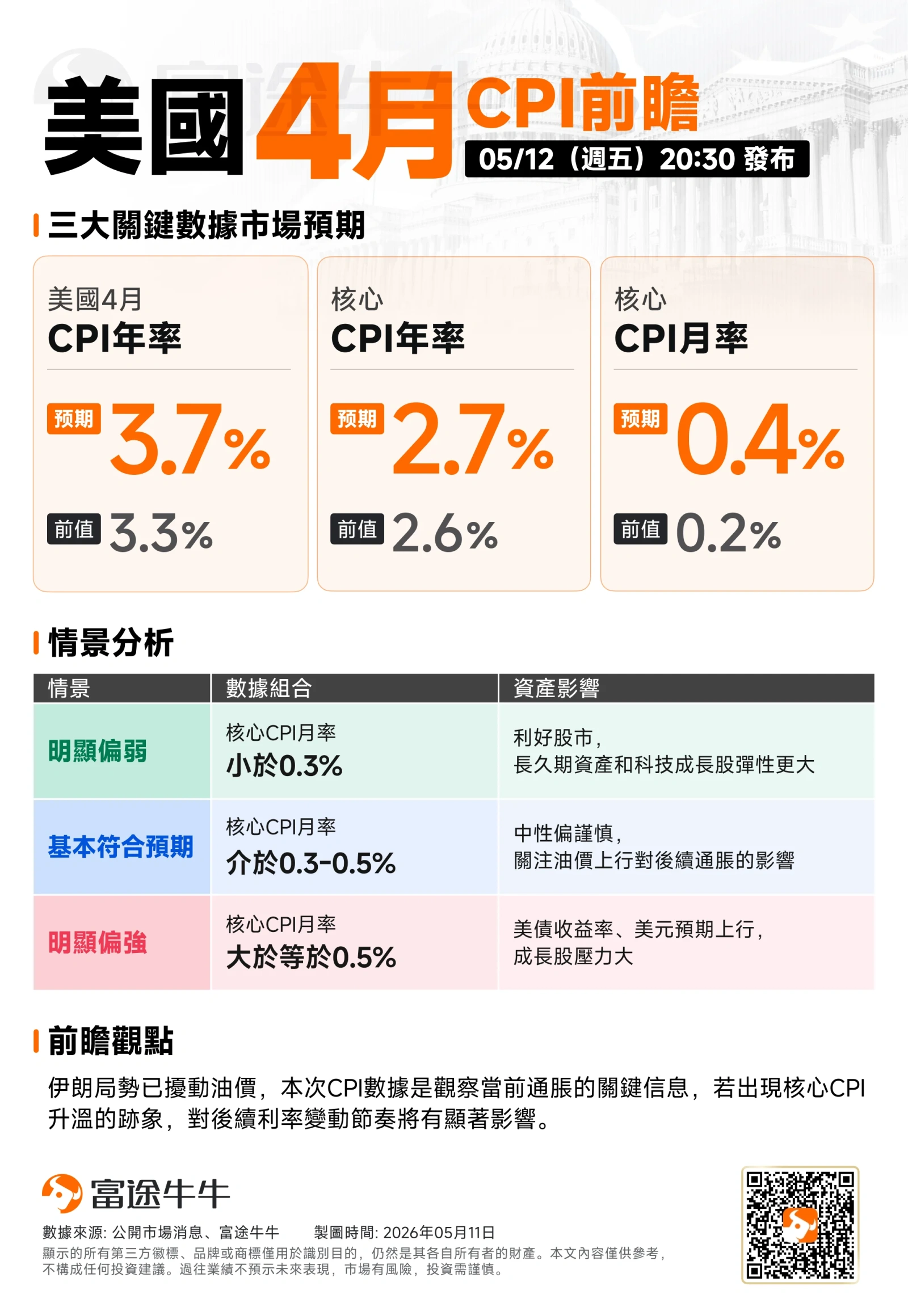
Understanding the CPI Release Time Today: Schedule, Mechanics, and Market Impact
The Consumer Price Index (CPI) report is typically published by the Bureau of Labor Statistics (BLS) at 8:30 AM Eastern Time on a designated release day each month. This precise scheduling allows investors, economists, and policymakers...
The Consumer Price Index (CPI) report is typically published by the Bureau of Labor Statistics (BLS) at 8:30 AM Eastern Time on a designated release day each month. This precise scheduling allows investors, economists, and policymakers to process macroeconomic data before major financial exchanges open.
Contents
Navigating the financial markets requires precise timing, particularly when critical macroeconomic data points are about to drop. Among all economic indicators, the Consumer Price Index (CPI) holds a unique sway over global markets, influencing everything from short-term Treasury yields to long-term equity valuations. For traders, corporate treasurers, and casual investors alike, knowing the exact CPI release time today is vital for risk management and positioning strategies. Understanding why this schedule exists, how the data is handled before publication, and what happens the moment the numbers go live helps market participants avoid costly volatility traps.
The Official Schedule: When the CPI Data Drops
The Bureau of Labor Statistics (BLS), a principal fact-finding agency for the federal government in the U.S. Department of Labor, maintains a strict publishing calendar. For virtually all standard monthly CPI releases, the official publication time is 8:30 AM Eastern Time (ET).
Because the United States spans multiple time zones and observes daylight saving time adjustments, keeping track of the local clock is essential:
- Eastern Time (ET): 8:30 AM
- Central Time (CT): 7:30 AM
- Mountain Time (MT): 6:30 AM
- Pacific Time (PT): 5:30 AM
The BLS releases its schedule up to a year in advance, providing the exact dates for each month's publication. While the hour and minute rarely change, checking the official BLS release calendar ensures you account for any rare administrative adjustments or federal holiday shifts that might push a publication date by a day.
Why 8:30 AM Eastern? The Mechanics of Market Preparedness
The choice of 8:30 AM Eastern Time is not arbitrary. It represents a carefully calibrated compromise between government transparency and orderly market operations.
When the BLS compiles the vast array of price data collected from thousands of retail establishments, service providers, and housing units across the country, it imposes a strict embargo. Federal employees and designated officials handle the data under secure conditions. Releasing the report precisely one hour before the New York Stock Exchange (NYSE) and NASDAQ open their regular trading sessions at 9:30 AM ET gives the financial community a structured window to digest the numbers.
This 60-minute window serves several critical functions:
- Price Discovery: Institutional desks, algorithmic traders, and financial journalists read through the headline inflation figures, core CPI (excluding volatile food and energy), shelter components, and commodity breakdowns.
- Volatility Mitigation: Without this buffer, dropping multi-billion-dollar market-moving data right at the opening bell would trigger instantaneous, chaotic gaps in stock prices, options pricing, and bond yields.
- Global Synchronization: While European markets are already hours into their trading day by 8:30 AM ET, Asian markets are typically closed, ensuring that the global financial system absorbs the North American inflation pulse in a relatively orderly sequence.
The Lockup Period and Press Procedures
Before the public release time, accredited media outlets and authorized government personnel participate in what is known as a "lockup" or embargoed press room.
During this restricted period, reporters are given access to the comprehensive CPI report text and data tables in a secure, internet-disconnected environment. This allows journalists to draft their analytical stories, double-check percentage changes, and prepare their broadcasts or digital alerts so they can hit "publish" or go live the exact second the embargo lifts at 8:30:00 AM ET.
Any violation of this embargo—such as transmitting data electronically before the official time—carries severe legal and institutional penalties. High-frequency trading firms and proprietary trading desks also invest heavily in low-latency infrastructure to capture the public feed the microsecond it hits the BLS website or secure distribution feeds, leading to immediate algorithmic reactions in interest rate futures and foreign exchange markets.
| Time (ET) | Market & Media Activity | Operational Focus |
|---|---|---|
| 8:00 AM – 8:29 AM | Embargoed lockup; reporters and algorithms prep. | Data review without external communication. |
| 8:30:00 AM | Official BLS publication on website and feeds. | Instantaneous algorithmic execution; news flashes. |
| 8:30 AM – 9:29 AM | Pre-market adjustments; futures volatility spike. | Portfolio rebalancing; options repositioning. |
| 9:30:00 AM | Regular equity market opening bell. | Cash equities trading reflects digested CPI consensus. |
How to Access the CPI Data Immediately
When the clock strikes 8:30 AM Eastern Time, several official and secondary channels update simultaneously. Relying on verified primary sources ensures you avoid delayed secondary aggregators or speculative social media summaries.
1. The Bureau of Labor Statistics Website
The primary and most authoritative source is the official U.S. Bureau of Labor Statistics portal. Navigate to the Consumer Price Index section or the latest news releases page. The main PDF report, detailed statistical tables, and time-series data via the BLS Data Finder populate immediately at release time.
2. Direct Feed Providers and Financial Terminals
Professional traders utilize institutional financial terminals such as Bloomberg, Refinitiv Eikon, or direct feed providers. These platforms ingest the BLS data feeds programmatically, formatting the headline year-over-year (YoY) and month-over-month (MoM) figures into real-time analytical widgets.
3. Reputable Financial News Agencies
For summarized interpretations, major financial journalism outlets like Reuters, The Wall Street Journal, and Bloomberg provide instant wire reports breaking down whether the print came in above, below, or in-line with consensus economist forecasts.
Interpreting the Data: What to Look For Right Away
Knowing the release time is only half the battle; understanding what metrics matter most prevents misinterpretation during the initial market scramble. When you review the CPI report immediately after publication, focus on these core components:
- Headline CPI (MoM and YoY): Measures the total change in the cost of a basket of consumer goods and services. Month-over-month figures show immediate short-term momentum, while year-over-year figures provide the broader annual trend.
- Core CPI (MoM and YoY): Excludes volatile food and energy prices. Central bankers, particularly at the Federal Reserve, pay closer attention to Core CPI because it offers a clearer view of underlying, persistent inflationary pressures.
- Shelter and Housing Costs: Historically the largest single component of the services sector within the CPI basket. Analysts instantly check shelter inflation to see if housing costs are cooling or continuing to drive sticky inflation.
- Consensus Comparison: Markets do not just react to the absolute number; they react to the deviation from consensus expectations. A headline inflation rate that drops to 3.0% can cause a stock market rally if economists expected 3.2%, or a sell-off if economists expected 2.8%.
Frequently Asked Questions About the CPI Release
What time is the CPI released today?
The Consumer Price Index is released at 8:30 AM Eastern Time (7:30 AM Central, 6:30 AM Mountain, 5:30 AM Pacific) on its scheduled publishing days. Always verify the specific calendar date against the official BLS schedule.
Where can I view the CPI report the second it comes out?
The official data is published directly on the Bureau of Labor Statistics website (bls.gov). Major financial news networks and terminal services also ingest the data instantly upon release.
Why does the BLS release the data before the stock market opens?
The 8:30 AM ET release time provides a mandatory 60-minute buffer before the New York Stock Exchange opens at 9:30 AM ET. This window prevents erratic opening price gaps by allowing institutional investors and algorithms time to digest the report.
What happens if the CPI report comes in higher than expected?
Higher-than-expected inflation typically causes bond yields to rise, stock index futures to drop, and the U.S. dollar to strengthen as traders price in the likelihood of tighter monetary policy or delayed interest rate cuts by the Federal Reserve.
Are there any fees to access the raw CPI data?
No. The Bureau of Labor Statistics is a federal government agency, and all of its economic release reports, tables, and historical datasets are entirely free to access for the public.
Final Recommendations for Market Participants
If you are tracking the CPI release today, ensure your web browser is prepared to hard-refresh the BLS news page right at 8:30 AM ET, or rely on a real-time financial terminal feed. Avoid trading solely on initial headline flashes without reviewing the underlying core and shelter metrics, as algorithmic overreactions frequently correct within the first ten to fifteen minutes of trading. Maintain strict risk management protocols, as market spreads widen significantly during the moments immediately following the release.
Image Gallery