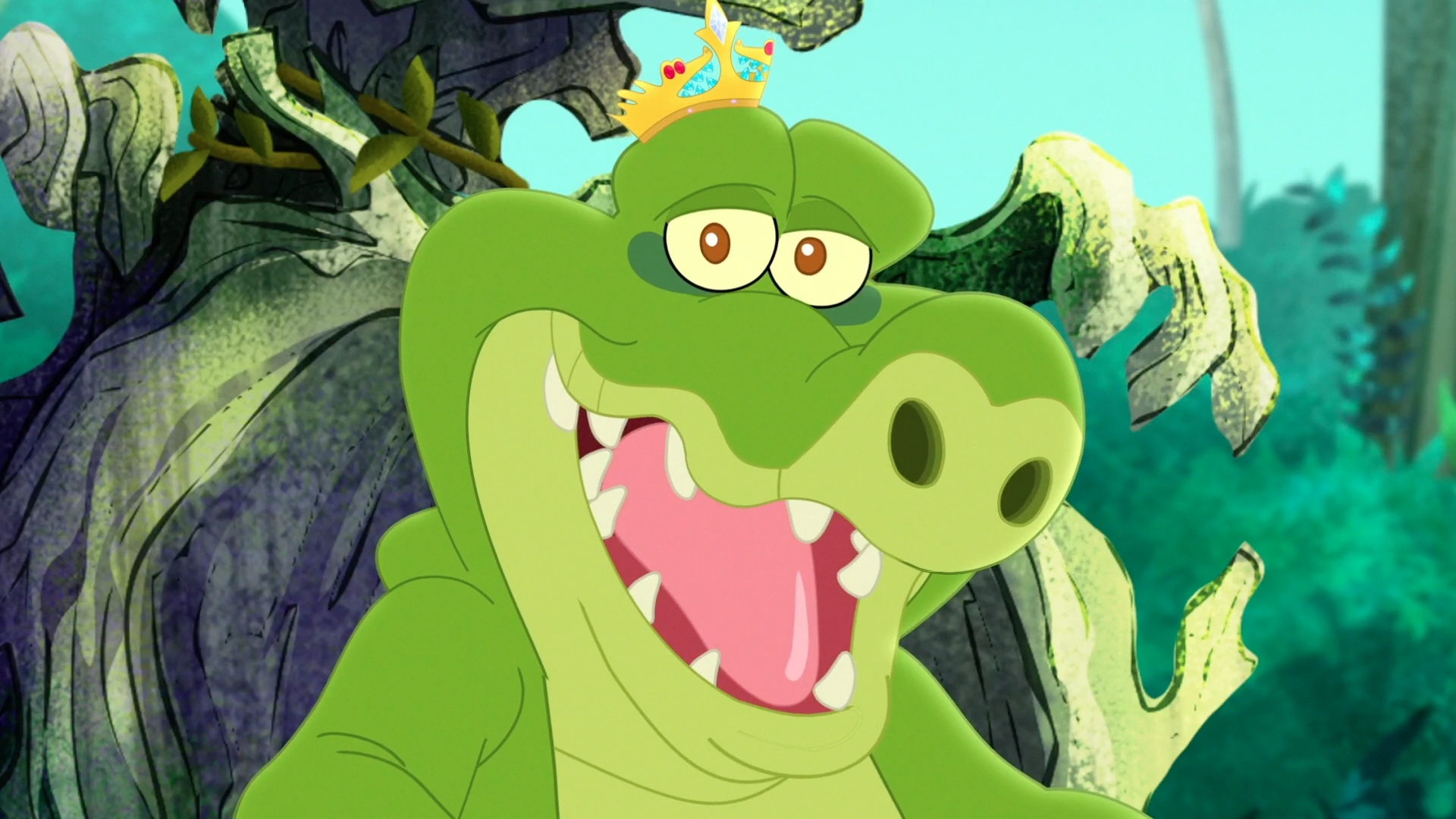
Tick-Tock the Crocodile in Disney History: Evolution of a Classic Character
Tick-Tock the Crocodile is a beloved Disney character whose cinematic lineage spans nearly a century, evolving from J.M. Barrie’s original literary creation into a distinct slapstick and musical icon of animation, theme parks, and mode...
Tick-Tock the Crocodile is a beloved Disney character whose cinematic lineage spans nearly a century, evolving from J.M. Barrie’s original literary creation into a distinct slapstick and musical icon of animation, theme parks, and modern cinematic adaptations.
Contents
The Literary and Pre-Disney Origins
To understand the trajectory of Tick-Tock the Crocodile in Disney history, one must examine J.M. Barrie’s foundational 1904 play, Peter Pan; or, The Boy Who Wouldn't Grow Up, and its subsequent 1911 novelization, Peter and Wendy. In Barrie's original work, the crocodile is a menacing yet darkly comedic creature that swallows an alarm clock after Captain Hook's crew feeds it to him. The ticking clock serves as a perpetual warning system for Hook, announcing the predator's approach and preventing the pirate from living in total peace.
Barrie did not give the reptile a formal name like "Tick-Tock"; the character was simply referred to as the crocodile who swallowed the clock. Early stage productions of Peter Pan utilized various mechanical and theatrical methods to portray the beast, ranging from elaborate two-person costumes to shadowy silhouettes accompanied by the sound of a ticking metronome or pocket watch.
Walt Disney’s fascination with J.M. Barrie’s fairy tale began long before the 1953 animated film release. As a young boy in Missouri, Disney played the role of Peter Pan in a school production, an experience that left a lasting impression on him. When the Walt Disney Studio secured the rights to Barrie's work in the late 1930s and began active development in the post-World War II era, the artists and animators faced the challenge of translating the theatrical crocodile into a dynamic, character-driven animated presence.
Animation Development and the 1953 Masterpiece
In Walt Disney’s 1953 animated feature Peter Pan, Tick-Tock the Crocodile underwent a significant transformation under the guidance of the legendary Disney animators, often referred to as Disney's Nine Old Men. Supervising animators such as Wolfgang Reitherman and Norm Ferguson played pivotal roles in shaping the crocodile's personality, movements, and comedic timing.
Unlike the relentless, terrifying predator of Barrie’s novel, the Disney version of Tick-Tock balances menace with broad physical comedy. The character is portrayed as having an almost playful obsession with Captain Hook, pursuing the pirate with the steady rhythm of a wind-up clock. This dynamic created a classic cartoon foil relationship: Hook is high-strung, dramatic, and perpetually terrified, while Tick-Tock is calm, methodical, and completely oblivious to the panic he causes.
| Feature / Attribute | J.M. Barrie's Original (1904/1911) | Disney Animated Film (1953) |
|---|---|---|
| Character Name | The Crocodile | Tick-Tock the Crocodile |
| Primary Role | Menacing literary antagonist and ticking warning device | Comedic foil to Captain Hook and visual gag catalyst |
| Animation Style | Stagecraft / Mechanical props | Hand-drawn cel animation with distinct personality |
| Musical Motif | Simple ticking sound | Signature brassy, ragtime-inspired brass cues |
The audio design for Tick-Tock is equally iconic. Rather than a standard ticking sound, the animators and sound effects department paired the character’s heavy, lumbering steps and snapping jaws with a distinct brassy musical cue composed by Oliver Wallace, complemented by the literal sound of a ticking clock. This auditory signature became instantly recognizable, signaling to the audience—and to Captain Hook—that danger was just around the corner.
Evolution Across Disney Media and Theme Parks
Following the success of the 1953 animated feature, Tick-Tock the Crocodile transitioned from silver-screen animation into the physical spaces of Walt Disney's growing empire. Theme park designers recognized the character's instant visual appeal and incorporated Tick-Tock into dark rides, stage shows, and parade floats across global Disney resorts.
In Disneyland Park (Anaheim), the character became a permanent fixture of the classic Peter Pan's Flight dark ride, where riders glide past miniature tableaus of the crocodile snapping at Captain Hook's heels. Similarly, Tick-Tock figures appeared in outdoor environments, most notably along the banks of the Rivers of America, where mechanical audio-animatronic versions would periodically emerge from the water to amuse passing passengers on the Mark Twain Riverboat and the Sailing Ship Columbia.
Over the decades, Tick-Tock has made cameo appearances and starring roles across various television series and direct-to-video features. From Rawhide era shorts to appearances in House of Mouse and the computer-animated preschool series Jake and the Never Land Pirates, the character has adapted to shifting animation styles while retaining core behavioral traits established in 1953.
Modern Adaptations and Live-Action Portrayals
In recent years, Disney's strategy of reimagining its animated classics in live-action and photorealistic CGI brought new dimensions to Tick-Tock the Crocodile. In the 2023 live-action film Peter Pan & Wendy, directed by David Lowery, the visual depiction of the crocodile shifted away from traditional cartoon aesthetics toward a more naturalistic, menacing scale.
Despite technological advancements that allow for hyper-detailed scales, amber reptile eyes, and realistic water physics, the fundamental narrative purpose of Tick-Tock remains unchanged. The creature bridges the gap between childhood fantasy and timeless suspense, proving that even a fearsome reptile with a swallowed timepiece can capture the imagination of multiple generations.
Frequently Asked Questions
Why does Tick-Tock the Crocodile swallow a clock?
In both the original literature and Disney adaptations, the crocodile swallows a clock because Captain Hook and his crew previously fed it to him as part of an attempt to trick or harm the animal. Instead of destroying the beast, the clock remained inside its stomach, creating a permanent ticking sound that warns Captain Hook of its approach.
Is Tick-Tock a male or female crocodile in Disney history?
In the 1953 animated film, Tick-Tock is generally referred to with masculine pronouns by Captain Hook and Mr. Smee, though the character does not speak and communicates entirely through physical acting, sound effects, and musical cues.
Does Tick-Tock the Crocodile appear in all Peter Pan adaptations?
While Tick-Tock is a central fixture of Disney’s animated and theme park iterations, some theatrical stage productions and alternate cinematic adaptations choose to minimize or omit the physical appearance of the crocodile, relying solely on the sound of a ticking pocket watch to represent the threat.
Where can visitors see Tick-Tock the Crocodile in Disney theme parks today?
Tick-Tock can be found primarily within Peter Pan's Flight dark rides located in Disney resorts worldwide, as well as on various seasonal parade floats and historical landscape installations along park waterways.
Conclusion and Next Actions
Tick-Tock the Crocodile stands as a testament to the enduring power of classic character design within the Walt Disney Company. By bridging the gap between J.M. Barrie's Victorian stagecraft and mid-century studio animation, the character has secured a permanent legacy in popular culture. For researchers, animation enthusiasts, and park visitors interested in further exploring this history, examining the original 1953 production archives and studying the evolution of Disney's animal sidekicks provides a comprehensive view of how timeless characters are crafted and preserved.
Image Gallery