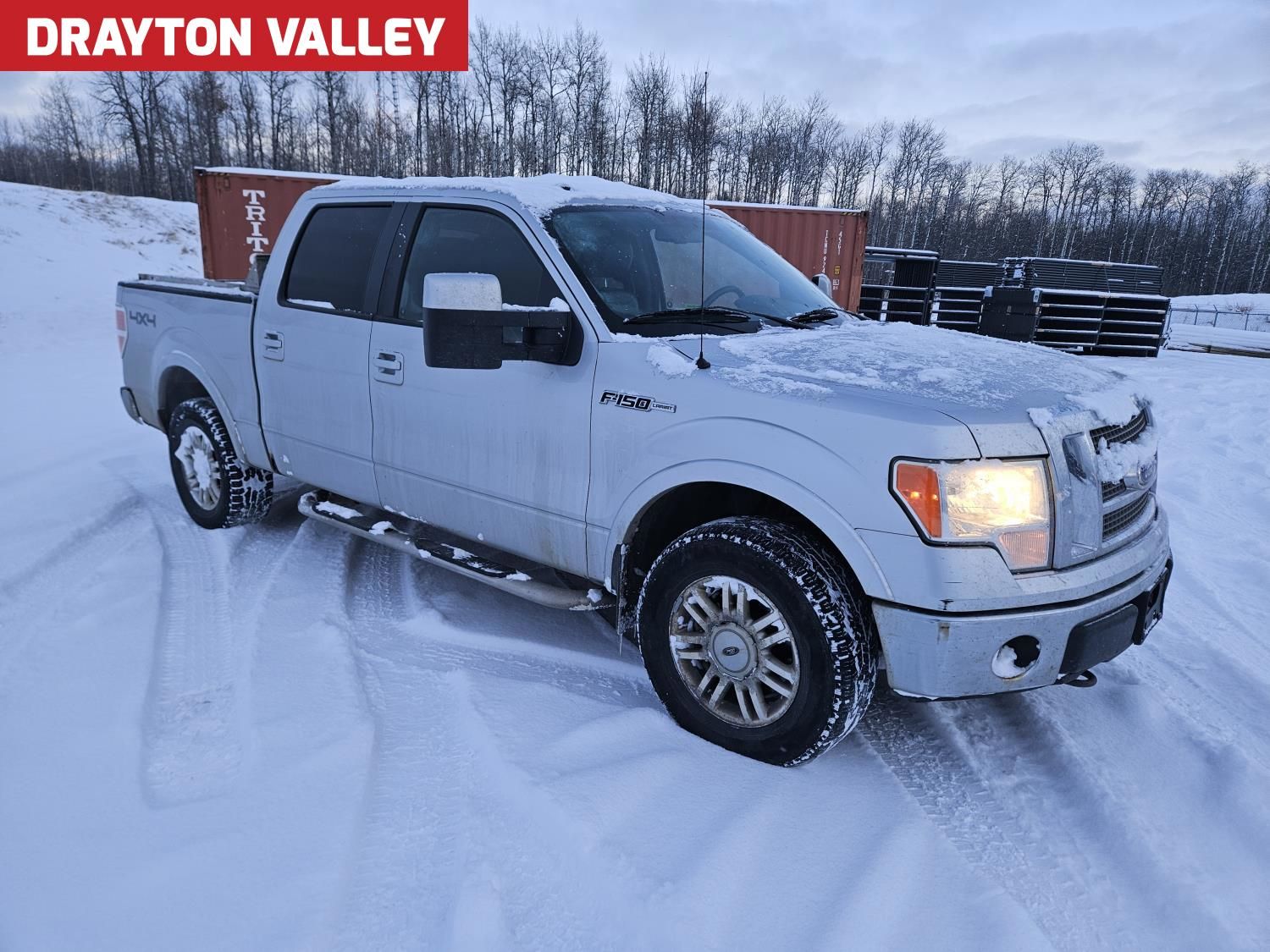
Understanding the 2010 Ford F150 Lariat Problems: A Complete Reliability Guide
The 2010 Ford F150 Lariat is a prominent used truck choice, but it carries specific mechanical risks, including cam phaser failure in the 5.4L V8 engine, transmission lead frame malfunctions, and vacuum-operated 4WD hub issues. Address...
The 2010 Ford F150 Lariat is a prominent used truck choice, but it carries specific mechanical risks, including cam phaser failure in the 5.4L V8 engine, transmission lead frame malfunctions, and vacuum-operated 4WD hub issues. Addressing these concerns requires proactive maintenance of the timing system and monitoring for "limp mode" shifting symptoms.
Contents
The 2010 Ford F150 represents a pivotal year for the twelfth-generation F-Series. While the Lariat trim offered a significant jump in luxury—including leather-trimmed seats, dual-zone climate control, and the then-novel SYNC infotainment system—the mechanical underpinnings of this era are subject to well-documented vulnerabilities. As of 2026, many of these vehicles have exceeded 150,000 miles, making it essential for current owners and prospective buyers to distinguish between routine wear and the systemic failures that define this specific model year.
The 5.4L Triton V8 Engine: Cam Phasers and Timing Issues
The most significant area of concern for the 2010 Lariat is the 5.4L Triton 3-valve V8 engine. While this engine provides ample towing capacity and smooth power delivery when healthy, it is notorious for oil-pressure-related failures in the valve train.
The Infamous Cam Phaser "Tick"
The cam phasers are part of the Variable Cam Timing (VCT) system. They rely on consistent oil pressure to adjust the timing of the engine. Over time, the internal vanes of the phaser can wear out, or the VCT solenoids can become clogged with sludge. This results in a rhythmic "ticking" or "knocking" sound, especially once the engine has reached operating temperature and the oil has thinned. If left unaddressed, the phaser can fail completely, leading to a "rough idle" that feels like the engine is about to stall at stoplights.
Timing Chain Tensioners and Guides
Compounding the cam phaser issue is the failure of the timing chain tensioners. The 2010 model uses plastic-bodied tensioners with a rubber gasket. When this gasket blows out, oil pressure drops within the timing system. Without adequate tension, the timing chain begins to slap against the plastic guides, eventually shattering them. These plastic shards can then fall into the oil pan, clogging the oil pickup screen and leading to catastrophic engine starvation. For a 2010 Lariat owner in 2026, a full "timing job"—which includes phasers, chains, guides, and high-volume oil pumps—is a common and expensive reality, often costing between $2,500 and $4,000.
Transmission Vulnerabilities: The 6R80 Lead Frame
The 2010 F150 utilizes the 6R80 six-speed automatic transmission. Generally, this transmission is considered one of Ford's more robust units, but the 2010-2012 production years suffered from a specific electronic defect involving the molded lead frame.
Unintended Downshifting and Limp Mode
The lead frame is an internal component that houses the output shaft speed sensor. When this sensor fails or suffers from intermittent electrical interference (often caused by bridge-rectifier debris in the transmission fluid), the vehicle's computer can lose track of the truck's speed. This may cause the transmission to suddenly downshift into first gear while at highway speeds, which can cause the rear tires to lock up.
Ford issued recalls and extended warranties for this issue (specifically Supplement 1 to Safety Recall 19S07), though many 2010 models may now be outside the coverage window in 2026. Symptoms of a failing lead frame include:
- The speedometer dropping to zero while driving.
- The "wrench" icon appearing on the dashboard.
- The transmission getting "stuck" in a single gear (Limp Mode).
4WD System Failures: The Integrated Wheel End (IWE)
For Lariat owners with four-wheel drive, the Integrated Wheel End (IWE) system is a frequent source of frustration. Unlike older trucks with manual locking hubs, the 2010 F150 uses a vacuum-actuated system to engage and disengage the front hubs.
The Grinding Noise
The system is designed to use vacuum pressure to disengage the hubs when the truck is in 2WD. When you switch to 4WD, the vacuum is released, and internal springs engage the hubs. If there is a leak in the vacuum lines, a failing check valve, or a cracked IWE actuator, the vacuum becomes insufficient to hold the hubs open. This results in a terrifying "marbles in a blender" grinding sound as the hub teeth partially engage while the vehicle is moving.
Persistent grinding will eventually round off the teeth on the hubs and the CV axles, necessitating a full replacement of the actuators and potentially the wheel bearings. Checking the vacuum solenoid and the plastic check valves near the fire-wall is a vital first step in troubleshooting this 2010-specific problem.
Body and Electrical Concerns in the Lariat Trim
The Lariat trim was the "luxury" workhorse of 2010, meaning it is packed with more electronic features than the XL or XLT trims. However, these features have shown specific patterns of failure over the last 16 years.
Rear Window Defroster and Shattering Glass
A particularly dangerous issue found in 2010 F150s equipped with the power-sliding rear window is the tendency for the glass to shatter when the defroster is activated. The heating elements can overheat at the contact points, causing the tempered glass to explode. Many owners choose to pull the fuse for the rear defroster or simply never use it to avoid the high cost of replacing the entire rear window assembly.
Third Brake Light Leaks
The gasket on the high-mount third brake light (located above the rear cab window) is a known failure point. When the seal degrades, rainwater leaks into the cab, often soaking the headliner and potentially damaging the Satellite Radio module or the Fuse Box (Smart Junction Box) located in the passenger footwell. If you notice a musty smell or damp carpets in your 2010 Lariat, the third brake light seal is the first place to inspect.
Comparative Summary of 2010 F150 Lariat Issues
The following table outlines the most common problems, their primary symptoms, and the estimated repair costs as of 2026.
| Component | Common Problem | Primary Symptom | Estimated Repair Cost (2026) |
|---|---|---|---|
| 5.4L V8 Engine | Cam Phaser / Timing Failure | Rhythmic ticking, rough idle when warm | $2,500 – $4,200 |
| Transmission | Molded Lead Frame Failure | Sudden downshifting, "Wrench" light | $700 – $1,200 |
| 4WD System | IWE Vacuum Leak | Metallic grinding noise from front wheels | $200 – $600 |
| Exterior | Third Brake Light Leak | Wet headliner, stained upholstery | $50 – $100 (DIY) |
| Rear Glass | Defroster Overheating | Shattered or exploded rear window | $800 – $1,100 |
| Brake System | Master Cylinder Leak | "Soft" brake pedal, losing fluid | $400 – $600 |
Expert Maintenance Recommendations
To maximize the lifespan of a 2010 Ford F150 Lariat, owners must go beyond the standard "oil change every 7,500 miles" recommendation. Because the 5.4L Triton is so sensitive to oil pressure, using a high-quality full synthetic oil with a high-viscosity index is critical. Many experts recommend 5W-30 instead of the factory-recommended 5W-20 to provide better protection for the cam phasers in high-mileage engines.
Furthermore, the transmission fluid in the 6R80 should be changed (not flushed) every 60,000 miles to prevent the buildup of metallic debris that interferes with the lead frame sensors. If you are buying a used 2010 Lariat today, insist on seeing service records for the timing components, as an engine that has already been "bulletproofed" with updated Ford or Melling parts is significantly more valuable.
Frequently Asked Questions
Did the 2010 F150 have the "broken spark plug" problem?
By 2010, Ford had largely resolved the issue where spark plugs would break off in the cylinder head. The 2010 5.4L engines use the "brown boot" coil packs and a revised spark plug design (12mm thread) that does not suffer from the two-piece shell separation common in 2004–2008 models. However, it is still recommended to change them every 60,000 miles to prevent seizing.
Is the 4.6L V8 better than the 5.4L V8 in the 2010 model?
The 4.6L 3-valve V8 shares some of the cam phaser architecture with the 5.4L but is generally considered slightly more reliable due to lower reciprocating mass and different oiling dynamics. However, most Lariat trims came standard with the 5.4L for towing purposes. If you find a 4.6L Lariat, it is a solid choice, but it still requires diligent oil maintenance.
Why does my 2010 F150 vibrate at highway speeds?
This is often attributed to a failing "slip yoke" on the driveshaft or unbalanced tires. Specifically for the 2010 model, the slip yoke can become dry, leading to a "clunk" or vibration when coming to a stop or accelerating. Applying specialized PTFE lubricant to the splines often resolves this.
How long will a 2010 F150 Lariat last?
With meticulous maintenance of the timing system and transmission, these trucks can easily exceed 250,000 to 300,000 miles. The chassis and body are highly durable, though rust on the rocker panels and cab corners is a significant concern in "salt belt" regions.
Can the cam phaser tick be fixed with an oil additive?
While heavy oil stabilizers or additives might temporarily quiet the noise by thickening the oil, they do not fix the underlying mechanical wear. In some cases, additives can actually accelerate the problem by further restricting the small oil passages in the VCT solenoids. A mechanical replacement of the phasers is the only permanent solution.
Final Recommendation for Buyers and Owners
If you are evaluating a 2010 Ford F150 Lariat in 2026, prioritize a mechanical inspection that includes a hot idle test (to check for engine knocks) and a scan of the TCM (Transmission Control Module) for history codes like P0720 or P0722. While the Lariat offers a comfortable, timeless interior and excellent capability, you must budget for the eventual "timing refresh" if it hasn't already been performed. For those who stay ahead of these known issues, the 2010 Lariat remains one of the most comfortable and functional used pickups on the market.
Image Gallery