Effective Natural Black Mold Remedies: Safe Removal, Prevention, and Verification
Tackling black mold using natural remedies requires identifying the species, controlling moisture levels below 50 percent, and applying non-toxic solutions like white vinegar, hydrogen peroxide, or baking soda to non-porous surfaces. W...
Tackling black mold using natural remedies requires identifying the species, controlling moisture levels below 50 percent, and applying non-toxic solutions like white vinegar, hydrogen peroxide, or baking soda to non-porous surfaces. While natural methods effectively clear surface contamination on hard materials, severe infestations spanning over ten square feet or involving porous drywall usually require professional remediation.
Contents
Understanding Black Mold and the Limits of Natural Solutions
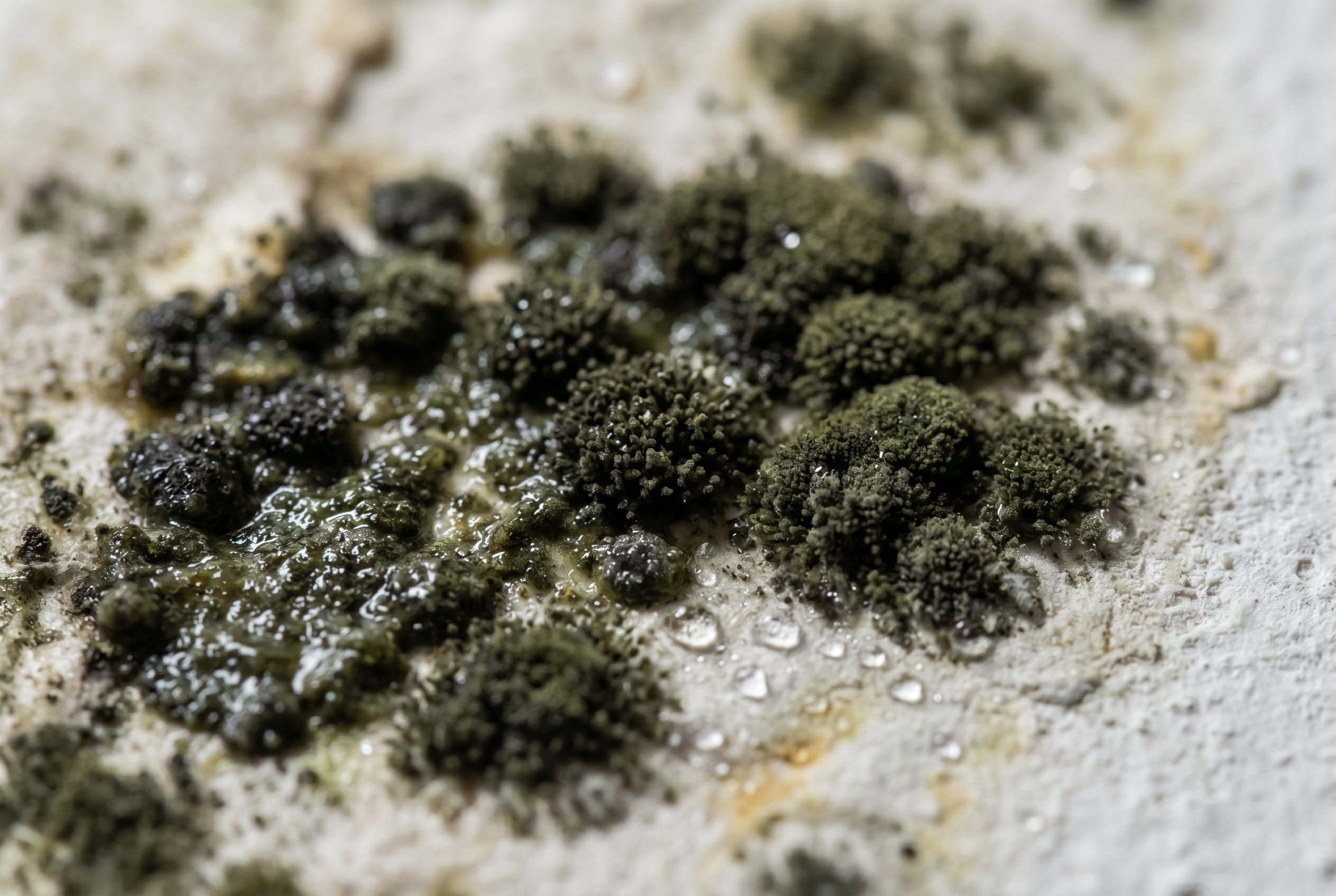
Molds are microscopic fungi that reproduce by releasing spores into the air. When these spores land on damp organic material indoors, they colonize and grow. While many household molds are harmless, the term "black mold" often refers to Stachybotrys chartarum, a greenish-black fungus that produces mycotoxins under specific moisture and nutrient conditions.
Before attempting any remediation, it is critical to understand the distinction between surface contamination and deep structural infestation. Natural remedies—such as vinegar, hydrogen peroxide, and essential oils—excel at treating mold on non-porous surfaces like glass, ceramic tile, metal, and sealed plastics. Because these materials do not absorb moisture or hyphae (the branching filaments of the fungus), natural solutions can make direct contact with the colony and neutralize it.
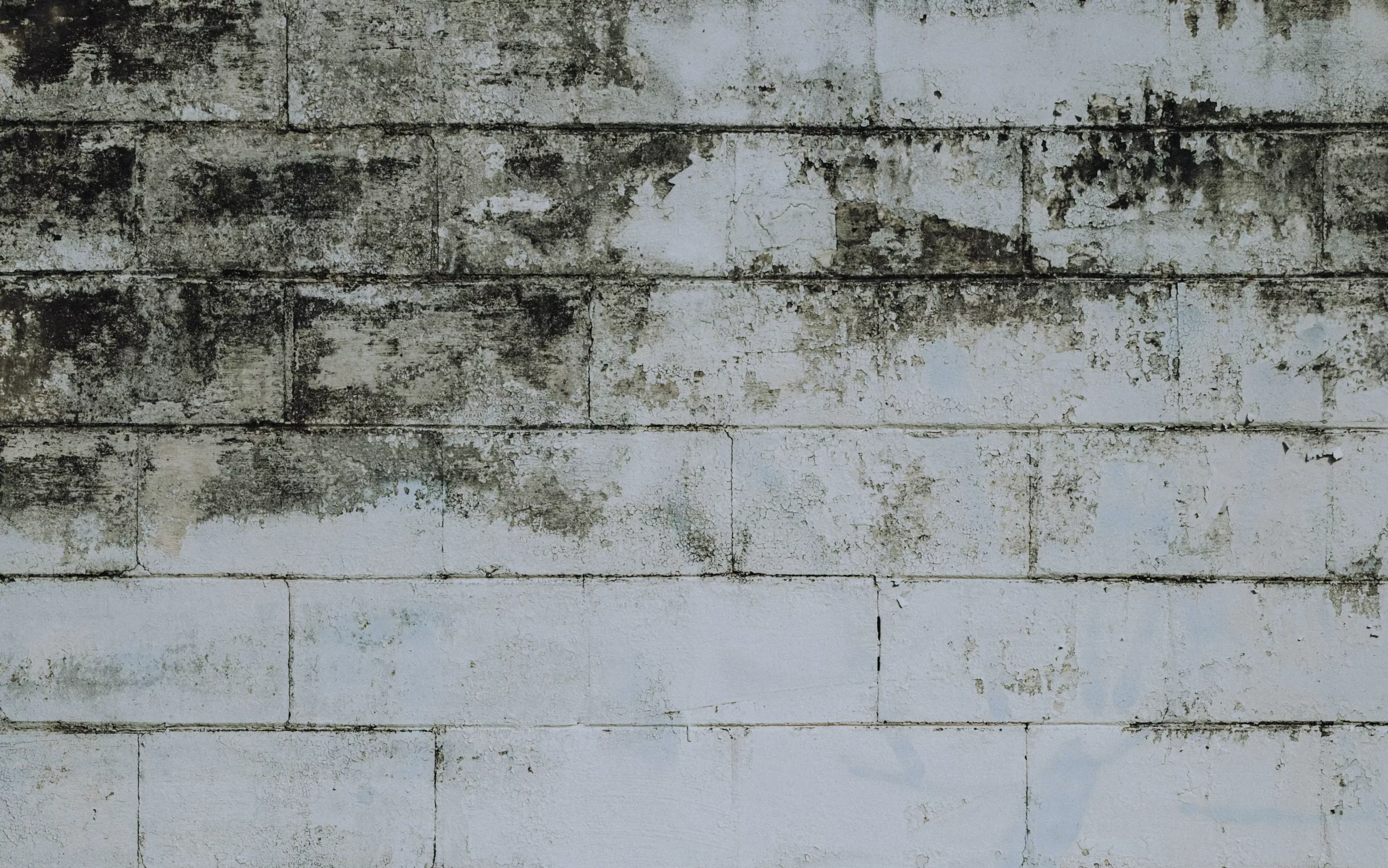
However, porous and semi-porous materials present a different challenge. Drywood, drywall, carpeting, insulation, and upholstery absorb moisture and allow mold roots to penetrate deep beneath the surface. Applying a liquid natural remedy to a porous surface often wets the material further, which can inadvertently stimulate additional mold growth if the moisture is not rapidly and thoroughly extracted. When mold has deeply penetrated porous building materials, surface cleaning agents are insufficient, and the affected material must typically be discarded and replaced.
Essential Safety Gear and Preparation Protocols
Disturbing mold colonies releases millions of spores into the air, which can trigger allergic reactions, asthma attacks, and respiratory irritation. Consequently, preparation and personal protective equipment (PPE) are mandatory before applying any natural remedy.
- Respiratory Protection: Wear at least an N95 particulate respirator mask to prevent inhaling airborne spores and mycotoxins during cleaning and scrubbing.
- Eye Protection: Use non-vented or splash-proof safety goggles to keep spores and cleaning solutions out of your eyes.
- Skin Protection: Wear long-sleeved clothing and waterproof gloves (such as nitrile or heavy-duty rubber) to avoid direct skin contact with mold and concentrated natural cleaning agents.
- Containment: Close doors leading to other rooms and cover doorways with plastic sheeting if working in a heavily infested space. Turn off heating, ventilation, and air conditioning (HVAC) systems to prevent spores from circulating throughout the rest of the building.
- Ventilation: Open exterior windows and set up box fans blowing outward to exhaust contaminated air directly outside, rather than circulating it indoors.
Top Natural Black Mold Remedies and Their Mechanisms
Various household substances possess natural antifungal properties capable of breaking down mold cell walls or altering their pH to stop reproduction. Selecting the right remedy depends on the surface material and the severity of the growth.
White Distilled Vinegar
White vinegar is a mild acid (containing about 5% acetic acid) that can kill approximately 82% of known mold species. Its acidic nature disrupts the mold's cellular structure, rendering it inactive.
- Application: Pour undiluted white vinegar into a spray bottle. Do not mix it with water, as dilution reduces its efficacy. Spray the moldy surface generously until saturated.
- Dwell Time: Let the vinegar sit undisturbed for 60 minutes to penetrate the colony.
- Removal: Scrub the area with a stiff-bristle brush, wipe clean with a damp microfiber cloth, and allow the surface to dry completely.
Hydrogen Peroxide
Hydrogen peroxide is an antifungal, antiviral, and antibacterial agent that acts as a safer, chlorine-free alternative to commercial bleach. A standard 3% household hydrogen peroxide solution effectively lifts mold stains while destroying the organism.
- Application: Pour 3% hydrogen peroxide into a spray bottle. Spray the affected area thoroughly.
- Dwell Time: Allow it to fizz and sit on the surface for 10 to 15 minutes.
- Removal: Scrub the area to remove remaining residue and spores, then wipe dry. Note that hydrogen peroxide has mild bleaching properties, so test it on a small, hidden area of colored fabrics or painted surfaces first.
Baking Soda
Baking soda (sodium bicarbonate) is a natural, non-toxic deodorizer and mild abrasive. While it has a high pH that inhibits mold growth, it is often paired with water or vinegar to physically scour surfaces clean.
- Application: Dissolve one-quarter tablespoon of baking soda into a spray bottle filled with water, or mix it with water to create a thick paste for scrubbing. Spray or apply the paste to the moldy surface.
- Scrubbing: Use a scrub brush to scour the area, removing the loosened mold residue.
- Rinsing: Rinse the surface with clean water to wash away residual baking soda. Spraying a final mist of vinegar afterward can neutralize any lingering alkalinity.
Comparison of Natural Mold Remediators
| Remedy | Primary Active Mechanism | Best Suited For | Key Limitation |
|---|---|---|---|
| White Vinegar | Acetic acid disrupts cell walls | Tile, glass, metal, sealed wood | Low pH can etch unsealed natural stone |
| Hydrogen Peroxide | Oxidizing agent kills spores and bleaches stains | Grout, painted walls, fabrics | Can bleach or lighten colored surfaces |
| Baking Soda | Mild abrasive and pH buffer | Soft surfaces, appliances, general scrubbing | Does not penetrate deep porous materials alone |
| Tea Tree Oil | Terpene compounds exhibit strong antifungal action | Small surface spots on hard materials | High cost and strong aromatic odor |
Step-by-Step Remediation Workflow
Executing a systematic cleaning process ensures that mold is removed safely without spreading spores to unaffected zones.
- Locate and Assess: Inspect the area to determine the extent of the growth. Measure the affected surface area to verify it is under ten square feet.
- Gear Up: Put on your N95 respirator, safety goggles, and waterproof gloves before entering the workspace.
- Isolate the Zone: Close interior doors, seal vents, and open an exterior window with a fan pointing outward.
- Apply the Chosen Remedy: Spray your chosen natural solution (such as undiluted vinegar or 3% hydrogen peroxide) directly onto the mold colony until thoroughly wet, minimizing aerosolization.
- Wait and Monitor: Allow the solution to dwell for the recommended timeframe (10 to 60 minutes depending on the agent used).
- Scrub and Clean: Use a stiff brush to remove surface growth. Wipe the area clean with disposable paper towels or microfiber cloths. Discard used cloths immediately in a sealed plastic bag.
- Dry Completely: Dry the treated area immediately using fans, a dehumidifier, or a dry towel. Residual moisture will cause mold to return within 24 to 48 hours.
Root Cause Elimination and Long-Term Prevention
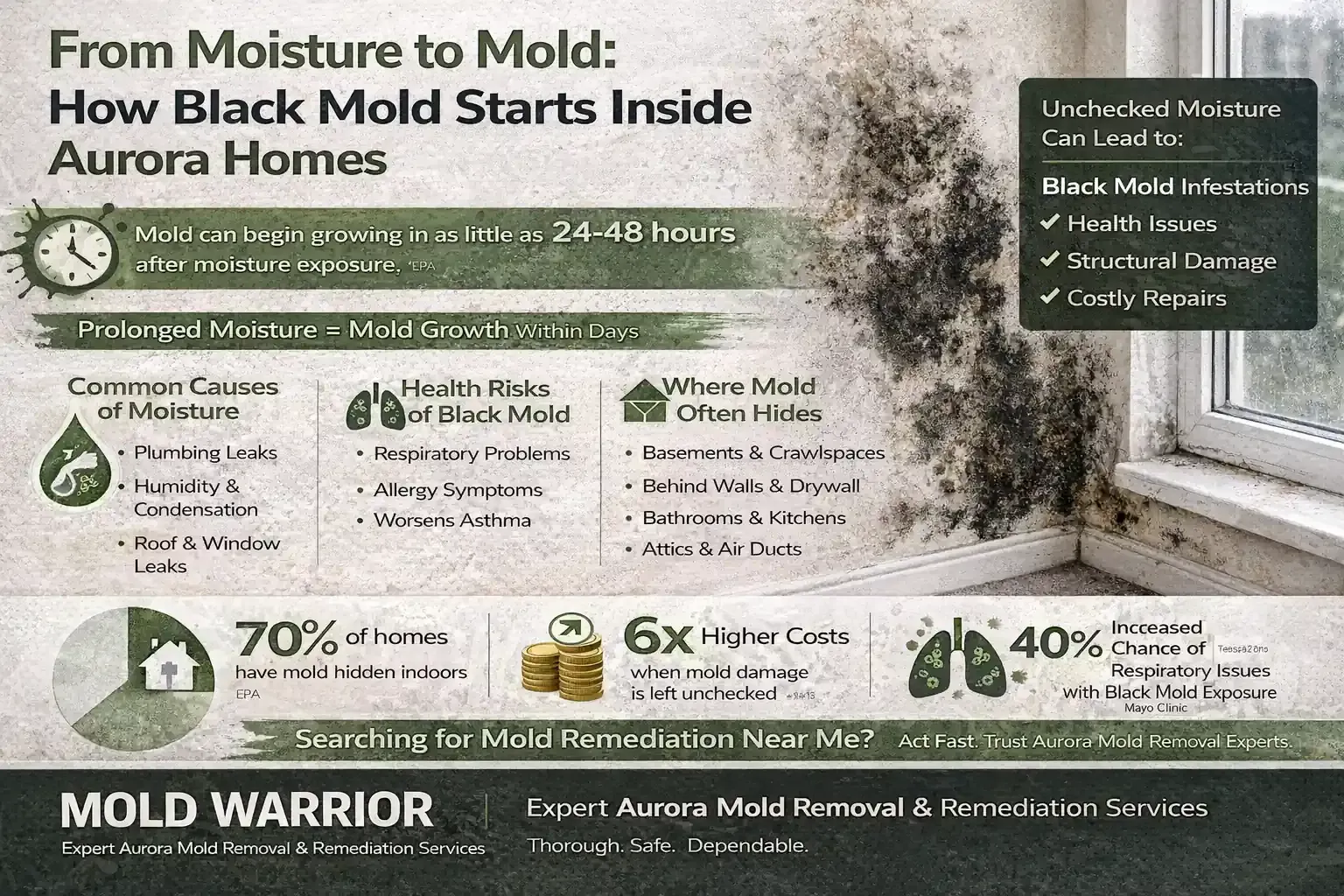
Cleaning visible mold is only half the battle; unless the underlying moisture source is permanently resolved, the mold will return. The United States Environmental Protection Agency (EPA) emphasizes that moisture control is the fundamental pillar of mold management.
- Fix Leaks Promptly: Inspect plumbing lines, roofs, window seals, and foundation walls for water intrusion. Repair leaking pipes and faulty flashing immediately.
- Manage Indoor Humidity: Keep indoor relative humidity levels between 30% and 50%. Utilize air conditioning units and high-capacity dehumidifiers in damp areas like basements and crawl spaces.
- Ventilate High-Moisture Zones: Always run exhaust fans in bathrooms during and for 20 minutes after showers. Use range hoods in kitchens while cooking to vent steam and moisture outdoors.
- Improve Air Circulation: Keep interior doors open between rooms to promote airflow, and pull large furniture a few inches away from exterior walls to prevent stagnant, humid air pockets from forming.
When to Call Professional Remediation Services
Natural remedies are effective for minor, localized mold patches, but certain situations exceed the scope of do-it-yourself cleaning. Knowing when to hire a certified mold remediation specialist protects both your structural integrity and your health.
- Large Surface Area: If mold covers an area greater than ten square feet, industry guidelines recommend professional containment and removal.
- HVAC Contamination: If mold is growing inside heating, ventilation, or air conditioning ducts, specialized equipment is required to clean the system safely without spreading spores throughout the entire building.
- Hidden Mold: If you notice a persistent musty odor or experience unexplained allergy symptoms but cannot see visible mold, professional inspection using moisture meters and thermal imaging cameras is necessary.
- Severe Underlying Damage: If mold has rotted structural wood framing, warped subflooring, or deeply penetrated insulation, structural repairs and professional remediation are mandatory.
Disclaimer: This article is for informational purposes only and does not constitute medical, legal, or professional environmental remediation advice. Individuals with compromised immune systems, severe asthma, or chronic respiratory conditions should avoid mold cleanup activities entirely and consult a qualified healthcare or remediation professional.
Frequently Asked Questions
Can I mix vinegar and hydrogen peroxide to kill black mold more effectively?
No, you should not mix vinegar and hydrogen peroxide in the same container. Combining them creates peracetic acid, a potentially corrosive and irritating chemical that can irritate your eyes, skin, and respiratory tract. Instead, apply them sequentially: spray vinegar, let it dry or wipe it away, and then apply hydrogen peroxide in a separate step if stubborn staining remains.
Does bleach kill black mold better than natural remedies?
While chlorine bleach kills surface mold on non-porous materials, it is largely ineffective on porous surfaces like drywall or wood. Bleach consists mostly of water; when applied to wood, the water is absorbed into the material while the chemical stays on the surface, leaving the mold roots intact and fueling future growth. Furthermore, bleach releases harsh volatile organic compounds (VOCs) that irritate the lungs.
How can I tell if mold behind my drywall is black mold?
You cannot visually distinguish toxic black mold (Stachybotrys chartarum) from other common household molds without laboratory testing. Many harmless molds appear black or dark green. If you suspect hidden mold behind drywall, look for bubbling paint, water stains, warped walls, or a persistent earthy, musty odor. Professional inspectors can take air or surface samples for laboratory analysis if species identification is medically or legally required.
How quickly does black mold grow back after cleaning?
If the underlying moisture source is not corrected, mold can begin regrowing within 24 to 48 hours of cleaning. Spores are constantly present in indoor and outdoor air; they only require moisture and an organic food source to germinate. Ensuring the cleaned area is thoroughly dried and maintaining indoor humidity below 50% is essential to preventing recurrence.
Are essential oils like tea tree oil safe to use around pets?
Tea tree oil and certain other essential oils (such as eucalyptus and citrus oils) possess strong antifungal properties, but they can be toxic to cats and dogs if ingested or absorbed through the skin. If you have pets in the home, opt for non-toxic alternatives like white vinegar or baking soda, and keep pets away from the treated area until the cleaning agents have fully dried and the space is well-ventilated.
Image Gallery