Analyzing the Calories in the Double Decker Taco Bell: A Nutritional Breakdown
A standard Double Decker Taco, as historically offered by Taco Bell, contains approximately 330 to 350 calories. This specific item combines a crunchy taco shell filled with seasoned beef, lettuce, and cheddar cheese, wrapped in a soft...
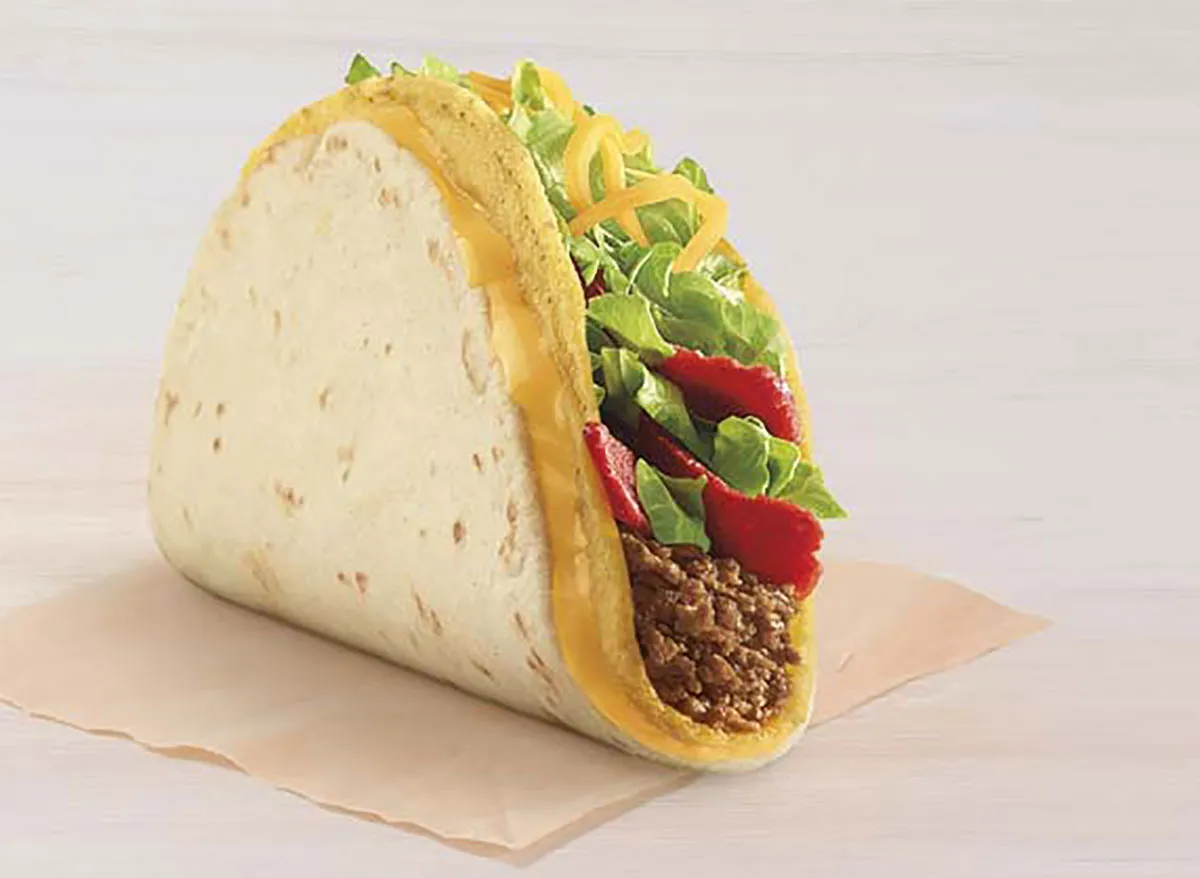
A standard Double Decker Taco, as historically offered by Taco Bell, contains approximately 330 to 350 calories. This specific item combines a crunchy taco shell filled with seasoned beef, lettuce, and cheddar cheese, wrapped in a soft flour tortilla layered with a spread of warm refried beans. Minor variations in preparation or localized ingredient sourcing may result in slight fluctuations in these figures.
Contents
Understanding the Double Decker Taco Construction
The Double Decker Taco holds a unique position in the Taco Bell menu history, often cited for its distinct textural profile. By combining a hard-shell taco with a soft-shell "glue" of refried beans, the item bridges the gap between the chain’s two primary vessel types. From a nutritional perspective, this structure is the reason for the specific caloric density observed.
When you deconstruct the item, the caloric contribution is distributed across several key components:
- The Seasoned Beef: Providing the bulk of the protein and a significant portion of the fat content.
- The Refried Beans: These act as the binding agent between the two tortillas, contributing fiber, complex carbohydrates, and additional protein, but also acting as a primary calorie dense element.
- The Tortillas: The combination of a corn-based crunchy shell and a flour-based soft shell adds a dual-layer of refined carbohydrates.
- Cheddar Cheese and Lettuce: The cheese adds fat and calories, while the lettuce provides minimal caloric impact, primarily contributing to the total weight and volume.
Because the Double Decker uses both a soft and a hard shell, the carbohydrate count is inherently higher than that of a standard Crunchy Taco. Consumers tracking specific macronutrients, such as net carbs, often note that the Double Decker is significantly more substantial than the brand's entry-level menu items.
Nutritional Profile and Macronutrient Breakdown
While the average calorie count for a Double Decker Taco sits in the mid-300s, it is essential to look at the macronutrient balance to understand how this item fits into a dietary plan. In 2026, standardized nutritional information for this item—though it has seen various periods of removal and re-release—remains consistent with historical laboratory analysis.
| Component | Approximate Value |
|---|---|
| Total Calories | 330–350 kcal |
| Total Fat | 14–16 g |
| Total Carbohydrates | 35–38 g |
| Protein | 12–14 g |
| Sodium | 700–800 mg |
It is important to note that the sodium content is a significant consideration for individuals monitoring their heart health or blood pressure. The combination of the seasoned beef and the refried beans, both of which are high in sodium, accounts for the relatively high salt content relative to the item's overall caloric size.
Factors Influencing Caloric Variance
While 340 calories is the generally accepted figure for a standard build, several factors can influence the final caloric output of the meal. These variances are rarely the result of a single ingredient change but are often cumulative.
Customization and Personalization
Taco Bell is widely recognized for its "make it yours" approach to ordering. Many patrons modify the Double Decker to suit personal preferences, which directly alters the nutritional data:
- Adding Sour Cream: Adding a dollop of sour cream can increase the caloric total by approximately 50 to 60 calories.
- Removing Beans: Removing the refried beans would drastically lower the calorie count but would fundamentally change the identity of the "Double Decker" construct, as the beans are the structural bridge between the two shells.
- Extra Cheese: A "heavy" portion of cheddar cheese can add an additional 30 to 40 calories depending on the serving scoop size.
Regional and Operational Variations
Even within a standardized franchise system, local food preparation can lead to slight discrepancies. The amount of seasoned beef dispensed by a kitchen employee can vary slightly based on the equipment calibration or training. Furthermore, while the ingredients are sourced centrally, minor variations in the flour tortilla size or the moisture content of the refried beans can shift the caloric density by a small margin. These differences are generally negligible for the average consumer but are worth noting for those performing strict calorie counting.
Contextualizing Calories in the Taco Bell Ecosystem
When evaluating the Double Decker Taco, it is helpful to place it within the context of the broader Taco Bell menu. For many patrons, the question of "how many calories" is rooted in a desire to build a meal that fits within a specific daily caloric budget.
Compared to other items, the Double Decker occupies a middle ground. It is more calorie-dense than a standard Crunchy Taco (which usually contains roughly 170 calories) because of the added flour tortilla and beans. However, it is significantly less calorie-dense than the brand's burritos or larger specialty items, which often exceed 500 to 700 calories.
This makes the Double Decker a popular choice for those who want a more filling experience than a single taco but wish to avoid the high-calorie counts associated with larger, sauce-heavy menu items. It provides a unique balance of texture—the crunch of the inner shell contrasted with the chewiness of the outer shell—without the extreme caloric density of items containing multiple meat types or deep-fried additions.
Navigating Dietary Requirements and Limitations
For individuals with specific dietary needs, the Double Decker Taco presents several challenges. Because it contains both wheat (in the flour tortilla) and potential additives in the seasoned beef, it is not a gluten-free option. Additionally, the refried beans are typically prepared with lard or vegetable oils, which are important factors for those following specific fat-intake protocols or religious dietary guidelines.
If you are tracking calories for weight management, the most effective strategy is to account for the item as a 350-calorie block. This provides a safety margin. If the item is part of a larger order, remember that fountain drinks, sauces, and side items (like Nacho Fries or Cinnamon Twists) can quickly multiply the total caloric intake of the meal, often exceeding the impact of the taco itself.
Frequently Asked Questions
Is the Double Decker Taco considered a "healthy" menu option? Health is subjective and depends on your individual nutritional goals. While the Double Decker offers a moderate amount of protein and fiber (from the beans), it is a processed food item that is relatively high in sodium. It can be part of a balanced diet if consumed in moderation, but it should not be considered a primary source of whole-food nutrition.
Does the calorie count change if I order the "Supreme" version? Yes. The "Supreme" designation at Taco Bell typically implies the addition of sour cream and diced tomatoes. Adding sour cream is the primary caloric driver, typically increasing the total by about 50 to 60 calories. The tomatoes add a negligible amount of calories but increase the volume and freshness profile.
Are the refried beans in the Double Decker vegetarian? As of 2026, the refried beans at Taco Bell are certified by the American Vegetarian Association (AVA). This means they do not contain animal-based fats, making them suitable for ovo-lacto vegetarians. However, they are prepared in the same facility as meat products, so individuals with strict concerns regarding cross-contact should be aware of this operational environment.
How does the Double Decker compare to a Burrito Supreme in calories? A Burrito Supreme is significantly more calorie-dense, often ranging between 400 and 500 calories, due to the larger flour tortilla and the increased volume of ingredients like sour cream and meat. The Double Decker is the lighter option for those looking to avoid the larger portion sizes of the burrito category.
Why does the calorie count vary slightly across different nutrition calculators? Calorie counts in fast food are based on averages. Because ingredients can be subject to moisture loss, varying scoop sizes, and slight differences in supplier formulation, small fluctuations are common. Always use the official nutritional information provided by the restaurant’s primary portal for the most accurate, current data.
Final Considerations for Consumers
When choosing the Double Decker Taco, approach it as an item defined by its specific, dual-layer construction. It serves as a satisfying, mid-range calorie option within the Taco Bell catalog. To maintain consistency in your dietary tracking, utilize the 350-calorie mark as a reliable baseline. If you are modifying the order with additional sauces or toppings, remember that these additions—especially dairy-based ones—can shift your total significantly. For the most precise nutritional management, check the official Taco Bell nutrition portal during your visit, as they update their data periodically to reflect changes in supply chain specifications.
Image Gallery