Why the Playbill Smash Is Reshaping Theater Marketing
The fusion of Playbill’s iconic physical program branding with high-velocity, digital-first campaign strategies—often termed the "Playbill smash"—is reshaping theater marketing by converting traditional venue materials into multi-chann...
The fusion of Playbill’s iconic physical program branding with high-velocity, digital-first campaign strategies—often termed the "Playbill smash"—is reshaping theater marketing by converting traditional venue materials into multi-channel audience engines. This approach leverages collectible program covers, digital program extensions, social media virality, and first-party data capture to drive advance ticket sales and sustain show engagement long past closing curtain.
Contents
Defining the Playbill Smash: The Convergence of Legacy Media and High-Octane Campaigns
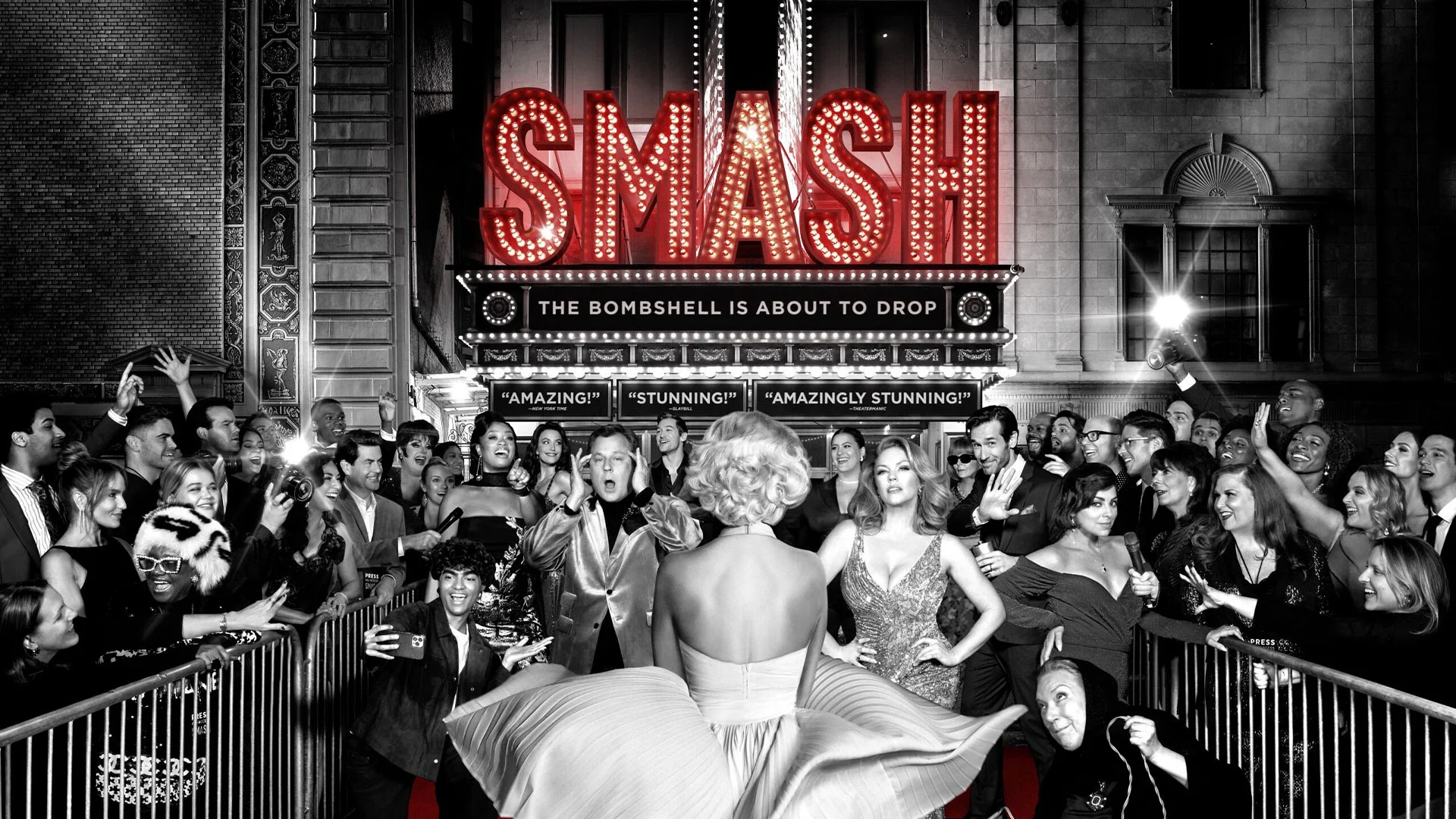
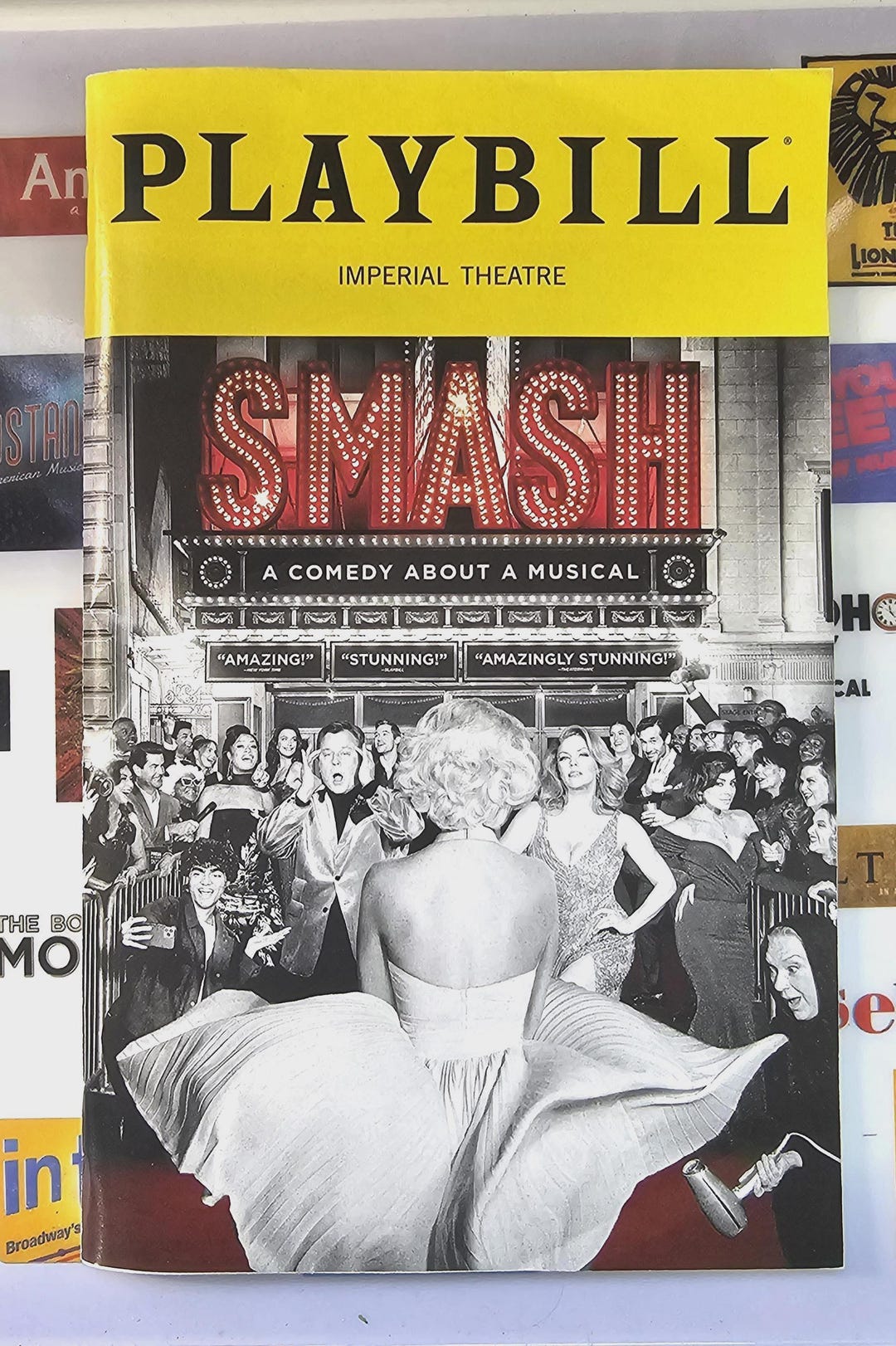
For over a century, Playbill served primarily as a functional artifact of live performance: a physical program handed to theatergoers at the door, containing cast bios, song lists, and localized advertising. However, modern theatrical production has fundamentally transformed how this medium functions. The term Playbill smash refers to the strategic integration of Playbill’s universally recognized yellow-and-black physical branding with high-impact, digital-native promotional mechanics designed to generate immediate commercial momentum ("smash hits") across Broadway, the West End, and national touring circuits.
Rather than treating the program as a passive post-ticket-purchase takeaway, modern theatrical marketers position Playbill partnerships and branded digital programs at the center of pre-show discovery and post-show retargeting. This evolution bridges the gap between offline experiential consumption and online commerce. By combining limited-edition cover art, interactive QR integrations, cast-led TikTok unboxings, and immediate social sharing, production teams turn a venue staple into a powerful direct-to-consumer (DTC) funnel.
- THE PLAYBILL SMASH MARKETING FUNNEL
- PRE-SHOW BUZZ: DISCOVERY & ADVANCE TICKET SALES
- (Social Teasers, Custom Cover Art Reveals)
- IN-THEATER IMPACT: EXPERIENTIAL ENGAGEMENT
- (Physical Collectibles, Interactive QR Scans)
- POST-SHOW RETARGET: MONETIZATION & PATRON RETENTION
- (Cast Recording Streams, Merch, Repeat Drops)
- PRE-SHOW BUZZ: DISCOVERY & ADVANCE TICKET SALES
Key Drivers Behind the Shift in Theater Marketing Dynamics
The transition from conventional theatrical advertising (such as print displays, bus wraps, and standard broadcast spots) to integrated Playbill-centric digital campaigns stems from fundamental shifts in audience behavior, ticketing economics, and media consumption.
1. Shift from Legacy PR to Direct-to-Consumer (DTC) Fan Engagement
Traditional theater promotion relied heavily on formal critical reviews and legacy print publications to drive box office sales. In the current landscape, theatrical productions must build independent, direct relationships with prospective attendees months before preview performances begin.
Integrating Playbill branding into early digital campaigns establishes immediate theatrical credibility. When a new musical or play reveals its official Playbill cover via Instagram, TikTok, or YouTube, it signals legitimacy to hardcore theatergoers while inviting casual fans to participate in the milestone. This direct engagement allows show producers to convert social interest directly into mailing list sign-ups and advance ticket purchases without depending solely on traditional press releases.
2. The Collectibility Economy and Viral Social Proof
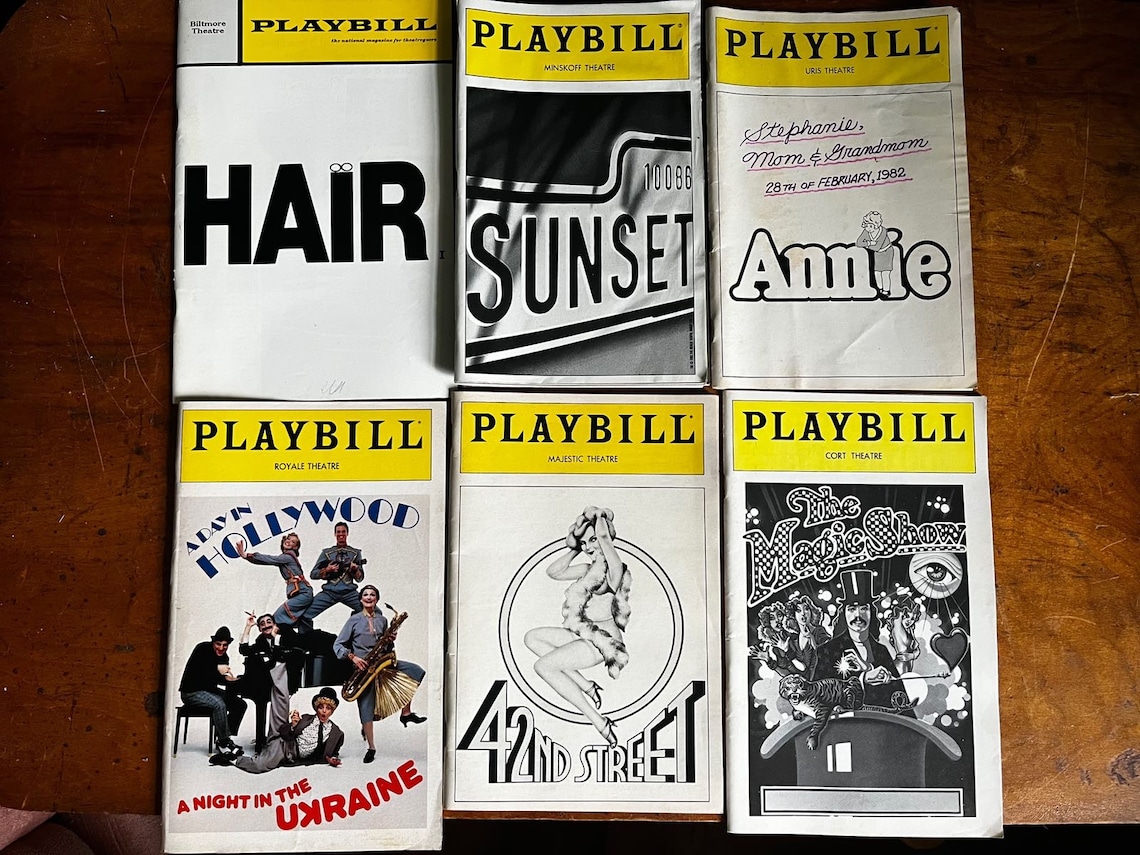
Physical Playbills have long been fan collectibles, but modern social media platforms have magnified their promotional utility. Features like special opening-night sticker seals, pride-month variants, cast-signed editions, and fan-art covers have turned physical programs into high-value cultural artifacts.
Audiences actively share photos and video clips featuring their Playbills inside the theater, creating organic social proof. When thousands of attendees post standardized, instantly recognizable Playbill covers across social networks every week, they generate viral user-generated content (UGC) that functions as hyper-targeted peer recommendations.
3. Data Capture and First-Party Audience Analytics
Historically, theatrical producers faced a major operational blind spot: once a ticket was purchased—often through third-party ticketing platforms or box office counters—producers had limited access to individual attendee demographic data or behavioral insights.
The modern Playbill smash model resolves this limitation through integrated digital programs and interactive print prompts. By scanning dynamic QR codes embedded within the physical Playbill, audience members access exclusive digital bonus material, cast commentary, merchandise discounts, or digital cast boards. In exchange, productions capture valuable first-party data, including email addresses, geographic locations, and digital engagement preferences.
Comparative Analysis: Traditional vs. Modern Playbill Integrated Marketing
To understand why this strategy has become standard practice for major theatrical commercial producers, it is helpful to compare traditional theatrical marketing execution against modern Playbill-integrated strategies across key operational metrics.
| Operational Metric | Traditional Theater Marketing | Integrated Playbill Smash Model |
|---|---|---|
| Primary Touchpoint Timing | In-theater during performance or post-ticket purchase | Pre-show announcement through post-show nurture campaigns |
| Audience Reach & Scope | Limited to physical theater seats and local broadcast regions | Global reach via viral social reveals and digital program feeds |
| Data Ownership | Retained primarily by third-party ticketing agencies | Direct first-party data capture owned by show producers |
| Content Format | Static printed paper program | Hybrid physical collectible + dynamic interactive digital content |
| Monetization Window | One-time ticket sale and in-lobby merchandise table | Extended post-show e-commerce, album streaming, and return ticket offers |
| Campaign ROI Measurement | Indirect estimation via macro box office tracking | Precise digital attribution via scan rates, conversion pixels, and UTM parameters |
| Patron Engagement Lifecycle | Single-event interaction | Continuous digital community membership |
Operational Roadmap: Implementing an Integrated Playbill Marketing Strategy
Executing a successful Playbill-centric marketing campaign requires synchronized coordination between general management, marketing agencies, digital managers, and physical production teams. Below is the multi-phase framework utilized by modern commercial theater producers.
- PHASE 1: PRE-SHOW (3-6 Months Prior)
- Teaser Campaign Launch
- Digital Cover Art Reveal
- Advance Waitlist Data Capture
- PHASE 2: IN-THEATER (Previews & Run)
- Collectible Variant Distribution
- Interactive QR Code Scans
- In-Seat UGC Social Sharing
- PHASE 3: POST-SHOW (Continuous Retargeting)
- Automated Email Workflows
- Exclusive Merch & Album Drops
- Repeat Ticketing Incentives
Phase 1: Pre-Show Teaser & Asset Reveal
- Brand Asset Standardization: Secure official high-resolution Playbill cover templates and rights early in pre-production.
- The Cover Reveal Event: Schedule a coordinated digital drop across cast and show channels featuring the artwork. This event should serve as the primary call-to-action (CTA) for joining presale mailing lists.
- Influencer & Press Kit Distribution: Send physical, custom-packaged mock Playbills containing show details and exclusive media access to industry creators and press outlets.
Phase 2: In-Theater Optimization & Engagement
- Strategic Program Insertion: Ensure physical Playbills include high-visibility, branded QR calls-to-action placed strategically on the back cover or center spread.
- Exclusive Digital Extensions: Link QR scans to dynamic, lightweight mobile landing pages optimized for fast loading inside theater venues with limited cellular reception.
- Limited Edition Drops: Schedule special cover variations for specific performances (e.g., Opening Night, milestone performance anniversaries, or seasonal events) to drive ticket demand for specific performance dates.
Phase 3: Post-Show Retargeting & Community Building
- Automated Follow-Up Sequences: Deploy targeted email workflows within 24 hours of attendance for users who scanned in-theater QR codes, offering cast album pre-saves or merchandise discounts.
- Second-Ticket Incentives: Retarget digital program users with special bounce-back ticket offers for future performances or national tour stops.
- Archival Fan Content: Maintain long-term engagement by inviting program scanners to vote on fan-art covers or access exclusive behind-the-scenes rehearsal footage.
Financial and Revenue Impact on Modern Theatrical Productions
Adopting an integrated Playbill strategy delivers measurable financial benefits across multiple revenue streams:
- Accelerated Ticket Velocity: Digital cover reveals and social tie-ins create artificial urgency, helping shows build substantial advance ticket sales before previews begin.
- Increased Ancillary Sales: In-program digital links to online merchandise stores allow fans to purchase items that may have been sold out in the lobby, effectively extending the physical merchandise booth into an online store.
- Enhanced Advertising Sponsorships: Commercial sponsors receive higher value through dual-exposure packages that combine physical print ad placements in the Playbill with digital retargeting pixels and branded email campaigns.
- Lower Customer Acquisition Costs (CAC): Relying on organic social sharing driven by collectible physical Playbills reduces the production's dependence on expensive paid search and social ads.
Common Pitfalls and Operational Challenges
While the Playbill smash strategy offers clear advantages, producers must navigate several execution risks:
- In-Venue Connectivity Limitations: Historic theater venues frequently suffer from poor cellular reception and lack high-capacity patron Wi-Fi. If digital Playbill extensions rely on heavy media assets, audience members will experience slow load times and abandon the page. Marketers must build lightweight, edge-cached landing pages.
- Over-Indexing on Digital at the Expense of Physical Print Quality: Neglecting the quality, paper weight, or print fidelity of physical Playbills can alienate traditional theatergoers who view the printed program as an essential component of the live theater experience.
- Data Privacy and Regulatory Non-Compliance: Capturing patron data via QR scans requires explicit opt-in mechanisms to comply with regulations such as the General Data Protection Regulation (GDPR) and the California Consumer Privacy Act (CCPA).
- Failing to Align Print Lead Times with Digital Agility: Physical printing schedules require long lead times. Changing cast lists, creative team credits, or featured sponsors on short notice without synchronization between print and digital systems can result in mismatched info and patron confusion.
Frequently Asked Questions
What does the term "Playbill smash" mean in theater marketing?
It describes the strategic integration of Playbill's physical program branding with high-energy digital, social media, and data-driven marketing campaigns. This strategy turns a traditional print program into an interactive tool for audience acquisition and retention.
How do physical Playbills generate digital social media traction?
Audiences frequently photograph and post Playbill covers on social platforms like Instagram and TikTok as visual proof of attendance. Productions encourage this behavior by releasing collectible opening-night covers, limited-edition designs, and cast-signed variants that fans want to share online.
Do digital Playbill extensions replace traditional paper programs?
No. Digital extensions complement paper Playbills rather than replacing them. While digital programs offer interactive features like cast videos and instant merchandise shopping, physical Playbills remain a essential collectible artifact for theatergoers.
How do producers capture fan data through Playbill campaigns?
Producers place QR codes inside the physical Playbill leading to exclusive digital content, program notes, or merchandise discounts. When fans scan these codes, they can opt into mailing lists, providing producers with valuable direct-to-consumer audience data.
Can regional and community theaters implement this marketing strategy?
Yes. Smaller theater companies can adopt the core principles by using high-quality local programs paired with custom QR codes, digital program downloads, and targeted social media reveals to build local subscriber bases and boost advance ticket sales.
Practical Recommendations for Marketing Teams
- Audit Venue Connectivity Before Launch: Test QR scan workflows inside the theater under full-capacity conditions to ensure digital landing pages load quickly despite network congestion.
- Synchronize Print and Digital Data Feeds: Implement a central content management system (CMS) so cast updates, understudy announcements, and creative credits update simultaneously across physical program inserts and digital feeds.
- Design for Collectibility: Allocate marketing budget toward limited-run physical cover variations for milestone performances. The resulting social media visibility and ticket demand typically offset the incremental printing costs.
- Establish First-Party Data Metrics: Measure campaign performance not just by total ticket sales, but by total QR engagement rates, email subscriber capture rates, and post-show conversion value.
Editorial Metadata:
Image Gallery