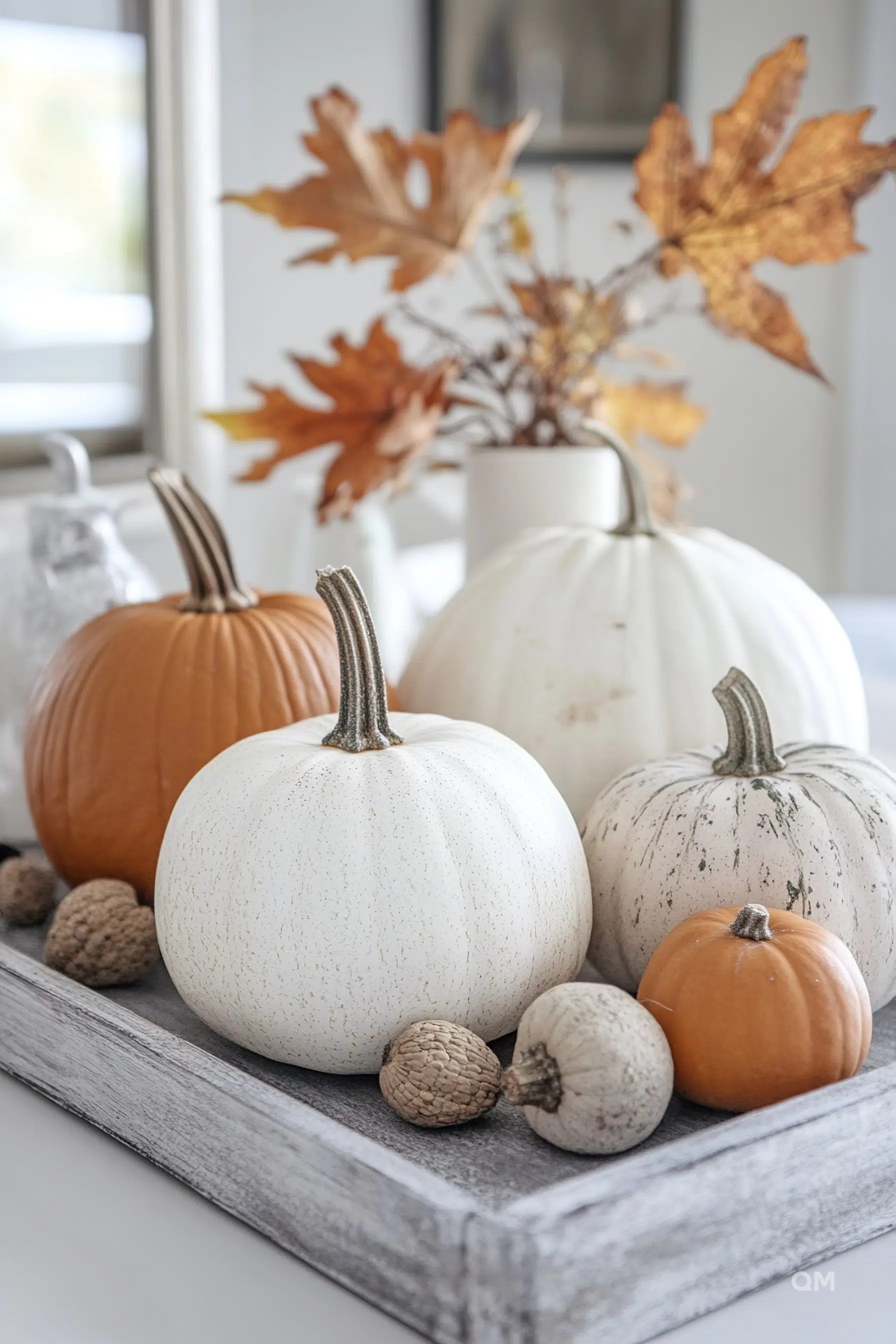
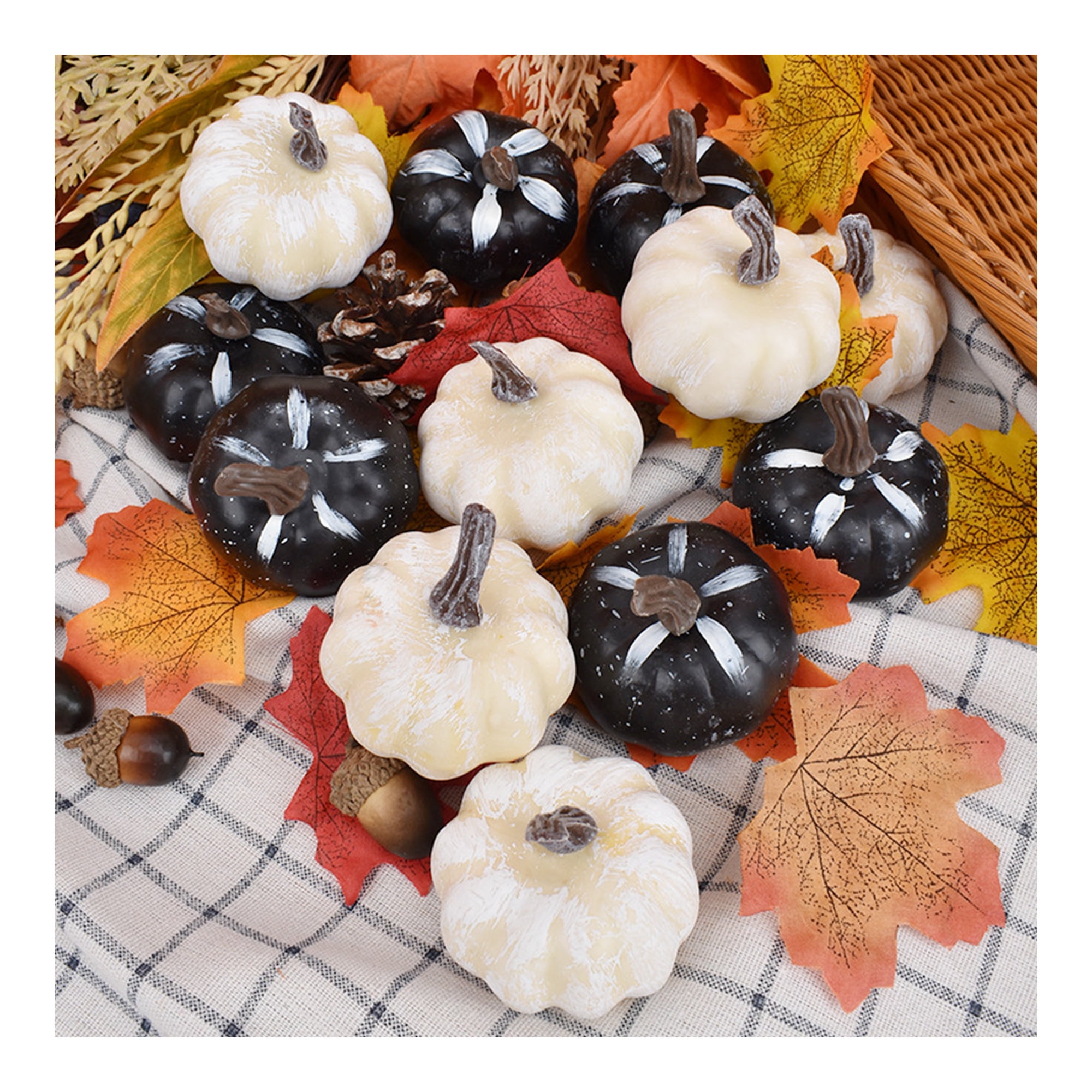
Decorating with Pumpkins: Styling Tips, Preservation Techniques, and Seasonal Design Guide
Decorating with pumpkins requires balancing aesthetic composition, material selection, and proper preservation techniques to ensure displays remain fresh and visually cohesive throughout the fall season. Successful styling combines var...
Decorating with pumpkins requires balancing aesthetic composition, material selection, and proper preservation techniques to ensure displays remain fresh and visually cohesive throughout the fall season. Successful styling combines varied sizes, textures, and neutral or traditional color palettes across interior spaces—such as mantels and dining tables—and exterior entryways, supported by proven rot-prevention methods.
Contents
Choosing the Right Materials: Real vs. Faux Pumpkins
Selecting between real and artificial pumpkins depends on placement, climate considerations, desired maintenance levels, and budget. Both options offer distinct design advantages when curated intentionally within a seasonal decor strategy.
- Pumpkin Decor Selection
- Real/Botanical
- Heirloom
- Standard
- Faux/Synthetic
- Ceramic
- Velvet/Resin
- Real/Botanical
Natural and Heirloom Pumpkin Varieties
Fresh botanical pumpkins bring authentic texture, natural color gradients, and organic asymmetry that artificial items often struggle to replicate. While traditional orange field pumpkins remain popular, heirloom varieties provide elevated color palettes suitable for refined interior design:
- White and Cream Cultivars: Varieties like 'Luminary', 'Cotton Candy', and 'Casper' offer clean, neutral tones that complement modern farmhouse, Scandinavian, or minimalist decor.
- Muted Green and Blue-Grey Cultivars: 'Jarrahdale' (a deeply ribbed, slate-blue pumpkin) and 'Triamble' introduce cool undertones that contrast elegantly with warm wooden furniture and brass accents.
- Warty and Ribbed Cultivars: 'Galeux d'Eysines' (a salmon-pink pumpkin covered in peanut-like warts) and 'Cinderella' (Cucurbita maxima 'Rouge Vif d'Etampes', featuring a flattened shape and deep crimson-orange skin) add historical character and rich architectural relief to floor and porch displays.
- Miniature Gourds: Small varieties such as 'Jack Be Little' (orange), 'Baby Boo' (white), and speckled 'Tiger Stripe' gourds work as fillers for bowls, tray vignettes, and place-setting details.
When purchasing live produce for decorative use, select specimens with firm skin, solid bottoms, and intact, woody stems. Stems supply character and serve as natural handles; pumpkins missing stems deteriorate much faster because bacteria enter easily through the broken crown.
Synthetic Options: Ceramic, Resin, and Fabric
High-quality synthetic pumpkins allow for multi-year reuse, eliminate spoilage concerns, and perform reliably in temperature-sensitive indoor environments.
- Ceramic and Terracotta: These heavyweight pieces provide structured, sculptural forms. Matte ceramic finishes in chalk white, terracotta, or matte black fit modern and mid-century aesthetic themes.
- Resin and Molded Plastic: High-density weather-resistant resin replicates the texture of real skin while enduring outdoor elements without fading or cracking.
- Velvet, Linen, and Knit Fabric: Soft-goods pumpkins featuring real dried stems glued to hand-sewn fabric bodies add soft tactile contrast to hard surfaces like marble countertops, glass tables, or mirrored trays.
Preservation and Rot Prevention for Real Pumpkins
Uncarved real pumpkins typically last between one to three months indoors or in covered outdoor settings if properly cleaned and sealed. Carved pumpkins, by contrast, begin dehydrating and molding within three to seven days. Implementing a systematic preservation protocol extends the display life of fresh produce.
- Clean & Sanitize: Soak in water + bleach (1 tbsp/gal) to kill bacteria.
- Dry Thoroughly: Air dry completely to eliminate moisture traps.
- Apply Sealant: Apply matte spray or wax to lock in hydration.
- Isolate: Use felt pads on surfaces.
Cleaning and Sanitization Protocol
Bacteria and fungal spores on the skin of harvested pumpkins cause premature softening and rot.
- Washing: Submerge uncarved pumpkins in a cold-water bath mixed with mild dish soap and a small amount of liquid chlorine bleach (approximately 1 tablespoon of bleach per gallon of water). Gently scrub surface dirt off with a soft brush, taking care not to scratch the skin.
- Rinsing and Drying: Rinse thoroughly with clear water and dry completely with a clean towel. Residual moisture around the stem base or bottom blossom end encourages mold growth.
- Hydration Dip for Carved Pumpkins: If carving, submerge the finished piece in a bleach bath for 1 to 2 hours after removing internal pulp and seeds. This hydrates the flesh while sterilizing exposed interior walls.
Sealant Application and Surface Protection
After cleaning and drying, applying a protective barrier locks in internal moisture while keeping ambient humidity out:
- Wax and Oil Sealants: Rubbing a thin layer of furniture paste wax, petroleum jelly, or vegetable oil across the skin creates a shine and seals microscopic pores. For carved pumpkins, apply petroleum jelly directly to exposed raw cuts to prevent quick shrinkage.
- Clear Acrylic Sprays: A light coating of matte or satin clear spray sealant preserves uncarved pumpkins without adding an unnaturally glossy shine.
- Surface Isolation: Pumpkins release moisture through their bottom surface as they age. Never place real pumpkins directly onto unsealed wood, fine linen, or porous stone like marble and travertine. Use felt pads, clear plastic saucers, or wooden risers to protect underlying furniture from sap or moisture stains.
Indoor Pumpkin Decorating Strategies
Integrating pumpkins into interior design requires attention to scale, proportion, color harmony, and composition rules like the "rule of odds" (grouping items in sets of 3 or 5).
- Indoor Pumpkin Decor Layout
- Mantel Decor
- Asymmetry
- Trailing Vines
- Mixed Heights
- Dining Table
- Low Profile
- Woven Runner
- Taper Candles
- Entry Console
- Tiered Trays
- Framed Mirrors
- Height Anchor
- Mantel Decor
Fireplace Mantels and Hearth Displays
Fireplace mantels provide a focal structure for seasonal layering.
- Asymmetrical Balance: Anchor one side of the mantel with a cluster of three medium-to-large heirloom pumpkins in contrasting colors (e.g., one blue-grey 'Jarrahdale', one creamy white 'Luminary', and one muted terracotta). Balance the opposite side with lighter elements, such as tall brass candlesticks or a trailing eucalyptus garland.
- Hearth Spillovers: Extend the arrangement downward by grouping large floor pumpkins on the hearth base. Stack flat-topped varieties—such as 'Cinderella' pumpkins—to create organic pedestals for smaller gourds or lanterns.
Dining Tablescapes and Centerpieces
Dining tables require low-profile arrangements that allow seated guests to maintain clear lines of sight across the table.
- Runner Base: Lay a textured runner—such as frayed linen, cheesecloth, or woven jute—down the center of the table to frame the centerpiece.
- Linear Clustering: Weave miniature pumpkins ('Baby Boo', 'Jack Be Little') along the runner, alternating with votive candles, dried wheat sheaves, and preserved oak leaves.
- Low Bowl Centerpiece: Fill a broad, shallow vessel (wooden dough bowl, ceramic dish, or woven basket) with small velvet or real mini pumpkins, interspersing dried botanical elements like pinecones, star anise, and eucalyptus pods.
Entryway Consoles and Accent Shelving
Console tables set the seasonal tone upon entering the home.
- Vertical Elevation: Use decorative risers, books, or overturned earthenware pots to vary the height of individual pumpkins within a console display.
- Mirror Framing: Frame an entryway mirror by placing medium-sized pumpkins at the outer bases, creating a frame effect that draws the eye into the reflection.
Outdoor Porch and Entryway Styling
Exterior pumpkin displays make a strong curb-appeal statement, but they must withstand variable weather conditions, sunlight, and outdoor pests.
- Porch Styling Layout
- Front Door
- Tall Lantern
- Crate/Riser
- Medium Pumpkin
- Large Flat Pumpkin
- Step 1: Staggered Heirloom Clusters
- Front Door
Elevation and Vertical Layering
Resting pumpkins flat on flat porch steps often yields a disjointed look. Incorporating vertical elevation creates depth and structural interest:
- Tiered Stacking: Stack wide, flat heirloom cultivars on top of each other, tapering from large at the bottom to small at the top. Remove the stem of the bottom pumpkin if necessary to ensure stability.
- Architectural Containers: Nest small-to-medium pumpkins inside wooden crates, galvanized steel tubs, terraced plant stands, or bushel baskets. Position crates on their sides to build two-level display cubbies.
- Flanking Entryways: Place matching or complementary pumpkin clusters on both sides of the front doorway to anchor the entrance. Pair them with potted chrysanthemums, ornamental kale, and fountain grasses for varied texture.
Weather Defense and Pest Prevention
Outdoor real pumpkins attract squirrels, deer, insects, and humidity-induced rot.
- Pest Deterrents: Spray real pumpkins with a solution of water and peppermint oil, or sprinkle them with hot pepper spray (capsaicin). The scent deters rodents without damaging the pumpkin skin. Avoid using petroleum-based products outdoors where wildlife might consume them.
- Ground Protection: Elevate outdoor real pumpkins off damp concrete or soil using cedar slats, drainage tiles, or hidden rubber feet. Direct contact with damp surfaces accelerates bottom decay.
Color Palettes and Design Aesthetics
Pumpkin decor works best when aligned with the home's existing interior color scheme rather than relying solely on bright, artificial orange tones.
| Aesthetic | Primary Colors | Complementary Accents |
|---|---|---|
| Modern Farmhouse | Chalk White, Cream, Soft Sage | Distressed Wood, Galvanized |
| Elegant Classic | Muted Terracotta, Ochre, Gold | Brass, Velvet, Taper Wax |
| Nordic Minimalist | Off-White, Pale Blue, Charcoal | Raw Oak, Matte Ceramics |
Neutral and Minimalist Aesthetics
Neutral palettes emphasize texture over loud color, creating a serene, sophisticated ambiance:
- Monochromatic Whites: Combine 'Luminary' real pumpkins with off-white ceramic pieces on a light marble or whitewashed wooden surface.
- Muted Earth Tones: Pair sage green gourds, pale grey 'Jarrahdale' pumpkins, and natural dried pampas grass with beige, linen, and warm-toned woods.
Rich Jewel Tones and Classic Harvest Shades
For traditional homes or formal spaces, deeper tones complement rich architectural woodwork and dark furniture:
- Deep Harvest: Pair deep orange pumpkins with dark burgundy foliage (such as purple plum branches or smoke bush), rust-colored ribbons, and amber glass votives.
- Metallic and Velvet Touches: Incorporate gold-leafed faux pumpkin stems, bronze lanterns, and dark navy or emerald velvet pumpkins to build a luxurious tablescape for formal dining.
Comparing Pumpkin Decor Materials and Best Uses
The following table provides a quick-reference comparison to help select the best pumpkin materials based on display location, lifespan, and aesthetic goals.
| Material Type | Primary Best Use Case | Expected Lifespan | Preservation / Care Needs | Aesthetic Fit |
|---|---|---|---|---|
| Real Heirloom Pumpkins | Porches, Mantels, Tablescapes | 1–3 Months (Uncarved) | Bleach wash, keep dry, isolate from wood surfaces | Organic, Modern Farmhouse, Rustic |
| Real Carved Pumpkins | Short-term Porch Displays | 3–7 Days | Petroleum jelly on cuts, daily hydration sprays | Traditional Halloween, Festive |
| Ceramic & Terracotta | Indoor Consoles, Dining Tables | Indefinite (Multi-Year) | Dusting, fragile—protect from drops | Minimalist, Contemporary, Scandinavian |
| Resin & Molded Plastic | Uncovered Outdoor Steps, Entryways | Multi-Year (3–5+ Years) | Wipe clean, store out of direct sunlight | Versatile, Traditional Outdoor |
| Velvet & Fabric | Trays, Coffee Tables, Bookshelves | Multi-Year | Indoor use only; spot clean, keep away from water | Elegant, Glam, Soft Layering |
Common Pumpkin Decorating Mistakes to Avoid
Avoiding operational and design oversights ensures your seasonal display remains safe, visually balanced, and clean throughout the fall months.
- Placing Fresh Produce Directly on Sensitive Surfaces: Real pumpkins bleed moisture over time, which can permanently ruin sealed hardwoods, porous marbles, and woven table linens. Always use protective coasters, felt pads, or plastic barriers underneath real produce.
- Neglecting Scale and Proportion: Mixing dozens of tiny mini-pumpkins across a huge porch floor creates visual clutter. Use large, bold heirloom pumpkins for big floor spaces, and save miniature gourds for tight indoor shelves, trays, and tablescapes.
- Overcrowding Display Areas: Leaving no negative space around pumpkin arrangements makes spaces feel messy rather than curated. Group pumpkins in intentional clusters of 3 or 5, leaving clear gaps between groupings.
- Skipping Rot Inspections: A single rotting pumpkin can spread mold rapidly to adjacent produce and stain surrounding materials. Check real outdoor and indoor displays weekly for soft spots, fluid leakage, or pest activity.
Frequently Asked Questions
How do I stop squirrels and animals from eating outdoor real pumpkins?
Spraying pumpkins with a mixture of water and cayenne pepper or peppermint spray repels rodents without harming them. Reapply the spray after rain. Alternatively, rubbing the exterior skin with hot pepper sauce or using synthetic resin pumpkins outdoors eliminates pest issues entirely.
How can I make uncarved real pumpkins last until Thanksgiving?
Wash the pumpkins in a mild bleach solution (1 tablespoon bleach per gallon of water), dry them thoroughly, and apply a light coat of paste wax or clear matte acrylic spray to lock in moisture. Keep them elevated off damp surfaces in a cool area out of direct sunlight.
Are white real pumpkins edible, or are they only for decoration?
Most white pumpkin cultivars (such as 'Luminary' or 'Casper') are fully edible squashes. Their flesh can be roasted, baked, or used in soups like standard orange pumpkins, though their skin is slightly tougher to carve.
How do I blend faux and real pumpkins in the same display?
Group them using shared colors and textures. Pair high-end ceramic or resin pumpkins with real dried leaves, dried wheat, or real miniature gourds. Keep high-shine synthetic plastic pieces separate from matte natural pumpkins to avoid stark visual contrasts.
Practical Recommendations for Fall Pumpkin Decorating
To build a long-lasting, beautifully balanced autumn pumpkin display, begin by deciding whether your display area needs real or synthetic materials. For high-traffic indoor tables and sensitive wooden surfaces, opt for lightweight velvet, fabric, or ceramic items that won't leak or scratch finishes. For outdoor porches and stone hearths, choose real heirloom varieties like 'Jarrahdale', 'Cinderella', and 'Luminary'.
Always wash and thoroughly dry real produce using a diluted bleach bath before placement, and isolate every real pumpkin from underlying furniture using hidden felt pads or decorative risers. Group your arrangements using the rule of odds, mix high and low heights with crates or candlesticks, and restrict your color palette to two or three complementary shades to keep your home looking polished and cohesive all season long.
Image Gallery