A Comprehensive Guide on How to Choose Dollar Rent A Car Partners
Selecting the right partner for a corporate rental program or a travel affiliate network involving Dollar Rent A Car requires a strategic evaluation of operational reach, integration capabilities, and cost efficiency. By focusing on yo...
Selecting the right partner for a corporate rental program or a travel affiliate network involving Dollar Rent A Car requires a strategic evaluation of operational reach, integration capabilities, and cost efficiency. By focusing on your organization's specific travel volume, the geographic footprint of your employees or clients, and the technical compatibility of your booking systems, you can ensure a seamless partnership that maximizes corporate savings and service reliability.
Contents
Understanding the Dollar Rent A Car Ecosystem
Dollar Rent A Car, a brand under the Hertz Corporation umbrella, occupies a specific niche in the vehicle rental market. It is generally positioned as a value-driven brand, appealing to both leisure travelers and cost-conscious businesses. Unlike premium-tier rental services that might prioritize luxury vehicle fleets and high-touch concierge services, Dollar focuses on efficiency, broad availability, and competitive pricing models.
When you look for a "partner" in this context, you are typically referring to one of two relationships: a corporate travel account manager for business procurement or a travel industry partner (such as an online travel agency or travel management company) that integrates Dollar’s inventory into a wider booking platform. Choosing the right partner requires acknowledging the specific operational constraints of the Dollar brand—namely, its emphasis on airport-based locations and standardized fleet categories.
Key Factors for Corporate and Affiliate Partnerships
Before initiating a formal partnership, your organization must evaluate several critical pillars. A partnership is only as strong as its technical and administrative infrastructure.
1. Geographic Alignment and Coverage
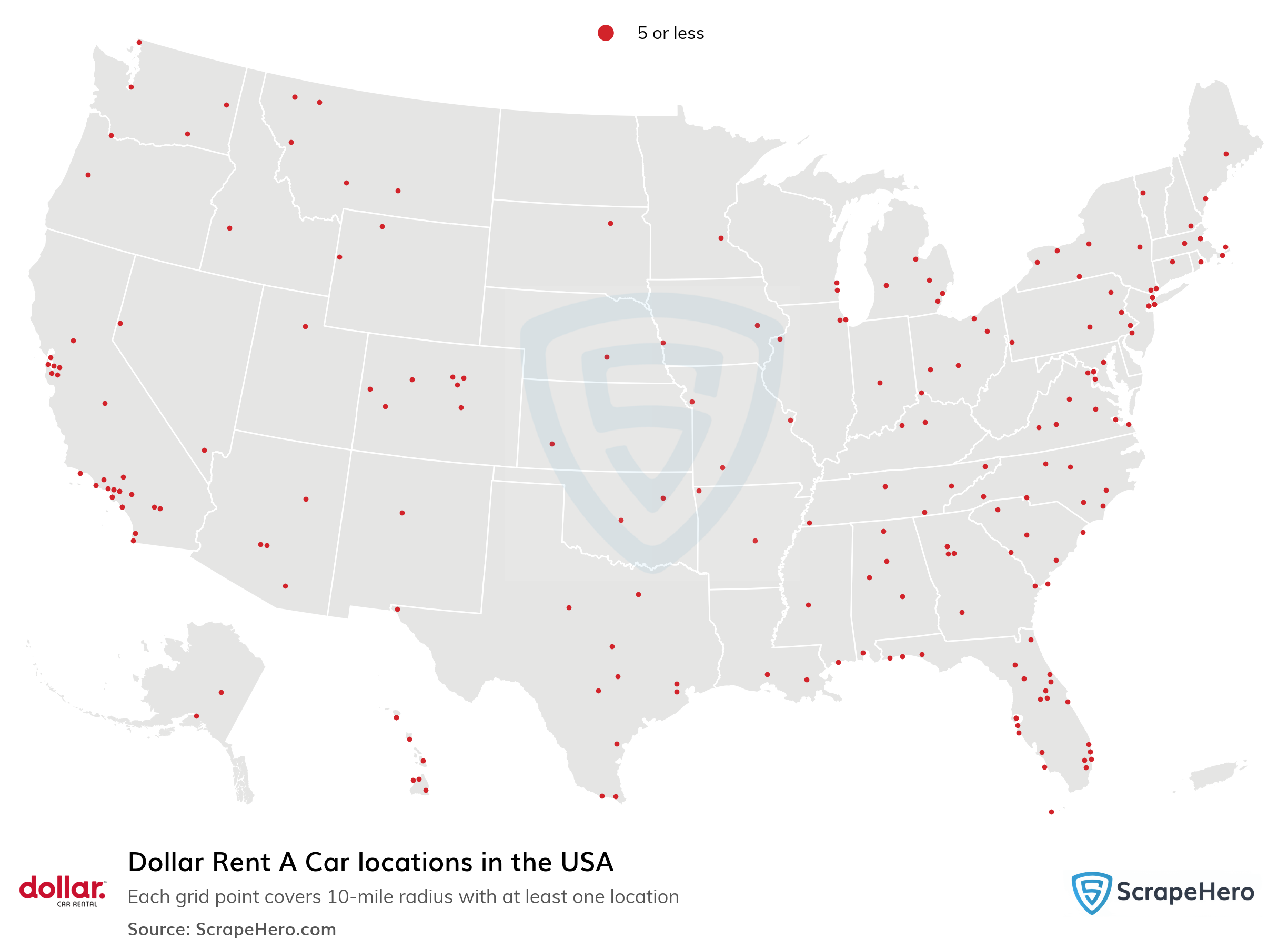
Dollar maintains a heavy presence at major international airports and select suburban hubs. If your business travel requirements are concentrated in rural areas or secondary markets where Dollar may not have physical counters, the partnership may suffer from "last-mile" inefficiencies. Evaluate the proximity of their rental counters to your primary operational bases or your clients’ most frequent travel destinations.
2. Technical Integration Capabilities
Modern travel management relies on GDS (Global Distribution System) connectivity or direct API integrations. Does your chosen partner or the direct account you are establishing offer a robust API that allows for real-time inventory visibility and automated loyalty point tracking? For larger enterprises, ensuring that the rental platform integrates directly into your Expense Management System (EMS) is paramount. This prevents manual data entry and ensures that policy compliance—such as fuel pre-purchase options and insurance selections—is automatically enforced at the point of sale.
3. Fleet Availability and Specialization
Dollar’s fleet is heavily tilted toward standard passenger vehicles, SUVs, and minivans. If your organization requires specialized vehicle types, such as light-duty trucks, luxury performance cars, or oversized passenger vans for logistics, you must verify that the partnership agreement includes access to these categories or allows for flexible vehicle substitution policies.
Administrative and Financial Requirements
Entering a partnership involves more than just a handshake; it requires a deep dive into the financial framework of the agreement.
- Corporate Rates and Volume Discounts: Most partnerships are predicated on an anticipated volume of annual rentals. Be prepared to provide historical rental data to negotiate tiered pricing models.
- Billing Cycles and Payment Terms: Does your partner support centralized billing, or are your employees expected to use personal corporate cards? Centralized billing often allows for better reconciliation and administrative control, though it requires a higher level of oversight.
- Insurance and Liability Framework: This is perhaps the most critical component. Clarify the Loss Damage Waiver (LDW) and Liability Insurance Supplement (LIS) inclusions in your contract. Ensure that your corporate insurance policy coordinates correctly with the rental partner’s terms to avoid "double-dipping" on coverage fees.
Comparative Analysis of Partnership Models
When deciding how to structure your partnership, consider the following table which contrasts the common ways organizations engage with rental providers like Dollar.
| Partnership Model | Best Suited For | Primary Benefit | Operational Complexity |
|---|---|---|---|
| Direct Corporate Account | High-volume enterprises | Direct access to negotiated rates | High (Internal management) |
| Travel Management Company (TMC) | Mid-sized companies | Outsourced support and reporting | Low (Vendor-managed) |
| Affiliate/Booking Portal | Travel influencers/Agencies | Revenue sharing/Commissions | Moderate |
| Consortium/Group Purchasing | Small to medium businesses | Group buying power/Discounts | Low |
Operationalizing Your Selection
Once you have identified a potential partner, the selection process should follow a structured verification sequence. Do not rely solely on sales presentations; request concrete evidence of the following:
- Service Level Agreements (SLAs): Ask for documented expectations regarding response times for billing disputes and customer service issues.
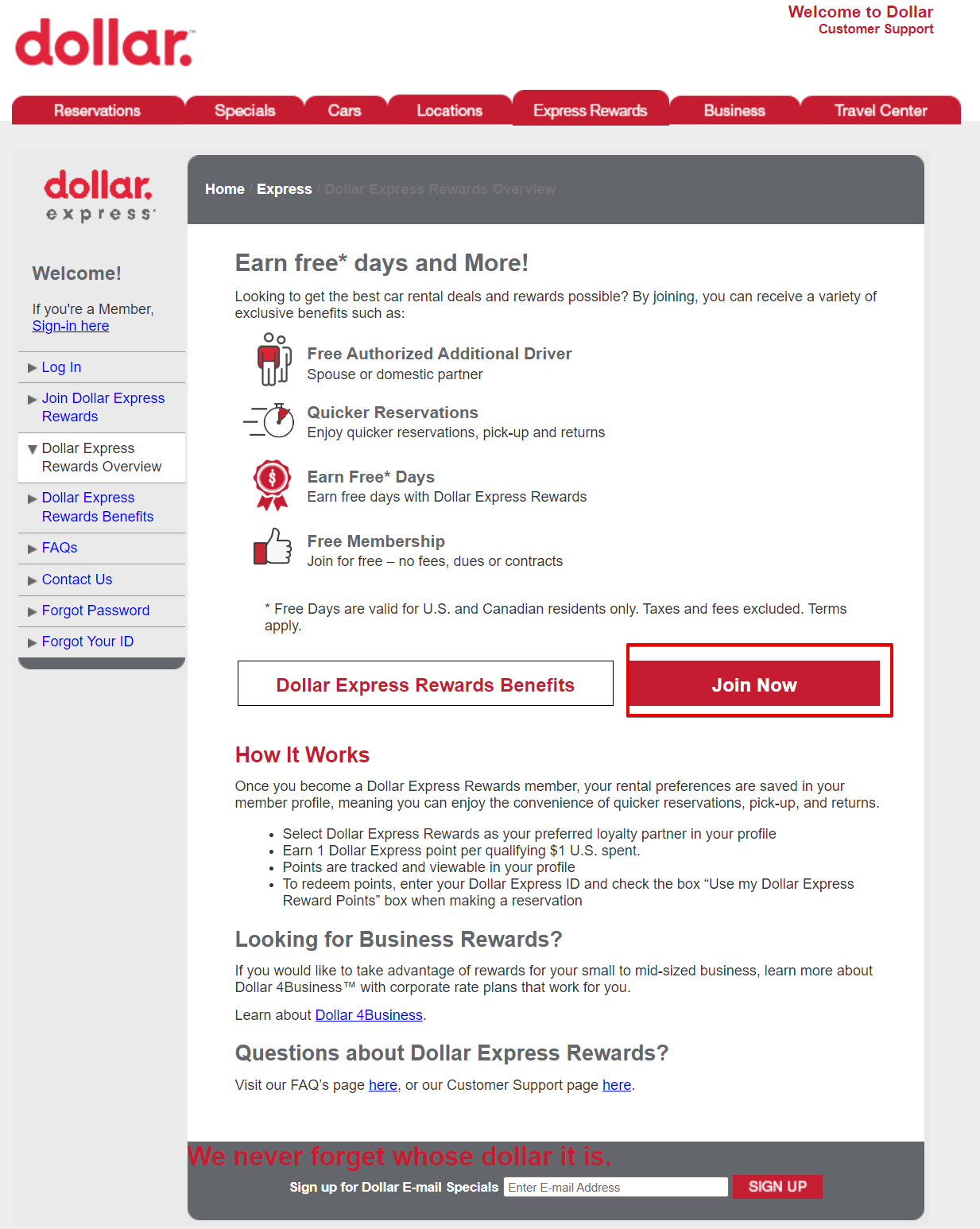
- Loyalty Integration: Ensure that your organization’s travelers can still accrue points or benefits via the Dollar Express Rewards program without violating corporate policy.
- Reporting Frequency: How often will you receive usage data? High-value partners should provide monthly dashboards detailing rental frequency, spend by location, and insurance uptake percentages.
Navigating Common Pitfalls
Many organizations fail to realize the value of their partnership because they neglect the "back-end" of the relationship. A common mistake is failing to audit invoices against the contract. Rental car pricing is notoriously dynamic; it is subject to "blackout" dates and airport-specific surcharges that may not be covered under a blanket corporate rate. Establish a quarterly audit process to ensure that the negotiated rates are actually being applied to your reservations.
Another frequent oversight involves fuel and ancillary fees. Ensure that your partners are aware of your policy regarding fuel refueling. If your company policy dictates that cars must be returned full, ensure that the partnership portal reflects this to prevent accidental "convenience fee" charges that occur when rental agencies refill tanks at a premium rate.
Troubleshooting Potential Issues
If your partnership is not yielding the expected results, look toward these three areas first:
- Inconsistent Data Mapping: If your booking tool and Dollar's reservation system are not speaking the same language, you may lose visibility into your spend. Re-verify the API keys and data mapping schemas.
- Regional Policy Conflicts: A partner that works well in one state or country might be poorly suited for another due to differing local laws regarding liability coverage and rental age restrictions. Maintain a decentralized policy document that provides travelers with location-specific guidance.
- Under-utilization: If you are not hitting your volume targets, you may be losing the leverage needed to negotiate better rates. Consider consolidating all rental bookings under one primary provider rather than spreading volume across multiple brands.
Frequently Asked Questions
What is the minimum volume required to get a corporate account with Dollar Rent A Car? While Dollar does not publish a hard floor for rental counts, most corporate programs begin to show financial value at approximately 50 to 100 rentals per year. Smaller organizations may find better value through industry associations or travel consortiums that pool their volume with other businesses.
Can I bundle my Dollar rental partnership with other travel services? Yes. Dollar is part of the Hertz Corporation. Often, you can negotiate a broader travel agreement that includes access to Hertz, Dollar, and Thrifty brands, allowing for a mix of premium and value-based rentals under a single procurement contract.
How do I ensure my travelers are using the negotiated corporate rate? The most effective way is to bake the Corporate Discount Number (CDP) into your booking engine. By mandating that all bookings be made through a centralized travel platform, you ensure that the rate is automatically applied to every search.
What happens to my partnership if my travel volume drops significantly? Most contracts are re-evaluated on an annual basis. If your volume fails to meet the threshold agreed upon in the initial term, the partner may adjust your rates to a higher tier. Always negotiate a "cushion" or a review period in your contract to prevent immediate rate hikes.
Next Steps for Your Organization
To move forward, start by compiling a 12-month summary of your organization’s rental car expenditure, segmented by location and vehicle class. Use this data to request a formal bid or partnership proposal from a Dollar account manager or a certified travel management partner. Ensure that your final agreement is reviewed by your legal and financial departments to verify that the insurance provisions align with your company’s risk appetite. By grounding your partnership in data and clear service expectations, you will create a sustainable travel program that supports your organizational goals.
Image Gallery