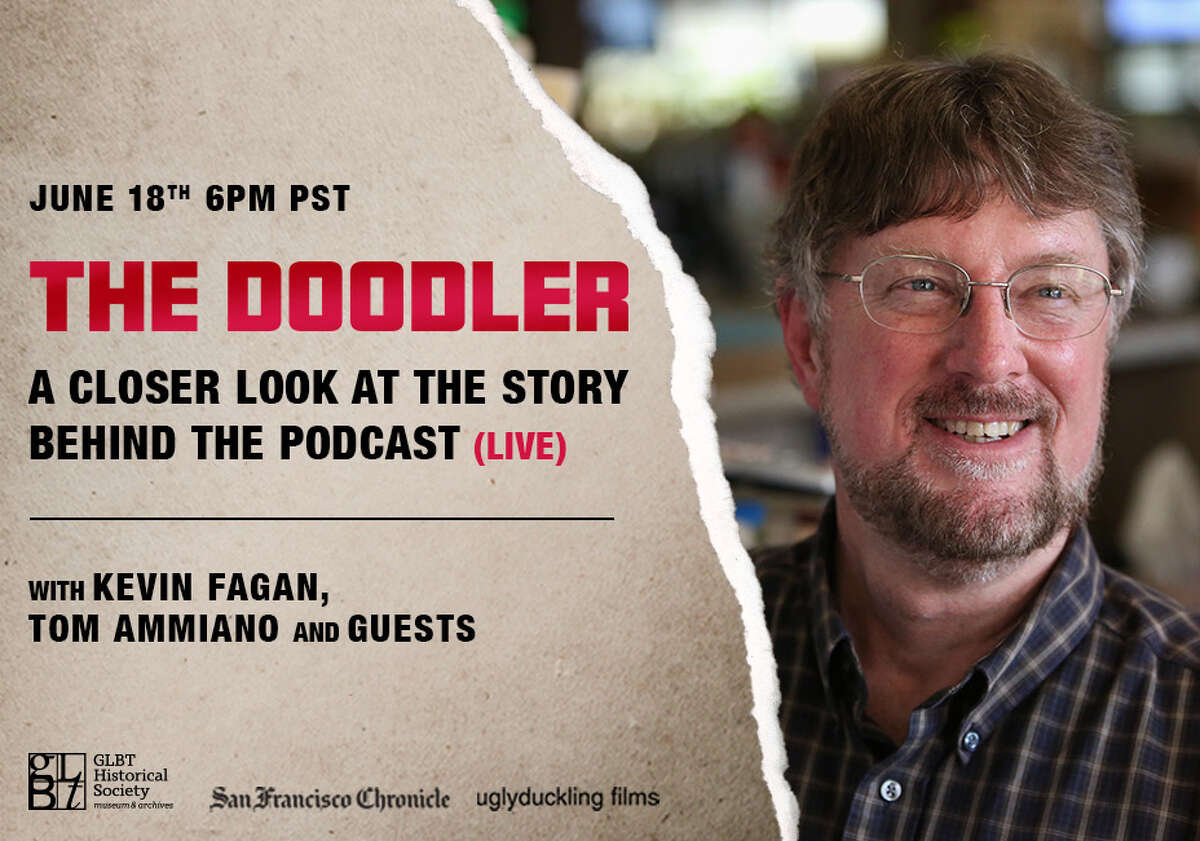
Exploring The Doodler Podcast: A Deep Dive into San Francisco’s Forgotten Cold Case
The Doodler podcast is an eight-part investigative series produced by the San Francisco Chronicle and Ugly Duckling that examines the cold case of an unidentified serial killer who targeted gay men in San Francisco during the mid-1970s...
The Doodler podcast is an eight-part investigative series produced by the San Francisco Chronicle and Ugly Duckling that examines the cold case of an unidentified serial killer who targeted gay men in San Francisco during the mid-1970s. Led by veteran journalist Kevin Fagan, the podcast meticulously reconstructs the crimes, explores the socio-political climate of the era, and investigates potential new leads in hopes of finally identifying the killer.
Contents
The Historical Context of the Doodler Murders
To understand the narrative of the Doodler podcast, one must first understand the environment of San Francisco in the 1970s. The city was a beacon for the LGBTQ+ community, yet it remained a place of profound danger. Between 1974 and 1975, a serial killer—later dubbed "The Doodler" by the press—hunted in the shadows of the city's burgeoning gay scene.
The killer earned his nickname because of a specific calling card: he would sit in bars or late-night diners, strike up a conversation with a victim, and draw a sketch of them before leading them away to be murdered. Despite the brutality of the crimes and a victim count estimated between five and fourteen, the case went cold and largely faded from public memory compared to the Zodiac Killer or the Golden State Killer.
The Doodler podcast argues that this lack of attention was not accidental. In 1970s America, the lives of gay men were often undervalued by law enforcement and the media. The "closet" served as a secondary weapon for the killer; many potential witnesses and even survivors were terrified that testifying would lead to their outing, potentially ruining their careers and family lives. This systemic homophobia created a shield of silence that the podcast aims to dismantle fifty years later.
Production and Narrative Structure
The San Francisco Chronicle, a publication with a long history of covering the city’s darkest chapters, partnered with Ugly Duckling to bring high-quality production values to this investigative project. Kevin Fagan, a Pulitzer Prize-nominated reporter who has covered homelessness and crime for decades, serves as the primary narrator and investigator.
The podcast is structured as a chronological journey through the investigation, but it frequently pivots to examine the cultural ripples of the crimes.
- The Re-opening of the Case: Fagan works alongside retired SFPD investigators to revisit original case files that had been sitting in storage for decades.
- The Victim-Centric Approach: Unlike many true crime series that focus solely on the "genius" or "enigma" of the killer, the Doodler podcast spends significant time humanizing the victims.
- The Survivor Interviews: One of the most haunting aspects of the podcast is the inclusion of interviews with individuals who may have encountered the Doodler and lived to tell the story.
- Modern Forensic Science: As of 2026, DNA technology has advanced significantly. The podcast explores how genetic genealogy—the same tool used to catch the Golden State Killer—might be the key to cracking this case.
Investigating the Suspects and Survivors
A central theme of the podcast is the "Sixth Victim" and the survivors who refused to testify. In 1975, police actually had a primary suspect. However, at the time, three survivors—including a well-known entertainer and a diplomat—declined to identify the suspect in court. Their refusal was based on the legitimate fear that their sexual orientation would become public record during a period when such a revelation was socially and professionally catastrophic.
The podcast delves into the identity of this suspect, exploring where he went after the murders stopped and whether he is still alive today. Fagan’s investigative team tracks down family members, former associates, and law enforcement officers who worked the original beat in the Tenderloin and Castro districts.
By highlighting these survivors, the podcast transforms from a simple "whodunnit" into a commentary on civil rights. It illustrates how the legal and social structures of the 1970s failed to protect a specific segment of the population, effectively granting a serial killer a "license to kill" because his victims were deemed "lesser" by the status quo.
Key Case Details and Timeline
The following table outlines the confirmed victims and the timeline of events documented throughout the podcast series.
| Victim Name | Date of Discovery | Location Found | Notes |
|---|---|---|---|
| Gerald Earl Cavanagh | January 24, 1974 | Ocean Beach, SF | A 49-year-old Canadian immigrant; the first recognized victim. |
| Joseph 'Jae' Stevens | June 25, 1974 | Spreckels Lake, SF | A well-known female impersonator and performer at Finocchio’s. |
| Klaus Christmann | July 7, 1974 | Ocean Beach, SF | A German national; found with a makeup tube, suggesting he was in the scene. |
| Frederick Capin | May 12, 1975 | Ocean Beach, SF | A decorated Vietnam War veteran and nurse. |
| Harald Gullberg | June 4, 1975 | Lincoln Park, SF | A Swedish sailor; his body was found in a state of advanced decomposition. |
| The Primary Suspect | Late 1975 | San Francisco | Detained by police but never charged due to lack of witness testimony. |
Why the Podcast Matters in 2026
While the podcast was originally released in 2021, its relevance has only grown. In 2026, the intersection of true crime media and cold case justice has reached a new peak. The Doodler podcast serves as a blueprint for how to handle sensitive historical crimes.
The Role of Investigative Journalism
The San Francisco Chronicle’s involvement ensures a level of factual rigor that is often missing from independent "bedroom" podcasts. By leveraging the newspaper's archives, the production team was able to find photographs, original interview notes, and contemporary police reports that provide a granular look at the investigation.
Correcting the Historical Record
For decades, the Doodler was a footnote in true crime history. The podcast has successfully moved the needle, forcing both the public and the San Francisco Police Department to acknowledge the gravity of these crimes. It highlights the evolution of the SFPD’s relationship with the LGBTQ+ community, moving from the antagonistic "raid" culture of the 70s to a modern era where cold cases involving marginalized victims are given the resources they deserve.
The Ethical Lens
The podcast avoids the "glorification" trap. It does not treat the Doodler as a shadowy, cool figure of mystery. Instead, it portrays him as a coward who exploited the vulnerabilities of a persecuted community. This ethical approach has made it a favorite among critics who are often wary of the true crime genre's tendencies toward exploitation.
Comparative Analysis: The Doodler vs. Other Investigative Podcasts
In the landscape of true crime, the Doodler podcast is often compared to Serial or The Clearing. However, it differs in its specific focus on historical social justice.
- Vs. Serial: While Serial focused on the ambiguity of a conviction, the Doodler focuses on the absence of a conviction. It is more about the failure of the system than the specifics of a trial.
- Vs. The Golden State Killer Coverage: Unlike the hunt for Joseph DeAngelo, the Doodler case is hampered by the fact that many key witnesses and the suspect himself may have already passed away. The podcast must rely more heavily on "paper trails" and archival evidence.
Frequently Asked Questions
Was the Doodler ever caught?
As of 2026, no one has been officially charged or convicted of the Doodler murders. The podcast identifies a primary suspect who was interviewed by police in the 1970s, but due to the refusal of survivors to testify at the time, the case remained at a standstill. Modern investigations continue to utilize DNA evidence to seek a definitive match.
Why is he called "The Doodler"?
The nickname was coined because the killer would frequent gay bars and diners, where he would approach men and offer to draw their portraits. This "doodling" was a way to establish rapport and lower the victim's guard before he lured them to more secluded areas, such as Ocean Beach.
How many episodes are in the podcast?
The core series consists of eight episodes. Each episode lasts approximately 35 to 45 minutes. Following the initial release, there have been occasional "update" segments as new information or tips come in through the San Francisco Chronicle’s investigative desk.
Where can I listen to the podcast?
The Doodler podcast is available on all major streaming platforms, including Apple Podcasts, Spotify, and the San Francisco Chronicle’s official website. It is free to listen to, though some platforms may require a subscription or feature advertisements.
Is there a reward for information?
The San Francisco Police Department has historically offered a reward for information leading to the arrest and conviction of the person responsible for the Doodler murders. The podcast has been instrumental in keeping this reward and the case details in the public eye, encouraging anyone with family secrets or old photos to come forward.
Final Recommendation
For those interested in true crime that offers more than just shock value, the Doodler podcast is essential listening. It provides a masterclass in investigative journalism and a poignant look at a dark chapter in San Francisco's history. Listeners should start with Episode 1 to understand the chronological progression of the case and pay close attention to the interviews with Kevin Fagan and Michael Taylor, as these provide the most direct insight into the current status of the investigation.
Image Gallery