Why the Conclusion CW Matters for Policy
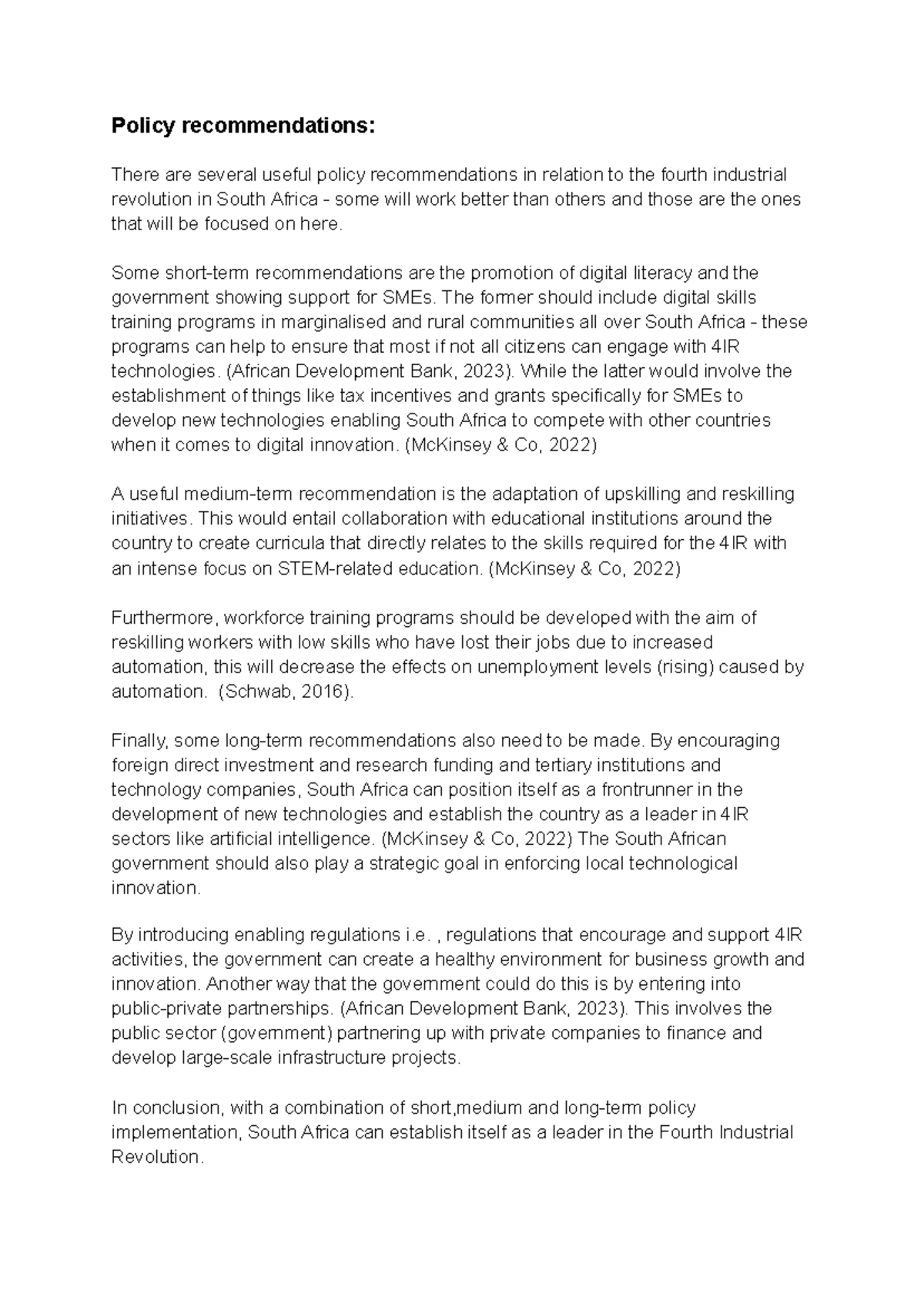
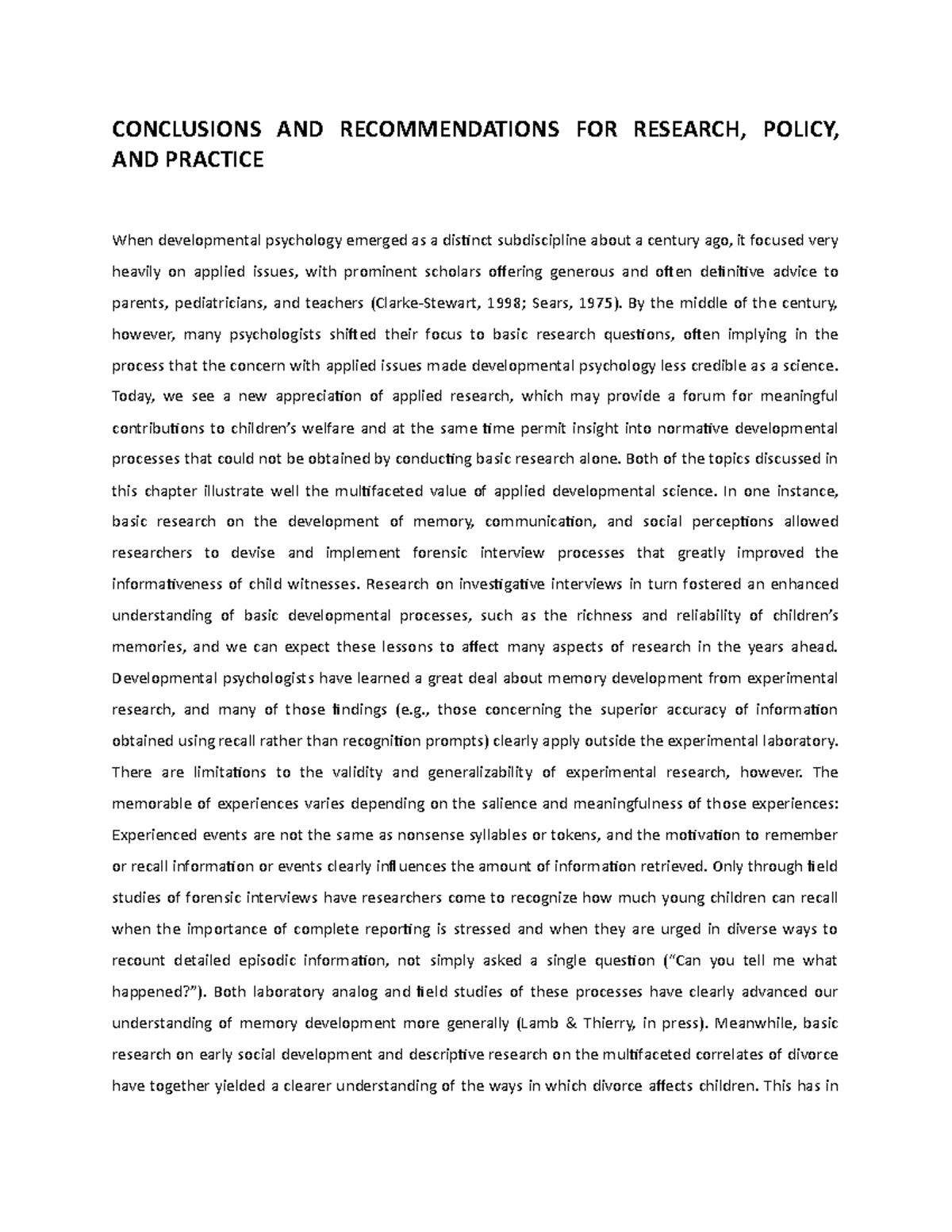
The conclusion of a formal document or investigative report, specifically regarding the components labeled "CW," matters for policy because it serves as the definitive bridge between empirical findings and actionable regulatory, legisl...
The conclusion of a formal document or investigative report, specifically regarding the components labeled "CW," matters for policy because it serves as the definitive bridge between empirical findings and actionable regulatory, legislative, or institutional frameworks. Without a robust and clear concluding section, complex findings risk misinterpretation, leaving policymakers without the necessary analytical footing to draft effective, enforceable rules.
Contents
Understanding the Role of the Conclusion in Policy-Making
In public policy and institutional governance, documents, scientific reports, and technical assessments provide the raw materials for decision-making. However, busy lawmakers and regulatory administrators rarely have the time to parse every granular data point within a hundred-page study. They rely on the conclusion to summarize the core implications, identify risk thresholds, and outline the broader consequences of inaction.
When a report concludes with specific findings designated under "CW," it focuses attention on targeted variables. Whether "CW" refers to a specific chemical weapon context, a cryptographic weakness framework, or a critical workflow metric, the concluding synthesis frames how those variables interact with existing legal and regulatory architectures. A well-crafted conclusion does not merely repeat earlier data; it evaluates the data's weight, contextualizes its limitations, and spells out what will happen if policy fails to adapt.
The Structural Anatomy of a Policy-Relevant Conclusion
A rigorous conclusion that successfully influences policy contains distinct structural elements designed to withstand legal, economic, and scientific scrutiny. Understanding these components explains why policymakers prioritize them during the drafting of new legislation or administrative guidelines.
- Synthesis of Core Findings: It distills complex analytical data into concise takeaways without losing technical accuracy.
- Risk and Impact Assessment: It explicitly outlines the tangible consequences—economic, safety-related, or operational—of current policy gaps.
- Actionable Recommendations: It provides direct, implementable guidance that can be translated directly into statutory language or regulatory mandates.
- Acknowledgment of Limitations: It details the boundaries of the study, preventing overreach and protecting policy from legal challenges based on flawed extrapolation.
When these elements are missing or poorly articulated in the conclusion, the entire document loses its utility for governance. Policymakers require a clear line of sight from evidence to execution, which only a disciplined conclusion can provide.
Practical Impacts on Legislative and Regulatory Frameworks
The influence of a definitive conclusion extends deep into the machinery of government agencies and legislative bodies. When a report’s conclusion highlights urgent structural vulnerabilities or performance gaps, it triggers specific administrative responses.
| Stage of Policy Lifecycle | How the Conclusion Influences the Stage | Potential Risks of a Weak Conclusion |
|---|---|---|
| Agenda Setting | Elevates specific issues from technical debates to priority legislative items. | Issues remain buried in academic or technical silos without political traction. |
| Drafting & Consultation | Provides precise terminology and benchmarks for statutory definitions. | Ambiguous wording leads to loopholes, legal challenges, and non-compliance. |
| Implementation | Establishes the baseline metrics against which regulatory enforcement is measured. | Agencies lack clear enforcement criteria, resulting in inconsistent oversight. |
| Review & Amendment | Offers evaluation criteria to determine whether existing rules achieved their goals. | Inability to measure policy effectiveness leads to stagnant or obsolete regulations. |
Without a strong concluding anchor, regulatory bodies often struggle to justify new compliance burdens to oversight committees or the judiciary. The conclusion provides the foundational justification required to withstand intense lobbying and legal pushback.
Common Shortfalls in Technical Conclusions and Policy Disconnects
Despite their importance, many technical reports and investigative summaries fail to bridge the gap toward effective policy. Recognizing these common pitfalls helps analysts write more impactful conclusions and helps policymakers filter out inconclusive or biased material.
Overstated Certainty and Speculative Claims
A frequent error in concluding sections is the transition from empirical observation to broad, unsupported political prescriptions. When authors use the conclusion to advocate for ideological positions not strictly supported by their data, it damages the credibility of the entire document. Policymakers who rely on overextended conclusions risk passing flawed laws that are easily overturned in court.
Ambiguous Actionable Takeaways
If a conclusion ends with vague observations such as "further research is needed" or "stakeholders should remain vigilant," it fails the policy test. Lawmakers need concrete thresholds, timelines, and operational requirements. Ambiguity paralyzes regulatory agencies, leaving them without the mandate to issue binding rules or allocate enforcement budgets.
Ignoring Economic and Operational Realities
Policies cannot exist in a vacuum. A major reason conclusions fail to influence real-world outcomes is their neglect of implementation costs, compliance friction, and enforcement feasibility. A conclusion that ignores these practical constraints results in policies that look good on paper but fail completely in practice.
Best Practices for Drafting Policy-Driven Conclusions
To maximize the real-world impact of technical or analytical findings, authors and researchers must approach the conclusion with the needs of policy drafters in mind.
- Maintain Strict Neutrality: Ground every concluding sentence in the data presented earlier in the body of the report. Avoid emotional language or unverified predictions.
- Use Precision Language: Employ terms that can be directly mapped into legal definitions, technical standards, or regulatory compliance metrics.
- Prioritize Clarity Over Brevity: While conciseness is vital, never sacrifice necessary nuance. If a policy recommendation has important exceptions or jurisdictional limits, state them clearly.
- Address Stakeholder Impact: Explicitly identify who will be affected by the proposed regulatory shifts, including regulated entities, enforcement agencies, and the public.
Frequently Asked Questions
What makes a conclusion useful for lawmakers?
A useful conclusion directly connects verified empirical findings to concrete regulatory choices. It outlines specific risks, provides realistic timelines, and avoids speculative or politically charged language that could undermine its credibility.
Why do some technical conclusions fail to influence policy?
Many conclusions fail because they are either too vague to be translated into law or they ignore practical economic and operational constraints. Without clear metrics and actionable steps, lawmakers cannot write enforceable rules based on the text.
How do regulatory agencies use these conclusions?
Agencies use them to establish baselines for compliance, design monitoring frameworks, and justify new administrative rules to oversight bodies and courts during the rulemaking process.
Can a weak conclusion invalidate an otherwise strong report?
While the underlying data remains valuable, a weak conclusion significantly reduces the report's utility for governance. Lawmakers and policy analysts often discard documents that do not clearly synthesize their findings into actionable takeaways.
What is the danger of overstated claims in policy conclusions?
Overstated claims invite intense legal challenges from affected industries and stakeholders. When a policy is built on speculative conclusions rather than solid evidence, courts frequently strike down the resulting regulations for lacking a rational basis.
Conclusion and Next Actions
The conclusion of a critical document acts as the definitive translation layer between complex analysis and enforceable governance. For policy professionals, technical writers, and institutional analysts, ensuring that this final section is precise, grounded, and actionable is essential for meaningful regulatory reform. Review existing reporting standards within your organization today to ensure that every analytical summary includes clear risk thresholds, explicit operational limitations, and direct guidance for decision-makers.
Image Gallery