The Life and Death of George Reeves: Analyzing the Circumstances
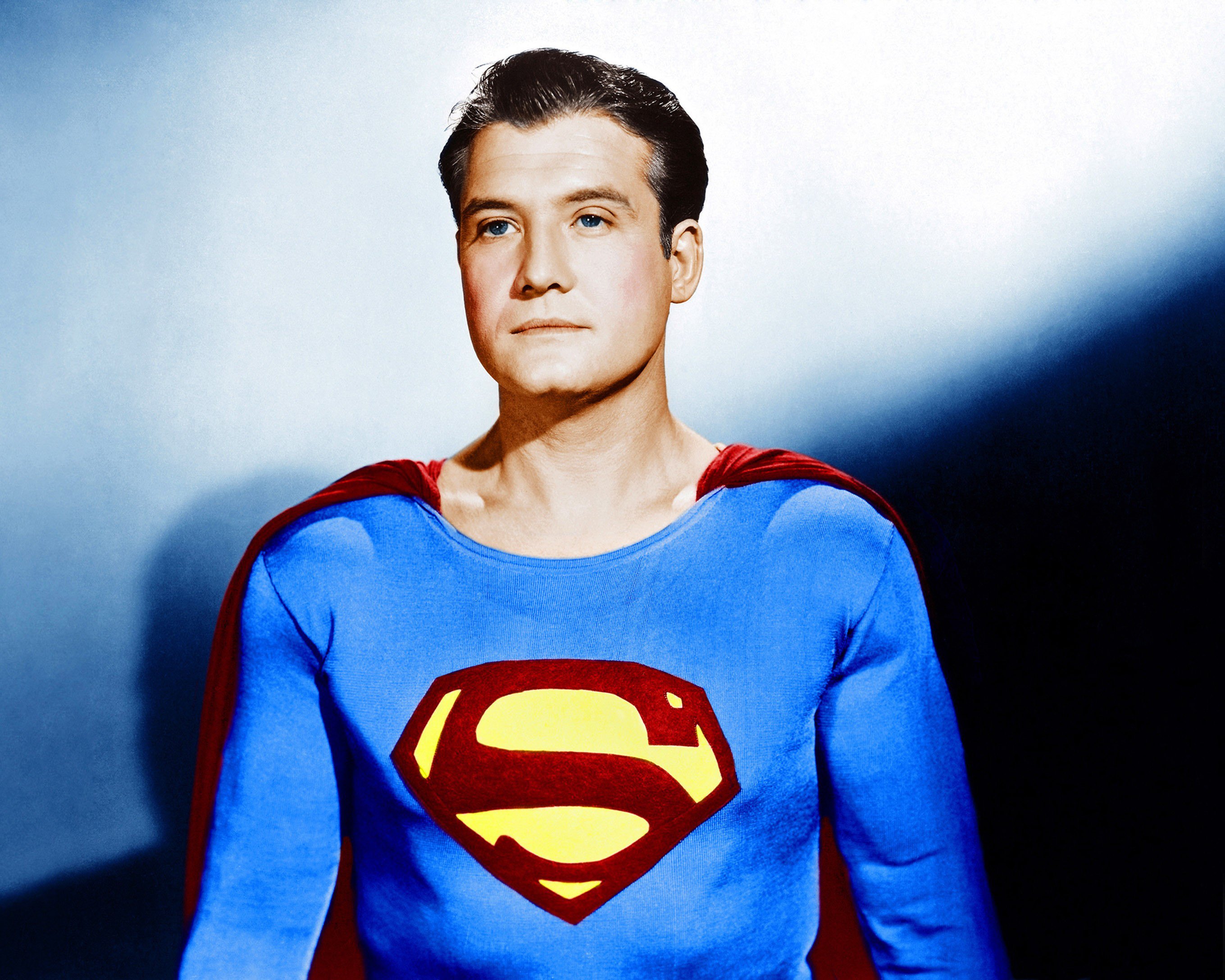
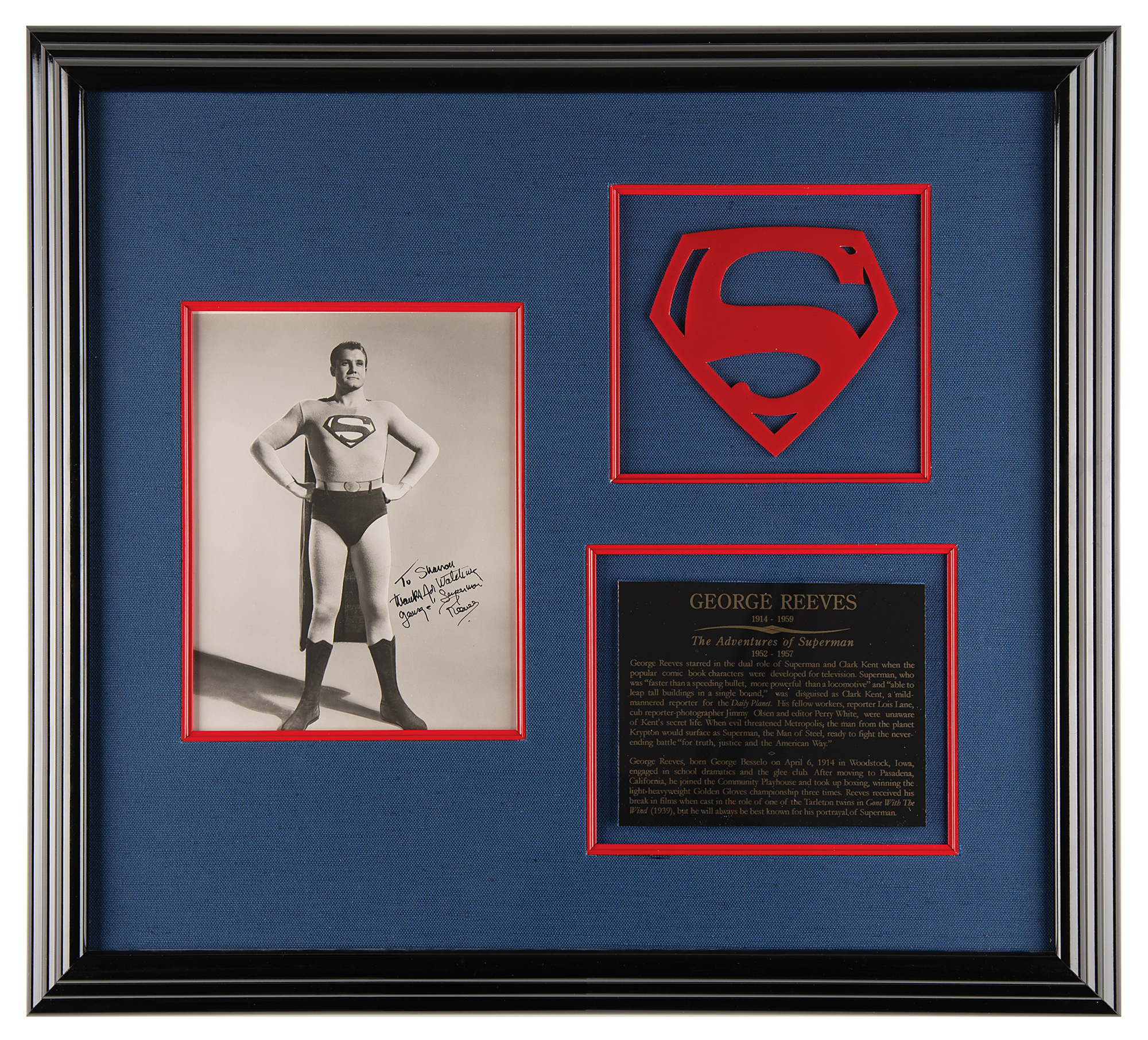
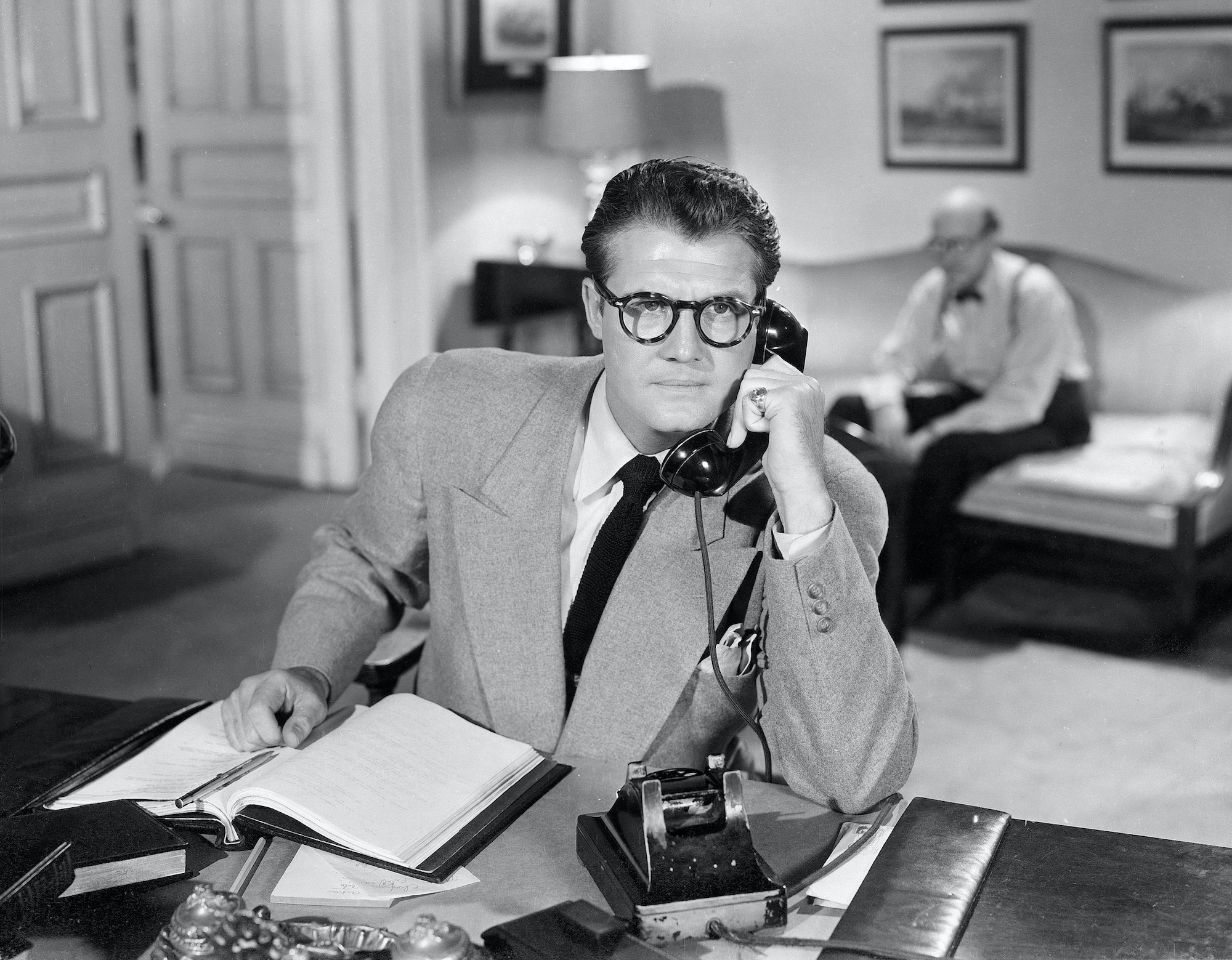
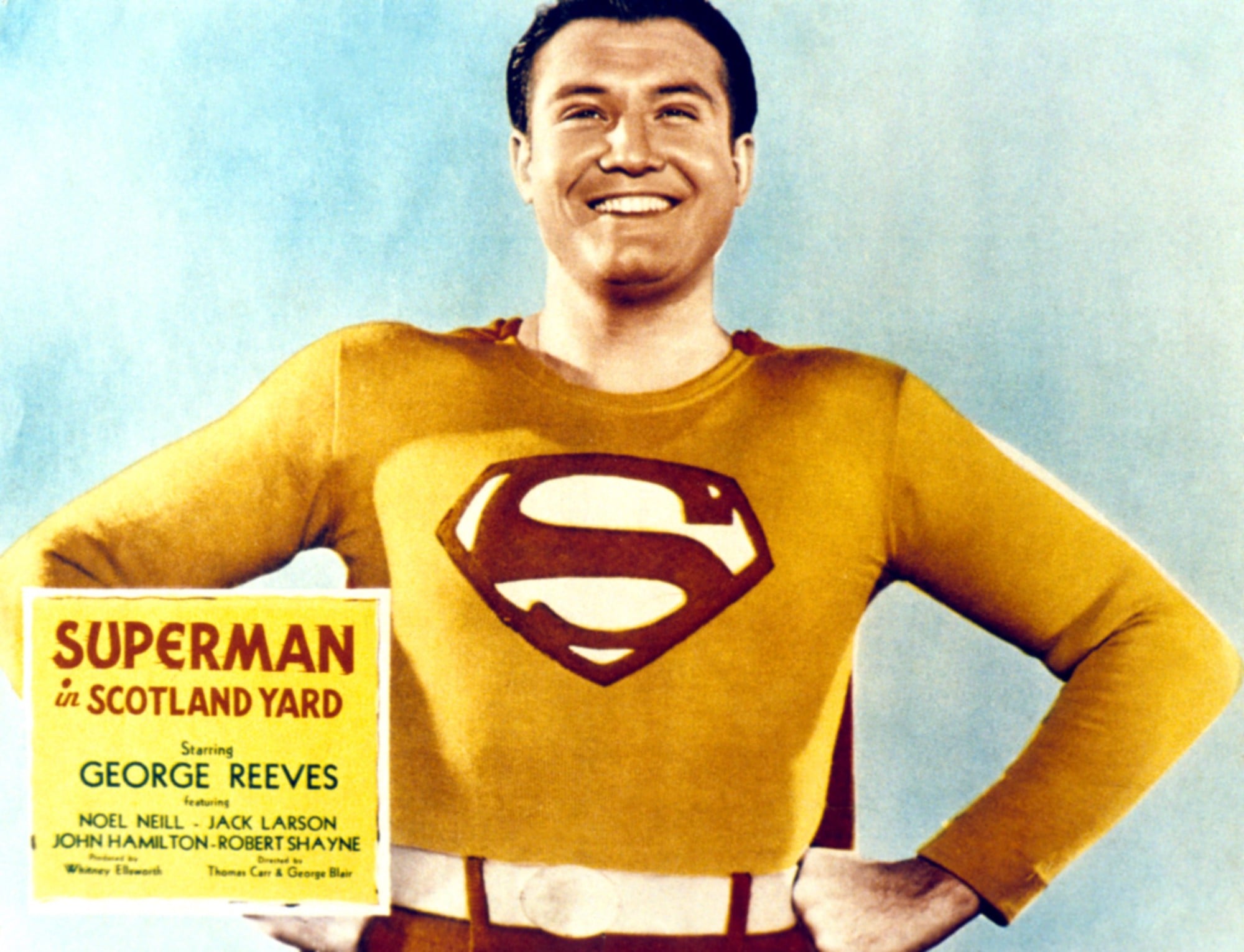
George Reeves, the actor best known for his iconic portrayal of Superman in the 1950s television series Adventures of Superman, died from a single gunshot wound to the head in his Benedict Canyon home on June 16, 1959. While the Los An...
George Reeves, the actor best known for his iconic portrayal of Superman in the 1950s television series Adventures of Superman, died from a single gunshot wound to the head in his Benedict Canyon home on June 16, 1959. While the Los Angeles Police Department officially ruled his death a suicide, persistent questions surrounding the evidence and his personal life have fueled decades of public speculation and competing theories.
Contents
The Official Findings: A Suicide Ruling
On the night of June 16, 1959, George Reeves was in his home at 1579 Benedict Canyon Drive in Los Angeles. Present in the house were his fiancée, Leonore Lemmon, and three guests: William Bliss, Carol Van Ronkel, and screenwriter Robert Condon. According to testimony provided to investigators, Reeves had retired to his upstairs bedroom after an evening of drinking. Shortly thereafter, a gunshot was heard.
The subsequent police investigation concluded that Reeves, suffering from depression regarding his stalled career and the typecasting associated with the Superman role, had taken his own life. The coroner’s office noted that the blood alcohol concentration of the actor was significantly high at the time of the event. The presence of a Luger pistol between his feet, the lack of signs of a struggle in the room, and his history of depressive episodes were cited as the primary pillars of the official suicide ruling. For law enforcement at the time, the narrative of a man overwhelmed by the pressures of Hollywood fame was sufficient to close the case.
Persistent Doubts and Alternative Theories
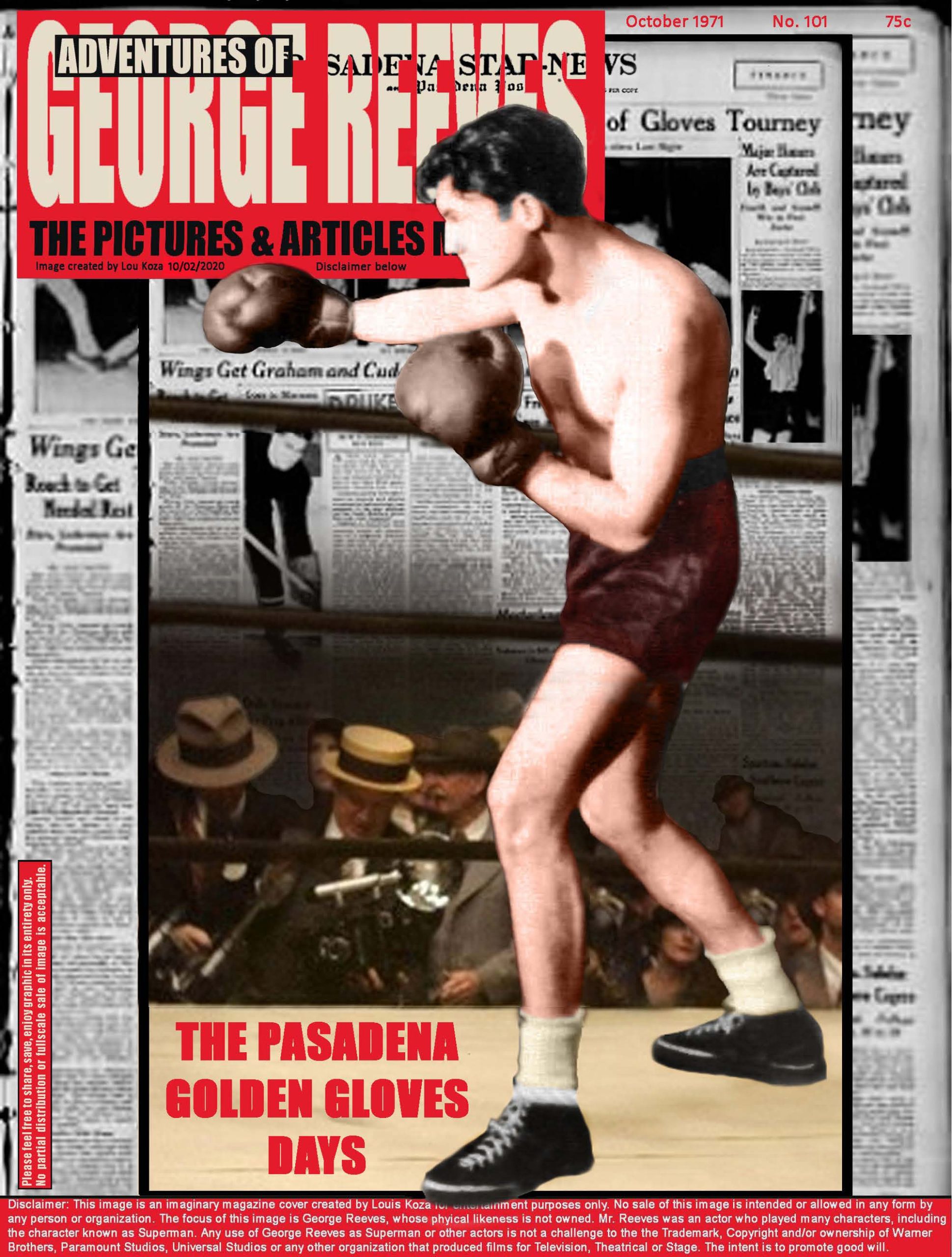
Despite the official report, several inconsistencies were highlighted by friends, family, and amateur investigators almost immediately after the death. The most vocal critic of the suicide ruling was Helen Bessolo, Reeves' mother. She hired private investigator Milo Speriglio to examine the scene, arguing that her son was in high spirits and planning a future with Lemmon.
The primary points of contention regarding the death include:
- The Physical Evidence: Investigators discovered two bullet holes in the bedroom floor that were not immediately accounted for in the initial police report. Some theorists have argued these represent a struggle, while others suggest they were the result of accidental discharges.
- Lack of Gunshot Residue: Critics frequently point to the absence of gunpowder residue on Reeves’ hands, which they claim would have been present if he had fired the weapon himself.
- Witness Testimony: The behavior of the guests in the house that night was described as strange by later investigators. Reports suggested that there was a significant delay between the sound of the gunshot and the time the guests summoned the police, leading to speculation that the group was conferring on a story.
Professional Frustrations and Personal Challenges
To understand the context of the 1959 event, one must evaluate the psychological and professional state of George Reeves at the time. By 1959, the Adventures of Superman television series had been on hiatus for nearly two years. Reeves was reportedly trapped in a cycle of limited career opportunities, with producers and casting directors unable to see him as anything other than the Man of Steel.
His financial situation was also complex. While he was a recognizable face, the residuals from the television series were not what they would become in later decades. He lived in a house that was heavily mortgaged, and he struggled with the emotional toll of professional stagnation. These factors are often cited by historians as contributing to a state of emotional volatility, even if they do not provide definitive evidence of intent for the night in question.
Comparison of Perspectives on the 1959 Incident
| Perspective | Core Argument | Primary Evidence Cited |
|---|---|---|
| LAPD Official Ruling | Suicide due to personal despair | High blood alcohol, suicide note (disputed), isolation |
| Helen Bessolo/Speriglio | Foul play involving associates | Lack of GSR, questionable witness timing |
| Biographical Consensus | Death remains an open-ended mystery | Inconsistent physical evidence and testimony |
The Influence of Hollywood Culture in the 1950s
The environment of 1950s Hollywood played a role in how the death was investigated and subsequently processed by the public. The studio system exerted significant control over the reputations of its stars. When a major television icon like George Reeves died under scandalous circumstances, there was an institutional desire to minimize public controversy. The swift closure of the investigation by the LAPD is often viewed through this lens, with critics suggesting that the police may have been pressured to avoid a prolonged investigation that could have implicated influential figures in the film industry.
Furthermore, the lack of modern forensic techniques in 1959 meant that evidence—such as fingerprints on the weapon or precise trajectory analysis—was not handled with the scrutiny that would be applied in a similar case today. This technological gap has allowed for the creation of a "vacuum of certainty," which has been filled by books, films, and investigative documentaries for over sixty years.
Frequently Asked Questions
Was a suicide note ever found? No legitimate suicide note was ever recovered. While some rumors persisted that a note existed, no physical document was presented to the authorities or the family that definitively indicated an intention to end his life.
Did George Reeves have a history of suicidal ideation? While friends noted he was prone to bouts of sadness and frustration regarding his career, there was no documented medical history of suicide attempts. His family and close friends consistently maintained that he was planning for the future, including a planned wedding to Leonore Lemmon.
Why were the bullet holes in the floor considered evidence of foul play? Some investigators argued that these holes indicated a struggle or a warning shot fired during an altercation. Opposing forensic analysis has suggested they may have been "old" holes from a previous incident or accidental discharges, keeping the true nature of the scene a point of contention.
What was the role of the guests in the room? The guests, including Lemmon and Condon, were the only people with direct access to the house that night. Their collective narrative remained the basis for the investigation, though their failure to call for emergency services immediately after the sound of the gunshot remains one of the most debated aspects of the incident.
Has the case ever been officially reopened? The case has been subject to various private investigations and requests for reopening, but official law enforcement agencies have maintained that the case is closed based on the original 1959 evidence.
Conclusion and Next Actions
The death of George Reeves remains one of Hollywood’s most enduring mysteries. While the official record points to suicide, the persistent gaps in the evidence and the questionable conduct of the witnesses ensure that the conversation continues. For those researching this topic, it is advisable to consult the primary coroner’s reports and the specific testimony logs published in historical archives rather than relying on dramatized accounts. Evaluating the original documents provided by the Los Angeles County Department of Medical Examiner offers the clearest window into the limits of the initial investigation.
Image Gallery