Ian Foster Net Worth in 2026: Career Earnings, Coaching Contracts, and Financial Profile
Ian Foster holds an estimated net worth of approximately $3 million to $5 million as of 2026, accumulated primarily through a distinguished, high-profile career as a professional rugby union player and elite international head coach. B...
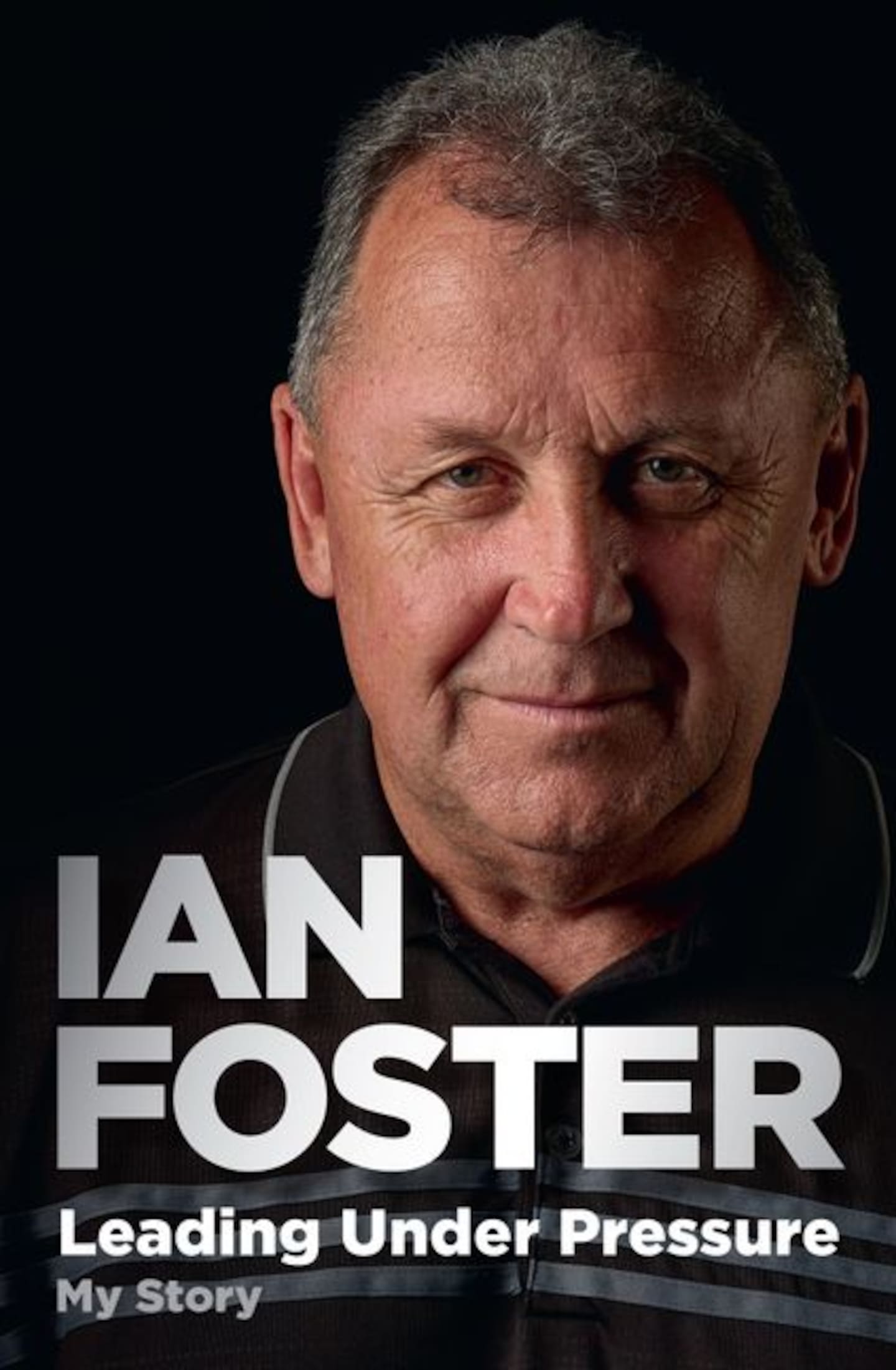
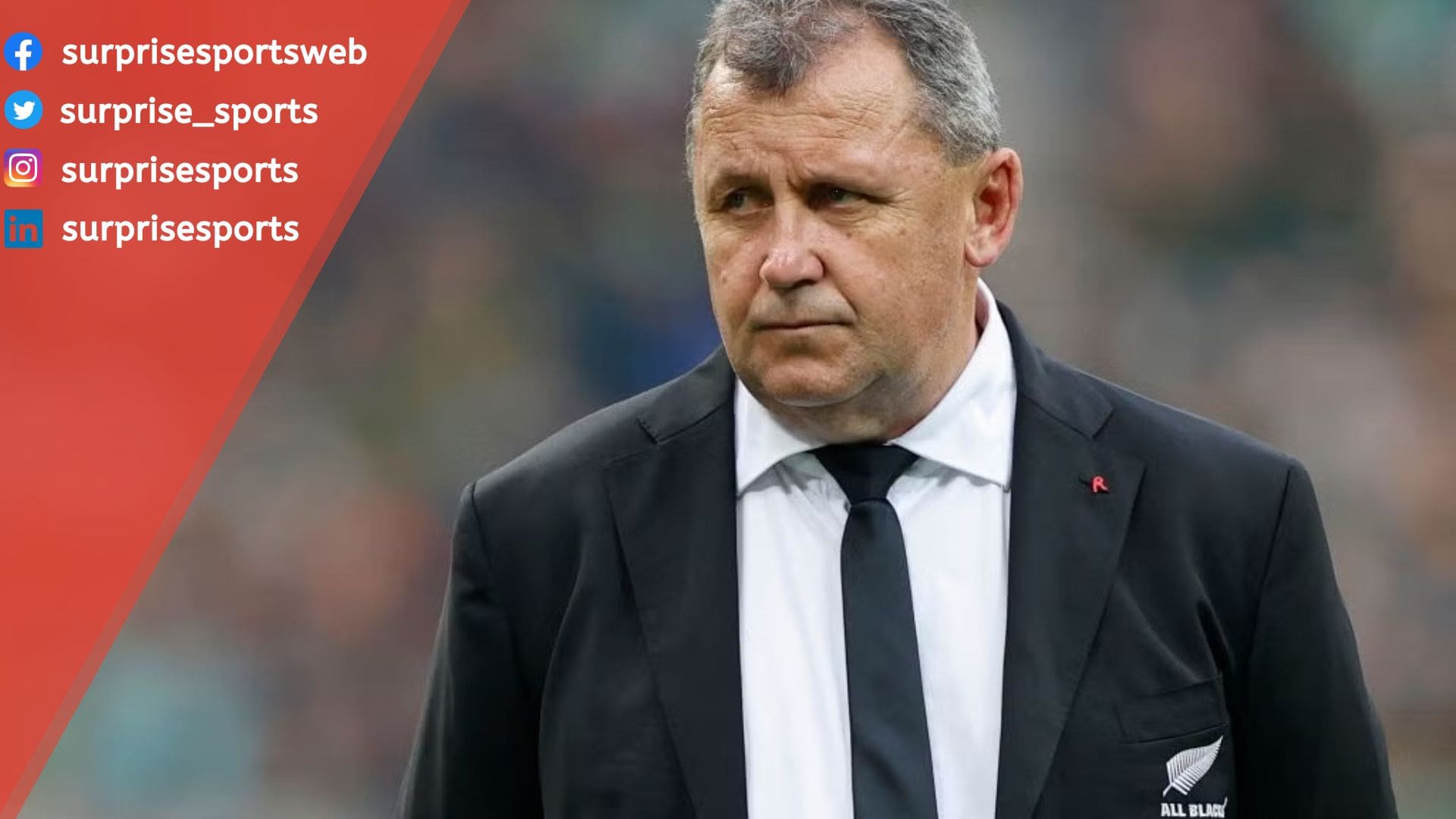
Ian Foster holds an estimated net worth of approximately $3 million to $5 million as of 2026, accumulated primarily through a distinguished, high-profile career as a professional rugby union player and elite international head coach. Best known for his tenure leading the New Zealand All Blacks to a Rugby World Cup final in 2023, Foster's financial standing reflects decades of leadership at the pinnacle of global rugby, supplemented by lucrative coaching contracts, performance bonuses, and long-term commercial endorsements.
Contents
Understanding the financial profile of a high-performance sports coach requires looking beyond basic salary figures. It involves evaluating international governing body compensation structures, global coaching market rates, severance or transition agreements, and the broader economics of elite rugby union. This analysis breaks down the sources of Ian Foster's wealth, his career trajectory, and the financial realities of elite sports management.
The Economics of Elite Rugby Coaching: Understanding Ian Foster’s Earning Power
To understand Ian Foster’s net worth, one must examine the macroeconomic environment of professional rugby union. While rugby lags behind sports like soccer, American football, and basketball in terms of sheer media rights revenue and athlete compensation, elite head coaching positions—particularly those governing tier-one international teams like New Zealand, South Africa, England, and France—command substantial multi-year contracts.
As the head coach of the All Blacks from late 2019 through the conclusion of the 2023 Rugby World Cup, Ian Foster operated at the apex of New Zealand Rugby (NZR) administration. While New Zealand Rugby is known for operating under tighter financial constraints compared to rugby unions backed by European private equity or Six Nations broadcasting windfalls, national team head coach salaries are historically among the highest-paid public-facing roles in the country.
During his tenure, Foster's annual base compensation from NZR was reported by domestic sports media to sit within the NZ$1 million to NZ$1.5 million bracket (approximately $600,000 to $900,000 USD), positioning him comfortably among the highest earners in New Zealand professional sports. These figures typically included performance-related incentives tied to Bledisloe Cup victories, Rugby Championship titles, and World Cup advancement milestones.
Career Trajectory: From Domestic Success to International Leadership
Ian Foster’s earning capacity evolved systematically over a multi-decade coaching career that progressed from provincial rugby to Super Rugby and ultimately to the international stage.
Provincial and Super Rugby Foundations
Foster's professional coaching journey began in the early 2000s. He served as the head coach of the Chiefs in Super Rugby from 2004 to 2011, establishing a reputation for building competitive, attacking squads. During this era, Super Rugby coaching contracts, while respectable, were considerably lower than modern valuations. Nevertheless, nearly a decade at the helm of a major Super Rugby franchise provided a stable, lucrative platform and cemented his standing as an elite-tier tactician.
All Blacks Assistant Tenure (2012–2019)
In 2012, Foster was appointed as an assistant coach to Steve Hansen within the All Blacks coaching setup. Serving through an era of unprecedented international dominance—which included winning the 2015 Rugby World Cup—elevated Foster's market value significantly. Assistant coaching roles for tier-one international powerhouses carry competitive salaries, often enhanced by per-diem allowances during extended global tours and shared tournament bonuses.
All Blacks Head Coach Era (2019–2023)
Foster’s elevation to head coach following the 2019 Rugby World Cup represented his peak earning window. Despite weathering intense public scrutiny and media pressure regarding team performance during his early years, his contract was extended through the 2023 World Cup in France, where the All Blacks narrowly finished as runners-up to South Africa. This four-year cycle represented the most financially rewarding phase of his career, securing his long-term financial independence.
| Career Phase | Role | Organization | Estimated Earning Tier |
|---|---|---|---|
| 2004–2011 | Head Coach | Chiefs (Super Rugby) | Mid-level professional sports salary |
| 2012–2019 | Assistant Coach | New Zealand All Blacks | Upper-tier international assistant compensation |
| 2019–2023 | Head Coach | New Zealand All Blacks | Peak international coaching contract ($600K–$900K+ USD annually) |
| 2024–Present | Post-All Blacks / Global Consultant | International Rugby Market | Lucrative short-term advisory and league contracts |
Post-All Blacks Ventures and Global Consulting Opportunities
When elite international coaches conclude high-pressure national team contracts, their earning potential frequently pivots toward short-term consulting, global club appointments, media engagements, and executive leadership advisory roles.
Following the conclusion of his All Blacks contract in late 2023, Foster remained a sought-after figure in global rugby. International coaching talent is routinely courted by emerging rugby markets, Japanese Rugby League One franchises, and European clubs seeking experienced leadership. Contracts in the Japan Rugby League One, for instance, are widely recognized for offering lucrative remuneration packages to former tier-one international head coaches.
Engaging in these global opportunities allows elite coaches to supplement their career savings significantly without enduring the year-round, high-stress demands of a tier-one national program. These secondary income streams contribute substantially to maintaining and growing a high-net-worth portfolio into 2026.
Wealth Management and Asset Diversification for Elite Coaches
Professional sports figures and high-earning coaches typically diversify their capital to protect long-term financial security. While exact details of Ian Foster’s private investment portfolio remain confidential, standard wealth management practices for individuals in his financial bracket generally involve a balanced mix of traditional asset classes:
- Real Estate Holdings: Property investment represents a cornerstone of long-term wealth preservation in New Zealand and international markets. Prime residential and commercial real estate acquisitions typically form a significant baseline for career sports earners.
- Retirement and Pension Structures: Long-term service agreements with national sports bodies often incorporate structured retirement contributions, performance annuities, and insurance policies tailored to high-profile executives.
- Private Investments and Advisory Roles: Many veteran coaches leverage their leadership and team-building expertise to take on board advisory roles, corporate speaking engagements, and equity positions in sports tech or wellness ventures.
Frequently Asked Questions
What was Ian Foster’s salary as the All Blacks head coach?
While New Zealand Rugby protects the exact confidentiality of individual executive compensation, public reporting and sports industry benchmarks estimated Ian Foster’s annual base salary between NZ$1 million and NZ$1.5 million, supplemented by performance-based bonuses tied to tournament outcomes.
Does Ian Foster still coach professional rugby?
Following the conclusion of his contract with New Zealand Rugby after the 2023 Rugby World Cup, Foster transitioned away from the All Blacks role. He remains active in the global rugby ecosystem through consulting, short-term assignments, and advisory opportunities within international rugby markets.
How does Ian Foster’s net worth compare to other rugby coaches?
Ian Foster’s net worth aligns with elite tier-one international head coaches such as Eddie Jones or Warren Gatland. While rugby coaching net worths remain modest compared to managers in European association football or the NFL, top-tier international rugby coaches comfortably achieve multi-million dollar net worths over long careers.
What factors contributed most to Ian Foster’s net worth?
The primary driver of Foster’s wealth is his multi-decade involvement at the highest levels of New Zealand rugby, culminating in his four-year tenure as All Blacks head coach, combined with smart property investments and post-national team consulting contracts.
Next Actions and Financial Insights
For readers tracking the business of sports management, evaluating net worth figures requires distinguishing between active annual income and accumulated capital. While high-profile coaching contracts generate substantial earnings, long-term wealth preservation depends heavily on post-career asset management, real estate allocation, and strategic advisory work in emerging sports markets. Those interested in the financial mechanics of professional sports can further explore sports union governance reports and global coaching market analyses published by major rugby business analysts.
Image Gallery