How to Use Digital Thermometers: A Complete Guide for Accurate Temperature Readings
To use a digital thermometer accurately, clean the sensor with rubbing alcohol, power on the device, and place the probe in the specific "heat pocket" (under the tongue for oral use) or against the target area. Wait for the audible bee...
To use a digital thermometer accurately, clean the sensor with rubbing alcohol, power on the device, and place the probe in the specific "heat pocket" (under the tongue for oral use) or against the target area. Wait for the audible beep before removing the device to ensure a stabilized reading.
Contents
Effective health monitoring begins with accurate data. In 2026, digital thermometers remain the most accessible and reliable tool for home diagnostics, yet improper technique frequently leads to misleading results. Whether you are using a standard stick thermometer, an infrared temporal scanner, or a tympanic ear device, understanding the underlying mechanics and procedural requirements is essential for determining when professional medical intervention is necessary.
Understanding Digital Thermometer Technology
Before performing a reading, it is vital to understand that "digital thermometer" is a broad term covering several distinct technologies. Most consumer models fall into two categories: thermistors and infrared sensors.
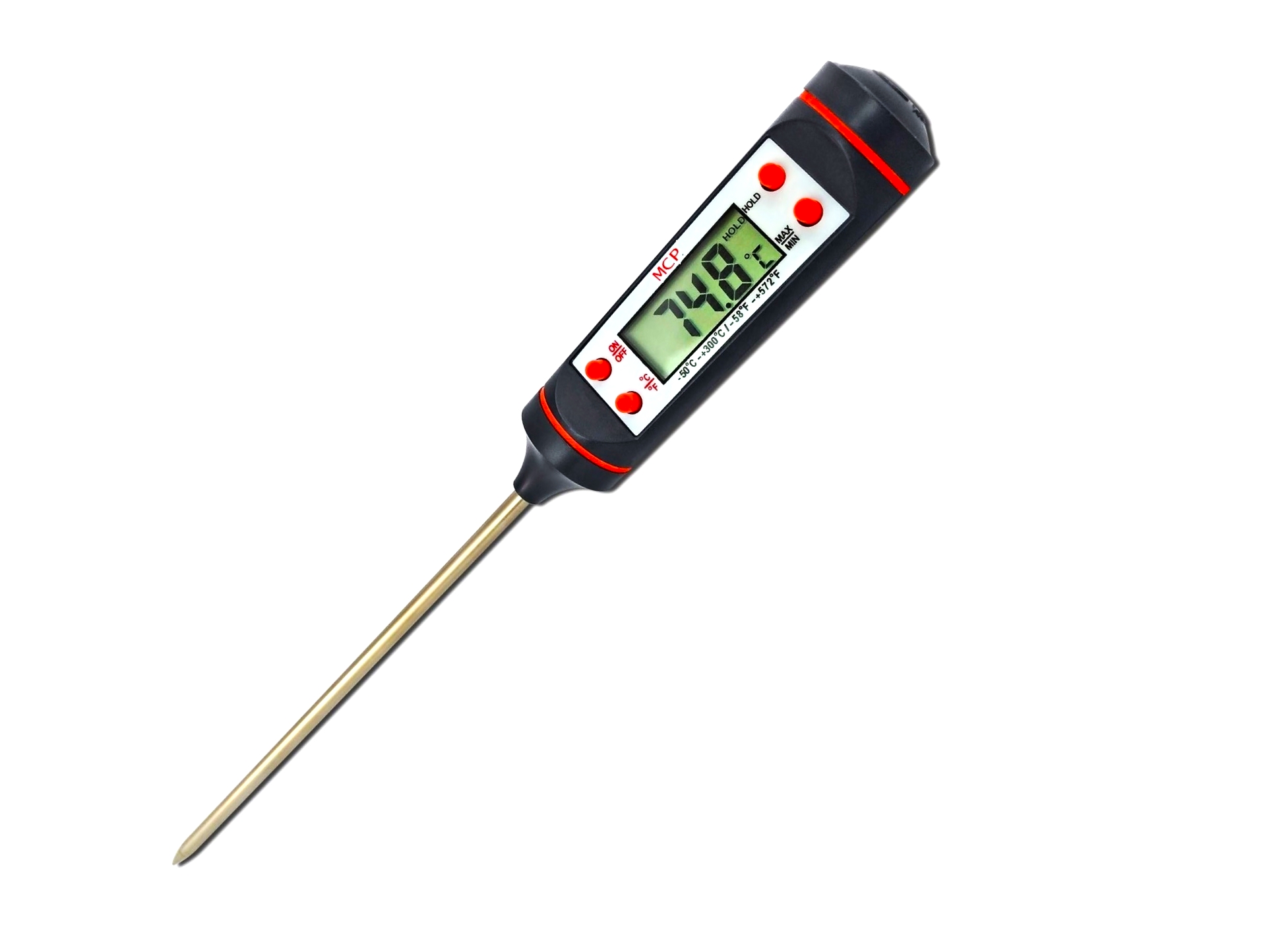
Thermistors are found in standard "stick" thermometers used for oral, rectal, or axillary (armpit) readings. These devices contain a heat-sensitive resistor that changes its electrical resistance based on temperature. The internal processor converts this resistance into a digital readout. These are highly accurate but require direct contact with mucous membranes or skin for several seconds.
Infrared (IR) Thermometers include forehead (temporal) and ear (tympanic) scanners. These measure the infrared energy emitted by the body. Because they do not always require direct contact and provide results in seconds, they are preferred for restless children or high-traffic environments. However, they are more sensitive to environmental factors like room temperature and sweat.
Essential Prerequisites for Accuracy
You cannot simply pick up a thermometer and expect a medical-grade result without preparation. External variables significantly influence body temperature.
- The 30-Minute Rule: Ensure the individual has not eaten, drank (especially hot or cold liquids), smoked, or exercised for at least 30 minutes before taking a temperature. These activities alter the local temperature of the mouth or skin, leading to false positives or negatives.
- Acclimatization: If the thermometer or the person has just come from a significantly different environment (e.g., coming inside from the cold), wait 15 to 20 minutes for the body and the sensor to stabilize at room temperature.
- Sanitization: Always clean the probe before and after use with 70% isopropyl alcohol. Even if using a probe cover, residual oils can interfere with sensor sensitivity over time.
- Battery Verification: Low battery levels are a primary cause of "flickering" results or "Err" messages. In 2026, most high-end models utilize CR2032 lithium batteries or rechargeable cells; ensure the low-battery indicator is not active.
How to Use a Digital Stick Thermometer
The standard digital stick thermometer is a versatile tool capable of three different measurement methods. The choice depends largely on the age of the patient.
Oral Temperature (Ages 4 and Up)
Oral readings are the standard for adults and older children who can follow instructions.
- Placement: Place the tip of the thermometer in the "heat pocket" located under the tongue, towards the back of the mouth. This area is closest to the sublingual artery.
- Technique: The patient must keep their mouth closed tightly around the thermometer. Breathing through the nose is essential; air entering the mouth will cool the tissues and lower the reading.
- Duration: Hold the device steady until it beeps. Avoid biting the probe, as this can damage the sensor.
Rectal Temperature (Infants and Toddlers)
Medical professionals, including those at the Mayo Clinic, consider rectal readings the "gold standard" for children under age three because they provide the most accurate core body temperature.
- Preparation: Apply a small amount of water-soluble lubricant (like petroleum jelly) to the tip of the probe.
- Positioning: Place the child on their stomach across your lap or on a firm surface.
- Insertion: Gently insert the probe into the rectum, no further than 1/2 inch to 1 inch. Never force the thermometer if you meet resistance.
- Safety: Hold the thermometer in place with your fingers the entire time to prevent the child from moving and causing injury.
Axillary Temperature (Any Age)
Taking a temperature under the arm is the least invasive but also the least accurate method. It is generally used for screening rather than definitive diagnosis.
- Placement: Ensure the armpit is dry. Place the probe tip directly into the center of the armpit so it touches only skin, not clothing.
- Technique: Press the arm firmly against the side of the body to seal the thermometer in place.
- Interpretation: Axillary readings are typically about 1°F (0.6°C) lower than oral readings.
How to Use Infrared and Specialty Thermometers
Infrared technology allows for rapid, non-invasive measurement, but the technique is less forgiving than traditional contact methods.
Temporal Artery (Forehead) Scanners
These devices measure the temperature of the blood flowing through the temporal artery.
- Clear the Area: Ensure the forehead is free of hair, hats, or sweat. Moisture on the skin causes evaporative cooling, which can result in a falsely low reading.
- The Scan: Most models require you to hold the button and scan the sensor across the forehead to the temple. Some "touchless" models require you to hold the device exactly 1 to 2 inches away from the center of the forehead.
- Stability: Keep the device perpendicular to the skin. Tilting the sensor can cause it to pick up ambient air temperature instead of body heat.
Tympanic (Ear) Thermometers
Tympanic devices measure the infrared heat radiating from the eardrum.
- The Pull Technique: For adults, gently pull the outer ear up and back to straighten the ear canal. For children under one year, pull the ear straight back. This ensures the sensor has a clear "line of sight" to the eardrum.
- Probe Covers: Always use a fresh, manufacturer-approved probe cover. Earwax buildup on the lens is the most common reason for inaccurate tympanic readings.
- Consistency: Always use the same ear for consecutive readings, as measurements can vary slightly between the left and right ear canals.
Comparing Digital Thermometer Methods
| Method | Best For | Pros | Cons |
|---|---|---|---|
| Oral | Adults/Older Children | Accurate, convenient | Affected by food/drink, requires nose breathing |
| Rectal | Infants (0-3 years) | Most accurate core temp | Invasive, requires lubrication and cleaning |
| Axillary | Quick screening | Safe, non-invasive | Least accurate, slow stabilization |
| Tympanic | Children over 6 months | Very fast, comfortable | Accuracy affected by earwax or canal shape |
| Temporal | All ages | Non-invasive, hygienic | Sensitive to sweat and ambient air temp |
Interpreting Your Results
In 2026, many thermometers include "fever-guidance" color-coded displays (Green, Yellow, Red). However, understanding the raw numbers is safer.
According to the Centers for Disease Control and Prevention (CDC), a fever is generally defined as a measured temperature of 100.4°F (38.0°C) or higher. However, "normal" body temperature is a range, not a single point. Factors such as time of day (temperatures are lower in the morning), menstrual cycles, and age all play a role.
If a reading seems unusually high or low, wait five minutes and take it again. If using a stick thermometer, ensure it was seated correctly. If using an infrared scanner, ensure the lens is clean.
Troubleshooting and Maintenance
Digital thermometers are precision instruments that require basic care to remain functional.
- Error Codes: If the screen displays "L," it usually means the temperature it is sensing is lower than the human range (not necessarily a low battery). If it displays "H," the sensed temperature is too high. "Err" typically indicates a system malfunction or a sensor that was moved too quickly during a scan.
- Calibration: Most home digital thermometers cannot be manually calibrated. If you suspect your device is inaccurate, test it against a second thermometer or check it against a known "normal" person. If the device consistently fluctuates by more than 1°F without cause, it likely needs replacement.
- Storage: Store thermometers in a cool, dry place. Extreme heat (like a car glove box) or high humidity (like a poorly ventilated bathroom) can damage the liquid crystal display (LCD) and the internal circuitry.
Common Mistakes to Avoid
- Using an Oral Thermometer Rectally (and vice versa): While the technology is the same, once a thermometer is used rectally, it should be permanently labeled for rectal use only to avoid cross-contamination, even with thorough cleaning.
- Taking Measurements Too Soon: The most frequent error is taking a temperature immediately after the patient has woken up from under a heavy blanket or has been outside. Wait for the skin surface to reach equilibrium.
- Moving the Device: For both stick and infrared models, any movement during the measurement phase can break the thermal contact or the IR beam's focus, leading to a "low" reading.
Frequently Asked Questions
Why does my digital thermometer give different readings every time?
Variations are usually caused by inconsistent placement or environmental factors. With oral thermometers, if the probe moves even a half-inch away from the sublingual pocket, the temperature can drop significantly. With infrared scanners, the angle of the device or a thin layer of sweat can cause fluctuations of 0.5°F to 1.5°F.
How do I switch my thermometer between Celsius and Fahrenheit?
Most digital thermometers in 2026 use a single-button interface. To switch scales, start with the device off. Press and hold the power button for 5 to 10 seconds. The display will usually cycle through "C" and "F." Release the button when the desired scale is shown.
Can I use a forehead thermometer on other parts of the body?
No. Temporal scanners are calibrated specifically for the emissivity of forehead skin and the blood flow of the temporal artery. Using them on a wrist or neck will result in an inaccurate reading that does not reflect core body temperature.
Is a "low" reading (below 97°F) dangerous?
Not necessarily. Many people have a baseline temperature lower than the "average" 98.6°F. However, a reading below 95°F (35°C) can indicate hypothermia and requires immediate medical attention. If the person feels fine and the reading is low, it is likely a measurement error (e.g., mouth was open, or the armpit wasn't dry).
How often should I replace my digital thermometer?
While they don't have a strict expiration date, the sensors in digital thermometers can degrade over time. A high-quality device used and stored properly should last 3 to 5 years. If the casing is cracked, the screen is fading, or the readings are wildly inconsistent, it is time for a replacement.
Final Recommendation
For the most reliable results, maintain a "primary" thermometer for your household—ideally a high-quality digital stick thermometer—to use whenever a highly accurate reading is required. Use infrared scanners for quick, daily screenings, but always verify a suspected fever with an oral or rectal reading. If you are caring for an infant under three months old with any temperature above 100.4°F, contact a healthcare provider immediately regardless of the method used.
Image Gallery