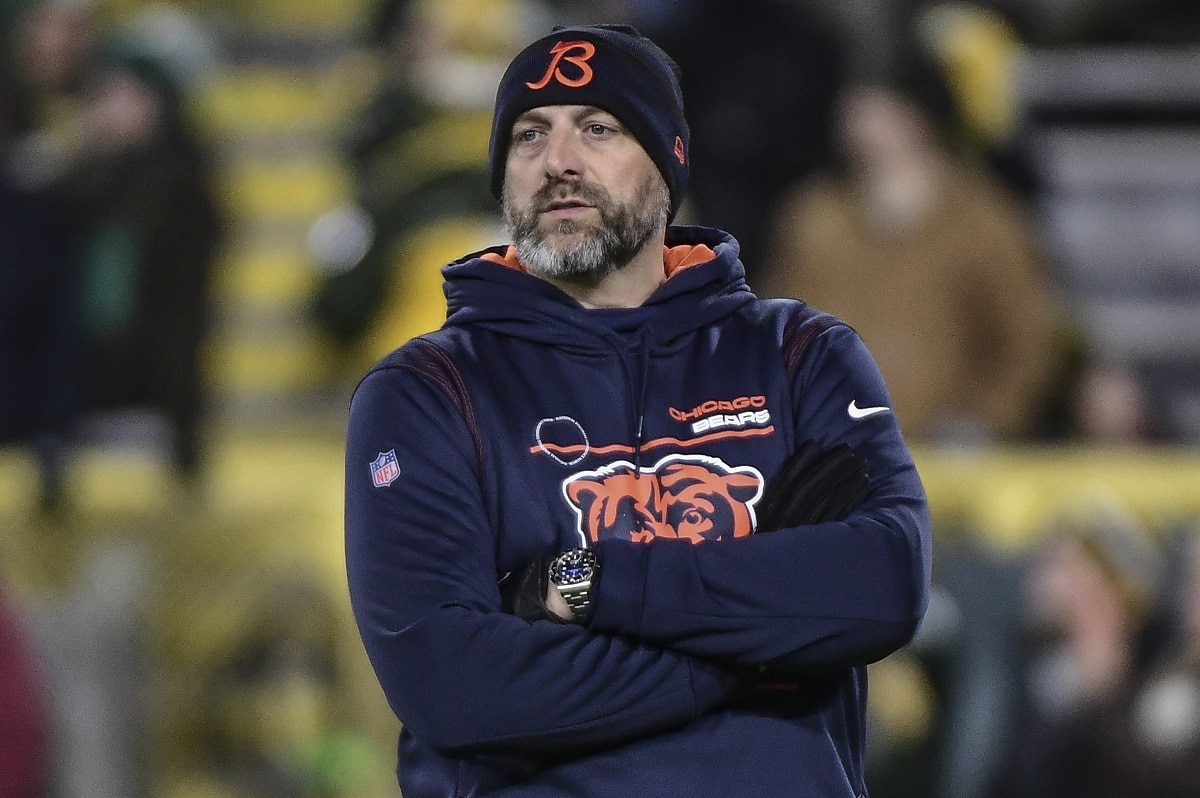
Evaluating the Impact: When the Chicago Bears Fire a Coach After a 4-8 Slump
The decision by the Chicago Bears to fire a head coach following a 4-8 slump represents a critical inflection point for the organization’s long-term strategy, financial commitments, and roster development. This mid-season or late-seaso...
The decision by the Chicago Bears to fire a head coach following a 4-8 slump represents a critical inflection point for the organization’s long-term strategy, financial commitments, and roster development. This mid-season or late-season personnel change serves as an immediate mechanism for resetting team culture, recalibrating offensive or defensive schemes, and signaling a shift in organizational accountability to stakeholders and the fanbase.
Contents
Analyzing the Mechanics of a Mid-Season Coaching Change
When an NFL franchise like the Chicago Bears finds itself at a 4-8 record, the primary internal question shifts from "Can we salvage this season?" to "How do we define the next era?" A 4-8 record implies that the team has lost mathematical or practical control of its postseason destiny. The decision to terminate a head coach at this juncture is rarely just about the win-loss percentage; it is a diagnostic acknowledgment that the current leadership has failed to develop talent or optimize tactical execution.
Organizations generally evaluate three main pillars before making a firing decision:
- Roster Development: Are young, high-draft-pick players showing consistent growth? If the answer is no, the coaching staff is often deemed incompatible with the talent acquisition strategy.
- Scheme Efficiency: Is the team’s offensive or defensive output statistically inconsistent with the modern NFL landscape?
- Locker Room Morale: Does the coaching staff maintain the respect and buy-in of veteran leaders?
Financial and Contractual Implications
Terminating a head coach mid-season involves substantial financial obligations. In the NFL, coaching contracts are typically fully guaranteed. When the Chicago Bears move to fire a coach, they remain liable for the remainder of that contract unless a mitigation clause is triggered—which is rare if the coach is not hired by another team immediately.
For the organization, this creates a "double cost" scenario:
- The "Dead Money" Exit: The organization must continue paying the fired coach while simultaneously absorbing the salary of the interim replacement or the eventual permanent hire.
- Capital Allocation: Because coaching salaries do not count against the NFL salary cap, the firing does not impact the team’s ability to sign players. However, it does impact the ownership’s liquid capital, often influencing the urgency of finding a replacement who can provide an immediate return on investment.
The Role of the Interim Coach
When the Chicago Bears fire a coach after a 4-8 slump, the appointment of an interim head coach is the immediate next step. The goal of an interim coach is rarely to overhaul the team’s philosophy in the final month of the season. Instead, the interim period serves as an experimental laboratory.
- Evaluating Potential Assistants: It allows the front office to see if any current coordinators have the head-coaching potential to lead a full-time staff in the future.
- Resetting Standards: It provides a clean slate to demand higher effort levels from players who may have mentally checked out during the slump.
- Data Collection: The team gathers crucial tape and performance metrics on how specific players respond to different leadership styles, which informs offseason roster management.
Strategic Considerations for the Chicago Bears Organization
| Factor | Primary Impact | Strategic Goal |
|---|---|---|
| Culture | Shifts accountability | Signal change to fans and media |
| Recruitment | Impacts coaching candidate pool | Ensure alignment with GM’s vision |
| Roster | Impacts player development | Validate draft picks and free agents |
| Fan Sentiment | Immediate relief or anxiety | Manage brand perception and ticket retention |
Navigating the Search for a New Head Coach
The transition period following the firing of a head coach is one of the most resource-intensive periods for an NFL front office. The Chicago Bears must move through a rigorous hiring process that balances scouting, interviewing, and contract negotiation. By the time the search begins, the organization usually has a list of desired attributes, often categorized by the team’s specific needs at the time of the vacancy.
1. Defining the Ideal Archetype
The front office must decide whether the team needs an "offensive guru" to develop a young quarterback, or a "defensive architect" to instill discipline and toughness. This decision often dictates the initial outreach process to agents representing top-tier coordinators and former head coaches.
2. The Interview Process
Under the Rooney Rule and current NFL guidelines, the interview process is strictly regulated. The team must ensure a diverse candidate pool is considered, which provides a broader perspective on leadership and tactical innovation. The Chicago Bears' ownership and the General Manager must reach a consensus on the candidate's vision, ensuring the coach's philosophy matches the team's long-term personnel strategy.
3. Aligning with the General Manager
One of the most common causes of organizational failure is a disconnect between the GM and the head coach. Effective hiring requires that the candidate accepts the GM’s authority over personnel decisions while feeling empowered to build the on-field staff. This alignment is what creates sustainable success over multiple seasons.
Common Mistakes During a Coaching Transition
The transition following a 4-8 collapse is prone to errors that can set an organization back by years. Being aware of these pitfalls is essential for any franchise:
- Hiring for the "Quick Fix": Attempting to hire a high-profile "name" coach who may not fit the team’s existing culture or personnel capabilities.
- Ignoring Coordinator Quality: Sometimes, the head coach is fired, but the primary issues lie with the offensive or defensive schemes run by the coordinators. If the new head coach is forced to keep suboptimal coordinators, the cycle of failure often repeats.
- Short-Circuiting the Search: Rushing the hiring process because of media or fan pressure can lead to poor decision-making. A deliberate, thorough search is almost always superior to a fast one.
Frequently Asked Questions (FAQ)
Why is a 4-8 record often a trigger point for firing an NFL coach? A 4-8 record usually confirms that the team is failing to meet competitive expectations while still having enough season remaining to justify an evaluation of a new candidate. It marks a point where the current coaching staff has clearly demonstrated an inability to win consistently, necessitating a change before the next scouting cycle.
Does a mid-season firing hurt the team’s draft position? Not necessarily. While a team hopes for immediate improvement under an interim coach, the draft order is determined by overall win-loss percentage and strength of schedule. The benefit of a mid-season change is the ability to better evaluate players for the following season, which is more valuable to the organization than the minor draft position fluctuations that might occur.
How do NFL teams handle the remaining salary of a fired coach? NFL coaching contracts are typically guaranteed. When a coach is fired, the organization is contractually obligated to pay the remainder of the salary. This is considered an operating expense for the team ownership and does not affect the NFL salary cap or the team's ability to sign players.
What happens to the assistant coaches after the head coach is fired? The status of assistant coaches usually depends on the incoming permanent head coach. Some assistants may be retained, but most often, a new head coach is given full autonomy to assemble their own staff, leading to a widespread turnover of personnel across all coaching units.
How does an interim coach impact player morale? An interim coach often boosts morale by providing a "fresh start" and a new voice. Players who were buried on the depth chart under the previous coach may receive opportunities to prove themselves, which can lead to increased energy and more competitive play in the final games of the season.
Next Steps and Recommendation
For the Chicago Bears, the period following a decision to fire a coach requires total organizational transparency and a disciplined approach to the next hire. The most effective path forward is to prioritize a candidate who possesses a proven track record of player development and a clear, modern tactical identity that aligns with the organization's existing talent core. Leadership should immediately audit the remaining coaching staff, determine which positions require specialized expertise, and initiate a search that focuses on systemic compatibility rather than superficial market appeal. By focusing on the long-term integration of coaching philosophy and player growth, the organization can convert a difficult 4-8 season into a foundational pillar for future success.
Image Gallery